Economist Miron Faults Massachusetts Cannabis Regulations, Not Legalization
Harvard economist Jeffrey Miron argues Massachusetts' cannabis market problems stem from regulatory design, not the policy of legalization itself.
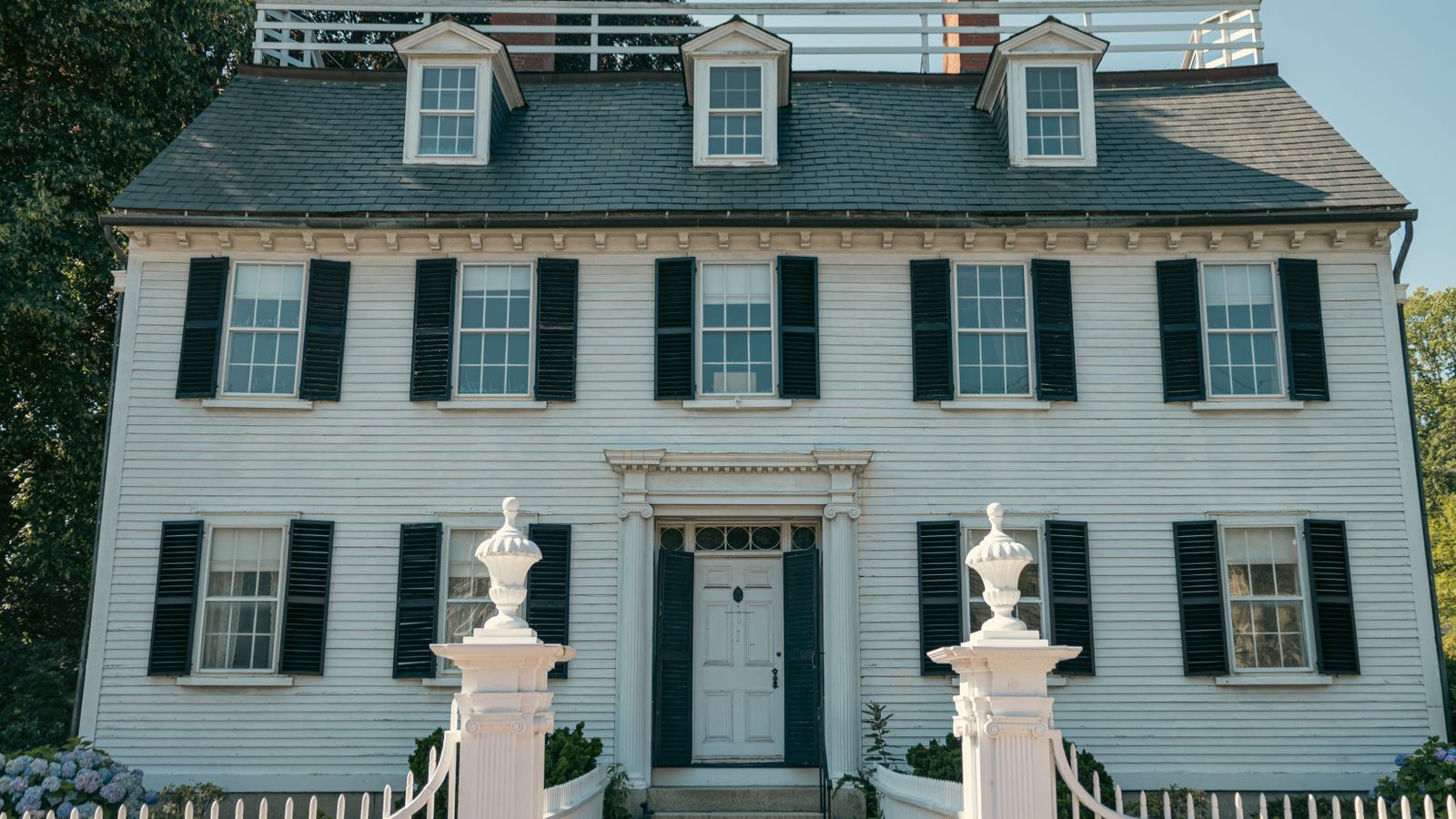
Elegant Colonial-style house with black shutters and white picket fence in Salem, Massachusetts.
Regulatory Design, Not Legalization, Drives Market Problems
Miron identifies regulatory complexity and implementation failures as the root cause of Massachusetts' cannabis market struggles. The Harvard economist's analysis separates the policy of adult-use legalization—approved by voters in 2016—from the Cannabis Control Commission's subsequent regulatory framework. Massachusetts launched adult-use sales in November 2018. But the market has faced persistent criticism over licensing bottlenecks, social equity program delays, and limited store access in many municipalities.
Miron's argument arrives as the CCC faces renewed scrutiny from state legislators over equity license approvals and market concentration among multi-state operators. The commission has approved 446 retail licenses statewide as of September 2026, yet equity applicants continue to report capital access barriers and delayed final approvals.
Licensing Bottlenecks Limit Market Access
The CCC's licensing process has created entry barriers that favor established operators over new applicants, according to Miron's analysis. Massachusetts' regulatory framework requires separate licenses for cultivation, processing, testing, transportation, and retail, with each category subject to distinct application requirements and review timelines. The commission's equity program, designed to prioritize applicants from communities disproportionately harmed by prohibition, has issued provisional certifications to more than 200 businesses but converted fewer than 40% to final licenses.
Miron points to the contrast with states that implemented streamlined licensing pathways. The economist doesn't specify alternative models in the Herald piece. Oregon and Michigan both launched markets with faster approval cycles and lower application fees than Massachusetts.
Tax Structure Pushes Consumers to Illicit Market
Massachusetts' combined state and local tax rates—up to 20% on retail sales—sustain the illicit market by maintaining a price gap, Miron argues. The state imposes a 10.75% excise tax on gross retail sales, with municipalities authorized to add local taxes up to 3%. Combined with the standard 6.25% sales tax, consumers face effective tax rates between 17% and 20% depending on location.
The tax burden compounds pricing pressure from regulatory compliance costs. Licensed cultivators report all-in production costs of $800 to $1,200 per pound for indoor flower, compared to illicit-market wholesale prices as low as $400 per pound. Miron's critique suggests that tax policy undermines the core objective of legalization: eliminating the black market by offering a competitive legal alternative.
Equity Program Fails to Deliver on Promise
The CCC's social equity program has certified more than 200 applicants but delivered final licenses to fewer than 80 equity-designated businesses. The program offers technical assistance, priority review, and access to a $10 million loan fund. Equity applicants report that capital requirements and real estate costs remain prohibitive. Massachusetts requires cannabis businesses to demonstrate liquid assets of at least $500,000 for cultivation licenses and $50,000 for retail licenses—thresholds that exclude many equity-eligible applicants.
Miron's analysis doesn't propose specific equity-program reforms, but his framing suggests that regulatory barriers, not legalization itself, prevent the program from achieving its stated goals. The CCC hasn't issued new equity-policy guidance since March 2026, when it extended provisional certification timelines by six months.
Municipal Opt-Outs Restrict Consumer Access
More than 60% of Massachusetts municipalities have banned retail cannabis stores through local ordinances, limiting legal access and sustaining illicit sales. Of the state's 351 cities and towns, only 138 permit adult-use retail as of September 2026. Store concentration in permissive municipalities creates geographic access gaps, particularly in rural areas and communities with older median populations.
Miron's critique highlights the tension between state-level legalization and local control. Massachusetts law allows municipalities to ban cannabis businesses outright or impose additional zoning restrictions, a framework that's produced a fragmented market. Voters in several towns have overturned local bans through ballot initiatives, but the opt-out default has slowed market expansion.
What This Means for Massachusetts Cannabis Policy
Miron's analysis reframes the policy debate by distinguishing legalization outcomes from regulatory design choices. The economist's argument suggests that Massachusetts could achieve better market results—higher tax revenue, reduced illicit sales, improved equity outcomes—through regulatory reform rather than policy reversal. The CCC hasn't responded to Miron's commentary as of Monday afternoon.
For context on Massachusetts cannabis regulation, see the CannIntel topic hub on Massachusetts Cannabis Regulation. The next test: the CCC's October 2026 review of equity program metrics and licensing timelines.
For complete background, history, and our ongoing coverage of this story:
Open the CannIntel topic hub →Frequently asked questions
What is Jeffrey Miron's main argument about Massachusetts cannabis regulations?
Miron argues that Massachusetts' cannabis market challenges result from flawed regulatory implementation—licensing delays, tax structures, equity program failures—rather than the fundamental policy of legalization. He distinguishes voter-approved legalization from the Cannabis Control Commission's subsequent regulatory design choices.
How many Massachusetts municipalities allow cannabis retail stores?
Only 138 of Massachusetts' 351 cities and towns permit adult-use retail cannabis stores as of September 2026. More than 60% of municipalities have banned retail through local ordinances, creating geographic access gaps and sustaining illicit-market sales in areas without legal stores.
What tax rates do Massachusetts cannabis consumers pay?
Massachusetts cannabis consumers face combined tax rates between 17% and 20%, including a 10.75% state excise tax, up to 3% local tax, and the standard 6.25% sales tax. Miron argues these rates maintain a price gap that favors the illicit market.
How many equity applicants have received final licenses in Massachusetts?
The Cannabis Control Commission has issued provisional certifications to more than 200 equity applicants but converted fewer than 40%—approximately 80 businesses—to final licenses. Equity applicants report capital requirements and real estate costs remain prohibitive despite technical assistance programs.
Sources
The cannabis newsletter you forward to your team.
Federal policy, market data, grower alerts, and the one story that matters today. Sent every weekday at 7am. Free.
No spam. Unsubscribe with one click. 21+ only.
Related from Laws
AG Blanche Says DOJ Won't Interfere With State-Legal Cannabis
Attorney General Todd Blanche said the Justice Department isn't seeking to interfere with state-legal marijuana operators, but no written policy or rule change accompanied the reported remarks.

Blanche Says Lucas Charges Aren't Aimed at State Cannabis Laws
The attorney general framed the federal case against Virginia's Senate president pro tem as conduct-based, not a move against state marijuana policy.

DOJ indicts Virginia lawmaker, six others over hemp THC shop
Federal prosecutors charged a Virginia state lawmaker and six others over a hemp THC operation, testing where hemp ends and marijuana begins.
More from the newsroom

Virginia Senator Faces Federal Marijuana and Fraud Charges
Marijuana Moment reported Oct. 22 that a top Virginia senator faces federal marijuana and fraud charges; the counts, court and named defendant await confirmation.

New Jersey Bill Extending Hemp Drink Sales Advances
A bill to extend New Jersey hemp drink sales moved forward Oct. 22, but the public record behind the headline is thin.

Survey of 7,913 German Patients Finds Pharmacy Cannabis Preferred
A survey of 7,913 German medicinal cannabis patients, nearly 90% with experience of both channels, points to the illegal market as a major source of stress.