Minnesota Cannabis Expungement Board Holds Public Event July 14
The state board convened a public session to review expungement petitions and discuss implementation of Minnesota's automatic relief statute.

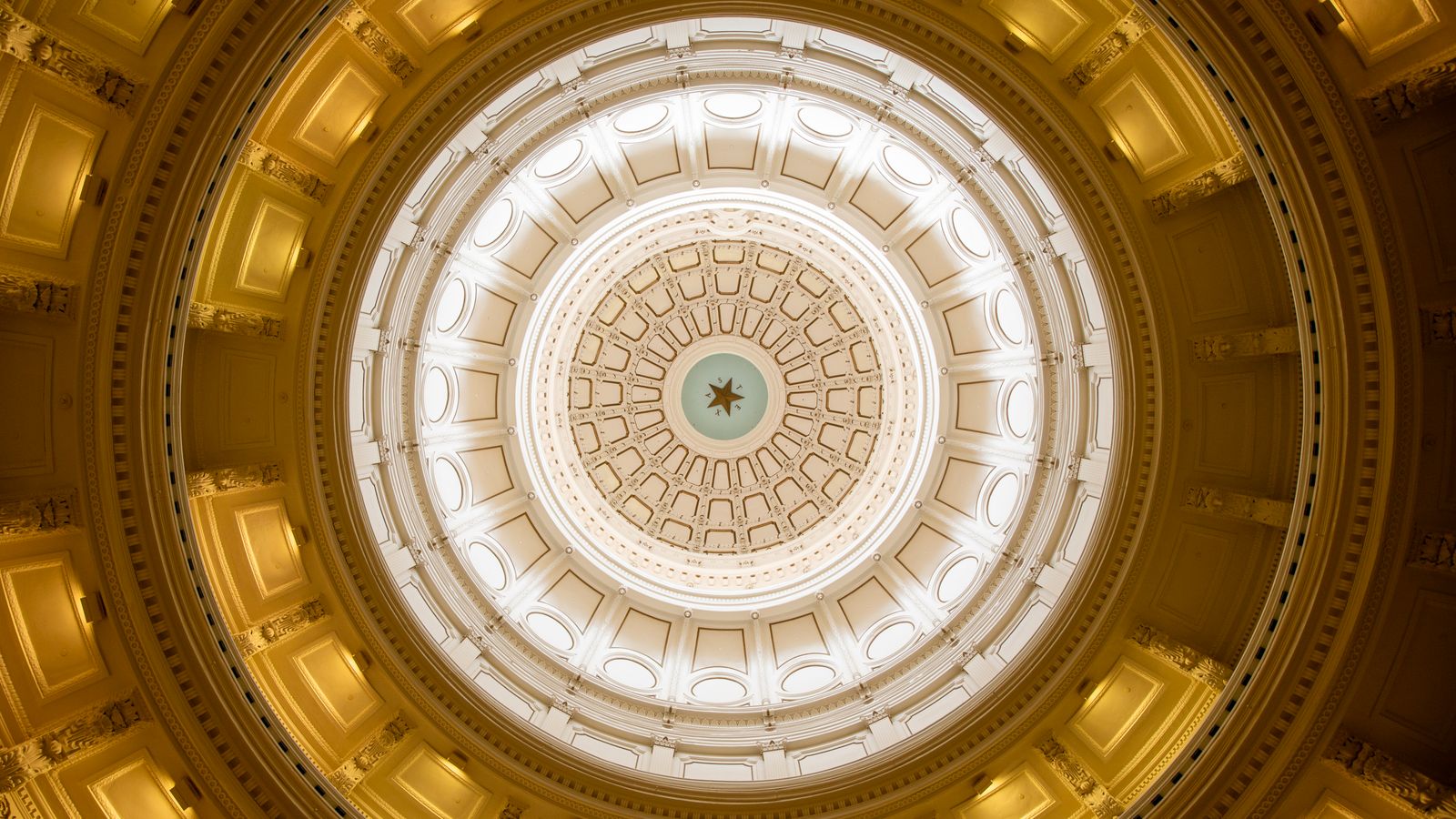
Stunning view of the classic dome of the Minnesota State Capitol in Saint Paul.
Board Reviews Backlog of Manual Petitions
The July 14 session focused on cases requiring individualized review under Minn. Stat. § 609A.03, subd. 7a, which applies to convictions not covered by the automatic expungement pathway. Minnesota's 2023 legalization law created two tracks: automatic relief for simple possession offenses (Minn. Stat. § 152.027, subd. 4) and discretionary relief for more complex cases involving sale or manufacturing charges.
Petitioners whose cases fall into the discretionary category addressed the board. On a strict reading of the statute, these individuals must demonstrate rehabilitation and lack of subsequent criminal activity. The board's public docket didn't specify how many petitions it reviewed, but the Minnesota Spokesman-Recorder reported the event drew community attendance.
Automatic Expungement Implementation Lags
Minnesota's automatic expungement statute took effect August 1, 2023, but thousands of eligible records remain visible in state databases nearly three years later. Coordination failures between the Bureau of Criminal Apprehension (BCA), county prosecutors, and the state court system have caused the delay.
Under Minn. Stat. § 609A.03, subd. 5(a), the BCA is required to identify eligible records and notify the courts within 90 days. Court administrators then have 60 days to seal the records. That timeline hasn't been met statewide. Rural counties report resource constraints. Hennepin and Ramsey counties have processed the majority of cases but acknowledge backlogs in pre-2000 convictions where paper records complicate matching.
Eligibility Criteria Under Minnesota Law
Automatic expungement applies to convictions for possession of 42.5 grams or less of cannabis flower, the threshold Minnesota adopted in its 2023 legalization framework. The statute excludes:
- Convictions involving sale, distribution, or manufacturing (Minn. Stat. § 152.021-152.025)
- Cases where the individual has a pending felony charge
- Convictions that resulted in bodily harm to another person
Petitioners in those categories may apply for discretionary relief through the Cannabis Expungement Board, which evaluates each case under a multifactor test codified at Minn. Stat. § 609A.03, subd. 7a(c).
Public Comment Period Remains Open
The board announced it will accept written public comment through August 15, 2026, on proposed rule amendments to streamline the petition process. Draft rules would allow petitioners to submit affidavits of rehabilitation in lieu of appearing at a hearing, reducing wait times from six months to an estimated 90 days.
Advocacy groups including the Minnesota Second Chance Coalition have submitted comments urging the board to adopt a presumption of eligibility for first-time offenders. The coalition argues that requiring individualized proof of rehabilitation for decades-old possession-with-intent convictions imposes a burden inconsistent with the legislature's stated goal of removing barriers to employment and housing.
What Comes Next for Pending Cases
The board's next public session is scheduled for September 10, 2026, in St. Paul. Petitioners whose cases weren't resolved on July 14 will receive written notice of their hearing date by August 1, according to board staff.
For context on Minnesota's expungement framework and the statutory timelines, see the CannIntel topic hub on Minnesota cannabis expungement.
Since its formation in September 2023, the board has cleared 1,847 petitions, per data published by the Minnesota Office of Cannabis Management (OCM). That figure represents roughly 12% of the estimated 15,000 Minnesotans with non-automatic-eligible cannabis convictions on their records. Even if the board accelerates its docket, the math suggests a multi-year runway.
Frequently asked questions
What cannabis convictions qualify for automatic expungement in Minnesota?
Automatic relief applies to convictions for possession of 42.5 grams or less of cannabis flower under Minn. Stat. § 152.027, subd. 4. Convictions involving sale, manufacturing, or bodily harm are excluded and require a discretionary petition to the Cannabis Expungement Board.
Why haven't all eligible Minnesota cannabis records been expunged yet?
The statute required the Bureau of Criminal Apprehension to identify eligible records and notify courts within 90 days of August 1, 2023. Coordination failures between the BCA, county prosecutors, and courts—especially for pre-2000 paper records—have caused multi-year delays in rural counties.
How do I petition the Minnesota Cannabis Expungement Board?
Petitions are filed through the Minnesota Judicial Branch's expungement portal. Cases not eligible for automatic relief require a hearing before the board. Proposed rule changes would allow affidavits of rehabilitation in lieu of in-person appearances, reducing wait times to an estimated 90 days.
How many cannabis expungement petitions has Minnesota processed?
The Cannabis Expungement Board has cleared 1,847 discretionary petitions since September 2023, representing roughly 12% of the estimated 15,000 non-automatic-eligible cases statewide. The board's next public session is scheduled for September 10, 2026.
Sources
The cannabis newsletter you forward to your team.
Federal policy, market data, grower alerts, and the one story that matters today. Sent every weekday at 7am. Free.
No spam. Unsubscribe with one click. 21+ only.
Related from Laws
FDA Publishes Psychedelic Drug Development Guidance, Sets Hearing Date
Agency releases draft framework for psilocybin and MDMA trials as congressional oversight hearing looms.
Trulieve Executive Explains Georgia's Expanded Medical Marijuana Program
The Florida MSO's Georgia operations lead details how the state's medical cannabis program has broadened patient access since launch.
Texas Hemp Business Council Releases Public Health Analysis on THC Rules
Industry group publishes research document addressing state regulatory priorities amid legislative debate over intoxicating hemp products.
More from the newsroom

Cannara Signs Long-Term Supply Deal With Curaleaf International
Quebec cultivator secures multi-year export contract with Curaleaf's international arm.

Maryland's Social Equity Dispensaries Begin Opening After Years of Delays
The state's first social equity cannabis stores are launching three years after licenses were awarded.

Lake Success Cancels Hearing on Nassau County's First Dispensary
Village board pulls July 15 public hearing on proposed cannabis retail license without explanation, stalling Nassau's first adult-use store.