Texas Hemp Business Council Releases Public Health Analysis on THC Rules
Industry group publishes research document addressing state regulatory priorities amid legislative debate over intoxicating hemp products.
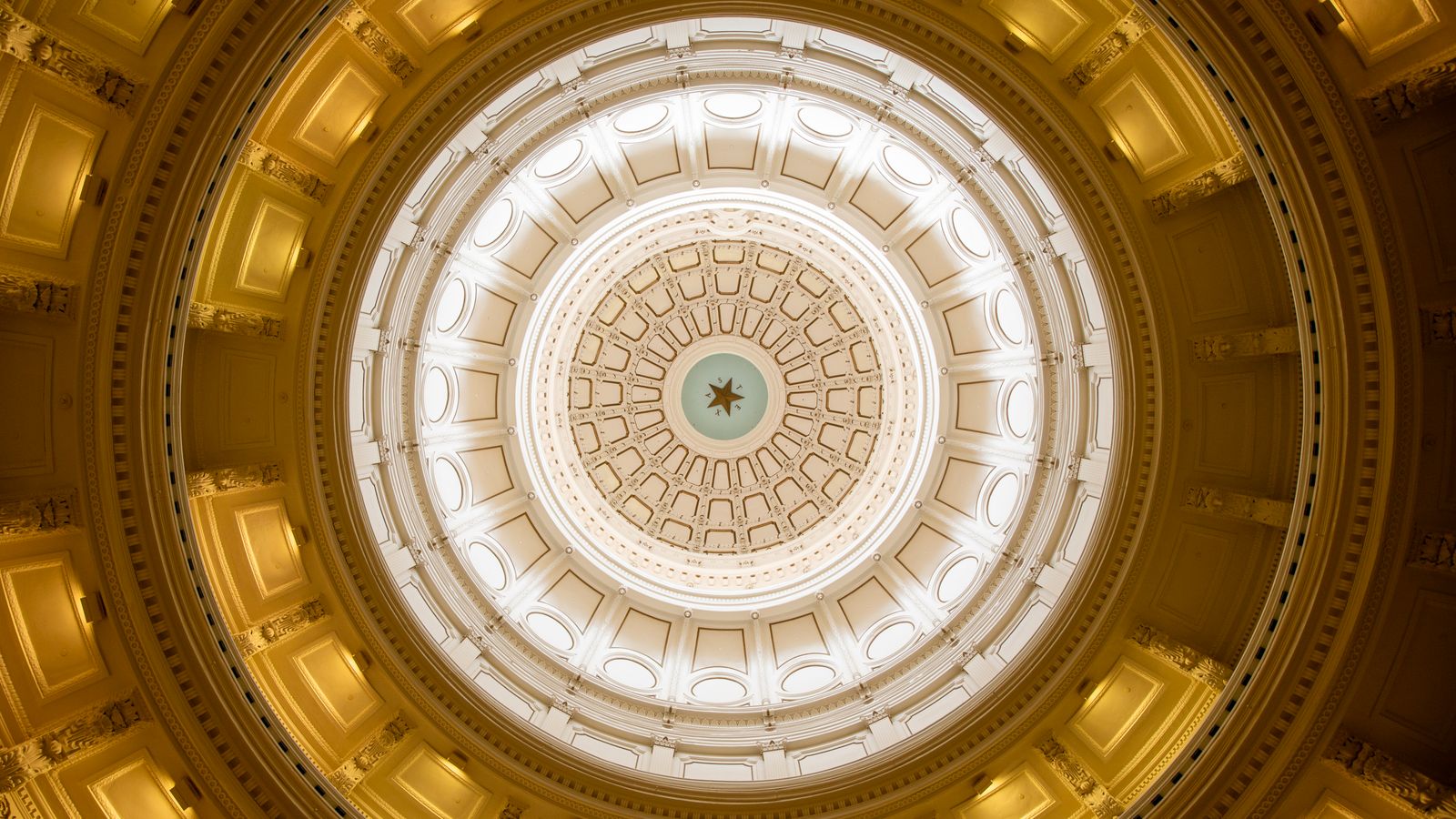
Stunning view of the Texas Capitol dome showcasing intricate architectural design and illumination.
The analysis arrives as Texas faces renewed legislative pressure to regulate or ban intoxicating hemp products sold outside the state's medical cannabis program.
The Texas Hemp Business Council, a trade association representing hemp processors and retailers, published the analysis through a press release distributed by Yahoo Finance on July 14. The document wasn't made publicly available in full through the council's website at the time of publication. The press release didn't specify research methodology, author credentials, or peer-review status.
Texas hasn't enacted comprehensive regulation of delta-8 THC, delta-10 THC, THC-O, or THCA products since the 2018 Farm Bill federally legalized hemp with less than 0.3 percent delta-9 THC by dry weight. Without state-level rules, a retail market expanded rapidly, drawing scrutiny from public health officials and law enforcement groups who argue the products circumvent voter-approved medical cannabis restrictions.
The council's document frames THC regulation as a public health priority rather than a prohibition question, according to the press release summary.
The release characterizes the analysis as addressing "THC regulation and public health priorities," language that signals an industry preference for regulatory frameworks over outright bans. This framing mirrors arguments made by hemp trade groups in other states facing similar legislative debates, including North Carolina, Georgia, and Minnesota, where industry coalitions have advocated for age restrictions, testing mandates, and labeling requirements as alternatives to prohibition.
The council's public positioning suggests an effort to preempt prohibitionist bills by offering a regulatory compromise that preserves market access while addressing state concerns about product safety and youth access.
Texas lawmakers filed at least six bills addressing intoxicating hemp products during the 2025 legislative session. None advanced to a floor vote. Proposals ranged from outright bans on delta-8 THC to age-gated retail frameworks modeled on alcohol regulation. The failure of those bills left the market in a legal gray zone, with no state agency exercising clear authority over product testing, labeling, or distribution channels.
No state agency has confirmed receipt of the analysis or indicated whether it'll inform rulemaking ahead of the 2027 session.
The Texas Department of State Health Services, which regulates the state's Compassionate Use Program for low-THC medical cannabis, didn't respond to inquiries about whether it had received or reviewed the council's document. The Texas Department of Agriculture, which oversees hemp cultivation licensing under the 2018 Farm Bill, similarly didn't confirm awareness of the analysis.
Without regulatory adoption or legislative reference, the document functions primarily as an advocacy tool. Industry-funded research has played a contested role in state cannabis and hemp policy debates, with public health groups frequently challenging the independence and rigor of analyses produced by trade associations. No disclosed funding sources, research partners, or publication venues limits the document's utility as an evidentiary basis for rulemaking.
Release timing positions the council ahead of pre-filing season for the 2027 Texas legislative session, which begins in January.
Texas operates a biennial legislature, with the next regular session convening on January 13, 2027. Bill pre-filing opens 60 days prior, in mid-November 2026. The council's July release gives the organization a five-month runway to circulate its analysis among legislators, committee staff, and stakeholder coalitions before draft bills are submitted.
For context on the broader regulatory landscape, see the CannIntel topic hub on Texas hemp THC regulation. The state's inaction on intoxicating hemp contrasts sharply with neighboring Oklahoma, which enacted comprehensive delta-8 THC rules in 2023, and Louisiana, which banned most hemp-derived intoxicants in 2022. Texas remains one of the largest unregulated markets for these products in the United States, with an estimated retail footprint exceeding 3,000 storefronts statewide.
Next legislative signal to watch: bill pre-filings in November and committee assignments in December, which will clarify whether hemp regulation commands committee attention or remains sidelined by higher-priority issues in the 2027 session.
Sources
The cannabis newsletter you forward to your team.
Federal policy, market data, grower alerts, and the one story that matters today. Sent every weekday at 7am. Free.
No spam. Unsubscribe with one click. 21+ only.
Related from Laws

Indian Editorial Urges Cannabis Reform as Policy Debate Gains Ground
The Statesman calls for India to reconsider cannabis prohibition amid growing global momentum for legalization.
Ohio Judge Blocks Hemp THC Cap on Dormant Commerce Clause Grounds
A federal court halted Ohio's 0.3% total-THC limit for hemp products, finding it likely violates interstate commerce protections.

NORML Intern Draws Parallels Between Alcohol, Cannabis Prohibitions
Summer intern Caroline Breen outlines structural failures shared by both 20th-century prohibitions in policy analysis.
More from the newsroom

Lake Success Cancels Hearing on Nassau County's First Dispensary
Village board pulls July 15 public hearing on proposed cannabis retail license without explanation, stalling Nassau's first adult-use store.

Cannabis Treatment Cuts Agitation in Hospice Dementia Patients, Trial Finds
A cannabis-derived therapy reduced severe agitation in hospice-eligible dementia patients in a controlled trial published this week.

Curaleaf Eyes Spain's New Cannabis Framework for EU Pharma Push
The MSO is positioning its European subsidiaries to capitalize on Spain's regulatory shift toward medicinal cannabis.