Menominee Tribe issues 3 dispensary licenses; Puff eyes opening
The Menominee Indian Tribe of Wisconsin licensed three new dispensaries, and one operator, Puff, is targeting an opening next month, according to WLUK.
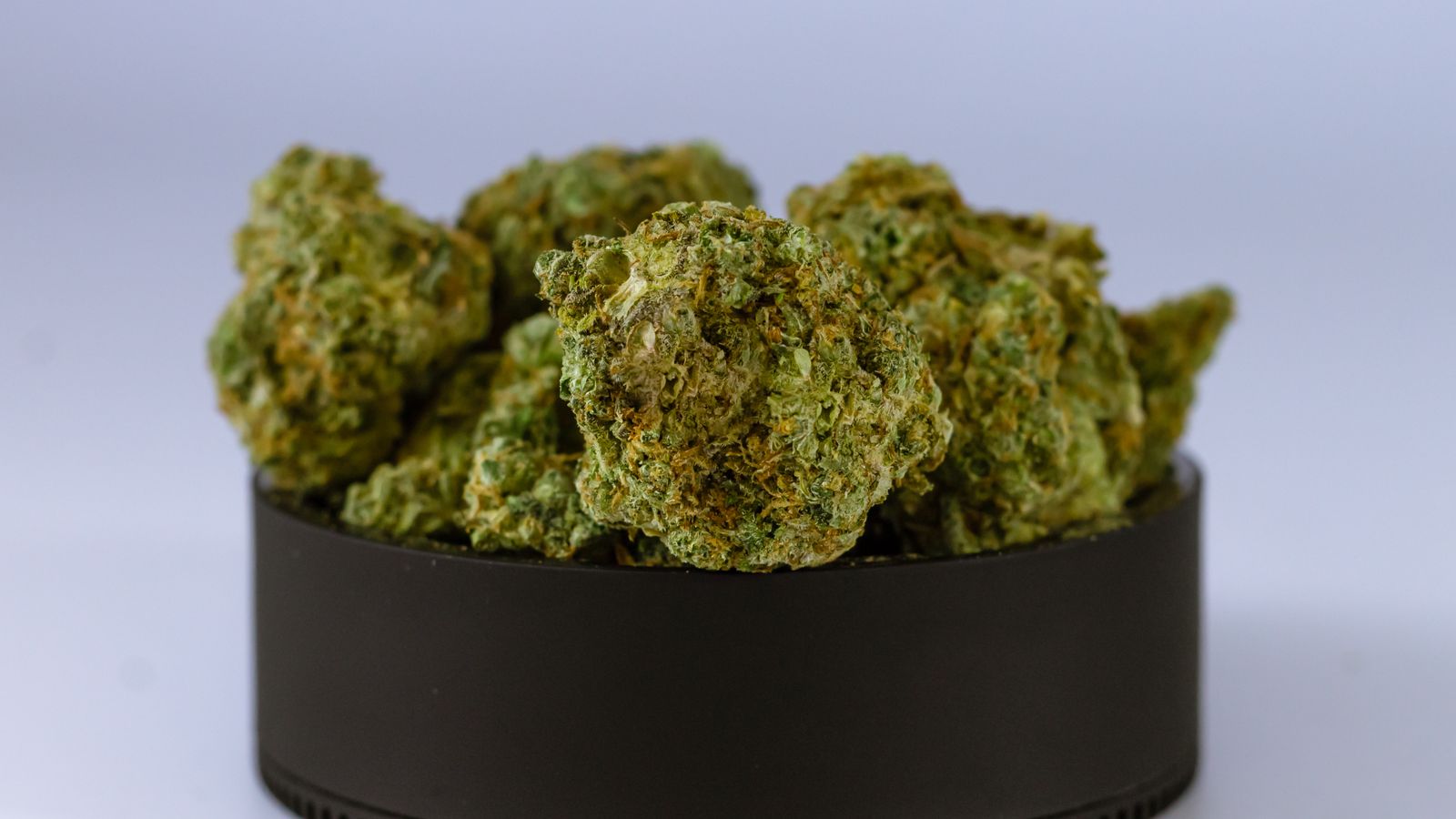
High-quality close-up image of cannabis buds in a black container, showcasing their texture and detail.
Menominee licenses three new retailers
The Menominee Indian Tribe of Wisconsin issued three new dispensary licenses, according to a WLUK report published Nov. 13, 2026.
The report also said Puff, one of the licensed operators, is eyeing an opening next month. The signal available to CannIntel doesn't name the other two licensees, their locations, or the license fees and terms, and we haven't independently confirmed those details.
A tribal licensing decision is a sovereign act. It isn't a state action. It doesn't flow through the Wisconsin Legislature.
Puff's timeline sets the first test
Puff's targeted opening next month is the first concrete signal of how quickly the new licenses convert into retail doors.
An opening target isn't an opening. Build-out, inventory sourcing, and compliance sign-off can all slip, and CannIntel will track whether Puff meets the window.
For operators, the gap between license issuance and first sale is where capital burns. A licensed shell with no product earns nothing.
Why tribal licensing matters in Wisconsin
Wisconsin has no state-regulated adult-use program, so tribal nations are the main path to legal retail cannabis in the state.
That makes tribal licensing decisions the main source of regulated-market news in Wisconsin. Tribes operate under their own codes and compacts, not under a state licensing board.
Each new license, then, is a policy event in its own right, because it shapes who can sell legally on tribal land and under what rules.
Without a state framework, every tribal license is effectively the regulatory record in Wisconsin, and the rules each tribe writes become the template others are measured against.
The legal backdrop: tribal sovereignty and federal law
Cannabis remains a Schedule I controlled substance under 21 U.S.C. § 812, so tribal operations rest on federal enforcement posture rather than federal authorization.
Tribal cannabis programs have historically relied on Department of Justice guidance, notably the 2014 Cole Memorandum and the later Wilkinson Memorandum addressing Indian country. Those documents set enforcement priorities. They don't change the statute.
Tribal operators end up in a gray zone shared with state-licensed businesses elsewhere. Rescheduling or descheduling action at the federal level would change that footing, and CannIntel will report any relevant docket movement.
What operators and applicants should watch
Licensees face a fast clock on opening while the key operating terms remain publicly undisclosed.
The details that matter to the market are the ones the signal doesn't supply:
- License fees and renewal terms
- Testing and packaging standards under tribal code
- Whether product may be sourced from outside the tribe
- The number of licenses the tribe intends to cap
Until the tribe publishes or confirms those terms, outside investors should treat valuation assumptions as provisional.
Competitive pressure on neighboring markets
Tribal dispensaries in Wisconsin compete across a state line where adult-use sales are already legal.
Illinois and Michigan both run licensed adult-use markets, and Wisconsin shoppers have crossed those borders for years. New in-state tribal retail gives some of that demand a closer, legal option.
Price and product range will decide whether that happens. A new store with thin inventory won't pull customers off an established route.
What to watch next
The next verifiable signals are Puff's actual opening date and any tribal disclosure of license terms.
CannIntel will follow the Menominee Tribe's announcements, the opening of Puff's doors, and any federal enforcement or rescheduling movement that touches Indian country. Full background is in the CannIntel topic hub on Wisconsin tribal cannabis dispensaries.
Circle Puff's opening date. Everything else follows from whether doors actually open on schedule.
Frequently asked questions
How many dispensary licenses did the Menominee Tribe issue?
The Menominee Indian Tribe of Wisconsin issued three new dispensary licenses, according to a WLUK report dated Nov. 13, 2026. The signal does not name all three licensees or give their locations.
When will Puff open?
WLUK reported that Puff is eyeing an opening next month. That is a target date, not a confirmed opening, and build-out or compliance steps could change the timeline.
Is recreational cannabis legal in Wisconsin?
Wisconsin has no state-regulated adult-use program. Tribal nations license their own cannabis retail under tribal law, which is why tribal licensing decisions drive regulated-market news in the state.
Is tribal cannabis legal under federal law?
Cannabis remains a Schedule I controlled substance under 21 U.S.C. § 812. Tribal programs operate under federal enforcement guidance rather than federal authorization, so federal rescheduling would alter that footing.
Sources
The cannabis newsletter you forward to your team.
Federal policy, market data, grower alerts, and the one story that matters today. Sent every weekday at 7am. Free.
No spam. Unsubscribe with one click. 21+ only.
Related from Laws
Iowa Governor-Elect Backs Alcohol-Style Cannabis Legalization
Iowa's incoming governor is pushing regulated adult-use cannabis modeled on alcohol and projecting hundreds of millions in yearly revenue, a sharp break for a state with no legal market.

Illinois regulators begin enforcing new intoxicating THC limits
State enforcement of new restrictions on intoxicating hemp-derived THC products has started, putting retailers outside Illinois' licensed cannabis system on notice.

Massachusetts CCC advances overhaul of cannabis testing rules
The Cannabis Control Commission moved forward on revisions to lab testing requirements after sustained pressure from licensed operators; details of the changes remain limited.
More from the newsroom

Illinois moves to enforce new THC product rules, consumer protections
State action targets intoxicating hemp-derived THC products sold outside the licensed system, but the signal leaves the enforcing agency and penalties unspecified.

Maine caregivers report confusion over DEA cannabis reclassification
Licensed medical caregivers in Maine say federal rescheduling has left them without clear answers on what, if anything, changes for their operations.

Illinois THC drink ban takes effect, leaving Evanston shelves bare
A state restriction on hemp-derived THC beverages is now in force, and Evanston retailers are reporting empty coolers where the products used to sit.