Massachusetts Coalition Launches Ads Urging Voters to Reject Cannabis Repeal
New campaign targets November ballot measure that would eliminate legal marijuana sales in the state.

A person casting a vote by placing a ballot into a ballot box, symbolizing democratic participation.
Coalition Targets Repeal Measure
The Coalition for Sensible Cannabis Policy began airing advertisements across Massachusetts on September 30, 2026, opposing a ballot measure that would end legal marijuana sales statewide. The campaign represents licensed retailers, patient advocates, and industry stakeholders seeking to preserve the adult-use market voters approved in 2016.
The ballot initiative would repeal the state's cannabis legalization framework and shut down the licensed retail system. Polling data cited by the coalition shows 62% of Massachusetts voters oppose eliminating legal sales.
Economic Stakes for Massachusetts
Massachusetts cannabis retailers generated $1.8 billion in sales during 2025, according to the state Cannabis Control Commission. The market supports approximately 14,000 direct jobs across cultivation, manufacturing, testing, and retail operations.
Tax revenue from cannabis sales totaled $287 million in fiscal year 2025. Those funds support public health programs, municipal aid, and transportation infrastructure under the state's allocation framework.
Campaign Messaging Strategy
The coalition's advertisements emphasize public safety concerns and economic consequences of eliminating the regulated market. One 30-second television spot features a small business owner discussing job losses if licensed dispensaries close.
Digital ads target voters aged 35-65 in Worcester, Springfield, and Boston media markets. Campaign spending will exceed $2.3 million through Election Day, according to coalition spokesperson Jennifer Moss.
Opposition Arguments
Proponents of the repeal measure argue legalization increased impaired driving incidents and youth access to cannabis products. The Committee to Restore Safe Communities, which gathered signatures to place the measure on the ballot, cites Massachusetts State Police data showing a 23% increase in roadside cannabis detection from 2019 to 2025.
Emergency room visits involving cannabis edibles rose 18% over the same period according to Department of Public Health records. That's a concern the group highlights repeatedly.
Regulatory Framework at Risk
The Massachusetts Cannabis Control Commission oversees 412 licensed retail locations, 189 cultivation facilities, and 87 product manufacturers as of September 2026. The regulatory structure includes mandatory testing for contaminants, child-resistant packaging requirements, and limits on THC concentration in edibles.
If voters approve the repeal measure, existing license holders would face a six-month wind-down period to cease operations and liquidate inventory under commission supervision.
Voter Decision Timeline
Massachusetts voters will decide the fate of legal cannabis sales on November 5, 2026. Early voting begins October 19. Secretary of State William Galvin projects turnout of 68% for the midterm election.
For complete coverage of this ballot measure and its implications for the Massachusetts cannabis market, see the CannIntel topic hub on Massachusetts Cannabis Ballot Measure 2026.
For complete background, history, and our ongoing coverage of this story:
Open the CannIntel topic hub →Sources
The cannabis newsletter you forward to your team.
Federal policy, market data, grower alerts, and the one story that matters today. Sent every weekday at 7am. Free.
No spam. Unsubscribe with one click. 21+ only.
Related from Laws

Wisconsin's Incoming Governor Pitches Legalization to Offset Medicaid Cuts
An incoming governor and a top lawmaker both point to 2027, tying cannabis revenue to a Medicaid budget gap and putting Wisconsin on the legalization map.

Study finds 86% of cannabis products lack required label info
A Medical Xpress-reported analysis says most products on shelves omit legally required label details, raising compliance and consumer-safety questions for operators and regulators alike.
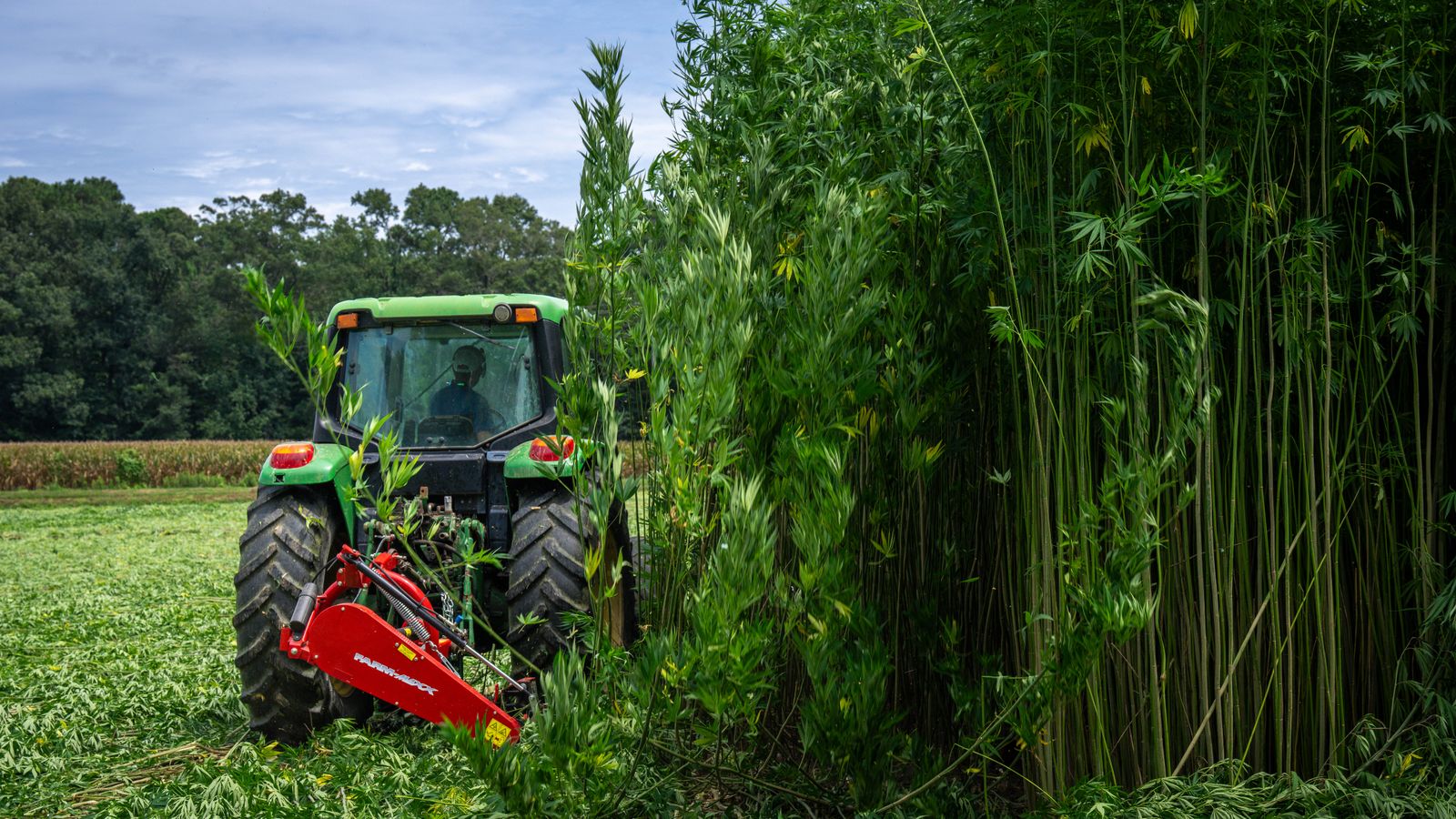
First Phase of Federal Hemp Product Ban Takes Effect
The first phase of a renewed federal ban on intoxicating hemp products is now in force, and industry groups are lobbying Congress for a regulatory alternative.
More from the newsroom

Brazil's Medical Cannabis Market Hits $90M a Year as Prescriptions Surge
High Times reports Brazil's prescription-driven medical cannabis market has reached roughly $90 million annually, but the signal leaves key tax and regulatory questions unanswered.

Joe Rogan Blames Texas GOP's Hemp THC Ban for Midterm Losses
The Austin-based podcaster said Republicans 'fucked up' by pushing to ban hemp-derived THC products, tying a culture-war fight to last week's election results.

Attorney Casey Leaver to Detail Cannabis Packaging Pitfalls at MJBizCon
A single label rarely satisfies every jurisdiction, and attorney Casey Leaver plans to walk operators through the compliance mistakes exposing them and retailers to risk.