Maryland Protects Firefighters Using Medical Cannabis Off-Duty
State law now bars disciplinary action against certified first responders who use medical marijuana when not on shift.
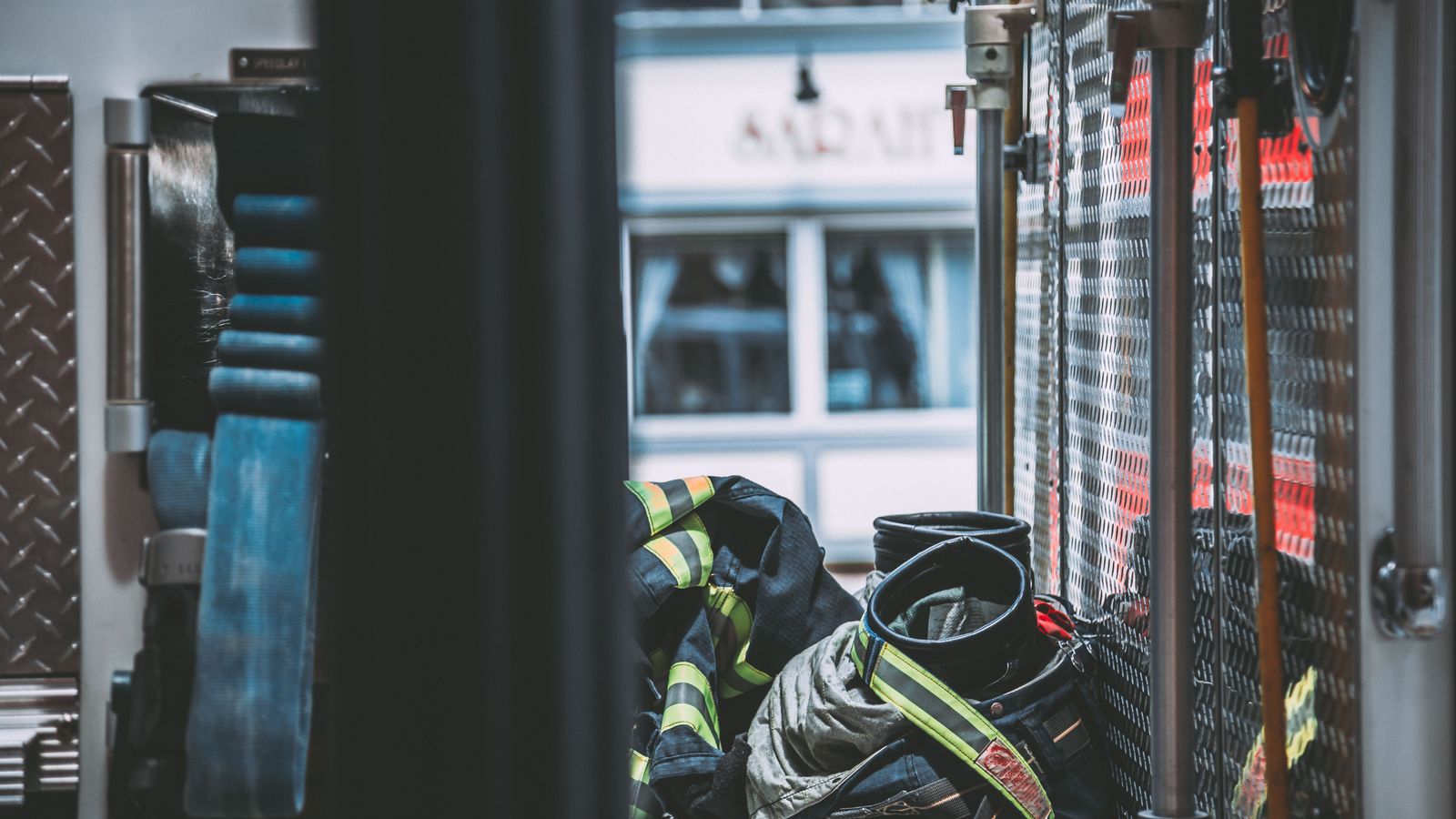
A detailed shot of firefighter gear inside a fire truck, emphasizing emergency readiness.
New Protections Take Effect for First Responders
Maryland's revised employment-protection statute now covers firefighters, emergency medical technicians, and rescue squad members who hold valid medical cannabis certifications. The law took effect October 1, 2026. It prohibits fire departments and emergency services agencies from disciplining or terminating employees solely because they test positive for THC metabolites during off-duty hours. The statute applies to both career and volunteer personnel certified under Maryland's medical cannabis program, which is administered by the Maryland Medical Cannabis Commission.
The expansion closes a gap in Maryland's 2023 Cannabis Reform Act, which granted employment protections to most private-sector and state workers but carved out exceptions for positions deemed safety-sensitive. Firefighters and EMTs fell into that excluded category until legislators revisited the framework during the 2026 session. The revised language maintains prohibitions on impairment during active shifts while explicitly protecting off-duty consumption for medical purposes.
Legislative Path and Sponsorship
House Bill 892, sponsored by Delegate Joseline Peña-Melnyk of Prince George's County, passed the Maryland General Assembly in April 2026 with bipartisan support. The bill cleared the House Health and Government Operations Committee on a 17-4 vote before advancing to the floor, where it passed 98-41. The Senate version, cross-filed as Senate Bill 567 by Senator Will Smith of Montgomery County, passed the upper chamber 32-15 after amendments aligned the text with the House bill. Governor Wes Moore signed the measure into law on May 15, 2026, with a delayed effective date to allow agencies time to revise personnel policies.
Peña-Melnyk chairs the House Health and Government Operations Committee. She said the bill addressed inequities faced by first responders managing chronic pain or PTSD through state-legal medicine. Smith, a former assistant attorney general, emphasized that the law doesn't permit on-duty use or impairment and maintains existing standards for fitness-for-duty evaluations. Neither legislator's office provided comment by press time on implementation guidance issued to local fire departments.
Scope and Limitations of the Statute
The law applies only to certified medical cannabis patients and doesn't extend protections to adult-use consumers, even though Maryland legalized recreational sales in July 2023. Employers retain authority to enforce zero-tolerance policies for THC use among employees who don't hold medical certifications. The statute also preserves the right of fire chiefs and EMS directors to conduct reasonable-suspicion testing and to remove personnel from duty if observable impairment is documented through standardized field sobriety protocols or supervisor assessments.
Agencies may still prohibit cannabis use entirely for probationary employees during their first 12 months of service, a carve-out inserted during Senate committee review. The law doesn't create a private right of action for wrongful termination; aggrieved employees must pursue remedies through existing administrative channels, including the Maryland State Personnel and Pensions Article grievance process for state employees or local civil-service boards for municipal firefighters. Legal observers note the statute's reliance on medical certification creates a two-tier system that leaves recreational users without recourse.
Impact on Municipal Fire Departments
At least 14 of Maryland's 24 counties have updated their personnel manuals to reflect the new protections, according to a survey conducted by the Maryland State Firemen's Association in September 2026. Baltimore City, Montgomery County, and Prince George's County—the state's three largest fire jurisdictions—issued revised drug-testing policies in August that distinguish between medical and recreational cannabis use. The policies require employees to submit medical cannabis certification documentation to human resources within 10 days of enrollment in the state registry. Annual recertification is mandatory to maintain protections.
Smaller volunteer fire companies face a patchwork implementation landscape. They operate under county oversight but maintain independent personnel policies. The Maryland State Firemen's Association distributed model policy language in July, but adoption remains voluntary for companies that don't receive direct county funding. Some rural departments have delayed implementation pending guidance from their liability insurers on whether the law affects workers' compensation coverage or general-liability premiums. The Insurance Commissioner's office hasn't issued formal guidance on underwriting implications as of October 1.
Comparison to Other State Frameworks
Maryland joins eight other states—New Jersey, New York, Connecticut, Rhode Island, Montana, Nevada, California, and Illinois—that have enacted explicit employment protections for medical cannabis patients in public-safety roles. New Jersey's statute, enacted in 2022, extends protections to police officers and corrections personnel in addition to firefighters, making it the broadest framework nationally. California's protections, codified in Assembly Bill 2188 effective January 2024, apply only to off-duty use verified through non-psychoactive metabolite testing. Maryland didn't adopt that standard.
The Maryland law doesn't address the federal Schedule I classification of cannabis, which remains a barrier for personnel in federally funded positions or agencies that receive grants from the Department of Homeland Security or FEMA. Federal law prohibits cannabis use by holders of Commercial Driver's Licenses, a credential required for some fire-apparatus operators, creating a conflict that the state statute doesn't resolve. The Maryland Fire and Rescue Institute has flagged this issue in training bulletins distributed to chiefs statewide but hasn't recommended a uniform approach.
What Fire Personnel and Advocates Are Watching
The Maryland Professional Fire Fighters Association hasn't taken a formal position on the law but indicated it will monitor disciplinary arbitrations to ensure consistent application across jurisdictions. The union represents approximately 6,200 career firefighters and paramedics statewide. Its legislative director said the association expects disputes to arise over reasonable-suspicion standards and the evidentiary threshold required to document impairment, particularly in cases involving single-vehicle accidents or on-scene injuries where THC presence is detected post-incident.
Advocates from the Marijuana Policy Project and NORML's Maryland chapter have called for the General Assembly to extend protections to recreational users during the 2027 session, arguing that the medical-only framework perpetuates employment discrimination. For full background on this story, see the CannIntel topic hub on cannabis employment protections. No bills addressing recreational-use protections have been pre-filed as of October 1. Legislative leadership hasn't signaled whether the issue will receive committee hearings in the coming session.
For complete background, history, and our ongoing coverage of this story:
Open the CannIntel topic hub →Frequently asked questions
Does the Maryland law protect recreational cannabis users in fire departments?
No. The statute applies only to employees certified under Maryland's medical cannabis program. Firefighters and EMTs who use cannabis recreationally remain subject to zero-tolerance policies and can be disciplined or terminated for positive THC tests.
Can fire departments still test employees for cannabis under the new law?
Yes. Agencies retain authority to conduct reasonable-suspicion testing and random testing as permitted under existing personnel policies. The law prohibits adverse action based solely on a positive test for off-duty medical use but does not eliminate testing programs.
What happens if a firefighter with a medical cannabis card is impaired on duty?
The law does not protect on-duty impairment. Fire chiefs and EMS directors can remove personnel from duty and pursue disciplinary action if observable impairment is documented through field sobriety protocols or supervisor assessments, regardless of medical certification status.
How does the Maryland law compare to protections in other states?
Maryland is the ninth state to enact explicit protections for medical cannabis patients in public-safety roles. New Jersey's framework is broader, covering police and corrections officers. California requires non-psychoactive metabolite testing, a standard Maryland did not adopt.
Are volunteer firefighters covered by the new protections?
Yes, if they hold valid medical cannabis certifications. The statute applies to both career and volunteer personnel. However, some volunteer companies have delayed implementation pending liability-insurance guidance, and adoption of revised policies remains voluntary for independently operated companies.
Sources
The cannabis newsletter you forward to your team.
Federal policy, market data, grower alerts, and the one story that matters today. Sent every weekday at 7am. Free.
No spam. Unsubscribe with one click. 21+ only.
Related from Laws

Goldberg Loses Bid to Oust Cannabis Appointee, Now Defends Office
Massachusetts Treasurer Deb Goldberg lost a yearslong effort to remove her Cannabis Control Commission appointee, and the fallout now shadows her own campaign.

Cannabis Retailers Object to Minimum Store Staffing Rules
CTV News reports retailer pushback on minimum staffing requirements at cannabis stores, but the rule's citation, regulator and thresholds remain unconfirmed.

NZ Herald: Charge Rate for Personal Cannabis Use Triples
New Zealand's charge rate for personal cannabis use has tripled, NZ Herald reported, raising hard questions about police discretion and drug policy.
More from the newsroom
Robbinsville Council Hears Four Dispensary Applicants' Pitches
Four dispensary applicants pitched Robbinsville's council, TAPinto reported, shifting a New Jersey retail contest from state paperwork to a local beauty pageant.

Illinois Report Shows Cannabis Volume Up, Revenue and Taxes Down
A new state report shows Illinois customers bought more cannabis at lower prices, a mix that cut sales revenue and tax collections.
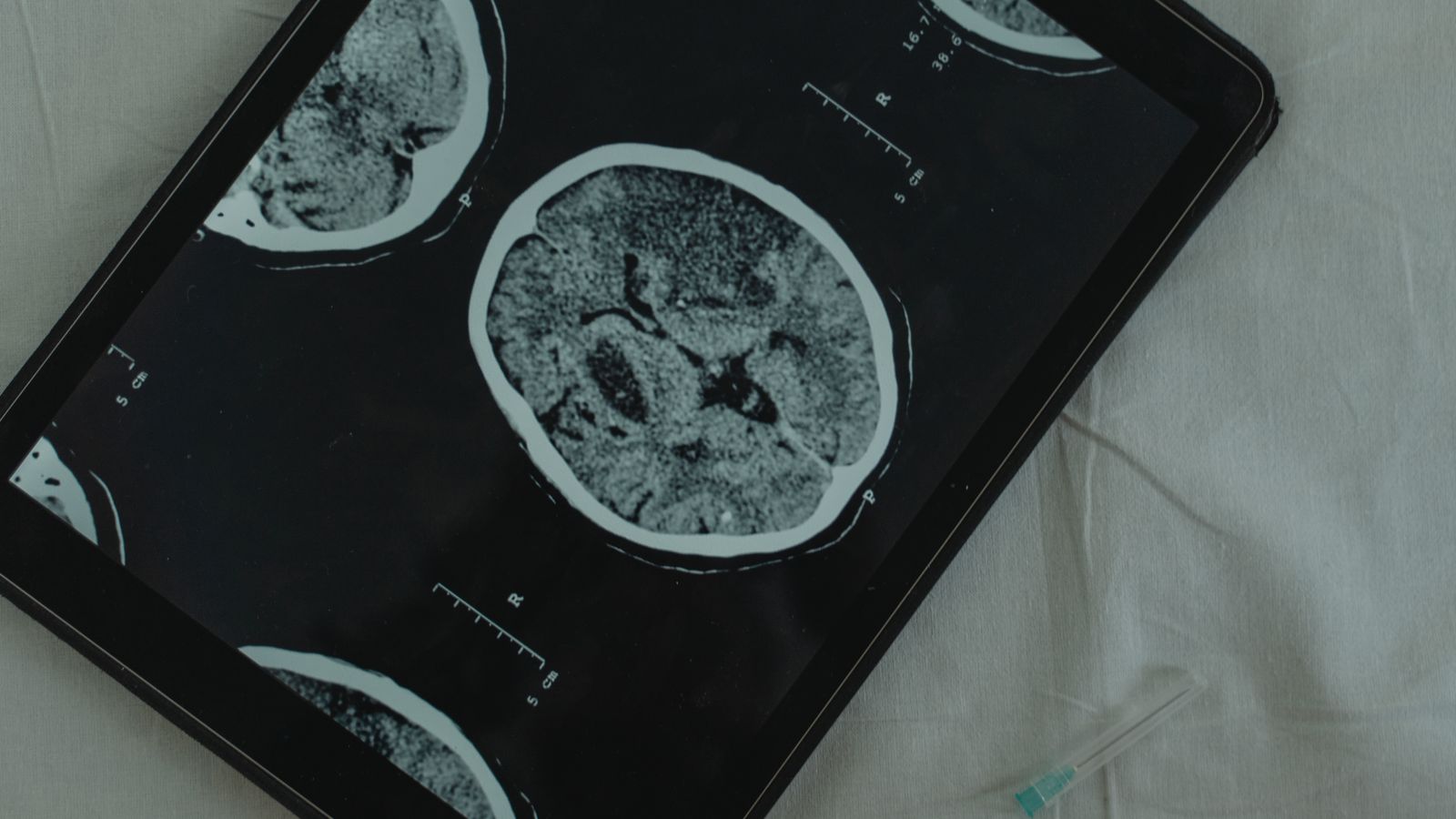
Report Says CBD Study Cut Alzheimer's Damage; Details Unverified
The Marijuana Herald reported a study linking CBD to better memory and less Alzheimer's-related brain damage, but the underlying research hasn't been identified.