Maryland Cannabis Administration Launches Dispensary Inventory Pilot
Maryland's cannabis regulator started a pilot program targeting dispensary inventory, per Outlaw Report, but the operating terms haven't surfaced yet.
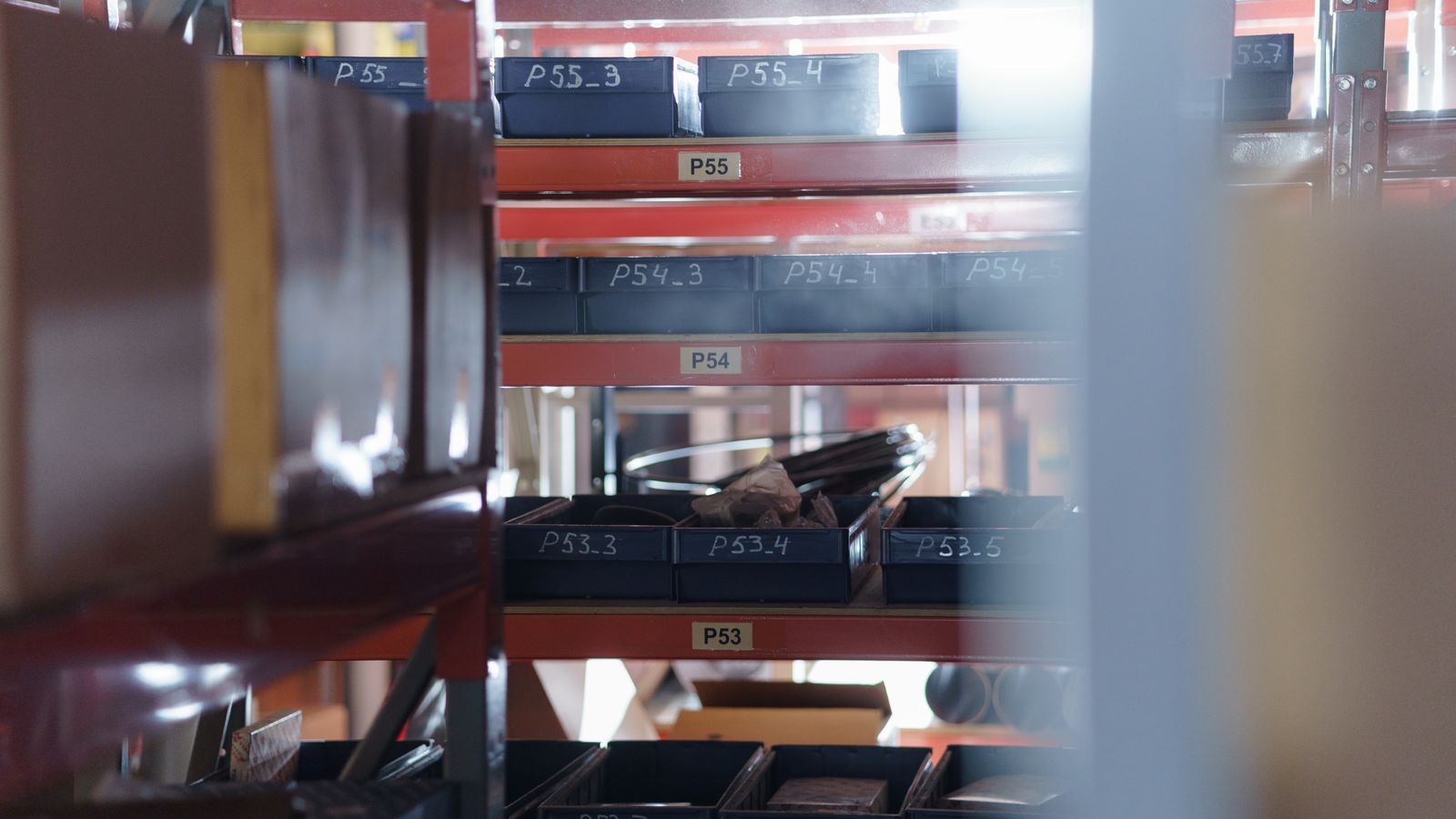
A well-organized warehouse shelving unit with numbered bins for efficient storage and inventory management.
What the Maryland Cannabis Administration launched
The Maryland Cannabis Administration (MCA) started a dispensary inventory pilot, according to an Outlaw Report story dated Oct. 8, 2026.
That headline is the only confirmed detail in hand. CannIntel hasn't reviewed an MCA notice, a participant list or technical specifications for the program.
We won't guess at them. A regulator's pilot lives or dies on its fine print. The fine print isn't public. Not yet.
What's confirmed and what isn't
The existence of the pilot is reported; its scope, duration and participants are not.
Several specific questions decide whether this matters to your store:
- How many dispensaries are in the pilot, and how were they chosen?
- Is participation voluntary or assigned?
- Does the pilot change what licensees report in Metrc, the seed-to-sale system behind Maryland's track-and-trace?
- Do participants get any enforcement relief while the process is tested?
Until the MCA answers those, treat every secondhand summary, including this one, as incomplete.
Why inventory is the pressure point for Maryland dispensaries
Inventory is where compliance, cash and enforcement risk meet on a dispensary's books.
The cleanest read on any inventory initiative is that it targets the gap between what the state's system says is on the shelf and what's physically there. Regulators care about that gap because it's how diversion shows up. Operators care because they pay for it.
Maryland's adult-use sales began on July 1, 2023, and the market has had a few years to build habits, good and bad. Counting errors, rushed receiving and delayed adjustments are routine operational friction in any seed-to-sale regime. Not trivial.
Then there's 280E, the federal tax provision that bars ordinary deductions for plant-touching businesses, which turns inventory accounting into a tax issue too. Cost of goods sold is one of the few levers a dispensary has, so the numbers behind it get scrutinized hard.
What operators should do now
Licensees should audit their own inventory records before the MCA publishes pilot terms, not after.
A pilot is the right instrument for a regulator testing something new. It also means rules may change midstream, and early participants often absorb the costs of that learning curve.
CannIntel's read: the value of a regulatory pilot to operators depends on whether participants get written clarity on how pilot-period discrepancies will be treated.
Practical steps are unglamorous. Reconcile physical counts against system counts now. Document your adjustment reasons. Confirm who on your team has authority to make them. If the MCA's pilot reaches your license, you'll want a clean baseline.
Watch your email, too. Regulators often notify licensees directly before posting broadly.
Where this fits in Maryland's regulatory arc
The pilot is one more sign that the MCA is moving from market launch to operational oversight.
Early-stage programs focus on getting licenses issued and stores open. Mature ones focus on data quality, audit trails and enforcement consistency. An inventory pilot reads as the second phase, though the MCA hasn't framed it that way in anything we've seen.
That's an inference, and a labeled one. For full background on this story, see the CannIntel topic hub on Maryland cannabis regulation, where we track MCA rulemaking, licensing and compliance developments as they're confirmed.
The next signal: the MCA publishing pilot terms, likely through its website or a licensee bulletin. We'll update this story when it does.
Frequently asked questions
What is the Maryland dispensary inventory pilot?
According to an Oct. 8, 2026 Outlaw Report story, the Maryland Cannabis Administration launched a pilot program focused on dispensary inventory. CannIntel has not yet confirmed its scope, participants or requirements from an MCA document.
Does the pilot apply to every Maryland dispensary?
Unknown. The available reporting doesn't say whether participation is voluntary, assigned or statewide. Licensees should watch for direct MCA communications and check the agency's website for official guidance.
Why does dispensary inventory matter to regulators?
Mismatches between recorded and physical inventory can signal errors or diversion. Seed-to-sale tracking exists to close that gap, so regulators treat accurate counts as a core compliance requirement.
How does inventory affect cannabis taxes?
Under federal tax code Section 280E, cannabis businesses generally can't deduct ordinary expenses but can account for cost of goods sold. That makes accurate inventory records financially significant, not just a compliance matter.
Sources
The cannabis newsletter you forward to your team.
Federal policy, market data, grower alerts, and the one story that matters today. Sent every weekday at 7am. Free.
No spam. Unsubscribe with one click. 21+ only.
Related from Laws

Ohio's New Marijuana Rules Raise Less-THC, Higher-Price Question
WSYX asked on Oct. 7 whether Ohio's new marijuana rules leave customers with less THC for more money, putting price per milligram in focus.

Oklahoma Pot Agency Accused of Retaliation Over Gender Pay Gap
Law360 reports an Oklahoma marijuana agency faces a retaliation accusation tied to a gender pay gap; the filing's details are not yet verified.

Federal hemp ban sets Nov. 12 clock for Indiana THC drinks
A federal hemp redefinition caps total THC at 0.4 mg per container on November 12, 2026, threatening the hemp-derived beverages Indiana shoppers now buy.
More from the newsroom

Herb.co Guide Maps Minnesota THC Drinks Ahead of Federal Hemp Cutoff
A consumer guide to Minnesota's THC beverage market lands weeks before a federal hemp redefinition that could upend the category.

Third NJ Cannabis Operator Sues to Overturn Labor Peace Rule
Veteran-owned The Cannabis Place says it can't secure a labor peace agreement and could lose its license, becoming the third New Jersey operator to sue.

Cannabis Place Dispensary Sues NJCRC, UFCW in Federal Court
A New Jersey dispensary took the state's cannabis regulator and the UFCW union to federal court, per Heady NJ, in a case that could test labor peace rules.