Louisiana Joins Multi-State Lawsuit to Block DEA Marijuana Rescheduling
Attorney General Liz Murrill adds Louisiana to coalition challenging federal reclassification from Schedule I to Schedule III.
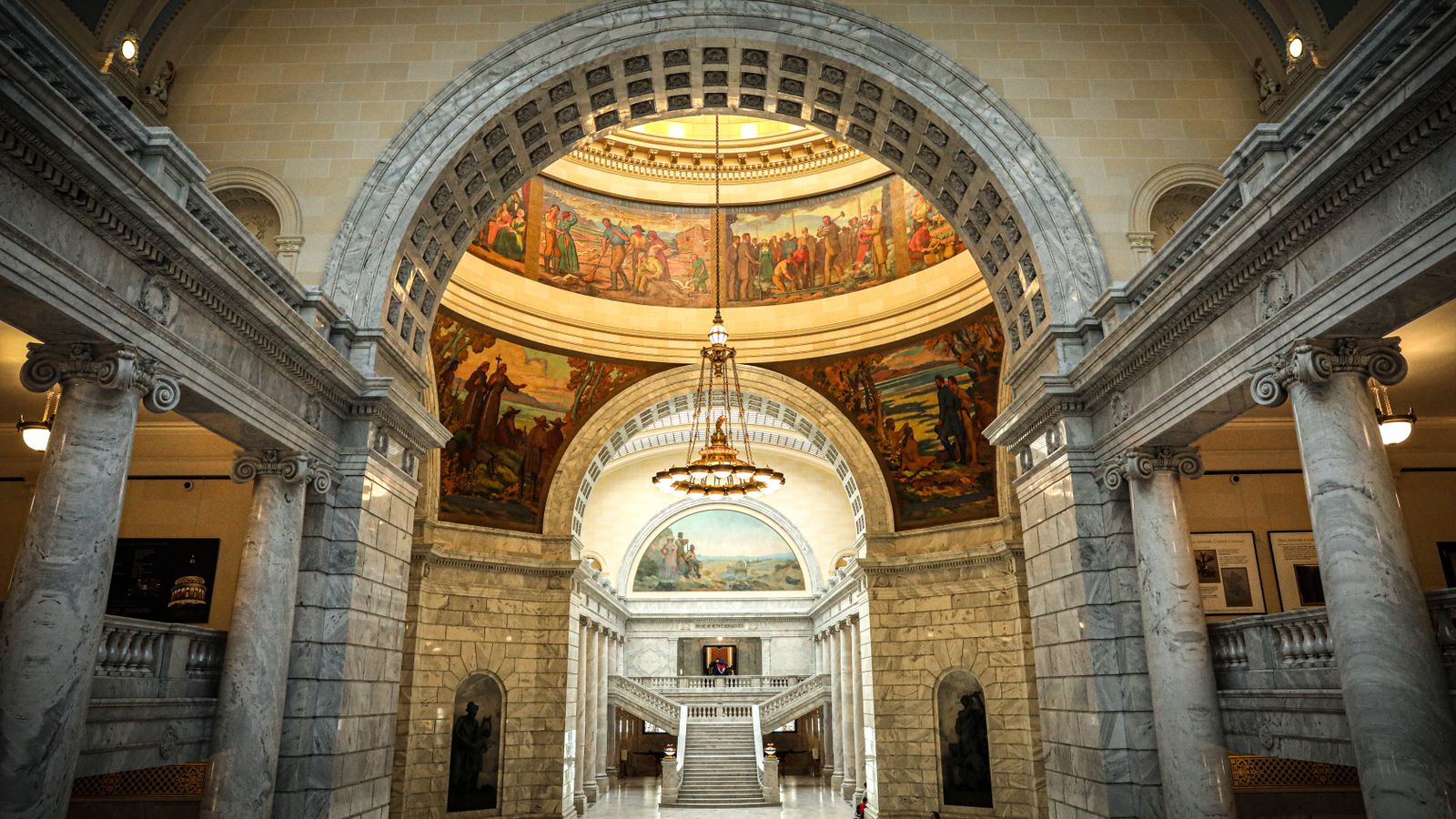
Stunning interior view showcasing marble columns and intricate murals at Utah State Capitol.
Louisiana Joins Multi-State Challenge to Rescheduling Rule
Louisiana became the latest state to formally oppose the DEA's marijuana rescheduling through litigation filed May 28, 2026. Attorney General Liz Murrill's office intervened in an existing lawsuit that seeks to block the Drug Enforcement Administration from moving cannabis to Schedule III. The legal challenge targets the administrative rulemaking process that began in 2023 following a Department of Health and Human Services recommendation.
The complaint argues the DEA failed to satisfy notice-and-comment requirements under the Administrative Procedure Act. It also claims the agency ignored material evidence regarding marijuana's abuse potential. The multi-state coalition contends the reclassification exceeds the agency's statutory authority under 21 U.S.C. § 811.
Tax and Compliance Implications Under Current Schedule I Status
The lawsuit preserves Louisiana's current enforcement framework and maintains federal tax burdens on cannabis operators under IRC § 280E. As long as marijuana remains Schedule I, state-licensed dispensaries and cultivators can't deduct ordinary business expenses on federal returns. That restriction produces effective tax rates exceeding 70 percent for many operators.
Louisiana's medical marijuana program operates under a strict vertical-integration model with nine licensed pharmacies, authorized under La. R.S. 40:1046. Rescheduling to Schedule III would eliminate the 280E restriction, allowing standard business deductions and dramatically reducing federal tax liability. The state's intervention suggests concern that federal liberalization could undermine Louisiana's tightly controlled regulatory structure.
Timeline and Next Steps in Federal Rescheduling Process
The DEA's proposed rescheduling rule remains under administrative review. No final effective date has been set. The agency published a Notice of Proposed Rulemaking in December 2023 and extended the comment period through March 2024 after receiving more than 43,000 public submissions. Legal challenges from both opponents and proponents of rescheduling have created parallel litigation tracks in multiple federal circuits.
For full background on the DEA's rescheduling timeline and multi-state litigation, see the CannIntel topic hub on DEA rescheduling. A consolidated briefing schedule is expected by July 2026 in the D.C. Circuit, where several petitions have been transferred for coordination.
For complete background, history, and our ongoing coverage of this story:
Open the CannIntel topic hub →Frequently asked questions
Why is Louisiana opposing marijuana rescheduling?
Louisiana's intervention preserves the state's tightly controlled medical marijuana framework and maintains federal enforcement leverage. The state operates a vertical-integration model with nine licensed pharmacies under La. R.S. 40:1046, and officials appear concerned that Schedule III status would encourage federal liberalization inconsistent with Louisiana's regulatory approach.
What is the IRC § 280E tax penalty?
Internal Revenue Code Section 280E prohibits businesses trafficking in Schedule I or II controlled substances from deducting ordinary business expenses on federal tax returns. Cannabis operators can deduct only cost of goods sold, resulting in effective tax rates often exceeding 70 percent. Rescheduling to Schedule III would eliminate this restriction.
When will the DEA finalize marijuana rescheduling?
No final rule has been published. The DEA issued a Notice of Proposed Rulemaking in December 2023 and closed the comment period in March 2024 after receiving over 43,000 submissions. Multi-state litigation and administrative review have delayed finalization, with consolidated briefing in the D.C. Circuit expected by July 2026.
Which other states are challenging the rescheduling rule?
The signal does not specify the full coalition roster. Louisiana joined an existing multi-state lawsuit, indicating at least two other states filed the original petition. Prior public reporting has identified several conservative-leaning states as potential challengers, but the complete plaintiff list is not confirmed in this source.
Sources
The cannabis newsletter you forward to your team.
Federal policy, market data, grower alerts, and the one story that matters today. Sent every weekday at 7am. Free.
No spam. Unsubscribe with one click. 21+ only.
Related from Laws

Lawmakers Push IRS for Cannabis Tax Guidance After Rescheduling
Congressional members are calling on the IRS to issue immediate tax guidance for cannabis operators following the DEA's rescheduling decision.

ATF Revises Gun Form 4473, Opening Path for Medical Cannabis Patients
New ATF guidance removes blanket marijuana disqualification from federal firearms background check form.

Curaleaf Loses Challenge to New Jersey Labor-Peace Mandate
Federal court upholds state requirement forcing cannabis operators to sign neutrality pacts with unions.
More from the newsroom

Foley Hoag Outlines Nasdaq, NYSE Listing Path Post-Schedule III Move
Law firm's guidance details compliance steps for cannabis operators seeking U.S. exchange listings after rescheduling.
Multimillion-Dollar Queenbury Cannabis Facility Breaks Ground
A major cultivation and processing project in upstate New York moves forward after years of regulatory delays.

Bloom Cannabis Cites Ohio Hemp Ban as Validation for Licensed Market
Ohio MSO says state's intoxicating-hemp prohibition underscores regulatory advantage of adult-use dispensaries.