Interstate Cannabis Transport Remains Federal Crime Despite State Laws
Federal law criminalizes moving cannabis across state lines even when both origin and destination states have legalized possession.
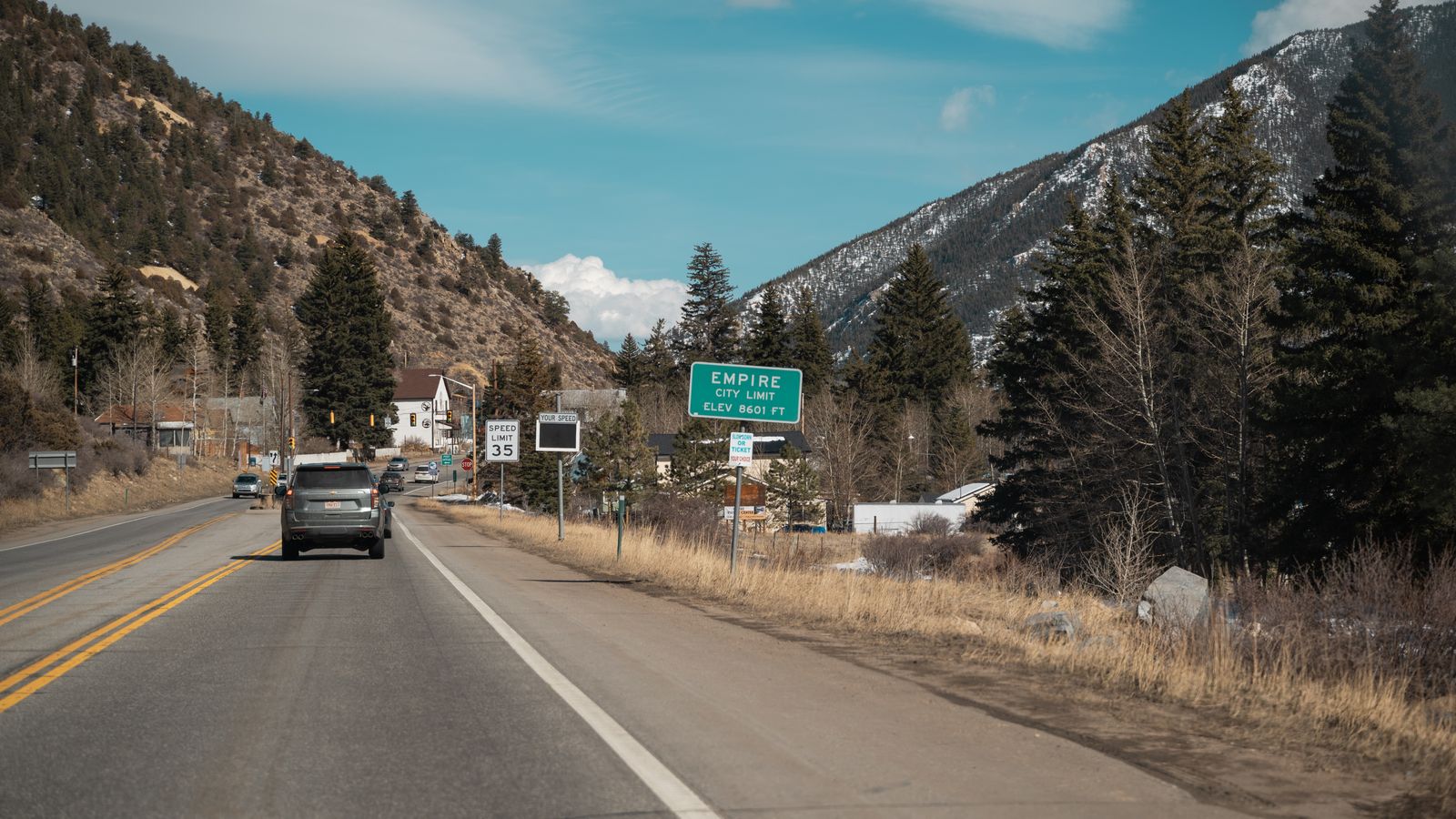
Scenic drive on mountain road towards Empire, Colorado under a clear blue sky.
Federal Supremacy Clause Overrides State Cannabis Laws
The Supremacy Clause of the U.S. Constitution grants federal drug statutes authority over state cannabis regulations when goods cross state boundaries. Under 21 U.S.C. § 841(a)(1), manufacturing, distributing, or possessing with intent to distribute a Schedule I substance is a federal crime carrying penalties of up to five years for a first offense involving less than 50 kilograms. State legalization doesn't create an exception to this statute.
The Commerce Clause empowers Congress to regulate interstate movement of goods. In Gonzales v. Raich (545 U.S. 1, 2005), the Supreme Court affirmed federal authority to prohibit intrastate cannabis cultivation even in states with medical programs, reasoning that local activity substantially affects interstate markets.
Interstate transport presents a clearer federal nexus. No circuit court has recognized a state-law defense to federal interstate drug trafficking charges. The law is unambiguous.
No Safe-Harbor Corridor Between Legal States
Crossing from California to Nevada or from Colorado to New Mexico with cannabis in a vehicle exposes the traveler to federal prosecution even if both states permit adult possession. Federal law enforcement agencies—including DEA, FBI, and U.S. Customs and Border Protection—retain jurisdiction over highways, airports, and border checkpoints.
Prosecutions have been infrequent but not zero. In fiscal year 2025, the DEA reported 47 interstate cannabis trafficking cases in the Ninth Circuit alone, according to DOJ data. Most involved commercial quantities, but personal-use amounts can trigger charges when combined with other factors such as prior convictions or firearms possession.
State Legalization Creates No Interstate Compact
State cannabis laws operate independently; no interstate agreement permits legal cross-border transport. The Constitution's Interstate Compact Clause (Article I, Section 10) requires congressional consent for binding agreements between states. No such compact exists for cannabis.
Some states have explored reciprocity for medical patients. New Hampshire RSA 126-X:2 recognizes out-of-state medical cards for possession within New Hampshire, but it doesn't authorize transport into the state. Rhode Island and Maine have similar one-way recognition provisions. These statutes don't shield travelers from federal liability during transit.
Penalties Hinge on Quantity and Prior Record
Federal sentencing guidelines assign base offense levels based on drug quantity: 28 grams to 1 kilogram of cannabis flower triggers a base level 8 under U.S.S.G. § 2D1.1. A first-time offender with no aggravating factors faces zero to six months under the guidelines, though statutory maximums allow up to five years.
Repeat offenders face enhanced penalties. A second felony drug conviction under 21 U.S.C. § 841(b)(1)(D) doubles the maximum to ten years. Possession of a firearm during transport invokes 18 U.S.C. § 924(c), adding a mandatory consecutive five-year term.
Asset forfeiture is routine. Under 21 U.S.C. § 881(a)(4), any vehicle used to transport or facilitate transport of a controlled substance is subject to civil forfeiture, even if no criminal charges are filed. Your car is at risk.
Rescheduling to Schedule III Doesn't Resolve Interstate Ban
If DEA finalizes the pending rescheduling of cannabis to Schedule III under 21 CFR Part 1308, interstate transport without a federal license will remain illegal. Schedule III substances—including anabolic steroids and ketamine—require DEA registration for manufacturing, distribution, and interstate shipment under 21 U.S.C. § 822.
State-licensed dispensaries and cultivators don't hold federal DEA registrations. The Rohrabacher-Farr amendment (consolidated in annual appropriations riders) prohibits DOJ from using funds to prosecute state-compliant medical programs, but it doesn't authorize interstate commerce. Rescheduling shifts cannabis from outright prohibition to a controlled-distribution framework that still criminalizes unlicensed interstate movement—a distinction without practical difference for most travelers.
Congressional Action Required for Legal Interstate Commerce
Only federal legislation can authorize interstate cannabis transport; administrative rescheduling is insufficient. The STATES Act, introduced in the 118th Congress but not enacted, proposed amending the CSA to exempt state-compliant cannabis activity from federal enforcement. The bill didn't advance past committee.
The SAFE Banking Act and its successors focus on financial services, not interstate commerce. No pending bill in the 119th Congress directly addresses cross-border transport. Industry groups including the National Cannabis Industry Association have called for a federal framework modeled on alcohol distribution under the 21st Amendment, but no legislative text has been introduced. Congress hasn't acted.
Practical Risk Mitigation for Travelers
Attorneys advise against transporting cannabis across state lines under any circumstance, regardless of state legalization status. The legal risk is binary: federal law applies the moment a state boundary is crossed.
For patients relying on specific strains or formulations, the safest approach is to purchase within the destination state if that state permits sales. Medical reciprocity doesn't extend to transport. Travelers should carry no cannabis products in checked luggage, carry-on bags, or vehicles when crossing state lines. TSA is a federal agency; its officers are required to report suspected violations to law enforcement even in states where possession is legal.
For a full analysis of federal-state conflicts in cannabis regulation, see the CannIntel topic hub on interstate cannabis transport.
Frequently asked questions
Can I drive cannabis from Colorado to New Mexico if both states are legal?
No. Federal law under 21 U.S.C. § 841 prohibits interstate transport of Schedule I controlled substances. State legalization does not create a federal exemption. Crossing the state line exposes you to federal prosecution and vehicle forfeiture.
Does rescheduling cannabis to Schedule III make interstate transport legal?
No. Schedule III substances require DEA registration for interstate distribution under 21 U.S.C. § 822. State-licensed operators do not hold federal registrations. Rescheduling shifts the legal framework but does not authorize unlicensed cross-border movement.
What penalties apply for interstate cannabis transport?
First-time offenders face up to five years under 21 U.S.C. § 841(b)(1)(D) for less than 50 kilograms. Sentencing guidelines yield zero to six months for small amounts with no aggravating factors. Vehicles used in transport are subject to civil forfeiture under 21 U.S.C. § 881.
Do medical cannabis patients have any federal protection when traveling?
No. The Rohrabacher-Farr amendment bars DOJ from prosecuting state-compliant medical programs but does not authorize interstate transport. Medical cards confer no federal immunity. Patients should purchase within the destination state if legal there.
Has anyone been prosecuted for personal-use interstate cannabis transport?
Yes. DEA reported 47 interstate trafficking cases in the Ninth Circuit in fiscal 2025. Most involved commercial quantities, but personal amounts can trigger charges when combined with prior convictions, firearms, or other aggravating factors.
Sources
The cannabis newsletter you forward to your team.
Federal policy, market data, grower alerts, and the one story that matters today. Sent every weekday at 7am. Free.
No spam. Unsubscribe with one click. 21+ only.
Related from Laws

Federal Court Upholds Reinstatement of NJ Worker Fired for Cannabis Test
Third Circuit ruling affirms state employment protections for off-duty marijuana use under New Jersey Cannabis Regulatory Act.
Michigan GOP Candidate John James Backs Repealing 24% Cannabis Wholesale Tax
James opposes the January 2026 tax hike passed under Whitmer's bipartisan road-funding deal.

Ohio SB 56 enforcement targets hemp operators while dispensaries face lighter rules
Hemp retailers report aggressive inspections and closures under new statute while marijuana dispensaries operate under less stringent oversight.
More from the newsroom

New York Cannabis Retail Wages Outpace State Average by 25%
FTI Consulting survey finds dispensary workers earn $25.87/hour versus $20.47 for traditional retail.
Cambridge and Somerville Cannabis Operators Call Question 8 'Doomsday'
Local dispensary owners warn Massachusetts ballot measure could force closures and eliminate jobs across the metro market.

10% of U.S. Seniors Used Cannabis in Past Day, NIDA Study Finds
Federally funded research documents historic shift in older-adult consumption patterns as medical access expands.