Op-Ed Targets Idaho Ballot Measure That Would Block Marijuana Votes
Marijuana Moment published an Oct. 13 op-ed calling Idaho's ballot measure anti-democratic. The measure's reach, including any effect on hemp and THCA rules, is still unclear.
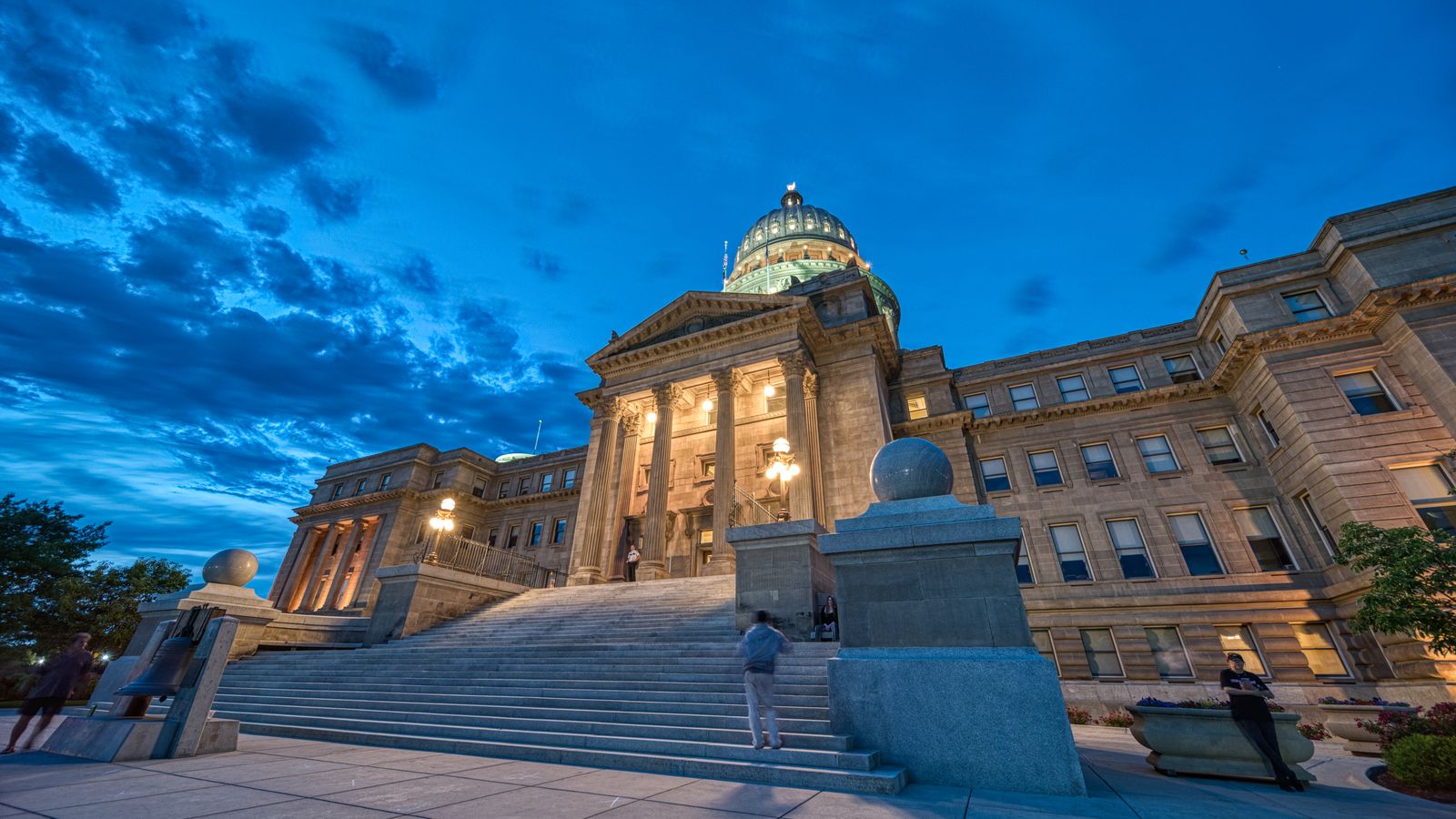
Exterior of historic classic palace with dome and decorative pillars near spacious staircase at dark peaceful night
What the op-ed says, and what we can't yet confirm
Marijuana Moment's Oct. 13 op-ed frames the Idaho measure as a democracy problem first and a drug-policy problem second.
That framing comes from the headline: the measure would "block voters from legalizing marijuana." The signal CannIntel received contains only that headline, the publication date and the outlet. It doesn't include the author's name, the full text, the ballot language or the measure's official designation.
So we're not going to characterize the op-ed's specific arguments. We also haven't independently verified how the measure is written, who sponsored it, or what vote it needs to pass. Those are the facts that matter most. They should be pulled from the ballot text and the Idaho Secretary of State before anyone treats this as settled.
The op-ed's core point, as its headline presents it, is that the measure takes a decision away from the electorate rather than letting voters make it.
An op-ed is an argument, not a finding. Still, the placement matters. Marijuana Moment is the most-read daily outlet in cannabis policy, and an opinion piece that leads with "anti-democracy" suggests the process fight is now the main event in Idaho.
Why the process question matters to operators and patients
If the measure does what the headline describes, it would shift legalization from a ballot-box question to a statehouse question.
That changes the lobbying map. A citizen campaign needs signatures and money for a statewide vote. A legislative-only path needs committee chairs and leadership. Different game, different budget.
Idaho borders Oregon, Washington, Nevada and Montana, all of which have adult-use markets. Idaho doesn't. Whatever its text says, a measure that closes the voter route would lock in that mismatch for as long as lawmakers choose, and investors pricing in a regional domino effect would have to reprice.
For patients, the stakes are plainer. No voter pathway means no near-term relief unless legislators act on their own. This isn't a surprise move for a state with Idaho's track record on cannabis, but the democratic-process objection gives opponents a message that doesn't depend on whether you like marijuana.
The hemp wrinkle: who writes the definitions
Any shift in who controls cannabis policy in Idaho also shifts who defines THC, and that definition is where the hemp fight lives.
The federal hemp line is 0.3% delta-9 THC by dry weight, set in the 2018 Farm Bill. Whether THCA counts toward that line is the unresolved question. THCA is non-intoxicating until heat triggers decarboxylation, which converts it to delta-9 THC at a mass ratio of roughly 0.877. A "total THC" standard adds THCA (times that factor) to delta-9. A "delta-9 only" standard ignores the THCA entirely.
That gap is the loophole. A flower can test under 0.3% delta-9 and still deliver a marijuana-grade dose once someone lights it.
Whether the Idaho measure touches hemp, THCA or any cannabinoid beyond marijuana isn't stated in the signal. We don't know. If the measure is narrowly about marijuana legalization by voters, hemp rules would stay with the legislature and the state's agriculture regulators, as they are today. If it's broader, the answer changes.
For the full timeline and ballot text as they're confirmed, see the CannIntel topic hub on the Idaho marijuana ballot measure.
Hemp operators should watch the definitions, not the headlines. Which standard a state adopts, delta-9 or total THC, determines whether a THCA product is legal hemp or controlled marijuana. Enforcement on that line already varies by jurisdiction, and this is unsettled in Idaho until the measure's text is read against the state's hemp statute.
For complete background, history, and our ongoing coverage of this story:
Open the CannIntel topic hub →Sources
The cannabis newsletter you forward to your team.
Federal policy, market data, grower alerts, and the one story that matters today. Sent every weekday at 7am. Free.
No spam. Unsubscribe with one click. 21+ only.
Related from Laws
Massachusetts Question 8 sets Nov. 3 vote on ending adult-use sales
Boston 25 News explainer confirms voters will decide whether to eliminate recreational marijuana sales, putting a licensed market that opened in 2018 on the ballot.

Rescheduling Opponents File Final Reply; DEA Judge Is Next
Opponents of moving marijuana to Schedule III filed their last reply under an expedited deadline, putting the record before a DEA administrative law judge.
Victoria Budget Analysis Finds A$1.37B Gain From Legalization
A budget analysis reported Thursday puts the ten-year gain from legalizing marijuana in Victoria at A$1.37 billion, but key assumptions remain unpublished.
More from the newsroom
Talking Joints Memo flags Vivek, Question 8 signature gatherers
A newsletter headline ties 'Vivek' to Question 8 petition circulators, but the underlying text isn't available, so the measure and the claim stay unverified.

Talking Joints Memo Updates List of Officials Opposing Question 8
The running tally of Massachusetts public officials against Question 8 grew again on Oct. 22, with Election Day on Nov. 3 and a federal hemp deadline nine days later.

DEA Opposes Reopening Marijuana Rescheduling Hearing in Filing
The DEA told a judge a discovery request to reopen the marijuana rescheduling hearing is a 'fishing expedition,' pushing a procedural fight over Schedule III into view.