Idaho Freedom Foundation makes case for HJR 4 drug amendment
The conservative Boise think tank published an Oct. 6 argument for House Joint Resolution 4, a proposed Idaho constitutional amendment on drugs.

Low angle of aged building facade with shiny lights and staircase near pavement under sky in twilight
Idaho Freedom Foundation calls HJR 4 'appropriate and necessary'
The Idaho Freedom Foundation published an argument Oct. 6 urging passage of House Joint Resolution 4, a proposed amendment to the Idaho Constitution on drug policy.
The piece, titled "Why House Joint Resolution 4, Amending the State Constitution on Drugs, is Appropriate and Necessary," appeared on the group's site and was picked up by Google News the same day. It's an advocacy piece, not a government document.
That distinction matters. The Foundation is a Boise-based conservative policy group, and its case for the resolution is a position, not a ruling, a vote tally or a fiscal note.
The signal CannIntel reviewed doesn't include the resolution's full text, its sponsors or any committee vote counts. We aren't going to guess at them. Readers should check the resolution page on the Idaho Legislature's website for the official record.
How a constitutional amendment reaches Idaho voters
Under Article XX of the Idaho Constitution, a joint resolution needs a two-thirds vote in both the House and Senate before voters see it.
The sequence is plain. A joint resolution is introduced and sent to committee. If it clears committee, it goes to the floor of each chamber. If it gets two-thirds in both, it's placed on the next general election ballot, where a simple majority of voters decides.
Idaho's governor has no veto over that step. Joint resolutions proposing amendments go straight to voters.
The next general election is Nov. 3, 2026. If HJR 4 cleared the Legislature, that's the ballot it would appear on. CannIntel hasn't independently confirmed the resolution's ballot status from the signal alone.
Why the constitutional route matters for cannabis
A constitutional provision on drugs would sit above ordinary statute, which changes the math for any future legalization campaign.
Idaho is surrounded by legal markets. Washington, Oregon and Montana all allow adult-use sales, and Utah runs a medical program. Idaho has neither. Cannabis remains illegal there, and lawmakers have repeatedly rejected medical proposals.
Voters in Idaho can propose statutes by initiative, a route they used in 2018 to expand Medicaid through Proposition 2, but the process covers statutes, not constitutional amendments. So the Legislature alone controls what goes into the constitution.
That's the strategic point. Constitutional language can only be altered through the same two-thirds-plus-voter process, and a statutory initiative can't override it. Whatever HJR 4 says, the venue is the story.
Operators in neighboring states should read it that way too. Multi-state operators with no Idaho footprint aren't directly affected, but border-state retailers in Washington, Oregon and Montana do draw Idaho customers.
What to watch and what we don't know yet
The open questions are the resolution's exact text, its legislative record and whether it is on the Nov. 3 ballot.
Here's what CannIntel is tracking:
- The official text of HJR 4 and any amendments adopted in committee or on the floor.
- The House and Senate roll-call votes, which must each reach two-thirds.
- Whether the Idaho Secretary of State lists the measure on the November ballot.
- Any ballot-title or ballot-language disputes, which often decide how voters read a measure.
- Responses from cannabis reform groups and medical-use advocates in Idaho.
The Foundation's piece tells us how supporters want the measure framed. It doesn't tell us how voters will read it. Ballot language and turnout will matter more than any think-tank essay, and that's hard to argue with.
For full background on this story, see the CannIntel topic hub on Idaho HJR 4 and the drug legalization constitutional amendment.
The next signal: the Idaho Secretary of State's final ballot certification ahead of the Nov. 3 election. CannIntel will update this report once the resolution's text and vote record are confirmed from primary sources.
Sources
The cannabis newsletter you forward to your team.
Federal policy, market data, grower alerts, and the one story that matters today. Sent every weekday at 7am. Free.
No spam. Unsubscribe with one click. 21+ only.
Related from Laws

Talking Joints Memo Revisits Portugal's 25 Years of Decriminalization
A 25-year retrospective on Portugal's 2001 drug law lands weeks before the US federal hemp redefinition, sharpening the gap between decriminalization and regulation.
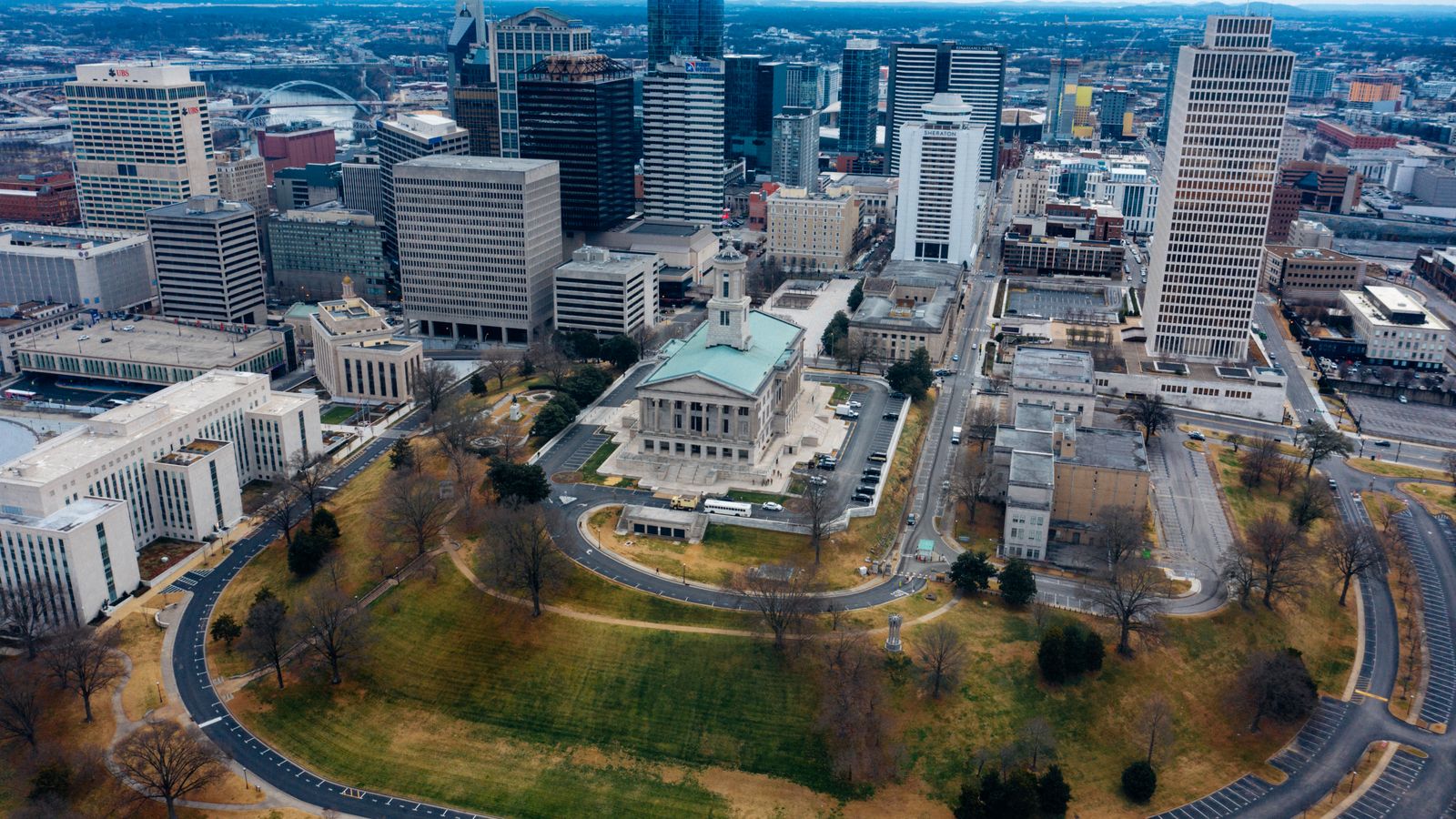
Tennessee lawmakers weigh medical marijuana framework, AOL reports
Tennessee legislators are discussing the structure of a possible medical marijuana program, though public details on a bill, sponsor or vote remain thin.

Tennessee Lawmakers Open Medical Marijuana Hearings as TBI Pushes Back
Legislators began medical marijuana hearings, and a Tennessee Bureau of Investigation representative opened the record by calling the plant a 'dangerous drug.'
More from the newsroom

Survey Names Age Group Most Likely to Drive After Cannabis Use
FOX 9 Minneapolis-St. Paul reported new survey data on which age range drives after cannabis use, putting impaired-driving enforcement back in front of regulators.

Feature Flags Shelf-Life Testing Gap in THC Beverages
A testing expert says a production-day certificate of analysis doesn't guarantee the dose consumers get months later, sharpening the case for shared lab standards.

St. Louis jury awards $10M in Missouri cannabis ownership fight
A St. Louis jury put a $10 million price on a sprawling Missouri cannabis ownership dispute, and the full record is still thin.