Hawaii Officials Defend Hemp Crackdown in Court Filing
State argues unregulated hemp products pose public health risk in motion to dismiss industry challenge.

Neoclassical architecture of Utah State Capitol dome at twilight, Salt Lake City, USA.
State Cites Testing Gap as Legal Justification
Hawaii's defense centers on a testing disparity: hemp products sold at retail avoid the laboratory screening mandated for medical marijuana. According to court filings, state officials argue that hemp-derived edibles and pre-rolls enter commerce without potency verification, pesticide panels, or microbial testing—standards the Department of Health enforces for licensed dispensaries.
The motion responds to a complaint brought by hemp retailers and manufacturers after the state issued emergency rules in July 2026 effectively banning the sale of intoxicating hemp products statewide. The emergency order classified products containing delta-8 THC, delta-10 THC, and other semi-synthetic cannabinoids as controlled substances. It shuttered a retail channel that had operated in a regulatory gray zone since the 2018 Farm Bill federally legalized hemp.
"There are products that have not been subject to the same rigorous testing that the medical marijuana requires," a state official said in a statement accompanying the filing.
Retail Impact: Empty Shelves, Lost Revenue
Hemp retailers report immediate revenue loss following the July order. Blake Birdwell, a customer at Oʻahu Dispensary and Provisions in Waikīkī, represents a common scenario: walk-in traffic seeking pre-rolls or edibles now leaves empty-handed. Store managers confirm the products were pulled from inventory within days of the emergency rule taking effect.
A coalition of hemp businesses filed the lawsuit. They argue the crackdown violates due process and exceeds the Department of Health's statutory authority. Plaintiffs contend the state failed to provide notice-and-comment rulemaking and that the emergency classification lacks a factual basis. For full background on this story, see the CannIntel topic hub on Hawaii's hemp crackdown.
Legal Timeline and Next Steps
The motion to dismiss was filed August 15, 2026, in Hawaii state court. No hearing date yet. If the court denies the motion, discovery would proceed into fall 2026, with depositions likely targeting Department of Health rulemaking records and internal risk assessments.
Industry attorneys have signaled they'll seek a preliminary injunction to restore sales pending trial. The state hasn't indicated whether it will oppose expedited briefing.
Broader Policy Context
Hawaii joins at least 14 states that have restricted or banned intoxicating hemp products since 2024. The enforcement wave follows a 2023 USDA clarification that the Farm Bill's THC limit applies to delta-9 THC only, leaving semi-synthetic analogs in a federal compliance gap. States including Oregon, Colorado, and Minnesota have enacted testing and labeling rules; Hawaii opted for an outright prohibition.
The state's testing argument mirrors the rationale used in Oregon's 2025 hemp rules, which imposed lab-testing requirements identical to those for adult-use cannabis.
Hawaii doesn't permit adult-use cannabis sales. The state's medical marijuana program, launched in 2017, serves approximately 35,000 registered patients through eight licensed dispensaries.
Frequently asked questions
What hemp products did Hawaii ban?
Hawaii's July 2026 emergency rule classified delta-8 THC, delta-10 THC, and other semi-synthetic cannabinoids as controlled substances, effectively banning their sale. Pre-rolled hemp cigarettes and hemp-derived edibles were pulled from retail shelves statewide.
What is the state's legal defense?
Hawaii officials argue that hemp products lack the laboratory testing—potency verification, pesticide screening, microbial panels—required for medical marijuana, posing unquantified public health risks. The state filed a motion to dismiss the industry lawsuit on these grounds.
When will the court rule on the motion?
No hearing date has been set as of August 16, 2026. If the motion is denied, discovery would extend into fall 2026. Industry plaintiffs may file for a preliminary injunction to restore sales pending trial.
How many states have restricted intoxicating hemp?
At least 14 states have enacted bans or testing requirements for intoxicating hemp products since 2024, following a 2023 USDA clarification that the Farm Bill's THC limit applies only to delta-9 THC.
Sources
The cannabis newsletter you forward to your team.
Federal policy, market data, grower alerts, and the one story that matters today. Sent every weekday at 7am. Free.
No spam. Unsubscribe with one click. 21+ only.
Related from Laws
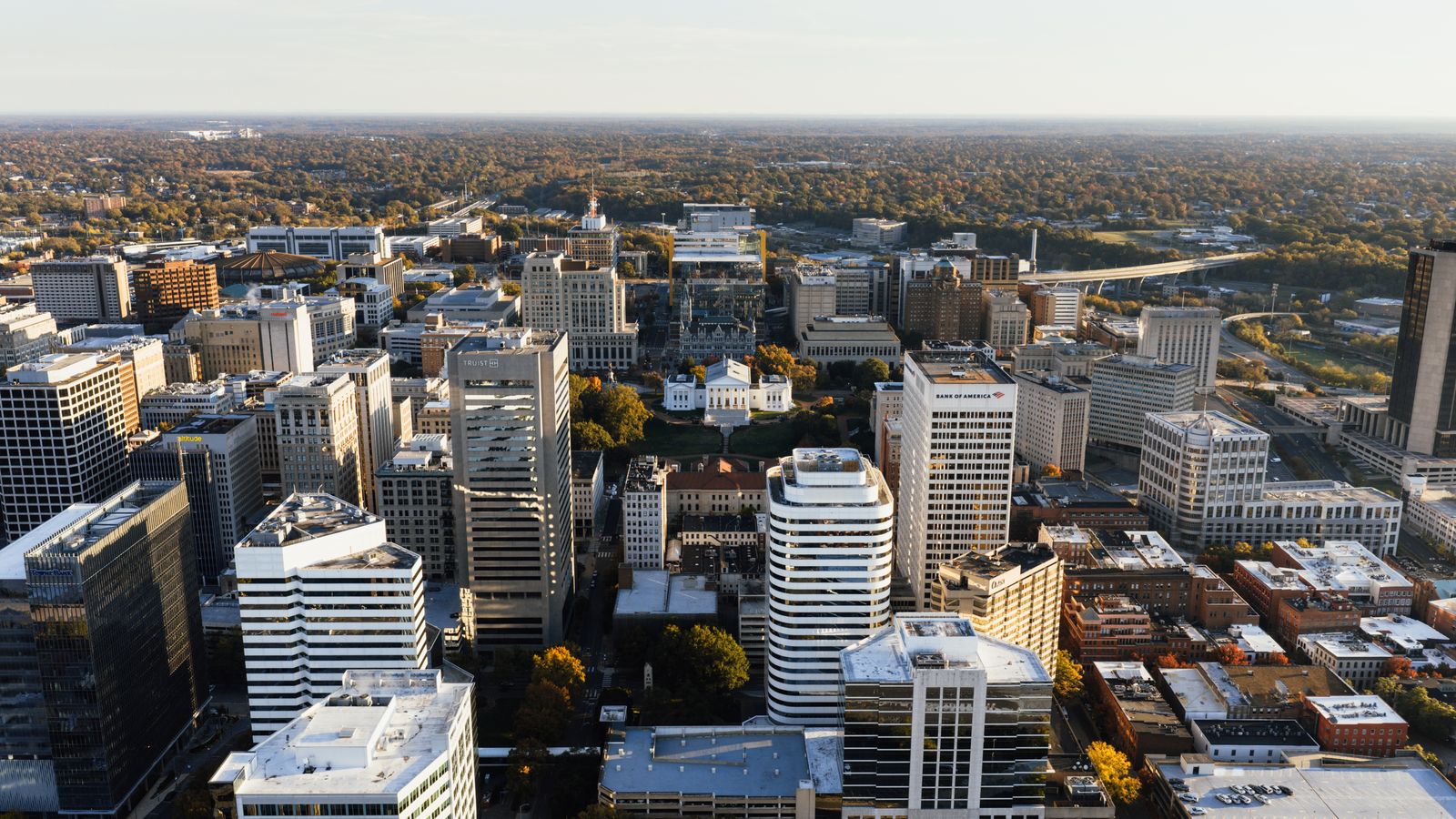
Virginia Hemp Restrictions Take Effect After Judge Declines to Block Law
A federal judge declined to issue a preliminary injunction against Virginia's new hemp regulations, allowing restrictions on intoxicating hemp products to take effect August 16, 2026.

Liberal Democrats Call for Cannabis Referendum in Australia
Berwick-area advocates push for public vote on adult-use legalization as federal reform stalls.

Texas THC retailers scramble to comply with new statewide ban
Shops across Texas are pulling hemp-derived THC products from shelves as the state's new prohibition takes effect.
More from the newsroom

American MSOs Eye Europe as U.S. Market Matures—Regulatory Gap Widens
Major U.S. cannabis operators are signaling European expansion plans, but fractured national frameworks and licensing bottlenecks threaten to stall cross-border capital.

Curaleaf Files to Acquire Aurora Cannabis for $272 Million
The all-stock deal marks the first cross-border MSO-LP merger since U.S. rescheduling proceedings began.

Air India Pilot Tests Positive for Cannabis After Fatal Crash
Post-mortem toxicology reveals THC but cannot determine impairment at time of incident that killed 191 passengers.