Ghana Government Weighs Approval of Industrial Hemp Production
Regulatory framework under review as West African nation considers entry into global hemp market.
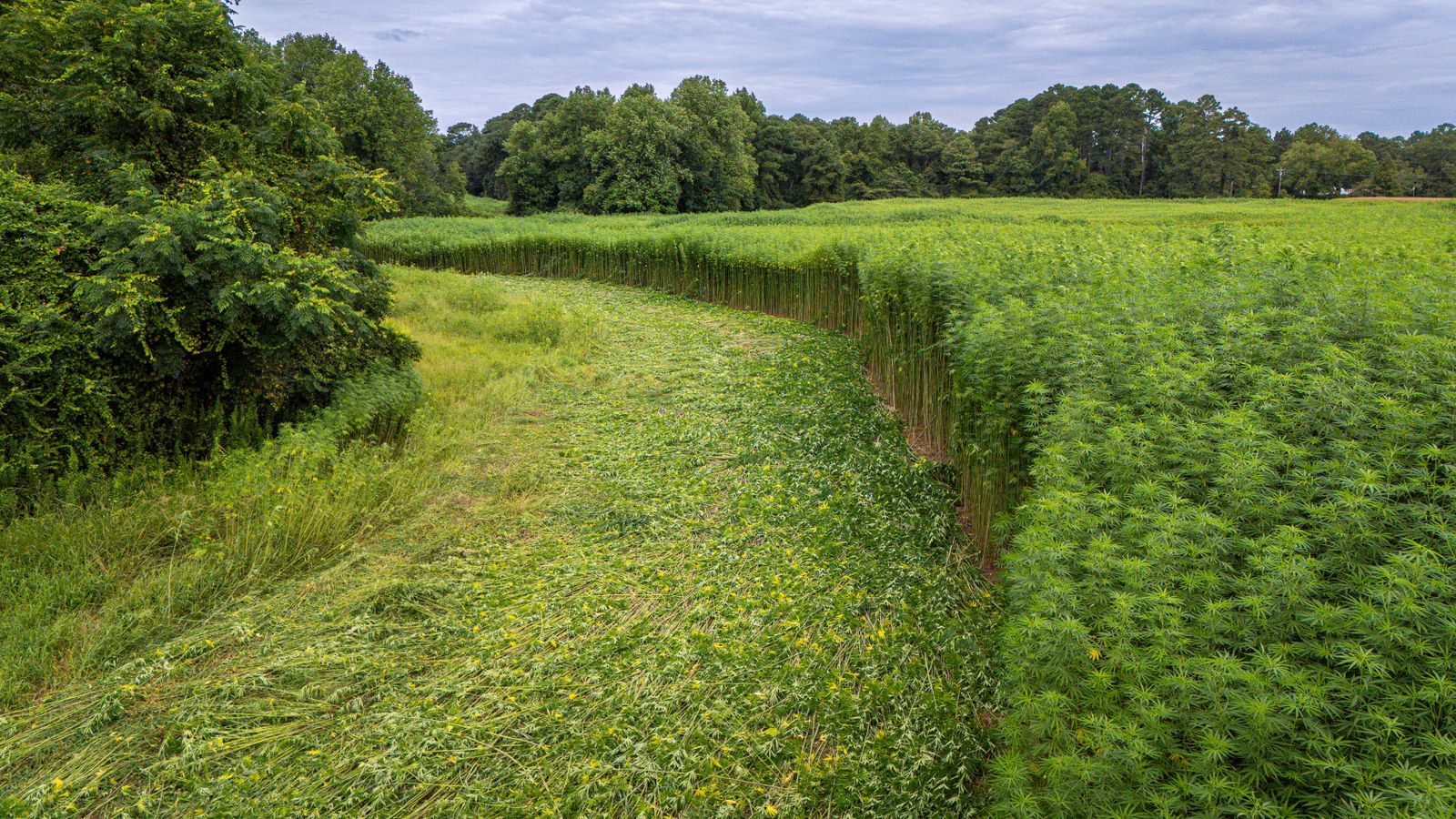
Expansive view of a hemp field bordered by dense trees under a cloudy sky.
Regulatory Review Signals Policy Shift
Ghana is conducting a formal review of industrial hemp legalization, marking the country's first serious consideration of cannabis-adjacent agriculture policy. The evaluation comes as neighboring African nations including Uganda, Zimbabwe, and Lesotho have already established legal hemp frameworks and begun exporting fiber, seed, and CBD extracts to European and North American markets.
The timing is economic. Ghana's cocoa-dependent agricultural sector has faced declining global prices, and hemp offers a high-value rotation crop with established export demand. Industrial hemp cultivation for fiber and seed is legal in over 50 countries. The global market is projected to reach $18.6 billion by 2027 according to Grand View Research.
What Industrial Hemp Approval Would Enable
A legal framework would allow Ghanaian farmers to cultivate hemp varieties containing less than 0.3% THC for fiber, seed, and CBD extraction. Industrial hemp is used in textiles, construction materials, bioplastics, animal feed, and wellness products. Unlike high-THC cannabis, hemp doesn't produce intoxicating effects and is regulated separately in most jurisdictions.
Ghana's climate and agricultural infrastructure could support year-round hemp cultivation, giving the country a competitive advantage over temperate-zone producers limited to single growing seasons.
The regulatory approval process typically involves establishing THC testing protocols, licensing frameworks for growers and processors, and export compliance with international conventions. South Africa's 2023 hemp regulations took 18 months to finalize and serve as a regional template.
Regional Context and Trade Implications
Ghana would join at least seven African nations with active industrial hemp programs, creating potential for regional trade and processing hubs. Lesotho, which legalized hemp in 2020, now exports over $50 million annually in hemp-derived products to Europe. Zimbabwe issued its first hemp cultivation licenses in 2021. Since then it's attracted $30 million in foreign investment for processing facilities.
The African Continental Free Trade Area (AfCFTA), which Ghana ratified in 2020, would allow tariff-free movement of hemp products across member states. That trade framework makes Ghana's decision relevant beyond its borders. Approval could accelerate hemp adoption across West Africa's 15-nation ECOWAS bloc.
What to Watch
The government hasn't announced a timeline for completing its review or publishing draft regulations. Stakeholders will be watching for three signals: whether the Ministry of Food and Agriculture issues a formal policy statement, whether Parliament introduces enabling legislation, and whether the government opens a public comment period on proposed rules.
For full background on this story, see the CannIntel topic hub on Ghana Industrial Hemp Legalization. The next milestone will be any official statement from the Ministry of Food and Agriculture or the Narcotics Control Commission, which would indicate whether this review advances to the legislative stage.
Sources
The cannabis newsletter you forward to your team.
Federal policy, market data, grower alerts, and the one story that matters today. Sent every weekday at 7am. Free.
No spam. Unsubscribe with one click. 21+ only.
Related from Laws

Pennsylvania passes $50.8B budget, omits marijuana legalization
The state legislature finalized spending without adult-use cannabis language, shelving revenue projections cited by legalization advocates.

NDLEA Seizes N10.3 Billion in Canadian Cannabis, Arrests Lagos Courier
Nigeria's drug agency intercepted high-grade imported cannabis and methamphetamine in coordinated Lagos operations this week.

DEA Blocks Medical Marijuana Patient From Rescheduling Hearing
The agency denied a petition for a chronic pain patient to testify at the December administrative hearing.
More from the newsroom
Missouri Cannabis Workers Notch Union Wins as Organizing Spreads
Multiple Missouri dispensaries and cultivation sites have voted to unionize in recent weeks, accelerating labor organizing across the state's adult-use market.

Nepal Urged to Document Cannabis Landraces Before Policy Shift
Opinion piece calls for genetic preservation effort as government weighs legalization framework.

Nauni University Launches Cannabis Research Lab for Himachal Pradesh
The new facility will support the state's Green to Gold initiative by studying industrial hemp cultivation and cannabinoid extraction.