Nepal's Gandaki Province Passes Hemp Cultivation Bill for Medical Use
Provincial legislature advances framework for licensed industrial and medicinal hemp farming.
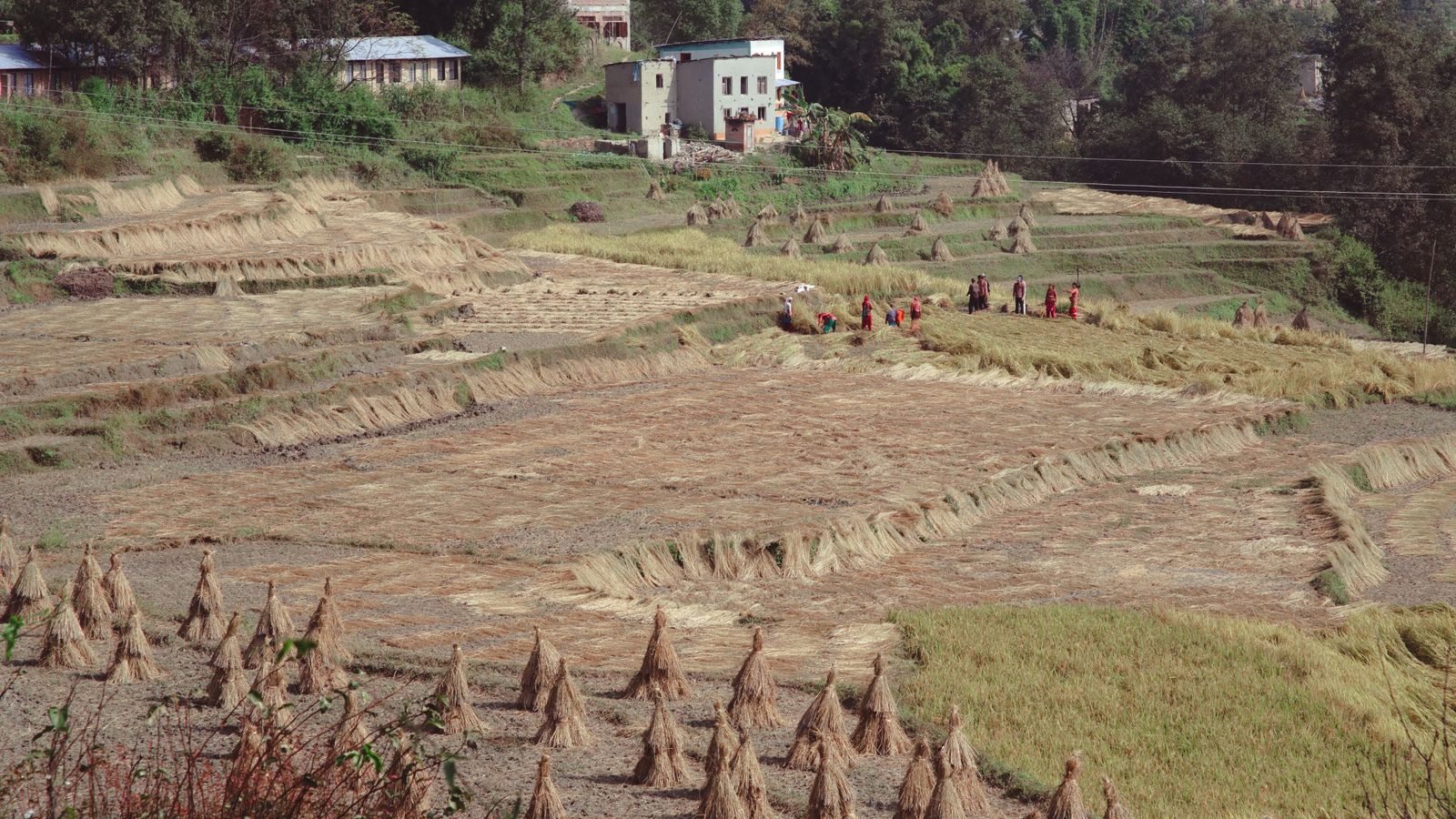
A scenic aerial view of terraced rice fields with farmers at work in Nepal, showcasing traditional agriculture.
Provincial Legislature Approves Hemp Framework
Gandaki Province became the first Nepali province to pass hemp-specific cultivation legislation, advancing a bill through its provincial assembly on August 15. The measure creates a licensing system for farmers and processors seeking to grow low-THC cannabis for fiber, seed oil, and medical extracts. Nepal's federal cannabis prohibition remains in place, but the 2015 constitution grants provinces authority over agricultural policy within their borders.
The bill doesn't specify a THC ceiling. That detail gets punted to forthcoming regulations from Gandaki's agriculture ministry. Provincial officials indicated the framework would align with international hemp standards—typically 0.3% delta-9 THC by dry weight—but no formal threshold has been published. Enforcement will fall to district agricultural offices, which will issue annual cultivation permits and conduct field inspections.
Medicinal and Industrial Use Cases Targeted
The legislation prioritizes two markets: industrial fiber for textiles and construction, and medicinal extracts for domestic pharmaceutical companies. Gandaki's mid-hill climate supports Cannabis sativa cultivation, and the province has historically grown wild hemp (locally called ganja or bhang) for rope and religious use. The new framework formalizes that cottage industry under a permitting regime.
Key provisions include:
- Mandatory seed certification from government-approved strains
- Prohibition on flower sales for recreational use
- Tracking requirements from seed to processor
- Export permits required for cross-border trade
The bill doesn't address THCA or delta-8 analogs—it focuses exclusively on total THC content in harvested material. That leaves open questions about decarboxylation during processing and whether post-harvest conversion would trigger compliance violations.
Federal Conflict and Enforcement Uncertainty
Nepal's 1976 Narcotic Drugs (Control) Act classifies all cannabis as a Schedule I narcotic, creating a direct conflict with Gandaki's provincial statute. Legal scholars expect the federal government to challenge the bill's constitutionality, though no formal objection has been filed as of August 15. Nepal's Supreme Court hasn't yet ruled on whether provincial agricultural authority supersedes federal drug scheduling.
If Kathmandu enforces the federal ban, Gandaki's permits become unenforceable—farmers would face prosecution under national law despite holding valid provincial licenses.
Two other provinces are drafting similar hemp bills. Koshi and Lumbini have both advanced preliminary language, according to provincial assembly records. If multiple provinces move forward, pressure on Nepal's federal parliament to harmonize drug policy will intensify. For now, Gandaki farmers are in legal limbo until the agriculture ministry publishes implementation rules and the federal government signals its enforcement posture.
For full background on this story, see the CannIntel topic hub on Nepal Hemp Legalization.
The next signal: whether Nepal's Ministry of Home Affairs files a constitutional challenge within the 30-day review window, and whether Gandaki's agriculture ministry sets a THC threshold that tracks international norms or carves out a higher limit for traditional medicinal use.
Sources
The cannabis newsletter you forward to your team.
Federal policy, market data, grower alerts, and the one story that matters today. Sent every weekday at 7am. Free.
No spam. Unsubscribe with one click. 21+ only.
Related from Laws
AG Blanche Says DOJ Won't Interfere With State-Legal Cannabis
Attorney General Todd Blanche said the Justice Department isn't seeking to interfere with state-legal marijuana operators, but no written policy or rule change accompanied the reported remarks.

Blanche Says Lucas Charges Aren't Aimed at State Cannabis Laws
The attorney general framed the federal case against Virginia's Senate president pro tem as conduct-based, not a move against state marijuana policy.

DOJ indicts Virginia lawmaker, six others over hemp THC shop
Federal prosecutors charged a Virginia state lawmaker and six others over a hemp THC operation, testing where hemp ends and marijuana begins.
More from the newsroom

Virginia Senator Faces Federal Marijuana and Fraud Charges
Marijuana Moment reported Oct. 22 that a top Virginia senator faces federal marijuana and fraud charges; the counts, court and named defendant await confirmation.

New Jersey Bill Extending Hemp Drink Sales Advances
A bill to extend New Jersey hemp drink sales moved forward Oct. 22, but the public record behind the headline is thin.

Survey of 7,913 German Patients Finds Pharmacy Cannabis Preferred
A survey of 7,913 German medicinal cannabis patients, nearly 90% with experience of both channels, points to the illegal market as a major source of stress.