Federal Marijuana Tax Could Raise $57.9 Billion, New Study Finds
Bloomberg Tax analysis projects federal cannabis excise tax revenue over ten-year budget window under descheduling scenario.
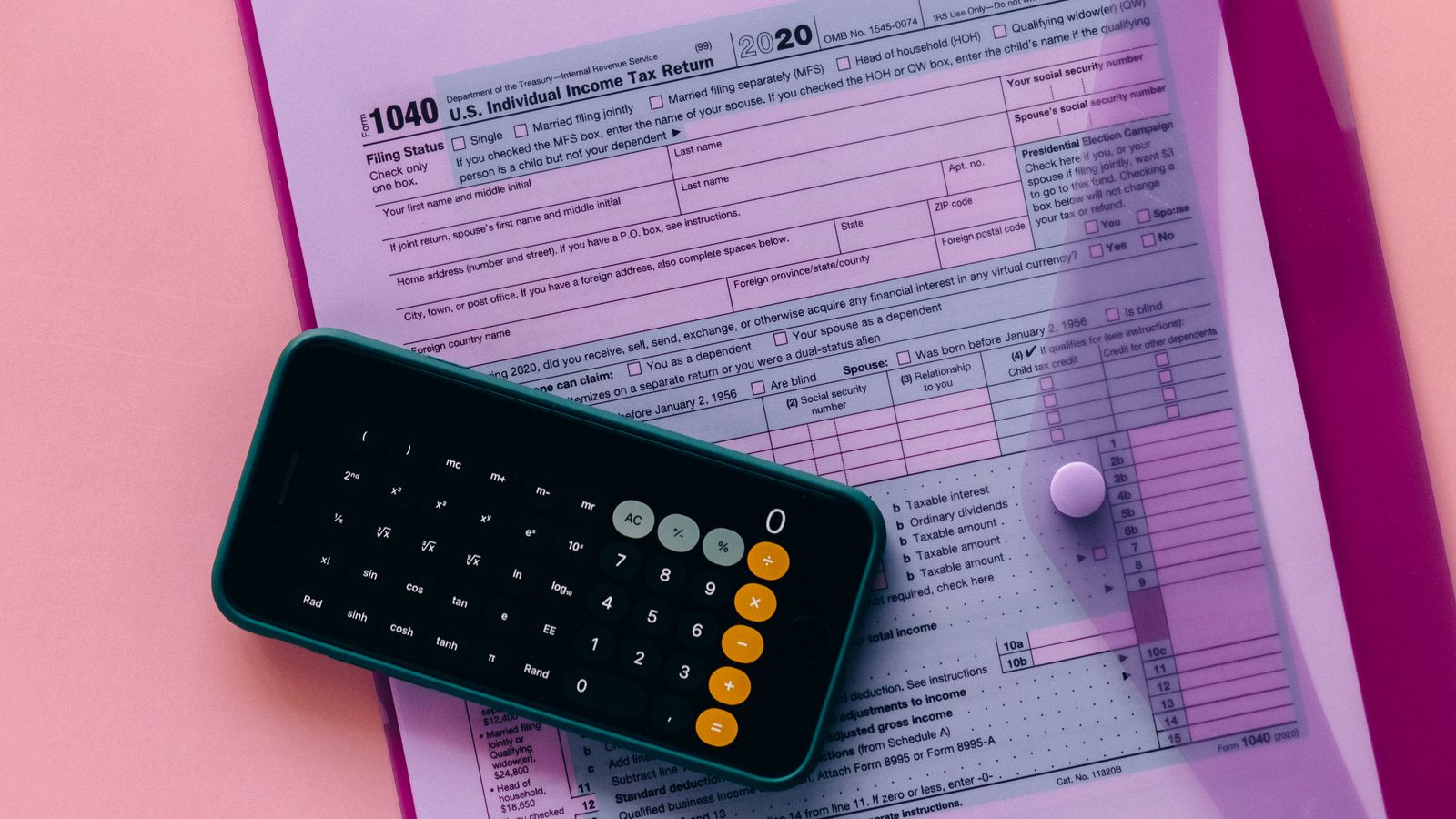
Tax form 1040 with a calculator on a pink background, highlighting finance and accounting themes.
Revenue Projection Assumes Federal Excise Tax Structure
The $57.9 billion figure assumes Congress enacts a federal excise tax on cannabis sales similar to the structures applied to alcohol and tobacco. The Bloomberg Tax model didn't specify an exact tax rate but appears to draw on historical proposals including the Cannabis Administration and Opportunity Act, which proposed a federal excise tax starting at 10 percent of sale price in year one, escalating to 25 percent by year five.
The projection covers fiscal years 2027 through 2036. It assumes marijuana remains a controlled substance under the Controlled Substances Act during the budget window, but that Congress separately authorizes a legal commercial market subject to federal taxation.
Study Doesn't Account for Schedule III Scenario
The revenue estimate doesn't model the tax implications of DEA's pending proposal to reschedule cannabis to Schedule III under 21 U.S.C. § 812. Under Schedule III, state-licensed cannabis businesses would regain access to standard business deductions under 26 U.S.C. § 280E. No new federal excise tax would attach unless Congress enacts separate legislation.
DEA's rescheduling notice of proposed rulemaking, published May 21, 2024, remains under administrative review with no final rule issued. The agency hasn't announced a timeline for conclusion of the NPRM comment period or issuance of a final rule.
Congressional Tax Proposals Remain Stalled
No federal cannabis tax bill has advanced past committee in the 119th Congress. Senate Finance Committee Chair Ron Wyden and House Ways and Means ranking member Richard Neal have circulated draft language for a federal marijuana excise tax tied to THC content, but neither chamber has scheduled markup.
CBO hasn't published an official score of any pending cannabis tax proposal. The Bloomberg Tax figure represents an independent research estimate, not a CBO baseline projection.
State Tax Collections Provide Revenue Baseline
State-level cannabis tax collections totaled approximately $3.77 billion in calendar year 2025 across 24 adult-use markets, according to data compiled by the Marijuana Policy Project. California led with $1.29 billion. Washington followed at $512 million, Colorado at $423 million.
The Bloomberg Tax model likely extrapolates from state revenue data, adjusting for the broader tax base a federal regime would capture, including interstate commerce currently prohibited under state programs. The study didn't disclose its methodology or underlying assumptions in the public summary.
280E Repeal Would Reduce Effective Tax Burden
Rescheduling to Schedule III would eliminate the 26 U.S.C. § 280E disallowance of business deductions for cannabis operators, reducing their effective federal tax rate by an estimated 40 to 70 percent depending on cost structure. That reduction would lower federal income tax receipts from the industry, offsetting any new excise tax revenue unless Congress sets rates high enough to compensate.
The National Cannabis Industry Association estimated in 2025 testimony that 280E costs the industry $1.8 billion annually in disallowed deductions. Treasury hasn't published an official estimate of 280E-related revenue.
What Comes Next
A broader reconciliation package or tax reform bill in 2027 is the likeliest vehicle for a federal cannabis tax. Senate Finance and House Ways and Means haven't indicated whether cannabis tax provisions will be included in upcoming markup sessions.
For full background on federal cannabis tax policy, see the CannIntel topic hub on federal cannabis taxation. DEA's final rule on rescheduling, if issued, wouldn't itself impose a new excise tax but would trigger the 280E repeal, reshaping the revenue equation Congress must model.
For complete background, history, and our ongoing coverage of this story:
Open the CannIntel topic hub →Sources
The cannabis newsletter you forward to your team.
Federal policy, market data, grower alerts, and the one story that matters today. Sent every weekday at 7am. Free.
No spam. Unsubscribe with one click. 21+ only.
Related from Laws
Virginia releases draft rules for recreational cannabis sales
Virginia's draft sales rules, released Oct. 12, 2026, give operators their first look at the regulatory text behind a retail launch slated for 2027.

Idaho Sets Nov. 3 Vote on Legislature's Sole Power to Legalize Marijuana
A ballot question would decide whether only lawmakers, not voters, can legalize marijuana in Idaho, a state with no adult-use or medical market.

Wholesaler Settles for $2M Over Illegal THC Product Sales
A wholesaler agreed to a $2 million settlement over illegal THC products, but the public record is thin on who, where and what was sold.
More from the newsroom

Rick Beard, Legalize Marijuana Now Candidate, Eyes Nebraska General
KETV reported Oct. 12 that Beard is turning to the general election, putting a cannabis-only party line before Nebraska voters on Nov. 3.

Illinois Report Shows Cannabis Sales and Taxes Fell as Prices Dropped
A new state report shows Illinois shoppers bought more cannabis at lower prices, but total sales revenue and tax collections still declined.

Study Finds Cannabis Hospitalisations Up 49% in a Decade
A study reported by Mirage News puts the ten-year rise at 49%. The paper's geography, definitions and denominators will decide what that number means.