Federal Hemp-Derived THC Ban Looms; Operators Weigh Exit Options
A federal ban on intoxicating hemp-derived THC is nearing its effective date, reshaping a market built on the 2018 Farm Bill's definitional gap.
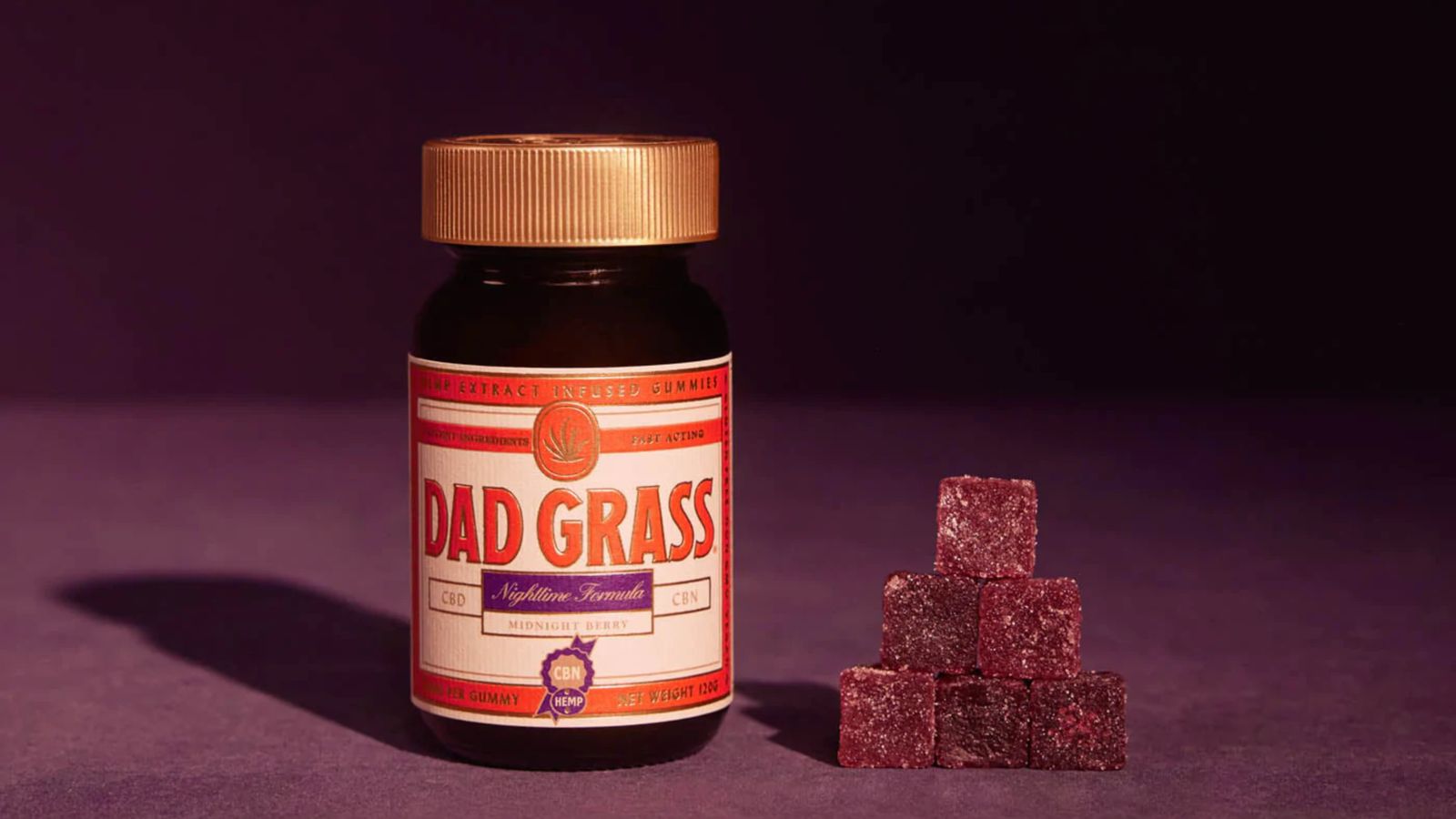
Close-up of Dad Grass nighttime CBD gummies in a jar with berry flavor.
The ban closes the 2018 Farm Bill gap
The prohibition targets the statutory definition that let intoxicating hemp-derived THC products reach shelves outside state-licensed cannabis systems.
The 2018 Farm Bill, Pub. L. 115-334, removed hemp from the Controlled Substances Act's definition of marijuana at 21 U.S.C. § 802, so long as the plant carried no more than 0.3 percent delta-9 THC by dry weight. That threshold measured the plant, not the finished product. Manufacturers used it to convert hemp-derived CBD into delta-8 THC, delta-10 THC, and THCA-heavy flower, then sold the results as federally legal.
The upcoming ban is aimed at that conversion pathway. The Star Tribune reported on the pending prohibition on Nov. 22, 2026.
The effective date is now the operative deadline
Operators holding hemp-derived THC inventory face a fixed compliance date, and the product category's legal status changes on it.
Our signal doesn't supply the statutory text, the bill number, or the exact effective date, and we aren't guessing at them. Readers should pull the enacted language directly and confirm how it defines a covered product, because the whole market turns on that definition. A per-container milligram cap treats a 5 mg beverage very differently than a total-THC standard that counts THCA.
That distinction decides who survives. Not every hemp business sells intoxicants.
Who is exposed
Hemp-derived THC beverage makers, smoke-shop chains, and vape manufacturers carry the most direct exposure.
These businesses built revenue on a regulatory arbitrage. They paid no state licensing fees and no 280E-burdened tax load, and they often skipped testing mandates, all while selling products that produce an intoxicating effect. A ban removes the arbitrage in one stroke.
Licensed marijuana operators in states like Minnesota, California, and Ohio read the same change differently. For years they've argued that hemp-derived THC undercut them without carrying the same compliance costs. Some will see recaptured demand.
State law still matters
A federal ban does not erase state-level hemp frameworks, and several states already regulate or restrict intoxicating hemp products on their own authority.
Minnesota is the Star Tribune's home market and has run its own regulatory structure for hemp-derived THC, administered by the Office of Cannabis Management (OCM). How that state framework interacts with a federal prohibition is a live question for in-state operators. Preemption analysis will depend on the final statutory text, not on the headline.
Assume state and federal rules will stack. Compliance counsel in each operating state needs to read both.
Inventory and contract risk
The nearest financial hit lands on sell-through windows, supplier contracts, and retailer returns rather than on future sales.
A fixed effective date creates a liquidation clock. Retailers need to know whether product on shelves at the deadline can be sold through or must be pulled. That answer typically sits in transition provisions that vary widely from one enactment to the next.
Manufacturers with forward purchase agreements for hemp biomass or distillate face stranded-asset exposure. Lenders and landlords tied to hemp-focused retail will price that risk fast. For thinly capitalized shops, the math is brutal.
The rescheduling and hemp-reform backdrop
The ban lands while federal marijuana rescheduling and broader hemp reform remain separate, unresolved tracks.
Rescheduling marijuana to Schedule III under 21 U.S.C. § 812 wouldn't legalize hemp-derived intoxicants, and a hemp ban wouldn't legalize marijuana. Operators and investors who treat the two as one story will misread both. For full background on this story, see the CannIntel topic hub on the federal hemp-derived THC ban.
Congress wrote the 2018 definition. Congress is now rewriting it. That's the sequence that matters.
What operators should do before the deadline
Operators should audit product lines against the enacted definition, map state-law overlaps, and decide whether to migrate into licensed channels before the effective date.
Migration isn't simple. Entering a state-licensed market means applying for a license, and many states cap or have closed new applications. Hemp-only operators with no path to licensure may have to pivot to non-intoxicating categories such as CBD or industrial hemp fiber and grain.
Anyone who watched the 2018 definition get stretched shouldn't be surprised. Even so, plenty of operators planned as if it would never end.
The next signal to watch is the publication of the enacted text and any implementing guidance, which will fix the covered-product definition and the sell-through rules that determine who absorbs the loss.
For complete background, history, and our ongoing coverage of this story:
Open the CannIntel topic hub →Frequently asked questions
What is the hemp-derived THC ban?
It is a federal prohibition on intoxicating hemp-derived THC products, such as delta-8 and similar compounds, that were sold outside state cannabis licensing systems under the 2018 Farm Bill's hemp definition. The Star Tribune reported its approaching effective date on Nov. 22, 2026.
Why did hemp-derived THC become legal in the first place?
The 2018 Farm Bill, Pub. L. 115-334, removed hemp from the Controlled Substances Act's marijuana definition if it contained no more than 0.3 percent delta-9 THC by dry weight. Manufacturers used that plant-level threshold to sell converted, intoxicating products as federally legal.
Does the ban affect state-licensed marijuana dispensaries?
Not directly. Licensed marijuana operates under separate state programs. Many licensed operators have complained that unlicensed hemp THC undercut them, so some may see recaptured demand, though outcomes depend on each state's rules.
Will state hemp laws still apply after a federal ban?
Yes. State frameworks, such as Minnesota's Office of Cannabis Management system, continue to operate. How they interact with the federal ban depends on the enacted text and preemption analysis, so operators need counsel in each state.
Sources
The cannabis newsletter you forward to your team.
Federal policy, market data, grower alerts, and the one story that matters today. Sent every weekday at 7am. Free.
No spam. Unsubscribe with one click. 21+ only.
Related from Laws

Kentucky Op-Ed Calls Federal Hemp Ban 'Self-Inflicted Wound'
A Kentucky Lantern op-ed by Laura Freeman, republished by Marijuana Moment, blames hemp operators for the looming federal ban, citing a grandson's hospitalization.

Federal Hemp Ban Looms as Op-Ed Blames Industry's Self-Regulation Failure
A Marijuana Moment op-ed calls next month's federal intoxicating-hemp prohibition a self-inflicted wound, putting the compliance and tax consequences of the cutoff squarely on operators.
Federal Hemp THC Ban Nears; Some States Plan to Keep Selling
Washington's redefinition of hemp is set to pull most intoxicating THC products off the federal safe harbor, but state regulators are signaling they won't follow.
More from the newsroom

California Sheriff Reports 235,000-Pound Illegal Cannabis Seizure
A California sheriff's office says deputies seized roughly 235,000 pounds of illegal cannabis in a single bust, one of the larger figures reported this year.

NDLEA arrests South African golfer, Kenyan chef over 50kg cannabis
Nigeria's drug enforcement agency detained two foreign nationals over a 50kg cannabis shipment, according to a Nigerian Bulletin report, with few operational details public so far.

Judge lets Illinois hemp law proceed, per Capitol City Now
A ruling reported by Capitol City Now clears the way for Illinois' hemp law to move forward, though the signal leaves key details unconfirmed.