Cannabis Possession Still Accounts for 23% of U.S. Drug Arrests, FBI Data Shows
Despite state-level legalization, nearly one in four drug arrests nationwide remain cannabis possession charges.
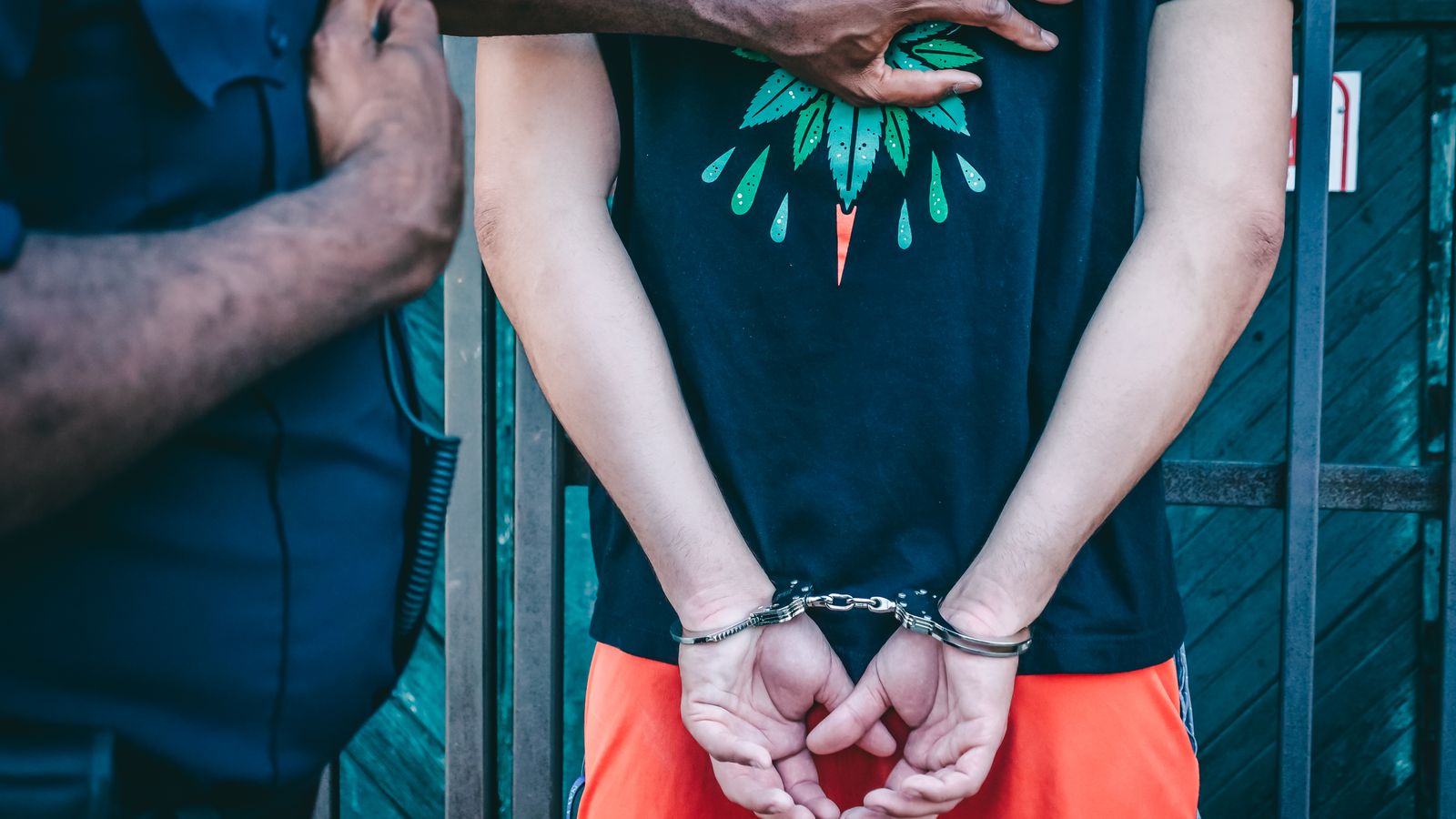
Close-up of a handcuffed person under arrest by a police officer outdoors.
Possession Arrests Outpace Cultivation and Sales Combined
Cannabis possession arrests totaled approximately 226,000 in 2025, outnumbering arrests for cultivation and sales by a 3-to-1 margin. The FBI's annual Crime in the United States report shows that possession charges comprised roughly 87% of all cannabis-related arrests, with the remaining 13% split between manufacturing and distribution offenses.
The data reflects enforcement patterns that have persisted even as legal markets expand. Twenty-four states now permit adult-use sales, yet federal prohibition and uneven state implementation continue to drive hundreds of thousands of arrests annually.
State borders matter. So does local enforcement discretion. Both matter more than legalization headlines.
Racial Disparities Persist Across Legal and Prohibition States
Black Americans were arrested for cannabis possession at 3.64 times the rate of white Americans in 2025, despite comparable usage rates. This disparity held steady from 2024. It remained consistent across both legal and prohibition jurisdictions, according to supplementary data from the American Civil Liberties Union.
In states with adult-use programs, the arrest rate for Black individuals was 2.8 times higher than for white individuals. In prohibition states, that ratio climbed to 4.1 times higher.
These figures reinforce findings from prior years: legalization reduces overall arrest volume but doesn't eliminate enforcement disparities. Expungement programs and social equity licensing have addressed some harms, though the arrest data shows enforcement bias remains entrenched.
Federal Rescheduling Proposal Doesn't Decriminalize Possession
The DEA's pending rescheduling of cannabis from Schedule I to Schedule III wouldn't alter federal criminal penalties for possession or distribution. The proposed rule, still under review at the White House Office of Management and Budget as of September 2026, reclassifies cannabis for regulatory and tax purposes but leaves the Controlled Substances Act's criminal framework intact.
Rescheduling to Schedule III changes how the IRS treats deductions under Section 280E and how the FDA regulates research, but it doesn't decriminalize possession or sales at the federal level.
State-level possession arrests would continue unaffected by federal rescheduling. For operators and advocates, the policy implication is clear: criminal justice reform and tax relief are separate tracks, and the DEA's move addresses only the latter.
For full background on cannabis enforcement trends and policy developments, see the CannIntel topic hub on Cannabis Arrests and Enforcement.
What to Watch: State Expungement Backlogs and Local Enforcement Gaps
Seventeen states with adult-use programs still report expungement backlogs exceeding 100,000 cases combined, limiting relief for individuals with prior possession convictions. Automatic expungement statutes in California, Illinois, and New York have processed the majority of eligible cases, but manual petition requirements in other states have slowed implementation.
Local enforcement remains the variable. Counties with elected prosecutors who deprioritize cannabis cases see arrest rates 60-80% lower than neighboring jurisdictions with active enforcement policies, even within the same state.
The next data point arrives in Q1 2027 when the FBI releases preliminary 2026 arrest figures. Observers will be watching whether the aggregate arrest count drops below 200,000 for the first time in two decades.
For complete background, history, and our ongoing coverage of this story:
Open the CannIntel topic hub →Frequently asked questions
Does federal rescheduling to Schedule III decriminalize cannabis possession?
No. Rescheduling changes regulatory and tax treatment but leaves criminal penalties for possession and distribution unchanged under the Controlled Substances Act. State-level arrests continue unaffected.
Why do cannabis arrests persist in states with legal adult-use programs?
Legal markets often exclude unlicensed sales, public consumption, and possession above statutory limits. Local enforcement discretion and county-level prosecution policies create wide variance in arrest rates within the same state.
How many cannabis possession arrests occurred in the U.S. in 2025?
Approximately 226,000 possession arrests were recorded in 2025, accounting for 87% of all cannabis-related arrests and 23% of total drug arrests nationwide.
What is the racial disparity in cannabis possession arrests?
Black Americans were arrested at 3.64 times the rate of white Americans for cannabis possession in 2025, despite similar usage rates. The disparity was lower in legal states (2.8x) than prohibition states (4.1x).
Which states have the largest expungement backlogs for cannabis convictions?
Seventeen adult-use states report combined backlogs exceeding 100,000 cases. States with automatic expungement laws like California, Illinois, and New York have processed the most cases, while manual petition states lag significantly.
Sources
The cannabis newsletter you forward to your team.
Federal policy, market data, grower alerts, and the one story that matters today. Sent every weekday at 7am. Free.
No spam. Unsubscribe with one click. 21+ only.
Related from Laws

Cayman Islands Cannabis Advocates Push Legalization in Parliament
Reform campaigners presented decriminalization arguments to Cayman lawmakers as the British territory weighs cannabis policy changes.

GOP Majority Leader Calls Marijuana 'Gateway Drug' Amid Trump Rescheduling
House Majority Leader reaffirms opposition to cannabis reform as DEA moves toward Schedule III reclassification.

California ABC Finds 99% Compliance in 23,667 Hemp, Kratom Inspections
State regulators removed 7,403 products across 158 violations during site visits to alcohol-licensed retailers.
More from the newsroom
Endovia Pursues FDA Veterinary Approval for Cannabinoid Drug Targeting Dogs
The cannabis company is betting on canine cancer and chronic pain treatments to unlock FDA approval in the companion-animal market.

Canopy Growth Launches Two New Cannabis Formats in Australia
The Canadian MSO debuts flower and oil products through its Spectrum Therapeutics brand in the Australian medical market.

Grown Rogue Launches Cannabis Cultivation Operations in Minnesota
Oregon-based MSO enters Minnesota's adult-use market with new cultivation facility as state transitions from medical-only program.