Cannabis Arrests and Enforcement: Laws, Statistics, and Reform Trends
Despite growing legalization, cannabis arrests remain a significant component of U.S. drug enforcement. This hub examines arrest statistics, enforcement patterns, racial disparities, state-by-state variations, and the evolving legal landscape. We explore how possession charges persist even in reform states, the impact of federal scheduling, expungement efforts, and the ongoing tension between state legalization and federal prohibition. Understanding enforcement trends is essential for advocates, policymakers, and anyone navigating cannabis law.
Executive Summary
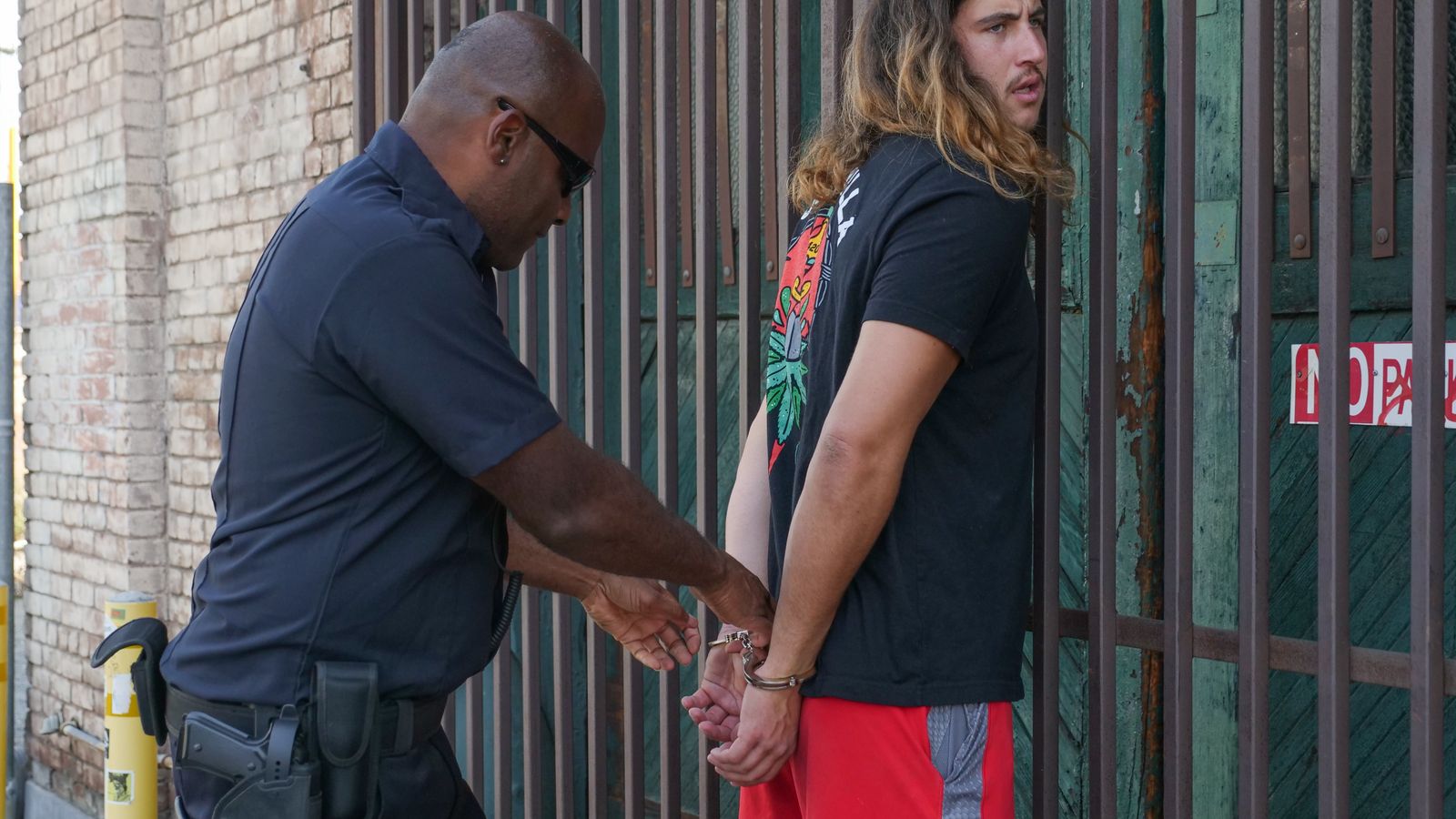
Cannabis possession arrests continue to account for nearly one in four drug-related arrests in the United States despite widespread state-level legalization and decriminalization efforts. Federal Bureau of Investigation Uniform Crime Reporting data shows that law enforcement agencies made approximately 226,000 cannabis possession arrests in 2025, representing 23% of all drug arrests nationwide. This enforcement pattern persists even as 38 states have enacted medical cannabis programs and 24 states have legalized adult-use cannabis. The disparity between state policy liberalization and arrest statistics reveals deep structural challenges in criminal justice reform, including federal prohibition under the Controlled Substances Act, local prosecutorial discretion, and documented racial disparities in enforcement. For cannabis operators, these arrest figures represent both market barriers and reform opportunities. For patients and consumers, they underscore ongoing legal risks in prohibition states and the uneven application of state-level protections.Why Cannabis Arrests Still Matter
Cannabis arrests impose measurable costs on individuals, communities, and the broader economy while creating barriers to market participation and patient access. The 226,000 cannabis possession arrests recorded in 2025 represent individual encounters with the criminal justice system that can result in incarceration, fines, criminal records, and collateral consequences including employment barriers, housing discrimination, and loss of federal benefits. The American Civil Liberties Union estimates that cannabis arrests cost taxpayers approximately $3.6 billion annually in law enforcement, judicial, and correctional expenses. For the cannabis industry, arrest statistics matter because they reflect the regulatory environment operators navigate. States with high arrest rates typically maintain restrictive licensing frameworks, limited patient access, and hostile local ordinances. Conversely, jurisdictions that have reduced cannabis arrests often demonstrate more mature regulatory systems with broader market opportunities. Racial disparities in cannabis enforcement remain stark despite similar usage rates across demographic groups. According to 2025 FBI data analyzed by the Drug Policy Alliance, Black Americans are 3.64 times more likely to be arrested for cannabis possession than white Americans, despite comparable consumption rates. In some jurisdictions, this disparity exceeds 8:1. These disparities persist even in states with legal cannabis markets, indicating that legalization alone does not eliminate enforcement inequities. The patient community faces particular risks. Medical cannabis patients in states without robust legal protections may face arrest despite state registration, particularly when traveling across state lines or encountering federal law enforcement. Veterans, who use cannabis at higher rates than the general population according to Department of Veterans Affairs surveys, face potential loss of benefits following cannabis arrests.Historical Context: From Prohibition to Partial Reform
Cannabis arrests in the United States trace back to early 20th-century prohibition efforts that culminated in federal criminalization and decades of escalating enforcement.Early Prohibition Era (1910s-1930s)
State-level cannabis prohibition began in the 1910s, with California enacting the first state ban in 1913 through the Poison Act. By 1931, 29 states had prohibited cannabis, driven by anti-immigrant sentiment, racial animus, and moral reform movements. The Federal Bureau of Narcotics, established in 1930 under Harry Anslinger, launched a national campaign linking cannabis to violence and moral degradation. This campaign culminated in the Marihuana Tax Act of 1937, which imposed prohibitive taxes and registration requirements that effectively criminalized cannabis at the federal level.The Controlled Substances Act (1970)
The Controlled Substances Act of 1970, codified at 21 U.S.C. § 801 et seq., established the modern federal prohibition framework. Congress classified cannabis as a Schedule I controlled substance under 21 U.S.C. § 812, defining it as having high abuse potential, no accepted medical use, and lacking safety for use under medical supervision. This classification subjected cannabis possession to federal criminal penalties under 21 U.S.C. § 844, with first-time simple possession punishable by up to one year imprisonment and a minimum $1,000 fine.The War on Drugs Escalation (1970s-1990s)
Cannabis arrests increased dramatically during the War on Drugs era. FBI Uniform Crime Reports show cannabis arrests rose from approximately 188,000 in 1970 to 734,000 in 2000. The Anti-Drug Abuse Act of 1986 established mandatory minimum sentences for drug offenses, though cannabis possession typically received less severe treatment than trafficking offenses. State-level enforcement intensified through the 1990s, with cannabis arrests peaking at 872,000 in 2007 according to FBI data.Decriminalization Movement (2000s-2010s)
The first wave of decriminalization began in the 1970s when 11 states reduced penalties for small-amount possession. Oregon led this effort in 1973, eliminating criminal penalties for possession of less than one ounce. However, most states maintained criminal sanctions, and arrests continued to climb through the 1990s and 2000s. California's Proposition 215 in 1996 marked the beginning of the medical cannabis era, creating the first state-level legal protection against arrest for qualified patients. By 2012, 18 states had enacted medical cannabis programs, though arrest rates remained high in prohibition states and enforcement disparities persisted in medical states.Adult-Use Legalization Era (2012-Present)
Colorado and Washington became the first states to legalize adult-use cannabis in 2012, with retail sales beginning in 2014. These initiatives created explicit legal protections against state arrest for possession within specified limits. FBI data shows cannabis arrests in Colorado declined 52% between 2012 and 2019, from approximately 12,000 to 5,800 annually. As of September 2026, 24 states have legalized adult-use cannabis and 38 states have medical programs. Despite this policy shift, national arrest figures remain substantial. The 226,000 cannabis possession arrests in 2025 represent a decline from the 2007 peak but still exceed arrest totals for all violent crimes in several states.Federal Enforcement Posture
Federal cannabis arrests have remained relatively stable despite state-level reforms. The Rohrabacher-Farr Amendment, first enacted in 2014 and renewed annually through continuing resolutions, prohibits the Department of Justice from using federal funds to prevent states from implementing medical cannabis laws. However, this protection does not extend to adult-use programs or individual possession cases. The Cole Memorandum, issued by Deputy Attorney General James Cole in 2013, established prosecutorial priorities that effectively deprioritized federal enforcement in states with robust regulatory systems. Attorney General Jeff Sessions rescinded this guidance in 2018, though practical federal enforcement patterns changed little. The Biden administration has maintained a hands-off approach toward state-legal cannabis operations while continuing federal prohibition.Current Enforcement Landscape
Cannabis arrest patterns in 2025-2026 reveal significant geographic variation, persistent racial disparities, and ongoing tension between state and federal law.National Arrest Statistics
FBI Uniform Crime Reporting data for 2025 shows 226,000 cannabis possession arrests nationwide, accounting for 23% of all drug arrests. An additional 34,000 arrests occurred for cannabis sale or manufacturing charges. These figures represent a 61% decline from the 2007 peak of 872,000 total cannabis arrests but remain higher than arrest totals for weapons offenses (156,000) or fraud (112,000). Possession arrests vastly outnumber trafficking arrests, maintaining a historical pattern. Of the 226,000 possession arrests, approximately 89% involved quantities under one ounce according to state-level reporting data compiled by the Drug Policy Alliance.State-Level Variation
Arrest rates vary dramatically by jurisdiction. Texas led all states with approximately 43,000 cannabis arrests in 2025, followed by Florida (31,000) and Georgia (18,000). These three prohibition states accounted for 41% of national cannabis arrests despite representing 22% of the U.S. population. States with adult-use legalization reported substantially lower arrest rates. Colorado recorded approximately 4,200 cannabis arrests in 2025, primarily for public consumption violations and possession above legal limits. California reported 12,000 arrests, though 68% involved unlicensed commercial activity rather than simple possession.Racial Disparities
Black Americans face cannabis arrest at 3.64 times the rate of white Americans nationally despite similar usage rates. This disparity persists across legal and prohibition states, though the gap narrows in jurisdictions with adult-use legalization. In Montana, Black residents face arrest at 9.6 times the rate of white residents. In Kentucky, the disparity reaches 8.4:1. Even in legalization states, disparities remain: Illinois reports a 2.1:1 disparity, and Washington shows 1.8:1. The American Civil Liberties Union's 2025 analysis found that arrest disparities have narrowed in states with legalization but have widened in prohibition states. Between 2015 and 2025, the national Black-white arrest disparity increased from 3.29:1 to 3.64:1, driven primarily by increasing disparities in Southern states.Federal Enforcement
Federal cannabis prosecutions remain limited compared to state arrests but carry more severe penalties. The Drug Enforcement Administration reported 3,847 cannabis-related arrests in fiscal year 2025, primarily targeting large-scale trafficking operations and cultivation on federal lands. The U.S. Attorney's Offices prosecuted 2,156 cannabis cases, with 89% involving quantities exceeding 100 kilograms or firearms enhancements.Key Players in Cannabis Enforcement
Drug Enforcement Administration
The DEA maintains primary federal enforcement authority over cannabis under the Controlled Substances Act. The agency's Cannabis Eradication Program removed approximately 3.2 million cultivated cannabis plants in 2025, primarily from public lands in California, Kentucky, and Tennessee. DEA enforcement priorities focus on large-scale trafficking organizations, diversion from state-legal markets, and operations with violence or organized crime connections. The DEA initiated a rescheduling review in 2023 following President Biden's directive, recommending in 2024 that cannabis be moved from Schedule I to Schedule III under 21 U.S.C. § 812. This recommendation triggered a formal rulemaking process that remains pending as of September 2026. Rescheduling would not eliminate federal criminal penalties for possession but would reduce penalties and remove some regulatory barriers.State and Local Law Enforcement
State and local agencies conduct the vast majority of cannabis arrests. Enforcement priorities vary widely based on state law, local ordinances, and departmental policies. The International Association of Chiefs of Police has advocated for federal rescheduling and uniform national standards, noting that the current patchwork creates operational challenges for multi-jurisdictional investigations. Some jurisdictions have adopted formal non-enforcement policies. Philadelphia implemented a civil citation system in 2014, reducing arrests by 85%. Seattle announced a de facto non-enforcement policy in 2010, three years before Washington's legalization initiative took effect.U.S. Attorney's Offices
The 94 U.S. Attorney's Offices exercise prosecutorial discretion over federal cannabis cases. Most offices have adopted internal policies limiting prosecution to cases involving large quantities, violence, or interstate trafficking. The U.S. Attorney's Office for the District of Columbia announced in 2025 that it would decline prosecution of simple possession cases involving under two ounces, aligning federal practice with D.C.'s local decriminalization law.Reform Advocacy Organizations
The Drug Policy Alliance, Marijuana Policy Project, and National Organization for the Reform of Marijuana Laws lead national reform efforts. These organizations have supported state ballot initiatives, legislative campaigns, and litigation challenging enforcement disparities. The ACLU's Criminal Law Reform Project has filed civil rights lawsuits in multiple jurisdictions alleging discriminatory enforcement patterns.Law Enforcement Opposition
The National Sheriffs' Association and the National Narcotics Officers' Associations' Coalition have opposed federal legalization efforts, citing concerns about impaired driving, youth access, and cartel involvement in illicit markets. These organizations support continued Schedule I classification and enhanced enforcement against unlicensed operations in legalization states.Legal and Regulatory Framework
Cannabis arrests occur within a complex legal framework involving federal prohibition, state-level reforms, and constitutional constraints on enforcement.Federal Criminal Statutes
The Controlled Substances Act establishes federal criminal liability for cannabis possession under 21 U.S.C. § 844(a). First-time simple possession carries a maximum penalty of one year imprisonment and a minimum $1,000 fine. Subsequent offenses increase penalties to two years imprisonment and $2,500 fines. Distribution offenses under 21 U.S.C. § 841 carry five-year mandatory minimums for quantities exceeding 100 kilograms or 100 plants. The Controlled Substances Act includes no exception for state-legal activity. Federal courts have consistently held that state legalization does not provide a defense to federal prosecution. In United States v. McIntosh, 833 F.3d 1163 (9th Cir. 2016), the Ninth Circuit held that the Rohrabacher-Farr Amendment bars prosecution of individuals acting in strict compliance with state medical cannabis laws, but this protection does not extend to adult-use programs.State Criminal Codes
State cannabis laws vary from complete prohibition to full legalization with commercial markets. As of September 2026, 12 states maintain complete prohibition with criminal penalties for any possession. These states include Idaho, Kansas, Nebraska, South Carolina, and Wyoming. Penalties range from misdemeanor citations to felony charges for quantities exceeding specified thresholds. Decriminalization states have eliminated criminal penalties for small-amount possession while maintaining civil fines. Virginia decriminalized possession of up to one ounce in 2020, imposing a $25 civil penalty. North Carolina maintains criminal penalties but reduced simple possession to a Class 3 misdemeanor in 2014. Medical cannabis states provide affirmative defenses to prosecution for registered patients possessing quantities within program limits. These protections vary in scope. Some states, including New York and Illinois, provide complete immunity from arrest. Others, including Minnesota and New Hampshire, allow arrest but prohibit prosecution upon proof of registration. Adult-use legalization states eliminate criminal penalties for possession within specified limits, typically one to two ounces. These states maintain criminal penalties for possession above legal limits, public consumption, and unlicensed sales. California's Adult Use of Marijuana Act, codified in California Health and Safety Code § 11362.1, legalizes possession of up to 28.5 grams and cultivation of up to six plants for adults 21 and older.Constitutional Constraints
Fourth Amendment protections against unreasonable searches and seizures apply to cannabis enforcement. The Supreme Court held in Florida v. Jardines, 569 U.S. 1 (2013), that using a drug-detection dog on a home's porch constitutes a search requiring a warrant. However, the Court has upheld warrantless searches based on the odor of cannabis in jurisdictions where possession remains illegal. State legalization has created new Fourth Amendment questions. Some state courts have held that cannabis odor no longer provides probable cause for searches in legalization states. The Massachusetts Supreme Judicial Court ruled in Commonwealth v. Cruz, 459 Mass. 459 (2011), that odor of burnt cannabis does not justify a warrantless vehicle search where possession is decriminalized. Equal Protection challenges to discriminatory enforcement have met mixed results. In United States v. Armstrong, 517 U.S. 456 (1996), the Supreme Court established a high bar for proving selective prosecution, requiring evidence that similarly situated individuals of other races were not prosecuted. Some state courts have applied more lenient standards, allowing statistical evidence of enforcement disparities to support equal protection claims.State-by-State Enforcement Patterns
Cannabis arrest rates and enforcement priorities vary dramatically across jurisdictions, reflecting diverse policy approaches and local enforcement cultures.Texas
Texas maintains complete prohibition with criminal penalties for any possession amount. The state recorded 43,000 cannabis arrests in 2025, the highest total nationally. Possession of under two ounces constitutes a Class B misdemeanor punishable by up to 180 days in jail and a $2,000 fine under Texas Health and Safety Code § 481.121. The state's 2019 hemp legalization law created confusion in enforcement, as distinguishing hemp (under 0.3% THC) from cannabis requires laboratory testing. Some prosecutors declined to pursue low-level possession cases due to testing costs, though enforcement has intensified as testing capacity expanded.Florida
Florida recorded 31,000 cannabis arrests in 2025 despite having a medical cannabis program. The state's medical program, established by Amendment 2 in 2016, provides limited protections for registered patients. Possession of under 20 grams by non-patients constitutes a first-degree misdemeanor under Florida Statutes § 893.13, punishable by up to one year in jail. Black Floridians face arrest at 2.7 times the rate of white residents according to 2025 state data. A 2024 adult-use legalization ballot initiative failed with 57% support, short of the 60% threshold required for constitutional amendments.California
California legalized adult-use cannabis in 2016 through Proposition 64, which took effect in 2018. The state recorded 12,000 cannabis arrests in 2025, primarily for unlicensed commercial activity. Possession of up to 28.5 grams is legal for adults 21 and older under California Health and Safety Code § 11362.1. Most arrests involve cultivation exceeding the six-plant limit, sales without a license, or possession on school grounds. The state's large illicit market continues to generate enforcement activity, with the Department of Cannabis Control coordinating eradication efforts that removed 1.2 million plants in 2025.New York
New York legalized adult-use cannabis in 2021 through the Marijuana Regulation and Taxation Act. The state recorded 3,400 cannabis arrests in 2025, down from 24,000 in 2019. Possession of up to three ounces is legal under New York Penal Law § 222.05. Most arrests involve unlicensed sales, as the state's retail licensing process has proceeded slowly. New York City implemented automatic expungement for approximately 160,000 prior cannabis convictions in 2024, removing barriers to employment and housing for individuals with cannabis records.Colorado
Colorado legalized adult-use cannabis in 2012, with retail sales beginning in 2014. The state recorded 4,200 cannabis arrests in 2025, an 82% decline from 2012 levels. Possession of up to one ounce is legal under Colorado Constitution Article XVIII § 16. Most arrests involve public consumption violations, possession above legal limits, or DUI cases. The state's mature regulatory system has largely eliminated unlicensed cultivation and sales, reducing enforcement needs. Racial disparities in arrests have narrowed but persist, with Latino residents arrested at 1.4 times the rate of white residents in 2025.Illinois
Illinois legalized adult-use cannabis in 2019 through the Cannabis Regulation and Tax Act. The state recorded 2,800 cannabis arrests in 2025, down from 32,000 in 2018. Possession of up to 30 grams is legal under 410 ILCS 705/10-10. The state's legalization law included automatic expungement provisions, clearing approximately 500,000 prior cannabis convictions. Illinois prioritizes social equity in licensing, reserving licenses for individuals from communities with high historical arrest rates. Despite legalization, Black residents face arrest at 2.1 times the rate of white residents, primarily for public consumption and possession above legal limits.Georgia
Georgia maintains prohibition with limited medical exceptions. The state recorded 18,000 cannabis arrests in 2025. Possession of under one ounce constitutes a misdemeanor under O.C.G.A. § 16-13-30(j), punishable by up to one year in jail. The state's 2015 medical cannabis law allows low-THC oil for registered patients with specified conditions, but the program does not permit in-state cultivation or retail sales, limiting practical access. Black Georgians face arrest at 3.9 times the rate of white residents according to 2025 state data.Washington
Washington legalized adult-use cannabis in 2012 alongside Colorado. The state recorded 2,100 cannabis arrests in 2025, down from 11,000 in 2012. Possession of up to one ounce is legal under RCW 69.50.4013. Most arrests involve DUI cases or possession by individuals under 21. Washington's regulatory system has effectively eliminated large-scale unlicensed cultivation, though small illegal grows persist. The state's arrest racial disparity has narrowed to 1.8:1, among the lowest in the nation.Market and Business Implications
Cannabis arrest patterns directly impact market development, capital formation, and operational risk for licensed cannabis businesses.Market Access and Licensing
High arrest rates in prohibition states signal hostile regulatory environments that deter capital investment and limit market entry opportunities. Institutional investors and multi-state operators typically avoid markets with active criminal enforcement, as arrest statistics correlate with regulatory instability and political opposition to reform. States transitioning from prohibition to legalization face challenges integrating individuals with prior cannabis arrests into licensed markets. Social equity licensing programs in Illinois, Massachusetts, and California prioritize applicants from communities with high historical arrest rates, but these programs have struggled with implementation. Many equity applicants lack capital and industry experience, while prior convictions create barriers to licensing in some jurisdictions despite expungement provisions.Interstate Commerce Barriers
Federal prohibition and continued arrests create absolute barriers to interstate cannabis commerce. Licensed operators cannot transport products across state lines, even between legalization states, without violating 21 U.S.C. § 841. This restriction forces multi-state operators to establish separate cultivation and manufacturing facilities in each state, increasing capital requirements and operational complexity. The threat of federal arrest, though remote for state-compliant operators, creates banking barriers. Most federally insured financial institutions decline cannabis accounts due to potential money laundering liability under 18 U.S.C. § 1956. The SAFE Banking Act, which would protect financial institutions serving state-legal cannabis businesses, has passed the House multiple times but has not cleared the Senate as of September 2026.Insurance and Professional Services
Ongoing federal prohibition and arrest risks limit access to insurance and professional services. Many insurers decline cannabis coverage due to federal illegality concerns. Professional service providers, including accountants and attorneys, face potential aiding and abetting liability under 18 U.S.C. § 2 for facilitating federally illegal activity, though prosecutions of professionals serving state-legal operators remain rare.Tax Treatment
Internal Revenue Code § 280E prohibits businesses trafficking in Schedule I or II controlled substances from deducting ordinary business expenses. This provision, enacted in 1982, applies to state-legal cannabis businesses because cannabis remains federally illegal. Cannabis operators can deduct cost of goods sold but not marketing, rent, or administrative expenses, resulting in effective tax rates exceeding 70% in some cases. Rescheduling cannabis to Schedule III would eliminate 280E liability, substantially improving operator profitability.Employment and Labor
Cannabis arrests create employment barriers that limit the industry's labor pool. Many states prohibit individuals with drug convictions from working in licensed cannabis facilities, though some have enacted "ban the box" laws limiting consideration of prior arrests. Federal law prohibits cannabis industry workers from possessing firearms under 18 U.S.C. § 922(g), as cannabis use constitutes unlawful use of a controlled substance for federal purposes.What Experts and Stakeholders Say
Industry leaders, reform advocates, and law enforcement officials offer diverging perspectives on cannabis arrest patterns and enforcement priorities. The Drug Policy Alliance's director of criminal justice reform, Kassandra Frederique, stated in congressional testimony in March 2026 that continued cannabis arrests represent a failure of incremental reform. According to Frederique, state-level legalization has created a two-tier system where affluent consumers in legalization states face minimal risk while low-income individuals in prohibition states continue to face arrest and incarceration. The Marijuana Policy Project's federal policy director, Justin Strekal, told the Senate Judiciary Committee in April 2026 that federal descheduling remains the only solution to eliminate arrest disparities and interstate commerce barriers. Strekal noted that state-level reforms have reduced but not eliminated arrests, and that federal prohibition continues to drive banking barriers and tax inequities. Law enforcement perspectives vary by jurisdiction. The National Sheriffs' Association's legislative director, John Thompson, testified before the House Judiciary Committee in May 2026 that sheriffs in prohibition states support continued enforcement to prevent youth access and impaired driving. Thompson stated that legalization in neighboring states has increased trafficking into prohibition jurisdictions, requiring enhanced enforcement efforts. Conversely, Law Enforcement Action Partnership executive director, Major Neill Franklin (retired), told reporters in June 2026 that cannabis arrests waste law enforcement resources and damage community relations. Franklin, a former Maryland State Police officer, stated that his organization's 200 law enforcement members support federal legalization and expungement of prior cannabis convictions. The National Organization for the Reform of Marijuana Laws' legal counsel, Paul Armentano, stated in a July 2026 interview that arrest statistics demonstrate the failure of prohibition. According to Armentano, the 226,000 cannabis possession arrests in 2025 represent more arrests than for all violent crimes combined in many states, indicating misaligned enforcement priorities. Cannabis industry trade groups have focused on the business implications of continued federal prohibition. The U.S. Cannabis Council's CEO, Steven Hawkins, stated in August 2026 that federal arrests and prohibition create existential risks for licensed operators. Hawkins noted that banking barriers and 280E tax liability, both driven by federal illegality, prevent the industry from competing with illicit markets on price. Patient advocacy organizations emphasize medical access barriers. Americans for Safe Access's director of government affairs, Michael Krawitz, stated in testimony before the House Veterans Affairs Committee in February 2026 that veterans face arrest risks and loss of VA benefits for using cannabis to treat PTSD and chronic pain. Krawitz noted that 37 states have legalized medical cannabis, but federal prohibition prevents VA physicians from recommending cannabis and subjects veteran patients to potential federal arrest.What's Next: Key Developments and Decision Points
Cannabis enforcement patterns will evolve based on federal rescheduling decisions, state ballot initiatives, and potential congressional action on legalization.DEA Rescheduling Process
The DEA's proposed rule to reschedule cannabis from Schedule I to Schedule III under 21 U.S.C. § 812 remains pending as of September 2026. The Notice of Proposed Rulemaking published in May 2024 triggered a public comment period that closed in July 2024, generating over 43,000 comments. The DEA must review comments and issue a final rule, which could occur in late 2026 or early 2027. Rescheduling to Schedule III would not eliminate federal criminal penalties for possession but would reduce penalties and remove 280E tax liability for licensed operators. Criminal possession would remain illegal under 21 U.S.C. § 844, though penalties would decrease. Rescheduling would not resolve banking barriers or interstate commerce restrictions, which require congressional action.State Ballot Initiatives
Several states will consider cannabis legalization initiatives in November 2026 elections. Florida voters will revisit adult-use legalization after the 2024 initiative fell short of the 60% threshold. Arkansas, North Dakota, and South Dakota have adult-use initiatives on the 2026 ballot. If these initiatives pass, arrest rates in these states would decline substantially based on patterns in other legalization states.Congressional Legislation
Multiple federal legalization bills remain pending in Congress. The Cannabis Administration and Opportunity Act, introduced by Senate Majority Leader Chuck Schumer in July 2022, would deschedule cannabis entirely and expunge federal cannabis convictions. The bill has not advanced to a floor vote as of September 2026. The SAFE Banking Act, which would protect financial institutions serving state-legal cannabis businesses, passed the House in April 2021 but stalled in the Senate. A revised version attached to the National Defense Authorization Act in 2022 was removed before final passage. The bill's prospects remain uncertain in the current Congress. The MORE Act (Marijuana Opportunity Reinvestment and Expungement Act) passed the House in December 2020 and again in April 2022 but has not received a Senate vote. The bill would deschedule cannabis, expunge federal convictions, and impose a federal excise tax to fund community reinvestment programs.Litigation and Court Challenges
Several cases challenging cannabis prohibition and enforcement disparities are pending in federal courts. In Washington v. Barr, plaintiffs challenged the DEA's refusal to reschedule cannabis, arguing that the agency's decision was arbitrary and capricious under the Administrative Procedure Act. The case remains pending in the U.S. District Court for the District of Columbia. Civil rights organizations have filed lawsuits in multiple jurisdictions alleging discriminatory enforcement. The ACLU filed suit in Mississippi in 2025 alleging that the state's cannabis enforcement violates equal protection guarantees due to documented racial disparities. Similar cases are pending in Alabama and Louisiana.Expungement and Record Clearing
States with legalization laws increasingly include automatic expungement provisions for prior cannabis convictions. California's AB 1793, enacted in 2018, required automatic review and expungement of approximately 220,000 cannabis convictions. Illinois, New York, and Connecticut have implemented similar programs. As of September 2026, approximately 2.1 million cannabis convictions have been expunged or sealed nationwide. Federal expungement remains unavailable absent congressional action. The Clean Slate Act, introduced in 2021, would establish automatic expungement for federal cannabis convictions but has not advanced.Further Reading and Primary Sources
- FBI Uniform Crime Reporting Program: Crime in the United States, 2025 — https://ucr.fbi.gov/crime-in-the-u.s/2025
- Drug Enforcement Administration: Cannabis Rescheduling Docket (DEA-2024-0059) — https://www.regulations.gov/docket/DEA-2024-0059
- American Civil Liberties Union: A Tale of Two Countries: Racially Targeted Arrests in the Era of Marijuana Reform (2025) — https://www.aclu.org/report/tale-two-countries-2025
- Drug Policy Alliance: From Prohibition to Progress: A Status Report on Marijuana Legalization (2026) — https://drugpolicy.org/marijuana-legalization-status-2026
- Controlled Substances Act, 21 U.S.C. § 801 et seq. — https://www.govinfo.gov/content/pkg/USCODE-2021-title21/html/USCODE-2021-title21-chap13.htm
- Congressional Research Service: Marijuana: Medical and Retail — Selected Legal Issues (R44782, updated 2026) — https://crsreports.congress.gov/product/pdf/R/R44782
- National Conference of State Legislatures: State Medical Cannabis Laws — https://www.ncsl.org/health/state-medical-cannabis-laws
- Marijuana Policy Project: State-by-State Laws — https://www.mpp.org/states/
- U.S. Sentencing Commission: Quick Facts: Marijuana Trafficking Offenses (FY 2025) — https://www.ussc.gov/research/quick-facts/marijuana-trafficking
- Bureau of Justice Statistics: Drugs and Crime Facts — https://bjs.ojp.gov/drugs-and-crime-facts
- Law Enforcement Action Partnership: Cannabis Policy Reform — https://lawenforcementaction.org/issues/cannabis/
- Americans for Safe Access: State-by-State Medical Marijuana Laws — https://www.safeaccessnow.org/state_by_state_laws
Frequently asked questions
How many cannabis arrests occur annually in the United States?
According to FBI Uniform Crime Reporting data, cannabis arrests have declined from peaks of over 850,000 annually in the 2000s to approximately 350,000-500,000 in recent years. The majority historically involved simple possession rather than trafficking. Arrest numbers vary significantly by state, with non-legal states accounting for disproportionate shares. The American Civil Liberties Union tracks these statistics, noting that despite legalization trends, hundreds of thousands of Americans are still arrested for cannabis offenses each year.
Are there racial disparities in cannabis arrest rates?
Extensive research documents significant racial disparities in cannabis enforcement. ACLU studies consistently show Black Americans are arrested for cannabis possession at approximately 3.6 times the rate of white Americans, despite similar usage rates across racial groups. These disparities persist even in states with legalization. The disparities exist across urban, suburban, and rural areas, and have remained consistent over decades despite changing legal landscapes. Addressing these inequities has become a central focus of cannabis reform advocacy.
What happens if you're arrested for cannabis possession?
Consequences vary dramatically by jurisdiction and amount. In states with legalization or decriminalization, small amounts may result in civil fines or no penalty. In prohibition states, possession can lead to criminal charges, potential jail time, fines, probation, and a permanent criminal record. First-time offenders may qualify for diversion programs. Possession near schools or involving minors typically carries enhanced penalties. Federal property arrests fall under federal law regardless of state policy. Legal representation is crucial, as outcomes depend heavily on local enforcement priorities and prosecutorial discretion.
Do police still enforce cannabis laws in legal states?
Yes, enforcement continues in legal states under specific circumstances. Police arrest for possession exceeding legal limits, public consumption violations, underage possession, driving under the influence, and unlicensed sales. Some jurisdictions prioritize enforcement more than others. Interstate transport remains illegal even between legal states. Workplace and housing policies may impose consequences independent of criminal law. Federal law enforcement on federal property continues regardless of state legalization. The legal market's regulatory framework creates new enforcement categories around licensing, testing, and compliance violations.
Can old cannabis convictions be expunged or pardoned?
Many states with legalization have enacted expungement provisions for prior cannabis convictions. Processes vary: some states automatically clear eligible records, while others require petitions. Eligibility typically depends on offense type, amount, and criminal history. Presidential and gubernatorial pardons have addressed thousands of federal and state simple possession convictions. However, expungement doesn't always restore all rights or erase records from private databases. The National Organization for the Reform of Marijuana Laws provides state-specific expungement guidance. Millions of Americans still carry cannabis conviction records.
What is the federal government's position on cannabis enforcement?
Cannabis remains federally illegal as a Schedule I controlled substance under the Controlled Substances Act. However, enforcement priorities have shifted. The Cole Memorandum (rescinded 2018) previously deprioritized federal prosecution in legal states. Current policy emphasizes large-scale trafficking, violence, and interstate commerce violations over simple possession. Federal agencies like DEA, FBI, and Border Patrol maintain enforcement authority. Federal employees and contractors face consequences for cannabis use regardless of state law. Rescheduling discussions and legislative proposals like the MORE Act reflect ongoing federal policy debates.
How do cannabis arrests impact employment and housing?
Cannabis arrests and convictions create significant collateral consequences. Criminal records appear in background checks, affecting employment in many sectors. Federal jobs, positions requiring security clearances, and some licensed professions remain closed to those with cannabis convictions. Housing applications often inquire about criminal history, and public housing policies may exclude applicants with drug convictions. Student financial aid can be affected. Immigration consequences include deportation risks for non-citizens. These impacts persist even after completing sentences, driving expungement advocacy. Some jurisdictions have enacted fair chance hiring laws limiting background check impacts.
What are the trends in cannabis enforcement and arrests?
Overall cannabis arrests have declined significantly since 2010, correlating with state-level reforms. However, enforcement remains concentrated in prohibition states and among specific demographics. Possession arrests have decreased more dramatically than cultivation or distribution arrests. Some jurisdictions have effectively deprioritized cannabis enforcement through prosecutorial discretion. The trend toward legalization continues, with new states adopting reforms annually. Federal enforcement focus has shifted toward unlicensed operations in legal states. Advocates note that despite progress, enforcement disparities and collateral consequences remain significant reform priorities requiring continued attention.
Can you be arrested for cannabis in one state and face charges in another?
Interstate complications arise frequently. Transporting cannabis across state lines violates federal law even between legal states. Some states have reciprocity for medical cannabis patients, but most don't recognize out-of-state recreational purchases. Arrest in a prohibition state can occur regardless of purchase location. Extradition for cannabis offenses is rare but possible for serious charges. Airport security and federal property create enforcement zones where state law doesn't apply. Border states with differing policies see frequent arrests. Legal advice emphasizes understanding laws in all jurisdictions where you possess or transport cannabis.
What reforms are advocates pursuing regarding cannabis arrests?
Reform priorities include federal descheduling or rescheduling, expungement of prior convictions, ending enforcement disparities, and social equity programs. Advocates push for automatic record clearing, restoration of rights for those with convictions, and reinvestment of cannabis tax revenue in affected communities. Police training reforms aim to reduce unnecessary arrests. Some jurisdictions are exploring restorative justice approaches. Legislative efforts focus on the MORE Act, SAFE Banking Act, and state-level legalization initiatives. Organizations like NORML, Drug Policy Alliance, and Marijuana Policy Project coordinate advocacy emphasizing that enforcement reform must accompany legalization.
The cannabis newsletter you forward to your team.
Federal policy, market data, grower alerts, and the one story that matters today. Sent every weekday at 7am. Free.
No spam. Unsubscribe with one click. 21+ only.