DEA's Schedule III Marijuana Rule Survives Immediate Legal Freeze
No court has yet blocked the DEA's final rule moving cannabis to Schedule III, clearing the path for implementation.
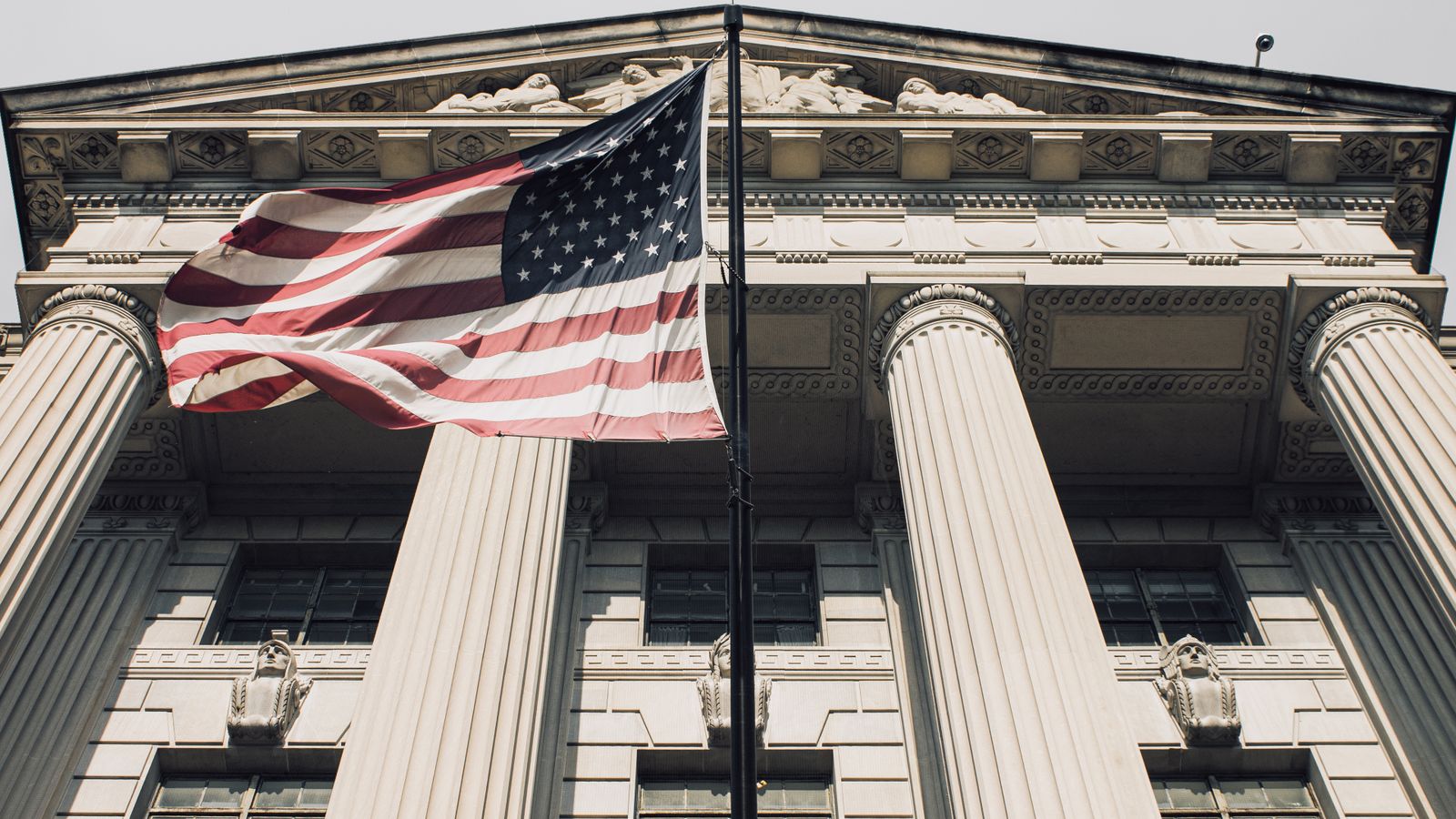
Majestic view of a government building with the American flag waving proudly.
No Immediate Stay Issued
No federal court has granted a preliminary injunction blocking the DEA's Schedule III rescheduling rule as of September 10, 2026. The final rule, published in the Federal Register on August 30, takes effect September 29. It remains operative despite multiple legal challenges filed in federal district courts and the D.C. Circuit Court of Appeals. Opponents seeking to freeze implementation haven't yet persuaded a judge to issue emergency relief.
The absence of a stay means cannabis businesses operating under state licenses can begin planning for the operational and tax implications of Schedule III status. Most significantly, rescheduling would end the application of Internal Revenue Code Section 280E, which currently prohibits state-licensed cannabis operators from deducting ordinary business expenses on federal tax returns.
Legal Challenges Still Pending
At least four lawsuits challenging the rescheduling rule are active in federal courts, but none has resulted in a temporary restraining order or preliminary injunction. Plaintiffs include a coalition of state attorneys general, a hemp industry trade group, and individual cannabis operators who argue the DEA exceeded its statutory authority or failed to follow proper rulemaking procedures under the Administrative Procedure Act.
The most prominent case, filed in the U.S. District Court for the District of Columbia, says the DEA ignored public comments and scientific evidence that marijuana doesn't meet the statutory criteria for Schedule III classification. Plaintiffs argue cannabis has high abuse potential and no currently accepted medical use in treatment in the United States—the two factors that would require Schedule I or II placement.
Judges in these cases have scheduled hearings on preliminary injunction motions for late September and early October 2026. A freeze could still be imposed before the rule's effective date if a court finds the challengers are likely to succeed on the merits.
280E Repeal at Stake
The financial stakes center on Section 280E, which costs state-licensed cannabis operators an estimated $1.8 billion annually in disallowed federal tax deductions. Under current Schedule I status, the IRS treats cannabis businesses as trafficking in a controlled substance, barring deductions for rent, payroll, marketing, and other operating expenses. Only cost of goods sold can be deducted.
Schedule III substances aren't subject to 280E. If the rule takes effect, multi-state operators and independent dispensaries would be able to claim standard business deductions starting with their 2026 tax filings. Industry analysts project the change would increase after-tax cash flow for publicly traded MSOs by 20-35%, depending on their current effective tax rates.
The tax benefit hinges on the rule surviving judicial review. If a court vacates the rule after it takes effect, businesses that took 280E relief could face retroactive tax assessments and penalties.
Hemp Industry's Competing Interest
Hemp trade groups oppose rescheduling because it threatens the legal status of hemp-derived intoxicating cannabinoids like delta-8 THC and THCA. The 2018 Farm Bill defined hemp as cannabis containing no more than 0.3% delta-9 THC on a dry-weight basis, exempting it from the Controlled Substances Act. That definition doesn't account for total THC or for cannabinoids that convert to delta-9 THC through decarboxylation.
Under Schedule III, the DEA could assert authority over all THC isomers and precursors, potentially shutting down the $28 billion hemp-derived cannabinoid market. The agency hasn't issued guidance on whether THCA flower or delta-8 products would remain legal under the new schedule. Manufacturers and retailers are in limbo.
This tension puts two sectors of the cannabis industry on opposite sides of the rescheduling debate. State-licensed operators want Schedule III for tax relief. Hemp operators want Schedule I to remain in place to preserve the Farm Bill loophole.
What Happens Next
The rule's effective date is September 29, 2026, giving courts 19 days to issue a stay if they intend to freeze implementation. If no injunction is granted by that date, the DEA will begin processing registrations for Schedule III cannabis handlers and the IRS will begin accepting 280E-free tax filings from state-licensed operators.
Even if the rule takes effect, the legal challenges will proceed to the merits phase. A final court decision could take 12-24 months. The industry will operate under Schedule III rules but with the risk of reversal. For full background on this story, see the CannIntel topic hub on DEA Schedule III rescheduling.
Enforcement Uncertainty Remains
The DEA hasn't clarified how it will enforce Schedule III cannabis rules or whether it will assert jurisdiction over hemp-derived intoxicating cannabinoids. State-licensed operators expect minimal operational disruption because they already comply with state tracking and testing requirements that exceed Schedule III standards. Hemp manufacturers face existential uncertainty.
The agency's silence on THCA flower is particularly consequential. THCA is non-intoxicating in its raw form but converts to delta-9 THC when heated. If the DEA treats THCA as a Schedule III substance, most hemp flower currently sold in states without adult-use programs would become illegal overnight.
Unsettled. We'll be watching for DEA guidance or a court ruling on the scope of the rescheduling order—expect enforcement to vary by jurisdiction until then.
For complete background, history, and our ongoing coverage of this story:
Open the CannIntel topic hub →Frequently asked questions
When does the DEA's Schedule III marijuana rule take effect?
The rule takes effect September 29, 2026, unless a federal court issues a stay before that date. As of September 10, no court has granted an injunction freezing implementation.
What is Section 280E and why does it matter?
Section 280E of the Internal Revenue Code prohibits businesses trafficking in Schedule I or II controlled substances from deducting ordinary business expenses on federal tax returns. It costs state-licensed cannabis operators an estimated $1.8 billion annually. Schedule III substances are exempt from 280E, so rescheduling would allow standard deductions.
How does rescheduling affect hemp-derived cannabinoids like delta-8 THC?
The DEA has not clarified whether hemp-derived intoxicating cannabinoids remain legal under Schedule III. If the agency asserts jurisdiction over all THC isomers and precursors, products like delta-8 THC and THCA flower could become illegal, shutting down the $28 billion hemp-derived cannabinoid market.
Can the rule still be blocked by a court?
Yes. Courts have scheduled hearings on preliminary injunction motions for late September and early October 2026. A judge could still freeze the rule before it takes effect if the court finds the challengers are likely to succeed on the merits of their Administrative Procedure Act claims.
What happens if the rule is later overturned?
If a court vacates the rule after it takes effect, businesses that claimed Section 280E tax relief could face retroactive tax assessments and penalties. The legal challenges could take 12-24 months to resolve, leaving the industry operating under Schedule III with the risk of reversal.
Sources
The cannabis newsletter you forward to your team.
Federal policy, market data, grower alerts, and the one story that matters today. Sent every weekday at 7am. Free.
No spam. Unsubscribe with one click. 21+ only.
Related from Laws
AG Blanche Says DOJ Won't Interfere With State-Legal Cannabis
Attorney General Todd Blanche said the Justice Department isn't seeking to interfere with state-legal marijuana operators, but no written policy or rule change accompanied the reported remarks.

Blanche Says Lucas Charges Aren't Aimed at State Cannabis Laws
The attorney general framed the federal case against Virginia's Senate president pro tem as conduct-based, not a move against state marijuana policy.

DOJ indicts Virginia lawmaker, six others over hemp THC shop
Federal prosecutors charged a Virginia state lawmaker and six others over a hemp THC operation, testing where hemp ends and marijuana begins.
More from the newsroom

Virginia Senator Faces Federal Marijuana and Fraud Charges
Marijuana Moment reported Oct. 22 that a top Virginia senator faces federal marijuana and fraud charges; the counts, court and named defendant await confirmation.

New Jersey Bill Extending Hemp Drink Sales Advances
A bill to extend New Jersey hemp drink sales moved forward Oct. 22, but the public record behind the headline is thin.

Survey of 7,913 German Patients Finds Pharmacy Cannabis Preferred
A survey of 7,913 German medicinal cannabis patients, nearly 90% with experience of both channels, points to the illegal market as a major source of stress.