DEA Declines State Coordination on Rescheduling, California Official Says
California's top cannabis regulator says the DEA has shown no interest in helping states prepare for Schedule III transition.

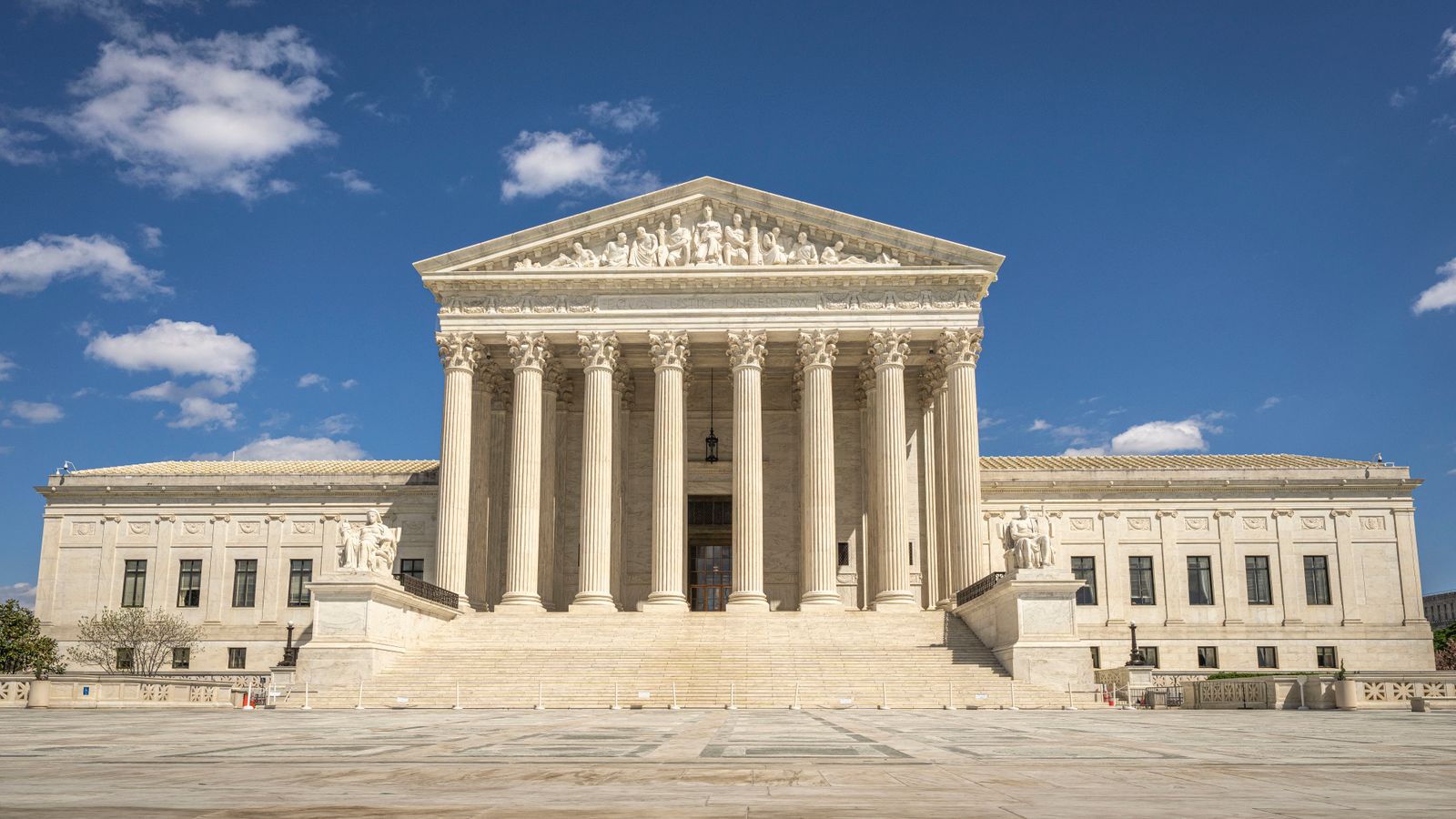
Majestic view of a government building with the American flag waving proudly.
Federal-State Coordination Gap
The DEA hasn't initiated any coordination with state cannabis regulators ahead of the pending Schedule III reclassification, according to California DCC Director Nicole Elliott. Elliott made the statement during a California Cannabis Control Appeals Panel meeting on September 21, 2026, when asked about federal-state coordination efforts.
The DEA "hasn't shown any sort of interest" in helping states prepare operational or regulatory changes tied to rescheduling, Elliott said. It's the first public acknowledgment by a state official that the federal agency responsible for implementing the schedule change has not engaged state regulators.
Timeline and Operational Stakes
The rescheduling process remains pending at the DEA, with no final rule published despite the HHS recommendation submitted in August 2023. The agency issued a Notice of Proposed Rulemaking in May 2024. No final rule date has been set.
State-licensed operators face uncertainty on key operational questions:
- Whether Schedule III status triggers new DEA registration requirements for cultivators and retailers
- How 280E tax deductions phase in and what documentation the IRS will require
- Whether interstate commerce becomes permissible under the Controlled Substances Act
- What federal inspections or compliance audits states must accommodate
California's Regulatory Posture
California hasn't issued guidance to its 13,000+ licensed operators on how to prepare for rescheduling. The DCC has stated it's monitoring federal developments but can't issue state-level directives until the DEA publishes a final rule.
Elliott's comments suggest California—the nation's largest legal market by revenue—has attempted outreach but received no substantive federal engagement. The state collected $1.1 billion in cannabis tax revenue in fiscal year 2025.
Multi-State Operator Exposure
Multi-state operators with operations in 5+ jurisdictions face the highest compliance risk from the coordination vacuum. MSOs must work through conflicting state frameworks without a federal template for Schedule III compliance.
Operators don't know whether they'll need to register facilities, submit product samples, or comply with new record-keeping standards. Legal counsel have advised clients to assume DEA registration will be required. But there's no formal confirmation.
Historical Precedent
The DEA has historically declined to coordinate with states on cannabis policy, citing the Controlled Substances Act's federal supremacy. The agency didn't engage state regulators during the 2013-2016 Obama-era Cole Memo period or the 2018 Farm Act hemp implementation.
The current silence follows that pattern. Since the NPRM comment period closed in July 2024, the DEA hasn't held public stakeholder meetings or published implementation FAQs.
What Operators Should Watch
The next milestone is publication of the final rule in the Federal Register, which triggers a 30- to 60-day effective date. Until then, cannabis remains Schedule I and state operators continue under existing frameworks.
For full background on the rescheduling process and its implications, see the CannIntel topic hub on DEA rescheduling.
Operators should monitor the Federal Register for the final rule and prepare contingency plans for DEA registration, 280E documentation, and potential federal inspections. Because of the coordination gap, states will likely issue emergency guidance only after the rule is final.
For complete background, history, and our ongoing coverage of this story:
Open the CannIntel topic hub →Frequently asked questions
Has the DEA coordinated with any state cannabis regulators on rescheduling?
According to California DCC Director Nicole Elliott, the DEA has not shown interest in coordinating with states. No public records indicate federal-state coordination meetings or guidance sessions have occurred.
When will marijuana be rescheduled to Schedule III?
The DEA has not published a final rule. The rescheduling process remains pending after the May 2024 NPRM. A final rule must be published in the Federal Register before rescheduling takes effect, typically 30-60 days after publication.
Will state-licensed cannabis businesses need DEA registration under Schedule III?
Unclear. The DEA has not issued guidance. Legal experts assume registration will be required for cultivators and manufacturers, consistent with Schedule III pharmaceutical precedent, but no official confirmation exists.
What should cannabis operators do to prepare for rescheduling?
Monitor the Federal Register for the final rule. Prepare contingency plans for DEA registration applications, 280E tax deduction documentation, and potential federal facility inspections. Consult legal counsel on jurisdiction-specific compliance risks.
Sources
The cannabis newsletter you forward to your team.
Federal policy, market data, grower alerts, and the one story that matters today. Sent every weekday at 7am. Free.
No spam. Unsubscribe with one click. 21+ only.
Related from Laws

Puerto Rico Rolls Back Medical Cannabis Workplace Protections
High Times Magazine reports Puerto Rico has narrowed employment protections for medical cannabis patients, raising questions about which workers lose coverage and which keep it.

L.A. Cannabis Industry Rallies Behind Nithya Raman, Substack Reports
A High Adam post says Los Angeles operators are energizing around Councilmember Nithya Raman, but the platform details behind the 'actual plan' remain unverified.

County Commissioners Vote for Cannabis Moratorium, Herald Reports
A county board voted to pause new cannabis operations, the Austin Daily Herald reported, adding to Minnesota's patchwork of local rules under the 2023 adult-use law.
More from the newsroom

Organigram enters fight for Aurora as Curaleaf bid clock runs
British American Tobacco's stake in Organigram could put the tobacco giant at the center of the Aurora contest before Curaleaf's offer expires Dec. 4.

Tilray Medical Wins Approval for In-House EU-GMP Cannabis Testing
Tilray Medical can now run EU-GMP quality testing in-house, a move that could shift lab costs and batch-release timing, though key details remain undisclosed.
Ex-DEA Official Warns Against Schedule III Licenses Before Court Rules
A former senior DEA official urged that Schedule III marijuana licenses wait for a federal appeals court ruling, raising a sequencing question for operators and investors.