Connecticut Launches Verification Lab for Cannabis Testing Oversight
State deploys second-tier laboratory to audit product safety results amid industry compliance concerns.
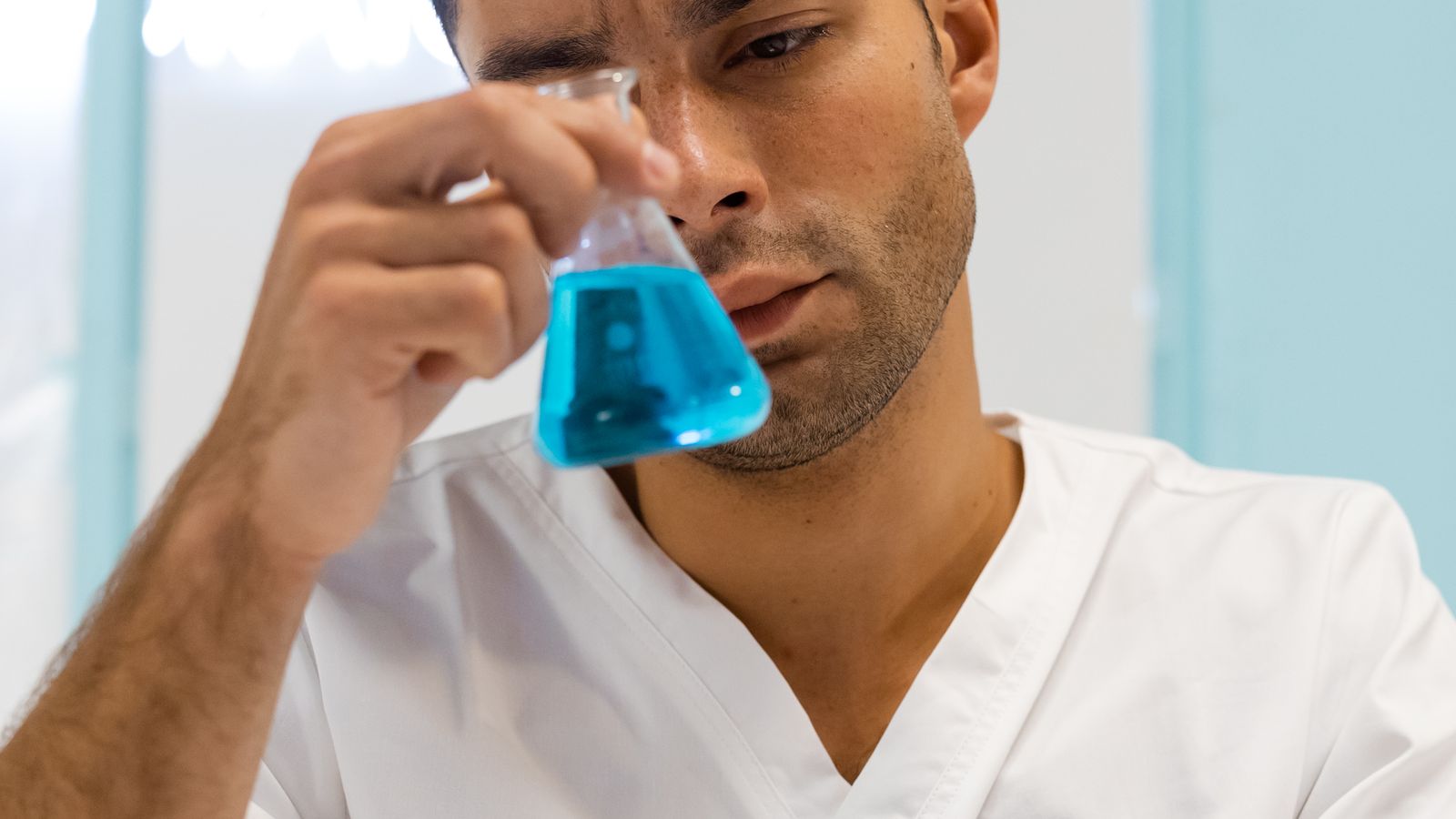
Scientist in lab coat examining blue liquid in flask, focused on experiment.
State Implements Dual-Layer Testing Protocol
The Connecticut Department of Consumer Protection now operates a verification lab that will re-test cannabis samples already cleared by private third-party laboratories. The facility targets products flagged for potency discrepancies, contamination risk, or routine quality-assurance audits. State officials haven't disclosed the lab's location or operational timeline beyond confirming it began operations in September 2026.
The verification system addresses recurring questions about testing accuracy in Connecticut's cannabis program, which launched adult-use sales in January 2023. Industry stakeholders have reported inconsistent potency labeling and isolated contaminant findings across the state's approved testing network.
Regulatory Authority and Scope
The Department of Consumer Protection retains authority under Connecticut General Statutes § 21a-420 to conduct independent testing of cannabis products at any point in the supply chain. The new lab exercises that statutory power by re-analyzing products post-certification. Samples selected for verification include random audits and targeted pulls based on consumer complaints or retail-level discrepancies.
Connecticut currently licenses six third-party testing laboratories. Those facilities conduct initial compliance testing for potency, pesticides, heavy metals, microbial contaminants, and residual solvents. The verification lab doesn't replace this front-line testing but creates an oversight mechanism to validate results.
Operational Workflow and Triggers
Verification testing will focus on three scenarios: routine random sampling, complaint-driven investigations, and products with potency claims exceeding 30% THC. The Department hasn't published the percentage of batches subject to re-testing or the statistical sampling methodology. Industry sources expect the lab to process several dozen samples monthly based on similar programs in other states.
When verification results conflict with initial lab findings, the Department may suspend product sales, require re-testing by a different licensed lab, or initiate enforcement action against the original testing facility. Penalties for inaccurate testing range from license suspension to civil fines under Connecticut's cannabis regulations.
Industry Compliance Implications
Cultivators and processors now face dual-testing risk. Verification failures trigger batch holds and potential financial losses from unsold inventory. A single failed verification can delay product release by 10 to 14 days while re-testing occurs. Operators have raised concerns about the lack of published tolerances for acceptable variance between initial and verification results.
The state hasn't clarified whether verification testing costs will be absorbed by the Department or billed back to licensees. Standard compliance testing in Connecticut costs $400 to $800 per batch depending on panel scope. For full background on this story, see the CannIntel topic hub on Connecticut Cannabis Testing.
Comparison to Other State Models
Connecticut joins California, Massachusetts, and Michigan in deploying state-run verification labs to audit private testing results. California's Bureau of Cannabis Control reported in 2024 that verification testing identified discrepancies in 18% of audited samples, primarily potency overstatements and pesticide detection failures. Massachusetts uses a tiered system where high-THC products automatically trigger state re-testing.
Connecticut's approach differs by conducting verification post-sale approval rather than pre-market. Products may already be on dispensary shelves when verification testing begins. This creates potential recall scenarios if results fail.
Next Steps and Monitoring Signals
The Department has committed to publishing quarterly verification testing data beginning in January 2027, including failure rates by testing lab and product category. Industry observers will track whether the new system reduces consumer complaints and improves testing consistency. The first public dataset will reveal how frequently initial lab results diverge from state verification findings.
Operators should watch for updated guidance on acceptable variance thresholds and cost allocation for verification re-tests. The Department has scheduled a stakeholder meeting for November 2026 to address procedural questions.
Frequently asked questions
What triggers verification testing in Connecticut?
The Department of Consumer Protection selects samples through random audits, consumer complaints, or products claiming THC potency above 30%. The state hasn't disclosed the percentage of batches subject to re-testing or detailed sampling criteria.
What happens if verification results differ from initial lab tests?
The Department may suspend product sales, require re-testing by a different licensed lab, or pursue enforcement action against the original testing facility. Penalties range from license suspension to civil fines under Connecticut cannabis regulations.
How does Connecticut's verification system compare to other states?
Connecticut conducts verification after products receive initial approval, unlike California and Massachusetts which often test pre-market. California's program found discrepancies in 18% of audited samples in 2024, primarily potency overstatements and pesticide failures.
When will Connecticut publish verification testing data?
The Department committed to releasing quarterly reports starting January 2027. Data will include failure rates by testing lab and product category, providing transparency on testing consistency across the state's licensed facilities.
Sources
The cannabis newsletter you forward to your team.
Federal policy, market data, grower alerts, and the one story that matters today. Sent every weekday at 7am. Free.
No spam. Unsubscribe with one click. 21+ only.
Related from Laws

Virginia releases draft rules for recreational cannabis sales
Virginia's draft sales rules, released Oct. 12, 2026, give operators their first look at the regulatory text behind a retail launch slated for 2027.

Idaho Sets Nov. 3 Vote on Legislature's Sole Power to Legalize Marijuana
A ballot question would decide whether only lawmakers, not voters, can legalize marijuana in Idaho, a state with no adult-use or medical market.

Wholesaler Settles for $2M Over Illegal THC Product Sales
A wholesaler agreed to a $2 million settlement over illegal THC products, but the public record is thin on who, where and what was sold.
More from the newsroom

Illinois Report Shows Cannabis Sales and Taxes Fell as Prices Dropped
A new state report shows Illinois shoppers bought more cannabis at lower prices, but total sales revenue and tax collections still declined.

Study Finds Cannabis Hospitalisations Up 49% in a Decade
A study reported by Mirage News puts the ten-year rise at 49%. The paper's geography, definitions and denominators will decide what that number means.
Tilray Beverage Growth vs. Cannabis Weakness: The Tax Read
Kalkine Media asks whether Tilray's beverage business can offset cannabis softness; a tax and segment-level reading shows what the answer depends on.