Cannabis Insurance Bill Seeks to Expand US Insurer Participation
Federal legislation aims to remove regulatory barriers preventing traditional insurers from serving state-legal cannabis operators.

Top view of home insurance forms, laptop, and documents on a desk, conveying a professional office setting.
Bill Targets Federal Insurance Barriers
The legislation would clarify that insurers face no federal penalty for providing coverage to state-licensed cannabis operators. Under current interpretation, many carriers have declined to write policies for cannabis businesses due to concerns about violating federal anti-money laundering statutes or running afoul of federal banking regulators who view cannabis proceeds as suspect funds.
The bill doesn't change cannabis's Schedule I status. It creates a safe harbor for insurance transactions only.
Current Market Dominated by Specialty Carriers
Fewer than two dozen insurers currently serve the US cannabis industry, most of them small specialty carriers charging premiums 3-5 times higher than comparable non-cannabis risks. Multi-state operators report annual insurance costs ranging from $2 million to $8 million for comprehensive coverage including property, general liability, product liability, and crop insurance.
Major carriers including Chubb, Travelers, and AIG have publicly stated they won't write cannabis risks until federal law changes. The result? A concentrated market where a handful of MGAs and program administrators control pricing and capacity.
Industry Faces Coverage Gaps and High Costs
The limited insurer pool has created chronic underinsurance across the sector. A 2025 industry survey found that 40% of cannabis operators carry property limits below replacement cost, and 60% lack adequate business interruption coverage. When California wildfires destroyed cultivation facilities in 2024, several operators discovered their policies capped payouts well below actual losses.
Premium rates for cannabis property insurance average $12-$18 per $1,000 of insured value, compared to $3-$6 for non-cannabis agricultural operations. General liability premiums run $8,000-$25,000 annually for a single dispensary. Comparable retail? Just $1,500-$3,500.
Bill's Prospects Remain Uncertain
This bill faces an uphill climb in a divided Congress where cannabis banking legislation has stalled repeatedly since 2019. The SAFE Banking Act passed the House seven times but never cleared the Senate. Insurance reform could be folded into a broader cannabis package or advance as standalone legislation if sponsors can frame it as a narrow technical fix rather than broad legalization.
For full background on this story, see the CannIntel topic hub on Cannabis Insurance Legislation.
What Expanded Participation Would Mean
If traditional carriers enter the market, operators could see premium reductions of 40-60% within 18 months as competition increases. Broader participation would also expand available coverage types. Few current cannabis insurers offer cyber liability, employment practices liability, or directors-and-officers coverage tailored to the sector's needs.
Impact extends beyond pricing. Access to standard-market insurance could ease cannabis operators' difficulties securing bank accounts and investor capital, both of which often require proof of adequate coverage from rated carriers. Watch whether the bill gains co-sponsors from both parties and receives a committee hearing before the current session ends in December.
For complete background, history, and our ongoing coverage of this story:
Open the CannIntel topic hub →Frequently asked questions
Why don't major insurance companies cover cannabis businesses?
Most major carriers avoid cannabis due to concerns about federal anti-money laundering laws and banking regulations that treat cannabis proceeds as potentially illegal funds, even when the business operates legally under state law. They fear regulatory penalties or losing federal banking relationships.
How much more do cannabis businesses pay for insurance?
Cannabis operators typically pay 3-5 times higher premiums than comparable non-cannabis businesses. Property insurance averages $12-$18 per $1,000 of coverage versus $3-$6 for standard agricultural operations, and general liability for a dispensary costs $8,000-$25,000 annually versus $1,500-$3,500 for comparable retail.
Would this bill legalize cannabis federally?
No. The bill creates a narrow safe harbor for insurance transactions only and doesn't change cannabis's Schedule I status under the Controlled Substances Act. It simply clarifies that insurers won't face federal penalties for providing coverage to state-licensed operators.
How many insurers currently serve the cannabis industry?
Fewer than two dozen insurers actively write cannabis policies in the US market, most of them small specialty carriers or managing general agents. This limited pool creates concentrated pricing power and leaves many operators underinsured or unable to obtain certain coverage types.
Sources
The cannabis newsletter you forward to your team.
Federal policy, market data, grower alerts, and the one story that matters today. Sent every weekday at 7am. Free.
No spam. Unsubscribe with one click. 21+ only.
Related from Laws

Idaho Ballot Measure Blocks Corporate-Funded Cannabis Legalization Campaigns
Proposed constitutional amendment would bar out-of-state entities from financing future marijuana legalization efforts in Idaho.
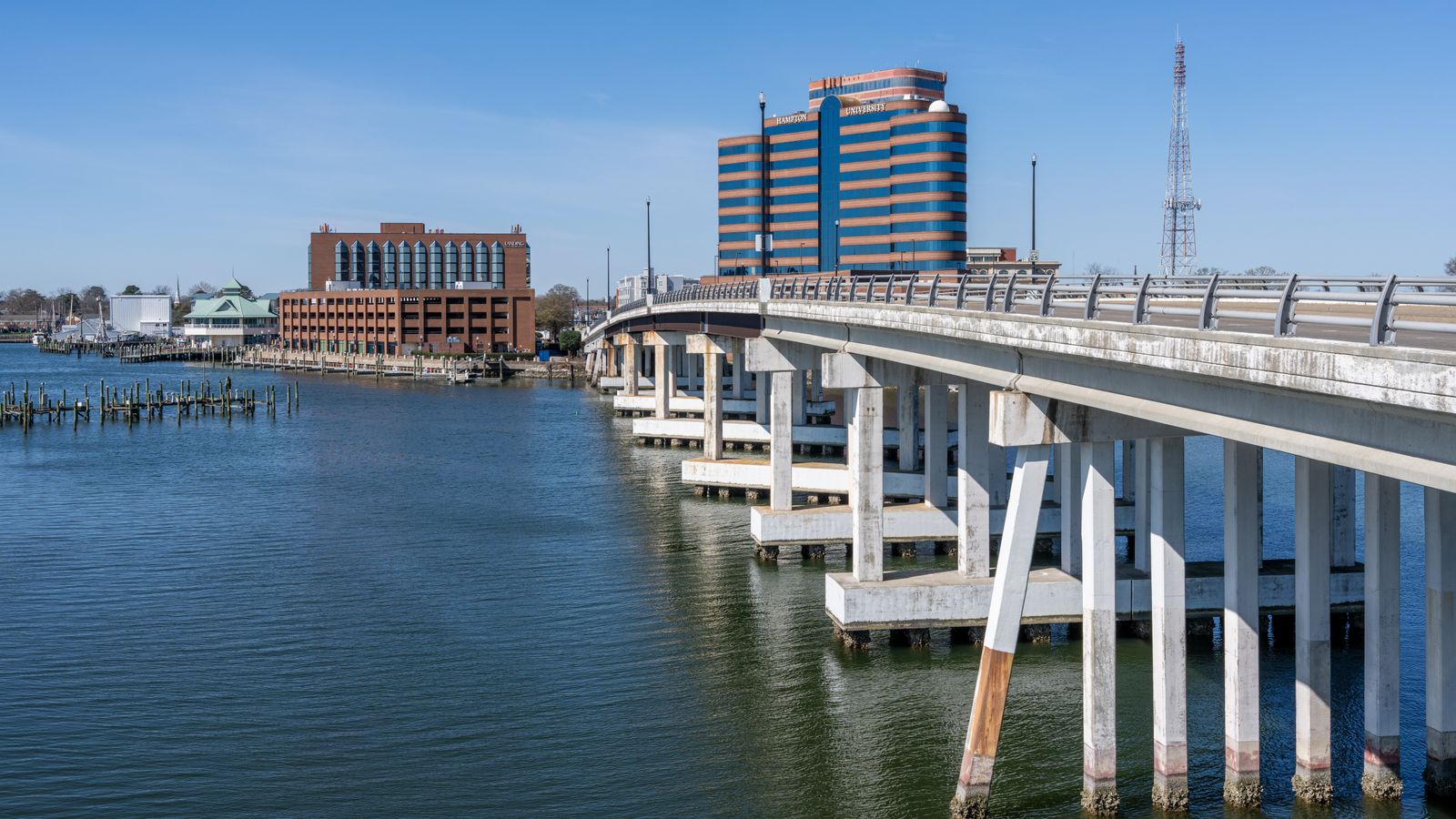
Chesapeake Advances Zoning Rules for Adult-Use Cannabis Retail
City council takes initial step toward regulating where recreational marijuana dispensaries can operate in Virginia's second-largest city.

DEA Proposes Schedule I Placement for Psychedelics as FDA Advances Therapy Pathway
Federal agencies diverge on psychedelic access as DEA moves to ban compounds while FDA creates accelerated approval track.
More from the newsroom

Aurora Files Complaint with Alberta Regulator Over Curaleaf Bid Deficiencies
Canadian MSO alleges material disclosure gaps in Curaleaf's hostile takeover offer, escalating cross-border M&A fight.

Mainstream Insurers Push Federal Bill to Enter Cannabis Market
CLAIM Act targets federal-state conflict blocking carriers post-rescheduling, mirroring SAFE Banking playbook for insurance sector.

Connecticut Cannabis Sales Jump 27% But Revenue Gains Lag Amid Price Collapse
Retailers sold 27.5% more product in first eight months of 2026, yet revenue rose just 6.8% as unit prices fell.