Connecticut Cannabis Sales Jump 27% But Revenue Gains Lag Amid Price Collapse
Retailers sold 27.5% more product in first eight months of 2026, yet revenue rose just 6.8% as unit prices fell.

A detailed shot of a dried cannabis flower alongside a smoking pipe on a neutral background.
Volume-Revenue Gap Signals Sustained Price Compression
Connecticut's adult-use market is moving more product but generating less revenue per unit, a pattern that underscores sustained deflationary pressure in the state's two-year-old market. Through August 2026, retailers sold 27.5 percent more cannabis by weight and unit count than during the same eight-month window in 2025. Gross receipts climbed only 6.8 percent. That means average transaction values fell by roughly 16 percent year-over-year.
The gap is sharpest in flower and pre-roll categories, where wholesale oversupply has pushed retail shelf prices down by 20 to 30 percent since early 2025. Concentrates and edibles have held pricing better but still show single-digit declines.
Tax Revenue Implications for State Budget
Connecticut collects a 6.35 percent sales tax plus municipal option taxes on cannabis transactions, so the revenue slowdown directly hits both state and local budgets. If sales volume keeps growing at 25+ percent annually while revenue grows at single digits, the state's cannabis tax line—projected at $42 million for fiscal 2026—will likely miss targets by 10 to 15 percent.
The Department of Revenue Services hasn't released updated projections. For context on Connecticut's tax structure and market framework, see the CannIntel topic hub on Connecticut's adult-use market.
The math is brutal for operators: you need to sell 20 percent more product just to hold revenue flat when prices drop 16 percent.
Operator Margin Pressure Mounts
Multi-state operators and Connecticut-based cultivators are caught in a margin squeeze, with input costs—labor, energy, compliance—holding steady or rising while wholesale prices fall. Several cultivators interviewed off the record in recent weeks described the dynamic as unsustainable without consolidation or exit.
- Wholesale flower prices in Connecticut dropped from an average $2,800 per pound in Q1 2025 to roughly $1,900 per pound in Q3 2026.
- Retail shelf prices for premium eighths fell from $50-60 to $35-45 over the same period.
- Pre-roll margins compressed fastest, with some retailers now pricing 1-gram joints below $8 to compete with illicit market pricing.
Operators with vertically integrated licenses—cultivation, processing, retail—have more pricing flexibility than wholesale-dependent growers. But even integrated players report EBITDA margins down 8 to 12 percentage points year-over-year.
Illicit Market Competition Remains Factor
Connecticut's legal market competes with a persistent illicit sector that offers lower prices and no sales tax. That dynamic limits how much retailers can raise prices even as costs climb. State enforcement has ramped up unlicensed storefront raids in Hartford, New Haven, and Bridgeport, but delivery services and social-media sales remain difficult to police.
The state's Social Equity Council has approved 15 new retail licenses for Q4 2026, which will add supply-side pressure in urban corridors already seeing price competition. New Haven and Stamford are expected to see three new storefronts each by year-end.
What Operators Are Watching
The next inflection point is Q4 2026 holiday sales, historically the strongest quarter for Connecticut retailers. If volume growth continues at 25+ percent but revenue growth remains sub-10 percent, expect license-holder exits and M&A activity to accelerate in early 2027. Cultivators with high debt loads and no retail integration face the highest risk.
State regulators have signaled no intention to cap licenses or slow approvals. Supply will likely keep outpacing demand growth through mid-2027. The price floor—where cultivators can no longer cover variable costs—is estimated at $1,400 to $1,600 per pound wholesale. Connecticut isn't there yet, but the trajectory is clear.
Sources
The cannabis newsletter you forward to your team.
Federal policy, market data, grower alerts, and the one story that matters today. Sent every weekday at 7am. Free.
No spam. Unsubscribe with one click. 21+ only.
Related from Business

Aurora Files Complaint with Alberta Regulator Over Curaleaf Bid Deficiencies
Canadian MSO alleges material disclosure gaps in Curaleaf's hostile takeover offer, escalating cross-border M&A fight.

Mainstream Insurers Push Federal Bill to Enter Cannabis Market
CLAIM Act targets federal-state conflict blocking carriers post-rescheduling, mirroring SAFE Banking playbook for insurance sector.

Marijuana Mogul, Pot Growth Firm Challenge $7.8 Million in Taxes
Cannabis executives contest IRS assessment in latest 280E dispute to reach Tax Court.
More from the newsroom

Idaho Ballot Measure Blocks Corporate-Funded Cannabis Legalization Campaigns
Proposed constitutional amendment would bar out-of-state entities from financing future marijuana legalization efforts in Idaho.
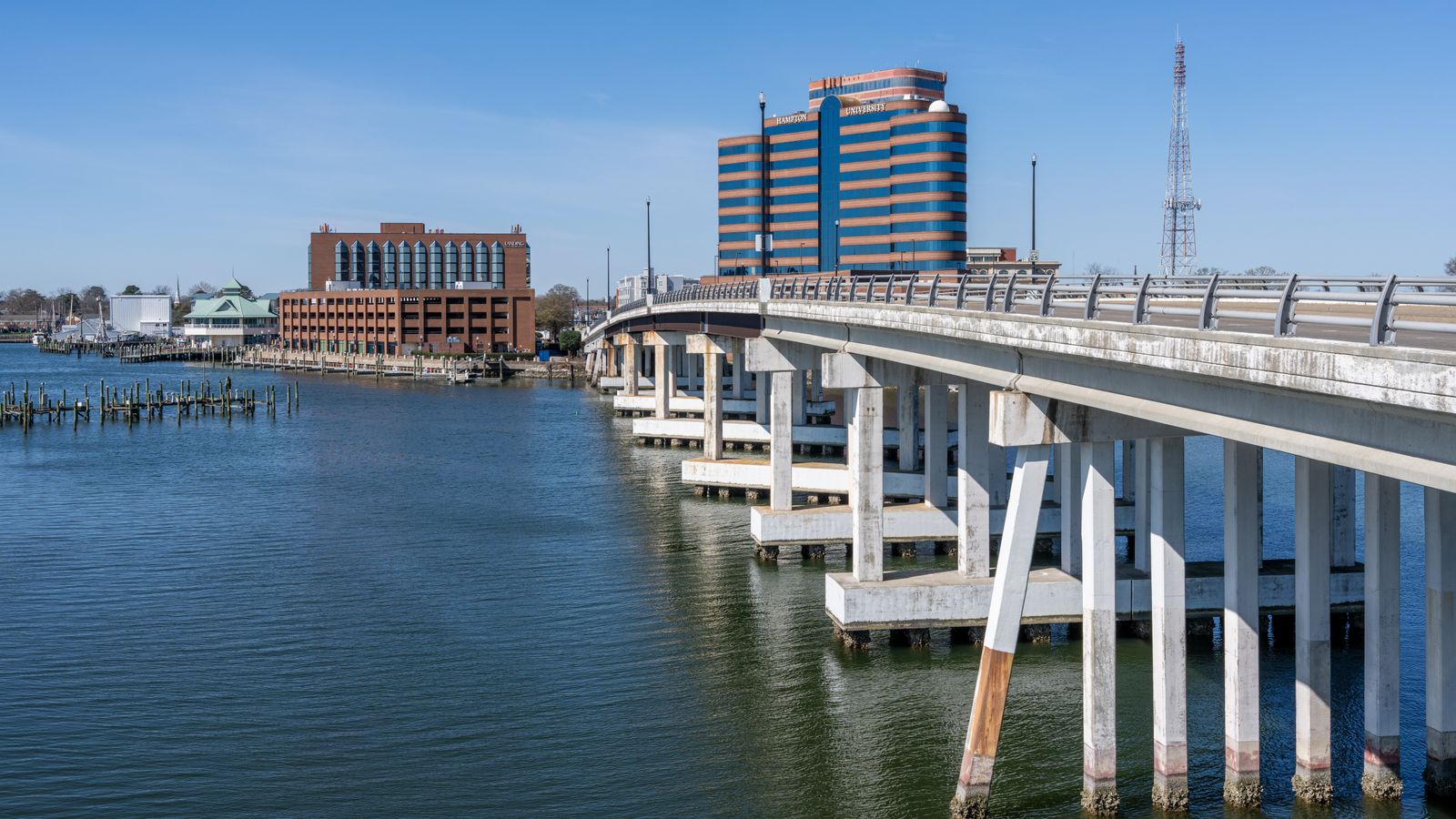
Chesapeake Advances Zoning Rules for Adult-Use Cannabis Retail
City council takes initial step toward regulating where recreational marijuana dispensaries can operate in Virginia's second-largest city.

Cannabis Insurance Bill Seeks to Expand US Insurer Participation
Federal legislation aims to remove regulatory barriers preventing traditional insurers from serving state-legal cannabis operators.