OCM Closes Binghamton Cannabis Shop in Enforcement Action
New York's Office of Cannabis Management shuttered an unlicensed Binghamton dispensary, marking the latest crackdown in the state's ongoing gray-market sweep.
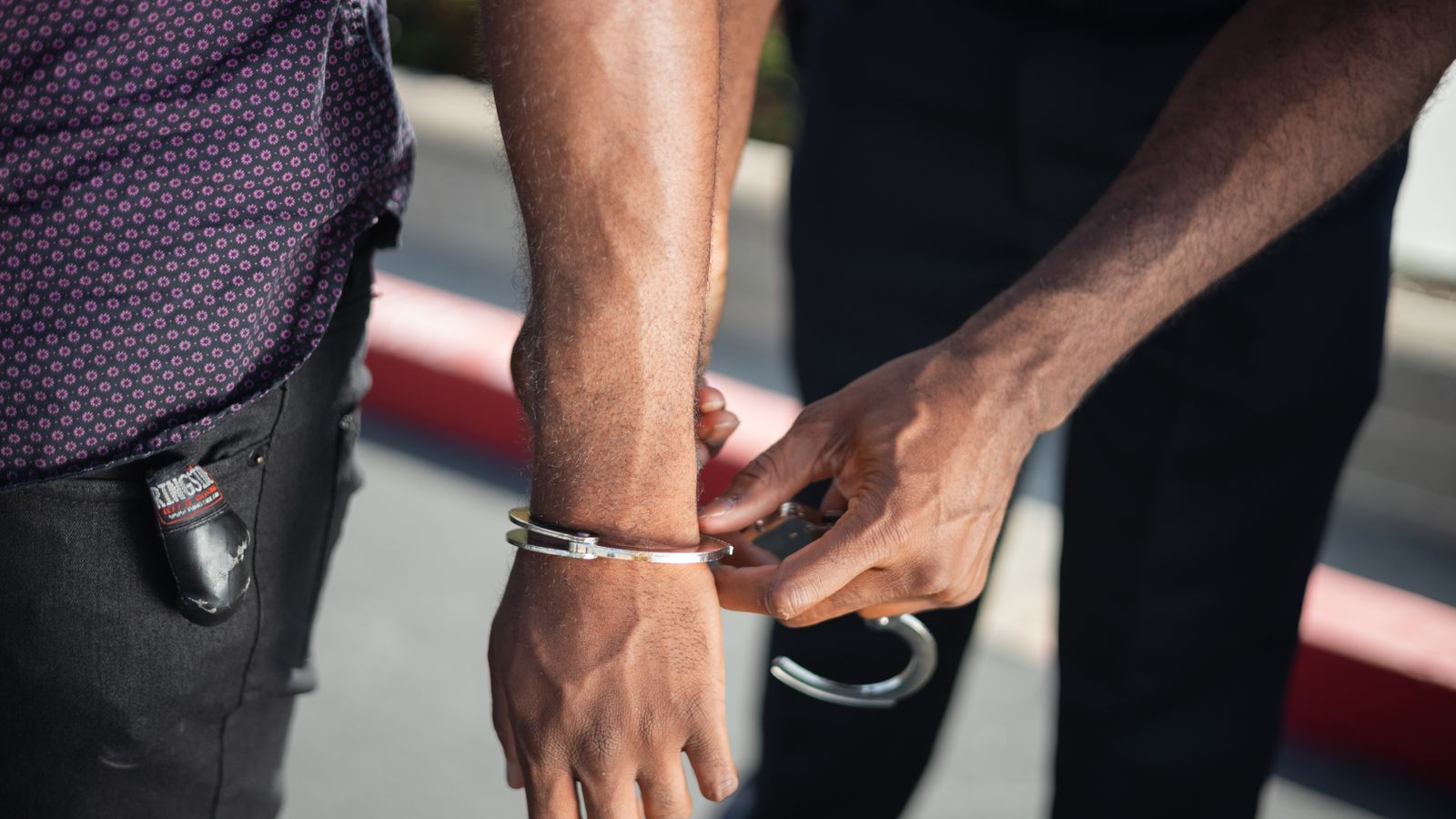
Close-up of a police officer handcuffing a suspect outdoors, enforcing law.
OCM Enforcement Action Targets Unlicensed Binghamton Retailer
The Office of Cannabis Management closed an unlicensed cannabis shop in Binghamton on September 4, 2026, following an enforcement inspection. The shop's name and exact location weren't disclosed in initial reports, consistent with OCM's practice of withholding operator details pending administrative proceedings. This closure marks at least the third enforcement action in Broome County since July 2026, when OCM opened a regional enforcement office in Syracuse to coordinate upstate inspections.
OCM enforcement teams have authority under the Marijuana Regulation and Taxation Act (MRTA) to issue cease-and-desist orders, seize inventory, and refer cases to local district attorneys for criminal prosecution. Penalties are steep. Unlicensed operators face civil fines up to $20,000 per violation and misdemeanor charges carrying up to one year in jail.
Binghamton has no licensed adult-use dispensaries as of September 2026. The nearest legal retailer is in Ithaca, 45 miles northwest.
Gray-Market Crackdown Accelerates Across New York
OCM has closed more than 1,200 unlicensed cannabis shops statewide since enforcement operations began in May 2023. The pace accelerated in 2026 after Governor Kathy Hochul signed legislation in April expanding OCM's inspection authority and allowing warrantless entry to suspected unlicensed retailers during business hours. The law also empowered local sheriffs to enforce cannabis regulations, a shift from the prior framework that limited enforcement to state inspectors and NYPD in New York City.
The operational challenge isn't identifying unlicensed shops—it's processing the volume of closures fast enough to prevent reopenings under new names at the same addresses.
Upstate counties have seen disproportionate unlicensed activity relative to their populations. Broome County, population 189,000, has logged 14 suspected unlicensed retailers on OCM's internal tracking list, compared to just two licensed conditional cultivators and zero licensed dispensaries. For full background on this story, see the CannIntel topic hub on New York Cannabis Enforcement.
Licensed operators have pressed OCM to publish a real-time map of enforcement actions, but the agency has declined, citing concerns that such transparency could tip off unlicensed operators ahead of inspections.
Licensed Operators Cite Competitive Disadvantage
New York's 157 licensed adult-use dispensaries continue to operate at a structural disadvantage to unlicensed competitors, who avoid the state's 13% retail excise tax and costly compliance infrastructure. Licensed retailers pay an average of $180,000 in annual regulatory and compliance costs, including security systems, inventory tracking software, and mandatory third-party testing, according to a June 2026 survey by the New York Cannabis Growers and Processors Association.
Unlicensed shops undercut licensed prices by 20-40% on average, according to price surveys conducted by CannIntel in Albany, Rochester, and Syracuse. The price gap widens in counties with no licensed retailers, where unlicensed operators face zero local competition from legal alternatives.
OCM has issued 281 Conditional Adult-Use Retail Dispensary (CAURD) licenses and 76 standard adult-use retail licenses since the program launched in November 2022. Roughly 40% of CAURD licensees haven't yet opened, citing delays in securing real estate, financing, and municipal approvals.
Frequently asked questions
Why did OCM close the Binghamton cannabis shop?
The shop was operating without a license from New York's Office of Cannabis Management. Unlicensed retailers violate the Marijuana Regulation and Taxation Act and face civil penalties up to $20,000 per violation, inventory seizure, and potential criminal charges.
How many unlicensed cannabis shops has New York closed?
OCM has closed more than 1,200 unlicensed cannabis retailers statewide since enforcement operations began in May 2023. The pace increased in 2026 after new legislation expanded OCM's inspection authority and allowed warrantless entry during business hours.
Are there any licensed dispensaries in Binghamton?
No. Binghamton has zero licensed adult-use cannabis dispensaries as of September 2026. The nearest legal retailer is in Ithaca, 45 miles northwest. Broome County has two licensed conditional cultivators but no retail licenses issued.
What penalties do unlicensed cannabis operators face in New York?
Unlicensed operators face civil penalties up to $20,000 per violation, inventory seizure, and referral to district attorneys for criminal prosecution. Misdemeanor charges carry up to one year in jail. Repeat offenders can face felony charges under certain conditions.
How do unlicensed shops undercut licensed dispensaries on price?
Unlicensed retailers avoid New York's 13% retail excise tax and don't pay for mandatory compliance infrastructure like security systems, inventory tracking software, or third-party lab testing. This allows them to undercut licensed prices by 20-40% on average.
Sources
The cannabis newsletter you forward to your team.
Federal policy, market data, grower alerts, and the one story that matters today. Sent every weekday at 7am. Free.
No spam. Unsubscribe with one click. 21+ only.
Related from Laws

Idaho Sets Nov. 3 Vote on Legislature's Sole Power to Legalize Marijuana
A ballot question would decide whether only lawmakers, not voters, can legalize marijuana in Idaho, a state with no adult-use or medical market.

Wholesaler Settles for $2M Over Illegal THC Product Sales
A wholesaler agreed to a $2 million settlement over illegal THC products, but the public record is thin on who, where and what was sold.

North Carolina's $3B Hemp Sector Faces Federal THC Ban Deadline
A federal redefinition of hemp takes effect Nov. 12, 2026, and North Carolina's roughly $3 billion industry is bracing for the cutoff.
More from the newsroom
Tilray Beverage Growth vs. Cannabis Weakness: The Tax Read
Kalkine Media asks whether Tilray's beverage business can offset cannabis softness; a tax and segment-level reading shows what the answer depends on.

Illinois Cannabis Use Rises While State Tax Revenue Dips
The Chicago Sun-Times reported Oct. 12 that Illinois consumption is climbing as cannabis tax collections slip, a split with consequences for state budgets and operators.
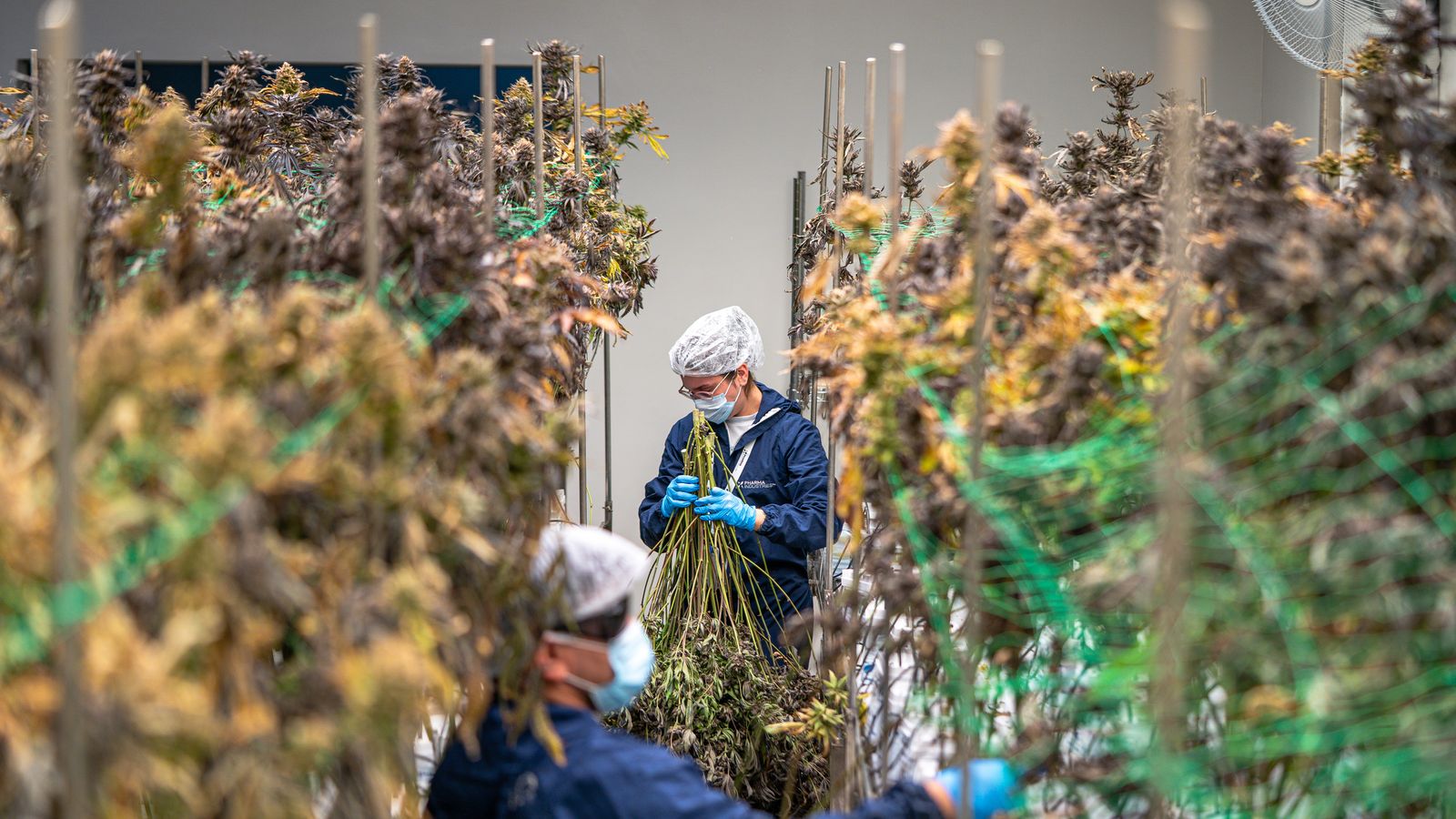
High Times Profiles Brute's Roots' Slow Pheno Bet in South Jersey
High Times Magazine profiled Brute's Roots on Oct. 12, framing the South Jersey operation's strategy around patience and phenotype selection.