Australia Advances Cannabis Law Reforms Across Multiple States
New legislative frameworks in Victoria, Queensland, and Western Australia shift possession thresholds and cultivation rules starting October 2026.

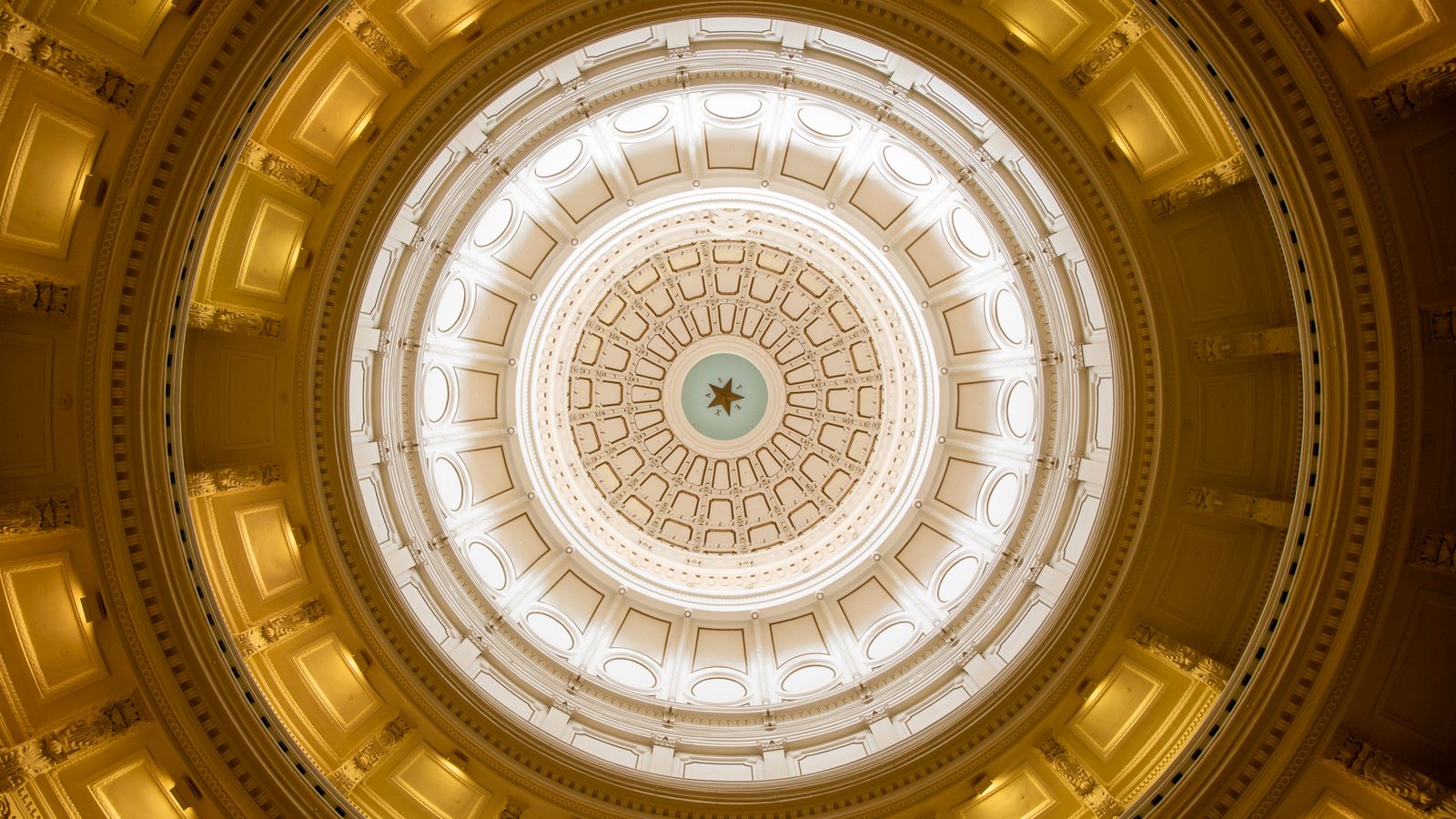
Vibrant interior of a parliament hall with a grand dome and intricate architecture.
Victoria Raises Possession Threshold to 50 Grams
Victoria's Cannabis Amendment Act 2026 increases the decriminalized possession limit from 25 grams to 50 grams of dried flower, effective October 1, 2026. The amendment, passed by the Victorian Parliament on September 15, 2026, applies to adults aged 18 and over. Possession of 50.1 to 100 grams remains a summary offense punishable by a maximum fine of AUD $500, while amounts exceeding 100 grams trigger trafficking provisions under the Drugs, Poisons and Controlled Substances Act 1981 (Vic).
The Victoria Department of Justice and Community Safety published the final regulations on September 18, 2026. The 50-gram threshold applies only to dried cannabis flower. Concentrates, edibles, and live plants remain subject to the existing zero-tolerance framework. Possession of any quantity of cannabis concentrate or resin continues to constitute a criminal offense under Schedule 11 of the DPCS Act.
The amendment doesn't alter cultivation prohibitions. Growing any number of cannabis plants for personal use remains illegal in Victoria, carrying penalties of up to two years' imprisonment for fewer than five plants and up to 15 years for five or more plants.
Queensland Introduces Four-Plant Home Cultivation Pilot
Queensland's Drug Misuse Amendment Regulation 2026 authorizes home cultivation of up to four cannabis plants per household in designated trial zones, beginning October 1, 2026. The regulation, approved by Queensland Cabinet on September 12, 2026, establishes a 24-month pilot program covering three local government areas: Brisbane City Council, Gold Coast City Council, and Cairns Regional Council.
Participation requires registration with the Queensland Department of Health and payment of a AUD $150 annual licensing fee. Registered cultivators must:
- Grow plants indoors or in a secured outdoor enclosure not visible from public spaces
- Limit household possession to 150 grams of dried flower derived from home-grown plants
- Prohibit sale, barter, or gifting of any home-grown cannabis
- Submit to annual compliance inspections by Queensland Health officers
Concentrates and extracts remain off-limits. Processing home-grown flower into hash, rosin, or any other derivative product remains a criminal offense under the Drugs Misuse Act 1986 (Qld), punishable by up to 15 years' imprisonment. The pilot doesn't decriminalize possession of cannabis purchased on the illicit market; only flower derived from a registered household's own plants qualifies for the 150-gram threshold.
Western Australia Expands Medical Access Pathways
Western Australia's Medicines and Poisons Amendment Regulations 2026 broaden the list of qualifying conditions for medical cannabis access and eliminate the requirement for specialist referral, effective October 1, 2026. The amendments, published in the Western Australian Government Gazette on September 16, 2026, add chronic pain, anxiety disorders, and post-traumatic stress disorder to the Schedule 8 authorization framework.
Patients previously required a referral from a specialist physician to access medical cannabis through the Therapeutic Goods Administration's Special Access Scheme or Authorised Prescriber pathway. The 2026 amendments permit general practitioners to authorize Schedule 8 cannabis products for the newly added conditions without specialist consultation. The Western Australia Department of Health estimates the change will expand the eligible patient pool from approximately 12,000 to 85,000 residents.
Possession limits for authorized patients remain unchanged. Medical cannabis patients may possess up to a three-month supply as specified on their prescription, consistent with existing Schedule 8 controlled-substance protocols. Unauthorized possession of any amount remains a criminal offense under the Misuse of Drugs Act 1981 (WA).
Federal Schedule 4 Reclassification Proposal Stalls
The Therapeutic Goods Administration's proposed reclassification of low-THC cannabis products from Schedule 8 to Schedule 4 remains pending as of September 20, 2026, with no final decision date announced. The TGA published the draft reclassification notice on June 3, 2026, proposing to move cannabis products containing ≤2% THC and ≥98% CBD to Schedule 4 (Prescription Only Medicine), which would eliminate the need for real-time TGA approval of individual patient access requests.
The public comment period closed August 1, 2026. According to the agency's consultation register, the TGA received 1,847 submissions. Industry stakeholders including Cann Group Ltd and Althea Group Holdings submitted formal comments supporting the reclassification, while the Australian Medical Association opposed the change, citing insufficient evidence for standardized dosing protocols.
All cannabis products remain Schedule 8 substances at the federal level, regardless of THC concentration, until the TGA publishes a final determination in the Commonwealth Gazette. The state-level reforms in Victoria, Queensland, and Western Australia operate independently of the federal scheduling framework and don't require TGA action to take effect.
Penalty Structures Diverge Across Jurisdictions
The three state reforms create non-uniform penalty frameworks that complicate cross-border enforcement and increase compliance risk for patients and casual users traveling between states. Key divergences include:
- Victoria: 50-gram decriminalized threshold; no cultivation allowed; concentrates remain fully criminal
- Queensland: Four-plant home grow permitted in trial zones only; 150-gram possession limit applies solely to home-grown flower; no decriminalization for purchased cannabis
- Western Australia: No change to recreational possession laws; medical-only expansion; GP authorization replaces specialist referral
- New South Wales, South Australia, Tasmania, Northern Territory, ACT: No legislative changes announced; existing frameworks remain in force
A Queensland resident registered under the home-cultivation pilot who transports 100 grams of home-grown flower to Victoria would face prosecution in Victoria, where cultivation-derived cannabis carries no legal distinction from illicit-market product. The reverse scenario—a Victorian resident possessing 50 grams in Queensland—would also trigger criminal liability, as Queensland's decriminalization framework doesn't extend to non-home-grown cannabis.
Tax and Revenue Implications Remain Undefined
None of the three state reforms establish excise tax structures, sales tax regimes, or commercial licensing frameworks, limiting revenue capture to registration and licensing fees. Queensland's AUD $150 annual home-cultivation license fee, applied to an estimated 15,000 to 25,000 households in the three trial zones, would generate AUD $2.25 million to AUD $3.75 million annually. Victoria and Western Australia impose no new fees under their respective amendments.
The absence of a commercial retail framework means no goods-and-services tax (GST) revenue accrues to the federal government from legal cannabis transactions. Medical cannabis sales in Australia remain subject to the standard 10% GST under the A New Tax System (Goods and Services Tax) Act 1999 (Cth), but the state reforms don't expand the taxable commercial market.
Canada's federal excise duty on recreational cannabis generated CAD $186 million in fiscal year 2022-2023, applied to a population of 39 million. Australia's population of 26 million, under a comparable excise framework, could theoretically generate AUD $120 million to AUD $150 million annually, assuming similar per-capita consumption rates. The current state-level reforms capture none of that potential revenue.
What Operators and Patients Should Monitor
The October 1, 2026 effective date creates a 10-day implementation window for patients, cultivators, and compliance officers to align operations with the new frameworks. Medical cannabis companies operating in Western Australia should update prescriber education materials to reflect the GP-authorization pathway and revised qualifying-condition list. Patients in Queensland's trial zones must complete registration applications and pay licensing fees before commencing cultivation; the Queensland Department of Health hasn't published guidance on whether cultivation may begin before the physical license card is issued.
Cross-border travelers should assume zero legal protection when transporting cannabis between states, even when possession is lawful in both the origin and destination jurisdictions. Interstate transport of Schedule 8 substances without a federal permit remains a criminal offense under the Customs Act 1901 (Cth), regardless of state-level decriminalization or medical authorization.
The TGA's Schedule 4 reclassification decision represents the next major federal variable. A final determination could arrive in Q4 2026 or slip into 2027. Until then, all cannabis products require individual TGA approval under the Special Access Scheme or Authorised Prescriber frameworks, even in states that have expanded medical access via GP authorization. For the latest updates on this story, see the CannIntel topic hub on Australia Cannabis Reform.
For complete background, history, and our ongoing coverage of this story:
Open the CannIntel topic hub →Frequently asked questions
Can I travel between Australian states with legally possessed cannabis?
No. Interstate transport of cannabis remains a federal offense under the Customs Act 1901 (Cth), even when possession is lawful in both the origin and destination states. Patients with medical authorizations and Queensland home-cultivation participants cannot legally transport cannabis across state borders without a federal permit, which the TGA does not issue for personal use.
Does Victoria's 50-gram threshold apply to concentrates or edibles?
No. The 50-gram decriminalized threshold applies only to dried cannabis flower. Possession of any quantity of concentrates, resins, edibles, or live plants remains a criminal offense under Schedule 11 of the Drugs, Poisons and Controlled Substances Act 1981 (Vic).
Can Queensland home-cultivation participants sell or gift their harvest?
No. The Drug Misuse Amendment Regulation 2026 (Qld) explicitly prohibits sale, barter, or gifting of home-grown cannabis. Violation triggers trafficking provisions under the Drugs Misuse Act 1986 (Qld), punishable by up to 25 years' imprisonment depending on quantity. The 150-gram household possession limit applies only to flower consumed by the registered household.
When will the TGA finalize the Schedule 4 reclassification for low-THC products?
No final decision date has been announced as of September 20, 2026. The TGA published the draft reclassification notice on June 3, 2026, and closed the public comment period on August 1, 2026. The agency hasn't indicated whether the determination will be published in Q4 2026 or deferred to 2027.
Do the state reforms generate tax revenue for the federal government?
No. The reforms don't establish commercial retail frameworks or excise tax structures. Queensland's AUD $150 home-cultivation license fee generates an estimated AUD $2.25 million to AUD $3.75 million annually for the state. No federal GST revenue accrues from the decriminalization or home-cultivation pathways, as no taxable commercial transactions occur under the new frameworks.
Sources
The cannabis newsletter you forward to your team.
Federal policy, market data, grower alerts, and the one story that matters today. Sent every weekday at 7am. Free.
No spam. Unsubscribe with one click. 21+ only.
Related from Laws

Vicente LLP Sets Webinar on DEA Registration Denials for Cannabis
The law firm's session targets operators weighing next steps after DEA registration denials and questions over whether applicants complied on time, a gap the signal does not fully detail.
Texas Lt. Gov.-elect Goodwin Puts Marijuana on 2027 Agenda
Vikki Goodwin, Texas's lieutenant governor-elect, listed marijuana alongside education, gambling and Medicaid as priorities ahead of the 2027 legislative session, according to KSAT.

Newswire Item Says DEA Restricts State Medical Marijuana Operators
A Nov. 11 headline describes DEA action against state medical programs, but names no state, rule or docket, so the claim awaits a primary document.
More from the newsroom

Oregon health officials update review of cannabis health effects
State health officials refreshed their review of cannabis health effects, weighing risks against benefits, according to NPR for Oregonians coverage published Nov. 11.

Peoria City Council votes to allow drive-through cannabis sales
Peoria's council approved drive-through and curbside cannabis sales, a local zoning move that still has to square with Illinois dispensary rules.

Texas Democrats Put Marijuana Push on Five-Item Agenda
A Christian Post list of Democratic priorities in Texas pairs a marijuana push with red flag laws and Medicaid expansion, without bill text.