Alaska Marijuana Conviction Sealing Bill Becomes Law Without Signature
HB 43 allows Alaskans to seal cannabis records after waiting periods, becoming law through legislative override of gubernatorial inaction.

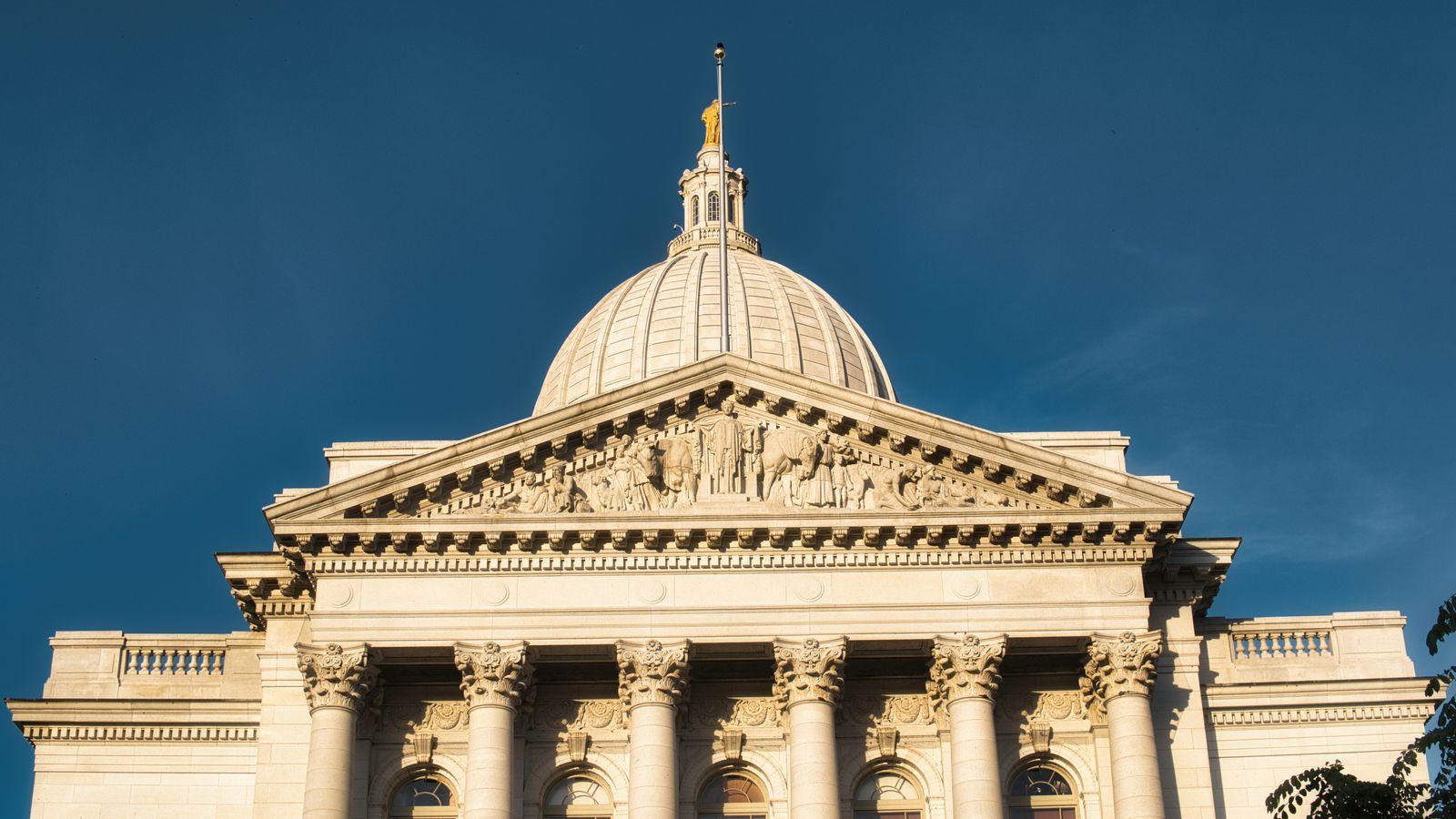
Neoclassical architecture of Utah State Capitol dome at twilight, Salt Lake City, USA.
Bill Becomes Law Through Constitutional Mechanism
HB 43 became law automatically after Governor Mike Dunleavy neither signed nor vetoed the legislation within the 20-day constitutional window. Under Alaska's constitution, bills passed by the legislature become law without the governor's signature if no action is taken within the prescribed period. The bill's effective date is June 23, 2026.
The governor's office didn't issue a statement explaining the decision. This procedural route differs from an active veto, which would have required a two-thirds legislative override vote.
Waiting Periods Tied to Conviction Severity
The statute establishes tiered waiting periods before individuals may petition to seal marijuana convictions: three years for misdemeanors and ten years for felonies. Petitioners must demonstrate they've completed all sentencing requirements, including probation and restitution, and haven't incurred subsequent convictions during the waiting period.
Alaska courts will evaluate petitions case by case. Judges retain discretion to deny sealing requests if they determine public safety or justice interests outweigh the petitioner's rehabilitation.
Legislative Sponsors and Vote Tallies
Representative Zack Fields (D-Anchorage) sponsored HB 43, which passed the Alaska House of Representatives 28-12 on April 15, 2026. The Alaska Senate approved the measure 14-6 on May 8, 2026. Both votes exceeded simple-majority thresholds, though not the two-thirds margin required to override a veto.
Fields said the bill addresses barriers to employment and housing faced by Alaskans with decades-old cannabis convictions. Co-sponsors included Representatives Ashley Carrick (D-Fairbanks) and Andrew Gray (D-Anchorage).
Scope of Eligible Offenses
HB 43 applies exclusively to convictions for marijuana possession, cultivation, and distribution offenses that wouldn't constitute crimes under Alaska's current legal cannabis framework. Alaska legalized adult-use cannabis in 2014 through ballot initiative. Offenses involving minors, impaired driving, or concurrent violent crimes remain ineligible for sealing under the new law.
Alaska's Alcohol and Marijuana Control Office estimates that approximately 3,200 residents hold convictions that may qualify for sealing, based on court records from 1975 through 2014.
Procedural Requirements for Petitioners
Individuals seeking to seal records must file a petition in the Alaska Superior Court district where the conviction occurred. Requirements include certified copies of the conviction and sentencing documents, evidence of sentence completion including discharge from probation, and a criminal history report showing no subsequent convictions during the waiting period.
The Alaska Court System will develop standardized forms and instructions by August 1, 2026. Filing fees are set at $150, with fee waivers available for indigent petitioners.
Impact on Background Checks and Public Records
Sealed convictions won't appear in standard employment or housing background checks conducted by private entities. Law enforcement agencies retain access to sealed records for investigative purposes. Individuals whose records are sealed may lawfully state they haven't been convicted of the offense in most contexts, with exceptions for applications to law enforcement positions or firearms permits.
The sealing mechanism balances public safety with the reality that Alaskans convicted under outdated cannabis laws face lifelong employment and housing obstacles, even as the state now permits legal adult use.
Next Steps and Implementation Timeline
The Alaska Court System has 60 days to publish procedural rules and petition forms, with the first petitions expected by late August 2026. The Department of Public Safety will coordinate with court administrators to ensure sealed records are properly flagged in state databases.
We'll be watching how many Alaskans file petitions in the first six months, and whether courts grant sealing requests at rates comparable to other states with similar statutes. For full background on cannabis record relief efforts nationwide, see the CannIntel topic hub on cannabis record expungement. Alaska joins 23 other states that have enacted some form of marijuana conviction relief since 2018, though sealing mechanisms vary widely in scope and accessibility.
Sources
The cannabis newsletter you forward to your team.
Federal policy, market data, grower alerts, and the one story that matters today. Sent every weekday at 7am. Free.
No spam. Unsubscribe with one click. 21+ only.
Related from Laws

Thailand Opens Public Comment on Cannabis Control Bill
Public Health Ministry seeks input on draft law that would reclassify cannabis as narcotic.

Virginia Officials Reach Cannabis Retail Deal, Ending Legal Limbo
Agreement resolves three-year standoff over adult-use sales framework and tax structure.
Oak Grove Opens Kentucky's First Medical Cannabis Dispensary
Christian County dispensary marks operational launch of Kentucky's medical cannabis program after decades of prohibition.
More from the newsroom
Hemp Beverage Operators Mobilize Against Federal Regulatory Threat
Industry groups ramp up lobbying as FDA and DEA scrutiny threatens $2B hemp THC drinks market.

Massachusetts CCC Cancels Public Update on Social Consumption Lounges
The Cannabis Control Commission removed a scheduled briefing from its June agenda without explanation.
Virginia's $250 Public Marijuana Fine Draws Advocate Pushback
Reform groups challenge civil penalty structure as disproportionate to decriminalization intent under Va. Code § 4.1-600.