Turkey Launches High-Security Cannabis Cultivation Program
Turkish authorities begin implementation of secure medical cannabis production infrastructure under new regulatory framework.

Vibrant cannabis plants growing inside a well-lit greenhouse facility for organic hemp cultivation.
Security Infrastructure Deployment
Turkish authorities are implementing enhanced security measures for state-controlled cannabis cultivation sites as the country moves from regulatory planning to active production. The effort follows Turkey's 2024 authorization of medical cannabis cultivation, which limited production to state-supervised facilities under the Ministry of Agriculture and Forestry.
The security protocols represent a departure from Turkey's historical agricultural model. Unlike the country's traditional high-value crops—tobacco, hazelnuts, pistachios—medical cannabis production will operate under pharmaceutical-grade security from seed to harvest. Perimeter fencing. Surveillance systems. Restricted-access growing zones designed to prevent diversion.
Turkey's climate zones span USDA hardiness equivalents 7 through 10, with Mediterranean coastal regions offering year-round outdoor potential and interior Anatolian plateaus providing high-altitude, low-humidity environments suited to resin production. The security buildout suggests initial cultivation will likely occur in controlled indoor or greenhouse environments rather than open-field plots, prioritizing regulatory compliance over acreage scale.
Regulatory Timeline and Production Targets
The Turkish government hasn't disclosed specific cultivation start dates, acreage targets, or licensed cultivator names. The June 27 report confirms operational preparations are underway but doesn't specify whether plants are currently in the ground or when first harvest is anticipated.
Turkey's medical cannabis regulations, finalized in late 2024, restrict cultivation licenses to state-affiliated entities and research institutions. Private operators may participate only through partnership agreements with government agencies. This model mirrors frameworks in countries like Thailand and Greece during their early medical program rollouts, where state control preceded any private-sector licensing.
Some context: Turkey's pharmaceutical market is valued at approximately $8 billion annually, with significant import dependence for specialty medications. Domestic cannabis production could reduce reliance on imported cannabinoid APIs (active pharmaceutical ingredients), which currently come primarily from European and Israeli suppliers. The economic rationale centers on import substitution rather than export ambitions, at least in the program's initial phase.
Regional Implications and Cultivation Outlook
Turkey's entry into medical cannabis production positions the country as the first majority-Muslim nation in the Middle East-North Africa region to pursue large-scale domestic cultivation for pharmaceutical use. The move follows years of debate within Turkish agricultural and health ministries over whether cannabis production aligns with domestic drug policy.
The security-first approach signals Turkey's intent to firewall medical cannabis from its illicit market, which remains active despite strict enforcement. High-security cultivation sites function as a regulatory hedge, demonstrating to international observers (and domestic critics) that medical production won't leak into recreational channels.
From a grower's perspective, Turkey's diverse microclimates offer genuine agronomic advantages. Coastal Aegean and Mediterranean zones provide mild winters and long growing seasons; interior regions like Konya and Kayseri offer the temperature swings and dry air that can boost trichome density in certain cultivars. Whether Turkish regulators will permit outdoor cultivation—and whether security requirements make it economically viable—remains an open question. The next signal to watch: announcement of the first licensed cultivation entity and its geographic footprint.
Sources
The cannabis newsletter you forward to your team.
Federal policy, market data, grower alerts, and the one story that matters today. Sent every weekday at 7am. Free.
No spam. Unsubscribe with one click. 21+ only.
Related from Grow

Nepal Urged to Document Cannabis Landraces Before Policy Shift
Opinion piece calls for genetic preservation effort as government weighs legalization framework.

Nauni University Launches Cannabis Research Lab for Himachal Pradesh
The new facility will support the state's Green to Gold initiative by studying industrial hemp cultivation and cannabinoid extraction.

Delta BC Cannabis Growers Advance Expansion Plans in Mid-2026
Multiple cultivation operators in Delta, British Columbia signal facility buildouts and licensing activity as regional production capacity grows.
More from the newsroom

Pennsylvania passes $50.8B budget, omits marijuana legalization
The state legislature finalized spending without adult-use cannabis language, shelving revenue projections cited by legalization advocates.
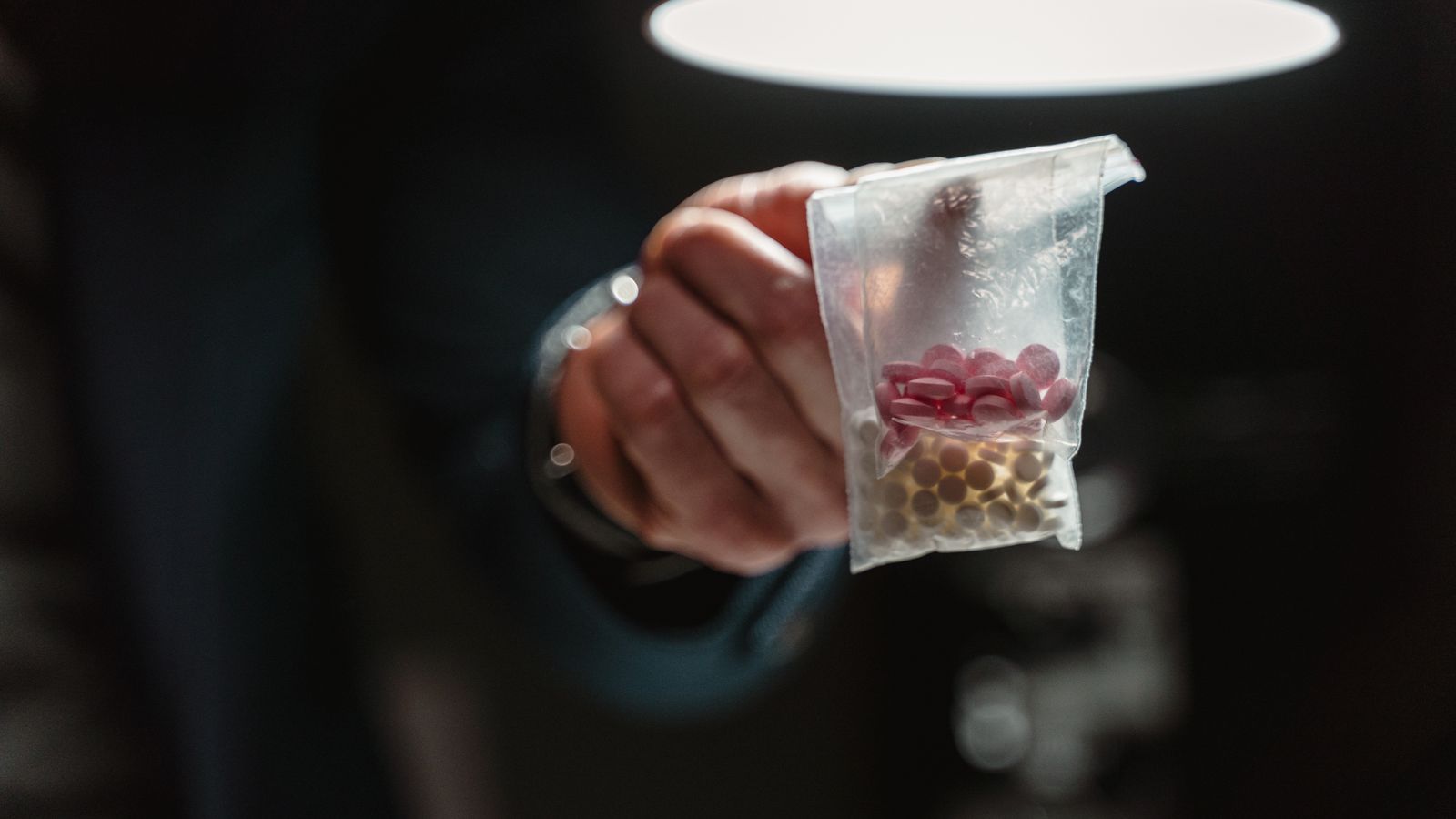
NDLEA Seizes N10.3 Billion in Canadian Cannabis, Arrests Lagos Courier
Nigeria's drug agency intercepted high-grade imported cannabis and methamphetamine in coordinated Lagos operations this week.

DEA Blocks Medical Marijuana Patient From Rescheduling Hearing
The agency denied a petition for a chronic pain patient to testify at the December administrative hearing.