Drying and Curing Cannabis in 2026: Terpene-First Protocol
The economic case for slow drying at 60F/60RH is settled. Here's how commercial and home growers are protecting volatile terpenes through post-harvest.

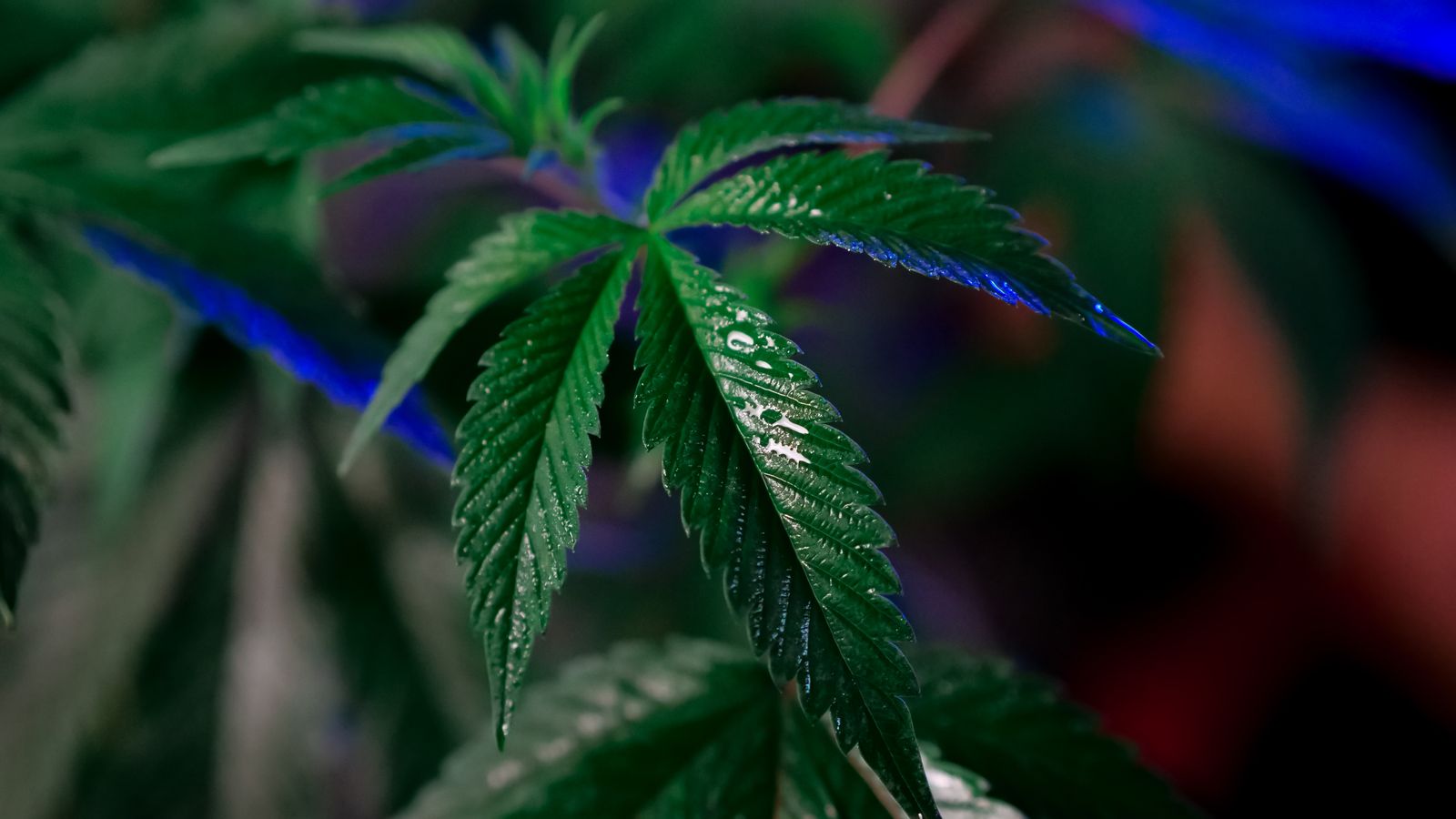
High-quality close-up image of dried cannabis buds in a clear glass container, showcasing texture and detail.
Most cultivators lose 40 to 60% of their terpene mass in the first 72 hours after harvest. The volatiles that define myrcene, limonene, and caryophyllene expression evaporate at room temperature. Growers who dry at 70F and 45% relative humidity are running a dehydrator, not a drying room. The flower comes out smokable but flat. Dispensaries notice. Consumers notice. Your price per pound reflects it.
The 2026 standard for terpene-forward drying is 60F and 60% RH, held for 10 to 14 days until stems snap cleanly and small branches bend before breaking. This is not new science. It is newly affordable. Commercial HVAC systems with integrated dehumidification and cooling now cost $4,000 to $8,000 per 500 square feet of drying space, down from $15,000 in 2021. The ROI on a single harvest pays for the equipment if you are moving 50 pounds or more.
Why Temperature and Humidity Control Matters
Terpenes are volatile organic compounds with boiling points between 110F and 370F depending on the molecule. Myrcene, the most abundant terpene in many cannabis cultivars, boils at 334F but begins to evaporate at much lower temperatures. At 75F, myrcene evaporation accelerates. At 80F, you are losing it faster than water. The same applies to limonene (349F boiling point) and pinene (311F). These are the terpenes that define citrus, fuel, and pine notes. If your drying room runs warm, you are venting them into the air before the flower reaches the jar.
Relative humidity governs the rate of moisture loss from the flower. Cannabis at harvest contains 70 to 75% water by weight. The goal is to reduce that to 10 to 12% without cracking trichome heads or overdrying the outer layers while the stem core remains wet. High humidity slows the process. Low humidity creates a moisture gradient where the outside of the bud dries to 8% while the inside sits at 18%. When you jar that flower, the internal moisture redistributes and you get mold.
The 60F/60RH protocol balances evaporation rate and terpene retention. At 60F, terpene volatility is low. At 60% RH, water leaves the flower slowly enough that the moisture gradient stays shallow. You get even drying from the surface to the stem. The trade-off is time. A 10-day dry cycle ties up space. If you are running perpetual harvest, you need dedicated drying rooms or you will bottleneck at post-harvest.
Setting Up the Drying Room
A proper drying room is a sealed, climate-controlled space with no light. Light degrades THC into CBN and accelerates terpene loss. If you are drying in a tent with passive ventilation, you are not controlling the environment. You are hoping.
Commercial setups use mini-split HVAC units with dehumidifiers or integrated systems like the Anden or Quest Dual units. Target specs: 60F plus or minus 2 degrees, 60% RH plus or minus 5%. Airflow should be gentle and indirect. Fans pointed at hanging flower create uneven drying and trichome damage. Use oscillating fans pointed at walls or ceilings to circulate air without direct impact.
Hang whole plants or large branches. Small buds dry faster than large colas, so separate by size if possible. Leave enough space between branches for airflow. Crowded drying racks trap humidity and invite mold, especially in dense cultivars like Gelato or Wedding Cake. Plan for 1.5 to 2 square feet of hanging space per pound of wet weight.
Monitor with calibrated hygrometers. Cheap units drift. Invest in Govee or SensorPush devices with data logging. Check readings at multiple points in the room. Microclimates happen. The corner near the dehumidifier may run 55% RH while the far wall sits at 65%. Adjust fan placement and airflow to even it out.
The Drying Timeline
Day 1 to 3: Flower loses water rapidly. Expect RH in the room to spike as moisture leaves the plant. Your dehumidifier will run hard. This is normal. Do not drop RH below 55% to compensate. Let the system stabilize.
Day 4 to 7: Water loss slows. The outer layers of the bud are dry to the touch but the stems are still pliable. This is the window where terpene preservation matters most. If your room temperature creeps above 65F, you are losing volatile monoterpenes. Keep it cool.
Day 8 to 10: Small stems begin to snap. Large stems still bend. The flower feels dry but not crispy. This is the target zone for most cultivars. Dense indicas may need another two to three days. Airy sativas may be ready at day 8.
Day 11 to 14: The snap test is your guide. When stems break cleanly with an audible crack, the internal moisture is below 12%. If stems bend or tear, wait another day. If the flower feels brittle, you have overdried and will need to rehydrate during cure.
Growers running tight schedules sometimes pull flower early and rely on curing to finish the dry. This works if you are vigilant about burping jars, but it increases mold risk. The safer play is to dry fully before jarring.
Curing: The Second Phase
Curing is controlled aging in a sealed environment. The goal is to allow residual moisture to redistribute evenly through the flower while enzymatic processes break down chlorophyll and refine the terpene profile. A proper cure takes four to eight weeks. Most commercial flower gets two weeks because cash flow does not wait. Home growers have the luxury of patience.
After drying, trim the flower if you have not already. Wet trimming before drying is faster but exposes more surface area and accelerates terpene loss. Dry trimming after the hang preserves more volatiles but takes longer and generates more hand fatigue. The choice depends on your labor model and target market. High-end buyers expect a clean dry trim. Bulk buyers do not care.
Place trimmed flower in glass jars or food-grade bins. Fill to 70 to 80% capacity. Overpacking restricts airflow and creates anaerobic pockets where mold thrives. Seal the container and place a calibrated hygrometer inside. Wait 12 hours and check the reading.
Target RH inside the jar: 58 to 62%. If the reading is below 55%, the flower is overdried. Add a humidity pack to bring it back. If the reading is above 65%, the flower is too wet. Open the jar and let it breathe for an hour, then reseal and check again in 12 hours. Repeat daily until RH stabilizes in the target range.
Humidity Packs: When and How to Use Them
Boveda and Integra Boost packs are two-way humidity regulators that add or remove moisture to maintain a set RH. The 62% packs are standard for curing. The 58% packs are better for long-term storage if you are holding flower for more than three months.
Humidity packs do not fix a bad dry. If you pull flower at 75% internal moisture and jar it with a 62% pack, you will get mold. The pack cannot remove water fast enough. Use packs to fine-tune RH after the flower is properly dried, not as a shortcut.
Each pack is rated for a specific volume. An 8-gram Boveda pack handles up to one ounce of flower. A 67-gram pack handles up to one pound. Undersizing the pack means it will deplete faster and stop regulating. Oversizing wastes money but does no harm.
Replace packs when they turn rigid. A fresh pack feels like a gel pouch. A spent pack feels like a brick. Depending on how wet your flower is when jarred, a pack may last two weeks or two months. Budget $0.50 to $1.00 per ounce for packs over a standard cure cycle.
Burping: The Manual Control
Burping is opening the jar to release built-up gases and exchange air. In the first week of cure, burp daily. Open the jar for 5 to 10 minutes, then reseal. This prevents anaerobic conditions and allows residual moisture to escape.
After week one, burp every two to three days. After week two, burp weekly. The frequency depends on how stable your RH is. If the hygrometer inside the jar reads 60% one day and 64% the next, you are still redistributing moisture. Keep burping. If it holds steady at 60 to 62% for three days straight, you can reduce the frequency.
Smell the flower each time you burp. Fresh cannabis smells bright and loud. Curing cannabis develops deeper, more complex notes as chlorophyll breaks down and terpenes oxidize into new compounds. If you smell ammonia or hay, you have anaerobic fermentation. The flower is too wet. Spread it out on a screen and let it dry for 12 to 24 hours before re-jarring.
The Science of Terpene Evolution During Cure
Terpenes do not just evaporate during cure. They transform. Myrcene oxidizes into other monoterpenes. Limonene converts to carvone and other derivatives. The result is a more layered, less one-dimensional aroma. This is why fresh flower smells sharp and cured flower smells smooth.
The transformation is enzymatic and requires time, moisture, and moderate temperature. A four-week cure at 60F and 60% RH allows enzymes to work without accelerating degradation. An eight-week cure deepens the profile further. Beyond eight weeks, the gains are marginal unless you are aging for specific effects, as some legacy growers do with long-cure sativas.
Terpene retention during cure depends on how much you preserved during drying. If you lost 60% of your myrcene in a hot, fast dry, the cure will not bring it back. You are working with what remains. This is why the drying protocol is the choke point. Get it wrong and no amount of careful curing will recover the loss.
Common Mistakes and How to Avoid Them
Overdrying is the most common error. Growers see stems snap at day 7 and assume the flower is ready. They jar it, check the hygrometer, and see 52% RH. The flower is too dry. It smokes harsh and the terpene profile is muted. The fix is to add a humidity pack and wait, but you cannot fully rehydrate trichomes once they have desiccated. Prevention is better. Dry to the high end of the target range (62% RH in the jar) rather than the low end.
Underdrying is the second most common error. Stems still bend at day 10, but the grower is impatient and jars the flower anyway. RH inside the jar climbs to 68%. Mold starts within a week. The fix is to pull the flower, spread it on screens, and finish the dry. The cost is time and the risk of terpene loss during the second dry cycle. Better to wait the extra two days on the initial hang.
Inconsistent environment is the third error. The drying room runs 60F at night and 68F during the day because the HVAC is undersized or the room is not insulated. The flower dries unevenly. Some buds are ready at day 8, others need day 12. You either harvest early and risk mold on the wet buds or wait and overdry the fast buds. The fix is better climate control. Insulate the room. Size the HVAC correctly. Use a controller with tight deadbands.
Skipping the hygrometer is the fourth error. Growers jar flower and assume it is curing properly because it looks and feels right. Two weeks later, they open the jar and find white mold on the biggest colas. The internal RH was 70% and they did not know. Hygrometers cost $8. Use them.
Scaling the Protocol
Home growers drying one to five pounds per harvest can use a 4x4 tent with a portable AC unit and a dehumidifier. Total cost: $800 to $1,200. The tent holds temperature and humidity better than an open room and keeps light out. Hang plants on adjustable racks or wire. Monitor with two hygrometers, one at the top and one at the bottom. Adjust airflow if readings diverge by more than 5%.
Commercial growers drying 50 to 200 pounds per harvest need dedicated rooms with commercial HVAC. Budget $6,000 to $12,000 for a 500-square-foot drying room with integrated climate control. Add $2,000 for racking and fans. The payoff is consistency. You can dial in 60F/60RH and hold it across multiple harvests without manual adjustments. Labor costs drop because you are not babysitting dehumidifiers and portable ACs.
Growers at 500-plus pounds per harvest often build multiple drying rooms to stagger harvest cycles. Each room runs a 10- to 14-day cycle. As one room empties, the next harvest fills it. This requires upfront capital but eliminates bottlenecks. The alternative is to dry faster at higher temperatures, which saves time but costs margin. The math favors slow drying if you have the space.
Testing and Validation
The only way to know if your protocol works is to test. Send samples to a lab before and after implementing changes. Compare total terpene percentages, not just THC. A flower that tests at 2.8% terpenes is worth more than one that tests at 1.6%, even if THC is identical.
Track terpene retention across harvests. If you are consistently losing 50% of your myrcene between fresh-frozen and cured flower, your drying temperature is too high or your cure is too long. Adjust and retest. If you are retaining 70% or more, you are in the top quartile of post-harvest quality.
Cannabinoid degradation is another metric. THC converts to CBN over time, especially in the presence of heat and light. A proper cure at 60F in the dark minimizes this. If your CBN levels are climbing above 0.5% during cure, your storage conditions are too warm or your flower is exposed to light. Fix it.
The Economics of Terpene Preservation
Oregon wholesale prices in early 2026: bulk flower at 18 to 22% THC and 1.0 to 1.5% terpenes sells for $800 to $1,000 per pound. Premium flower at 24 to 28% THC and 2.5 to 3.5% terpenes sells for $1,600 to $2,000 per pound. The terpene percentage is often the deciding factor. Dispensaries can sell high-terpene flower at $35 to $50 per eighth. Low-terpene flower moves at $20 to $25 per eighth or gets turned into pre-rolls.
A 100-pound harvest dried hot and fast might gross $90,000. The same harvest dried slow and careful might gross $160,000. The difference is $70,000. The cost of proper drying infrastructure is $10,000 to $15,000. The ROI is immediate.
Home growers see the same dynamic at smaller scale. An ounce of homegrown that rivals dispensary top-shelf is worth $200 to $300 in equivalent value. An ounce that smokes like mids is worth $80 to $100. The effort to grow both is identical. The difference is post-harvest.
Future Trends
Freeze drying is gaining traction in high-end markets. The process removes water at subzero temperatures under vacuum, preserving terpenes and cannabinoids at near-harvest levels. Freeze-dried flower retests at 90 to 95% of fresh-frozen terpene content, compared to 60 to 70% for traditional drying. The equipment costs $20,000 to $50,000 for a commercial unit and the process takes 24 to 36 hours per batch. The flower comes out brittle and requires rehydration before packaging, but the terpene retention is unmatched. Expect adoption to grow as prices drop.
Controlled-atmosphere storage is another emerging tool. Nitrogen-flushed containers or CO2-enriched curing environments slow oxidation and extend shelf life. Some cultivators are experimenting with argon, which is denser than nitrogen and may offer better protection. The data is still thin, but early results suggest 10 to 15% better terpene retention over six months compared to standard curing in air.
Automated curing systems with integrated sensors and burping mechanisms are entering the market. These units monitor RH and gas composition inside sealed containers and open vents automatically when thresholds are exceeded. The cost is $5,000 to $15,000 depending on capacity. The value proposition is labor savings and consistency, especially for growers running large-scale operations where manual burping is a bottleneck.
Frequently asked questions
What is the ideal temperature and humidity for drying cannabis?
60F and 60% relative humidity, held for 10 to 14 days. This balances slow, even moisture loss with minimal terpene evaporation. Drying above 65F accelerates volatile terpene loss; drying below 55% RH creates moisture gradients that lead to overdried exteriors and wet cores.
How do I know when cannabis is dry enough to jar for curing?
Perform the snap test: small stems should break cleanly with an audible crack, while larger stems still bend slightly. After jarring, check RH with a hygrometer; target 58 to 62%. If RH exceeds 65%, the flower is too wet and needs more drying time.
Can I use humidity packs to fix flower that dried too fast?
Humidity packs can rehydrate overdried flower to some extent, but they cannot restore terpenes lost during a hot, fast dry. Use 62% Boveda or Integra packs to stabilize RH after proper drying, not as a fix for poor drying protocol. Prevention is always better than correction.
How often should I burp jars during curing?
Daily for the first week, every two to three days for the second week, then weekly after that. Burping releases built-up gases and allows residual moisture to escape. If RH inside the jar fluctuates by more than 3% between burps, increase burping frequency until it stabilizes.
What causes the hay smell in curing cannabis?
Hay smell indicates anaerobic fermentation from excess moisture or insufficient airflow during cure. If you detect ammonia or hay odors, open the jars immediately and spread the flower on screens to dry for 12 to 24 hours before re-jarring. Proper drying and daily burping prevent this issue.
Is freeze drying better than traditional air drying for terpene preservation?
Freeze drying retains 90 to 95% of fresh terpenes compared to 60 to 70% with traditional air drying at 60F/60RH. The trade-off is cost: freeze dryers run $20,000 to $50,000 and require rehydration before packaging. For most growers, optimized air drying offers better ROI until freeze-dry equipment becomes more affordable.
How long should I cure cannabis for maximum quality?
Four to eight weeks at 60F and 58 to 62% RH. The first two weeks break down chlorophyll and even out moisture. Weeks three through eight deepen terpene complexity as enzymatic processes continue. Beyond eight weeks, gains are marginal unless aging for specific effects.
What is the cost difference between drying at 70F versus 60F?
Drying at 70F saves two to four days but costs $600 to $1,000 per pound in lost wholesale value due to terpene degradation. A climate-controlled drying room costs $6,000 to $12,000 upfront but pays for itself in one harvest if you are moving 50-plus pounds. The math strongly favors slow, cool drying.
Sources
The cannabis newsletter you forward to your team.
Federal policy, market data, grower alerts, and the one story that matters today. Sent every weekday at 7am. Free.
No spam. Unsubscribe with one click. 21+ only.
Related from Grow
Flushing Cannabis: The Science Behind Pre-Harvest Watering
Commercial growers spend two weeks flushing before harvest, but peer-reviewed research shows minimal impact on cannabinoids, terpenes, or combustion quality.

Cannabis Water Demand Strains Western Growers as Drought Persists
New data reveals outdoor cannabis consumes up to 6 gallons per plant daily during peak flowering, intensifying pressure on already-stressed watersheds.

Botrytis Bud Rot: The Late-Flower Killer and How to Stop It
Grey mold can wipe out weeks of work in 72 hours. Here's the science behind Botrytis cinerea and the environmental controls that actually prevent it.
More from the newsroom

Cannabis Remains Federally Illegal Despite 38-State Medical Patchwork
Schedule I classification under the Controlled Substances Act persists as state-level reforms create widening enforcement gap.

Federal Cannabis Legality Remains Unresolved Despite State Progress
Cannabis remains federally illegal while 38 states have legalized medical or adult-use programs, creating a complex patchwork of conflicting laws.

Paso Robles City Council Reconsiders Cannabis Delivery Ordinance
The California city revisits a 2019 draft ordinance that would permit adult-use delivery services within municipal boundaries.