Growers Push Automation to Fix Irrigation Consistency Gaps
New irrigation tech aims to solve crop uniformity problems that cost cultivators thousands per harvest cycle.

A lush array of young plants receiving water in a greenhouse in Brazil, symbolizing growth and sustainability.
The Consistency Problem Driving Adoption
Manual watering schedules create uneven moisture distribution that directly impacts cannabinoid profiles and final yields. What kills you is the variability. Two plants from the same mother can finish 15% apart in THC when one side of the canopy gets 10% more water than the other. Growers running 5,000+ square feet can't eyeball moisture levels across dozens of benches, and hand-watering crews don't hit the same volume twice.
Automation Systems Enter Commercial Facilities
Sensor-driven irrigation platforms now monitor substrate moisture in real time and adjust feed schedules automatically. The tech isn't new to horticulture, but cannabis-specific systems account for the crop's sensitivity to EC swings and its short veg-to-flower timeline. Companies like Growlink, Trolmaster, and Aroya have pushed grower-friendly interfaces that don't require a horticulture degree to program.
Most systems use weight-based or capacitance sensors embedded in rockwool slabs or coco. When moisture drops below a set threshold, pumps fire. Simple math, but it removes the human error that compounds across a 60-day flower cycle.
The math is brutal: a 10,000-square-foot flower room losing 5% yield to inconsistent watering is leaving $15,000–$25,000 on the table every eight weeks, depending on wholesale pricing.
Labor Savings and Scalability
Automated systems cut irrigation labor by 60–80% in facilities over 10,000 square feet. One grower doesn't need to walk the floor three times a day with a hose. That's 15–20 hours per week freed up for IPM, defoliation, or pheno-hunting. For multi-site MSOs, the bigger win is standardization: every room runs the same recipe, so a cultivar performs identically in Michigan and Massachusetts.
Implementation Costs and ROI Timelines
Entry-level automation starts around $3,000 for a 2,000-square-foot room; enterprise systems for 20,000+ square feet run $25,000–$50,000 installed. Payback typically hits in two to three harvest cycles through labor reduction and yield lift. The upfront cost scares smaller craft growers, but the per-square-foot expense drops fast at scale.
Maintenance is the hidden variable. Sensors foul in high-EC runoff. Solenoids fail. Budget $1,000–$2,000 annually for replacement parts and recalibration.
What Growers Are Watching
The next step is integrating irrigation with HVAC and lighting controllers so the system adjusts watering based on VPD and DLI in real time. A few high-end facilities are already running closed-loop climate-irrigation stacks, but the software isn't plug-and-play yet.
For full background on this story, see the CannIntel topic hub on cannabis irrigation automation. We'll be tracking adoption rates and failure modes as more mid-tier cultivators make the jump.
Sources
The cannabis newsletter you forward to your team.
Federal policy, market data, grower alerts, and the one story that matters today. Sent every weekday at 7am. Free.
No spam. Unsubscribe with one click. 21+ only.
Related from Grow

Nepal Urged to Document Cannabis Landraces Before Policy Shift
Opinion piece calls for genetic preservation effort as government weighs legalization framework.

Nauni University Launches Cannabis Research Lab for Himachal Pradesh
The new facility will support the state's Green to Gold initiative by studying industrial hemp cultivation and cannabinoid extraction.

Delta BC Cannabis Growers Advance Expansion Plans in Mid-2026
Multiple cultivation operators in Delta, British Columbia signal facility buildouts and licensing activity as regional production capacity grows.
More from the newsroom
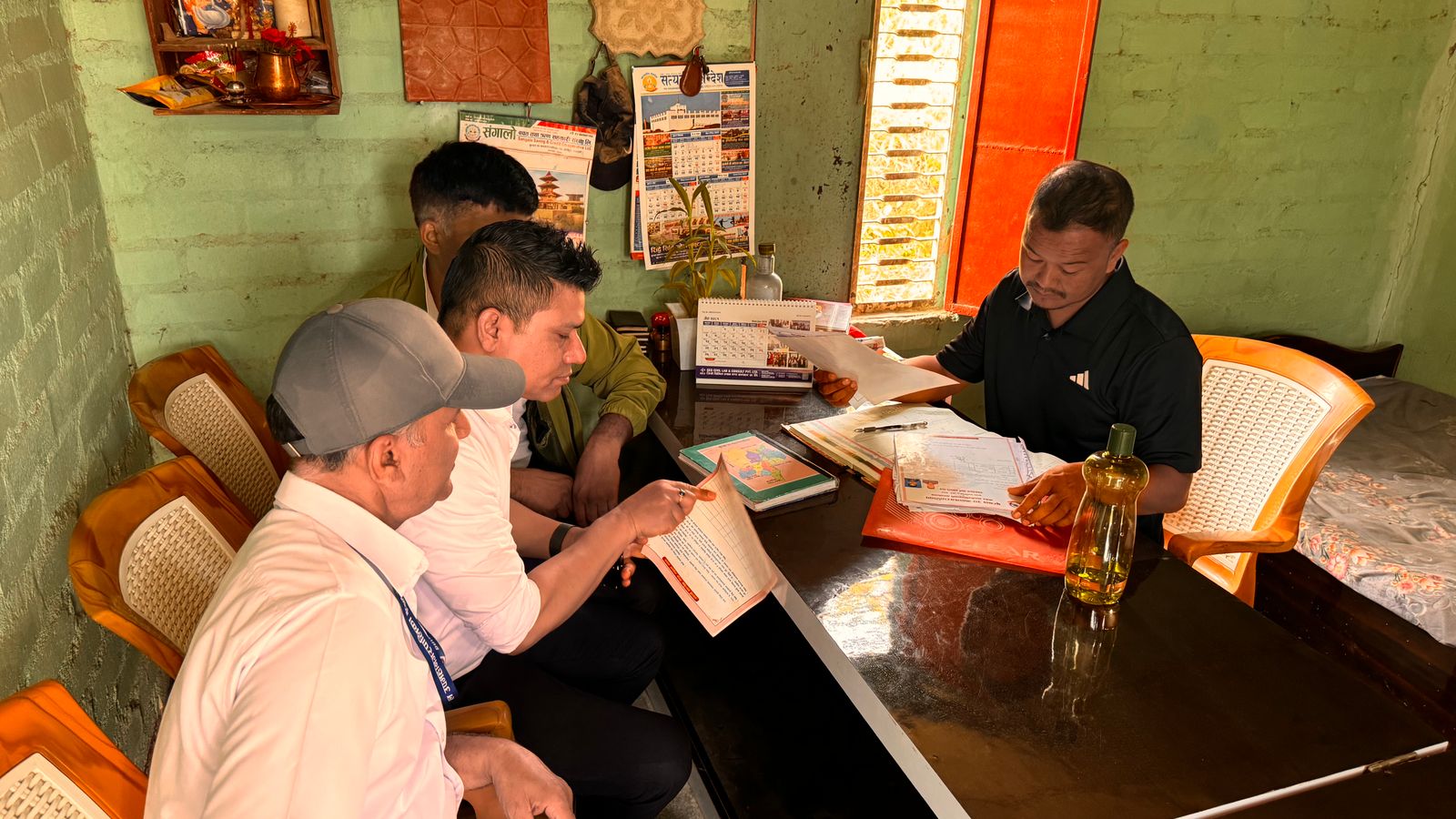
Missouri Cannabis Workers Notch Union Wins as Organizing Spreads
Multiple Missouri dispensaries and cultivation sites have voted to unionize in recent weeks, accelerating labor organizing across the state's adult-use market.

Pennsylvania passes $50.8B budget, omits marijuana legalization
The state legislature finalized spending without adult-use cannabis language, shelving revenue projections cited by legalization advocates.
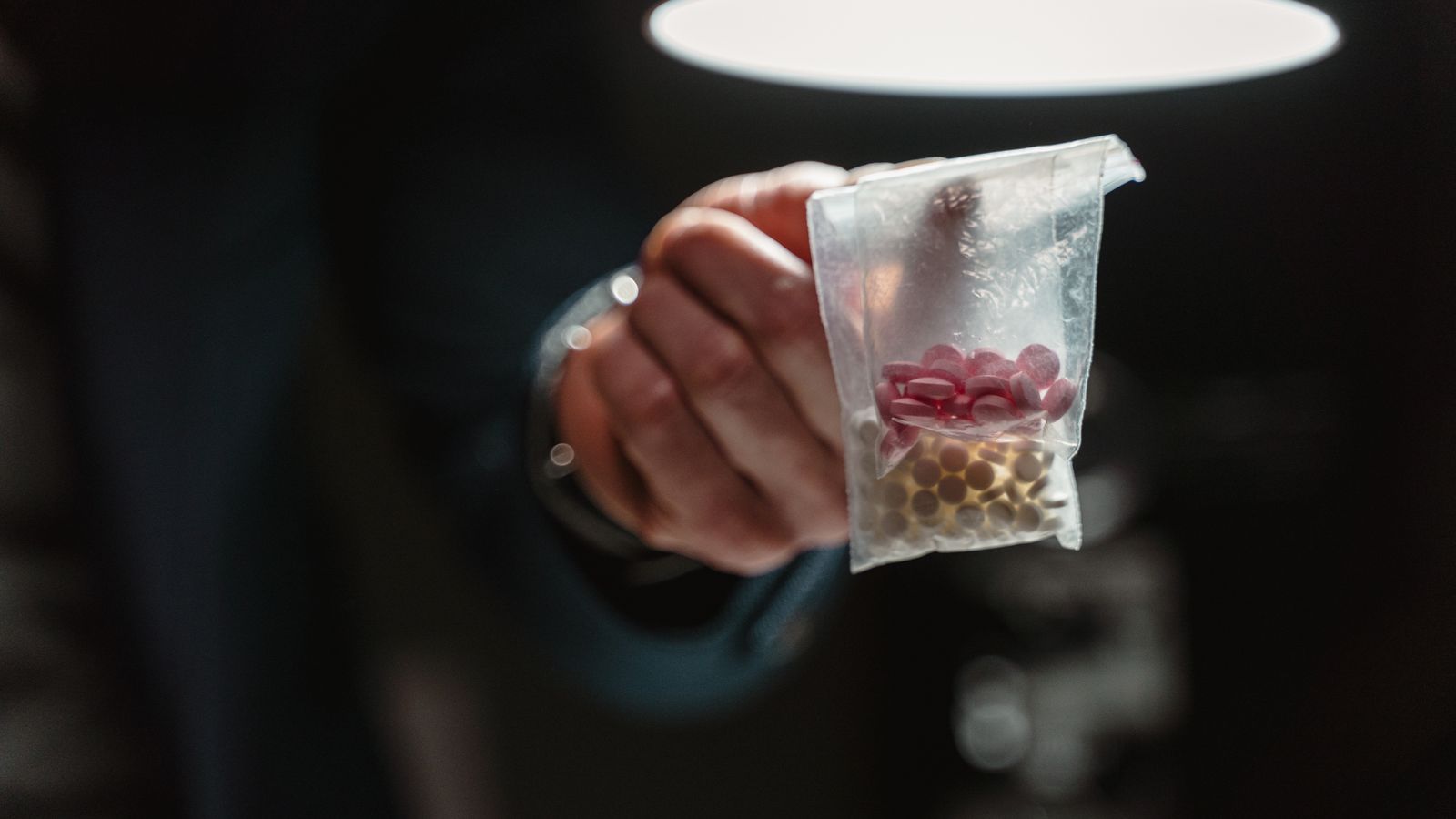
NDLEA Seizes N10.3 Billion in Canadian Cannabis, Arrests Lagos Courier
Nigeria's drug agency intercepted high-grade imported cannabis and methamphetamine in coordinated Lagos operations this week.