Cannabis Genetics Face Extinction Risk as Industry Scales
Decades of breeding work are vanishing as consolidation and compliance pressures squeeze out legacy cultivators holding irreplaceable germplasm.
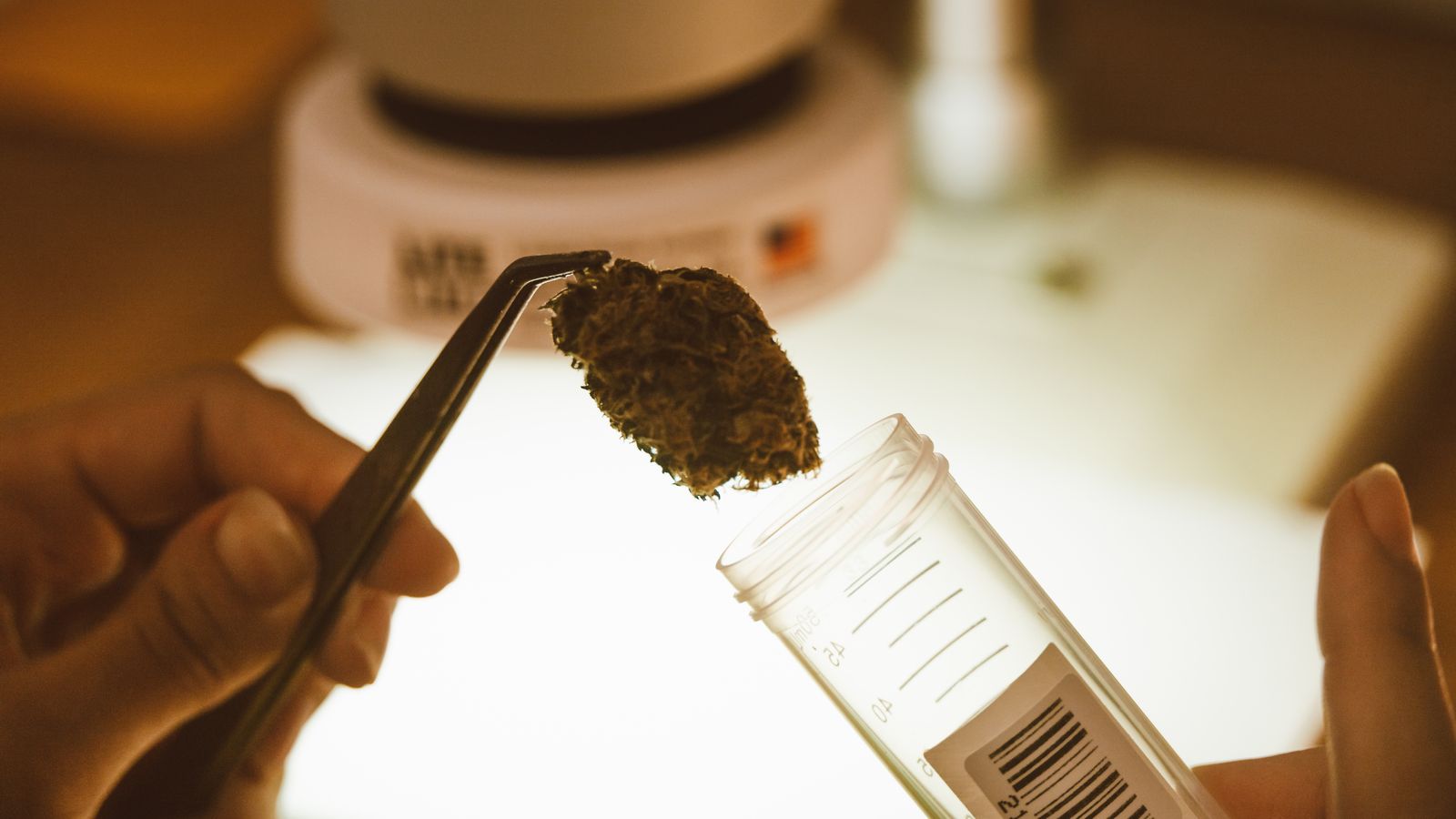
Detailed view of cannabis being prepared in a lab, focusing on analysis.
Genetic Diversity Loss Accelerates Under Consolidation
The industry's losing genetic diversity faster than it can catalog it. No federal seed bank exists. Private preservation infrastructure remains minimal. When multi-state operators acquire regional brands, they typically retain only the top three revenue-generating cultivars and discard the rest of the breeder's library. MJBizDaily estimates that over 200 documented cultivar lines have gone extinct since 2020—many of them F4 or F5 stabilized genetics that took a decade to develop.
Legacy breeders who held these lines often operated in the pre-legalization gray market, maintaining mother plants and seed stock without formal IP protection. When these operators close—whether due to 280E tax burdens, local zoning changes, or acquisition—their genetic libraries disappear with them. No federal institution archives cannabis germplasm, and private seed banks remain fragmented and underfunded.
Landrace and Heirloom Strains at Highest Risk
Landrace genetics from Afghanistan, Thailand, Colombia, and Jamaica are vanishing as breeders chase THC percentages above 25% and terpene profiles optimized for vape extraction. These landrace lines carry traits for pest resistance, drought tolerance, and unique terpene expressions that modern hybrids lack. They've adapted over centuries to specific geographies. Breeders interviewed by MJBizDaily cited examples including pure Afghani hash cultivars with sub-15% THC but extraordinary resin density, and Thai sativas with 18-week flowering cycles that no commercial operator will touch.
Heirloom strains from California's Emerald Triangle and Humboldt County face similar extinction pressure. These cultivars—selected for outdoor performance, flavor complexity, and regional terroir—don't fit the controlled-environment, high-density cultivation model that dominates licensed markets. Legacy Humboldt farms shutter. Their proprietary outdoor lines go with them.
Industry Calls for Germplasm Repository Remain Unmet
Advocates have proposed a federally funded cannabis germplasm repository modeled on the USDA National Plant Germplasm System, but no legislation has advanced. The USDA system preserves seeds for over 500,000 crop accessions. Cannabis remains excluded due to its Schedule I status under the Controlled Substances Act. Private efforts, including nonprofit seed libraries and breeder cooperatives, operate on shoestring budgets and lack the cold-storage infrastructure required for long-term viability.
Some MSOs have begun internal preservation programs, banking genetics from acquired brands in tissue-culture libraries. These efforts remain proprietary and inaccessible to the broader industry. For context on the broader genetics landscape, see the CannIntel topic hub on cannabis genetics preservation. Without a coordinated, open-access repository, the industry risks losing the genetic foundation that enabled its current commercial success.
The next signal: whether Congress includes cannabis in the 2027 Farm Bill's germplasm provisions. Until then, preservation remains a patchwork of individual breeder efforts and private collections with no institutional backstop.
Frequently asked questions
What is a landrace cannabis strain?
A landrace strain is a cannabis cultivar that evolved naturally in a specific geographic region over centuries, adapted to local climate, soil, and pests. Examples include Afghani, Thai, Colombian Gold, and Jamaican Lamb's Bread. These strains carry unique genetic traits often lost in modern hybrids.
Why don't MSOs preserve all genetics from acquired brands?
MSOs prioritize high-yield, high-THC cultivars that fit controlled-environment cultivation and maximize revenue per square foot. Maintaining diverse genetic libraries requires dedicated mother-plant space, labor, and compliance costs that don't generate immediate returns. Most acquired genetics are discarded post-acquisition.
Does the USDA preserve cannabis seeds?
No. The USDA National Plant Germplasm System preserves over 500,000 crop accessions but excludes cannabis due to its Schedule I status. No federally funded cannabis seed bank exists. Private efforts and breeder cooperatives operate without institutional support or long-term cold-storage infrastructure.
What is an F-generation line in cannabis breeding?
F-generation refers to filial generations in selective breeding. F1 is the first cross of two parent strains. F2, F3, F4, and beyond represent successive generations of selective breeding to stabilize desired traits like terpene profile, yield, or pest resistance. Stabilized F5+ lines can take 5-10 years to develop.
Can tissue culture preserve cannabis genetics long-term?
Tissue culture can preserve genetics for years by storing plant cells in sterile, climate-controlled conditions. However, it requires specialized lab infrastructure, ongoing maintenance, and skilled technicians. Most tissue-culture libraries are proprietary MSO assets, not accessible to independent breeders or the public.
Sources
The cannabis newsletter you forward to your team.
Federal policy, market data, grower alerts, and the one story that matters today. Sent every weekday at 7am. Free.
No spam. Unsubscribe with one click. 21+ only.
Related from Grow

Colder BHO Extraction Cuts Wax Compounds Without Losing Potency, Study Finds
Peer-reviewed Abstrax research shows lower temperatures reduce unwanted lipids while preserving cannabinoids and terpenes.

Nepal Urged to Document Cannabis Landraces Before Policy Shift
Opinion piece calls for genetic preservation effort as government weighs legalization framework.

Nauni University Launches Cannabis Research Lab for Himachal Pradesh
The new facility will support the state's Green to Gold initiative by studying industrial hemp cultivation and cannabinoid extraction.
More from the newsroom

Bipartisan Senators File Bill to Shield Cannabis Insurers from Federal Penalties
New legislation would prevent federal regulators from penalizing financial institutions that underwrite cannabis business policies.

Senate Bill Blocks Federal Penalties for Cannabis Insurance Providers
Bipartisan CLAIM Act would create safe harbor for insurers serving state-legal marijuana businesses.

Senate Bill Blocks Federal Penalties for Cannabis Insurance Providers
Bipartisan measure bars regulators from punishing insurers that cover state-legal marijuana operators.