Cannabis Smoking Surpasses Cigarettes in U.S., Gallup Poll Shows
For the first time in polling history, more Americans report smoking cannabis than tobacco cigarettes.
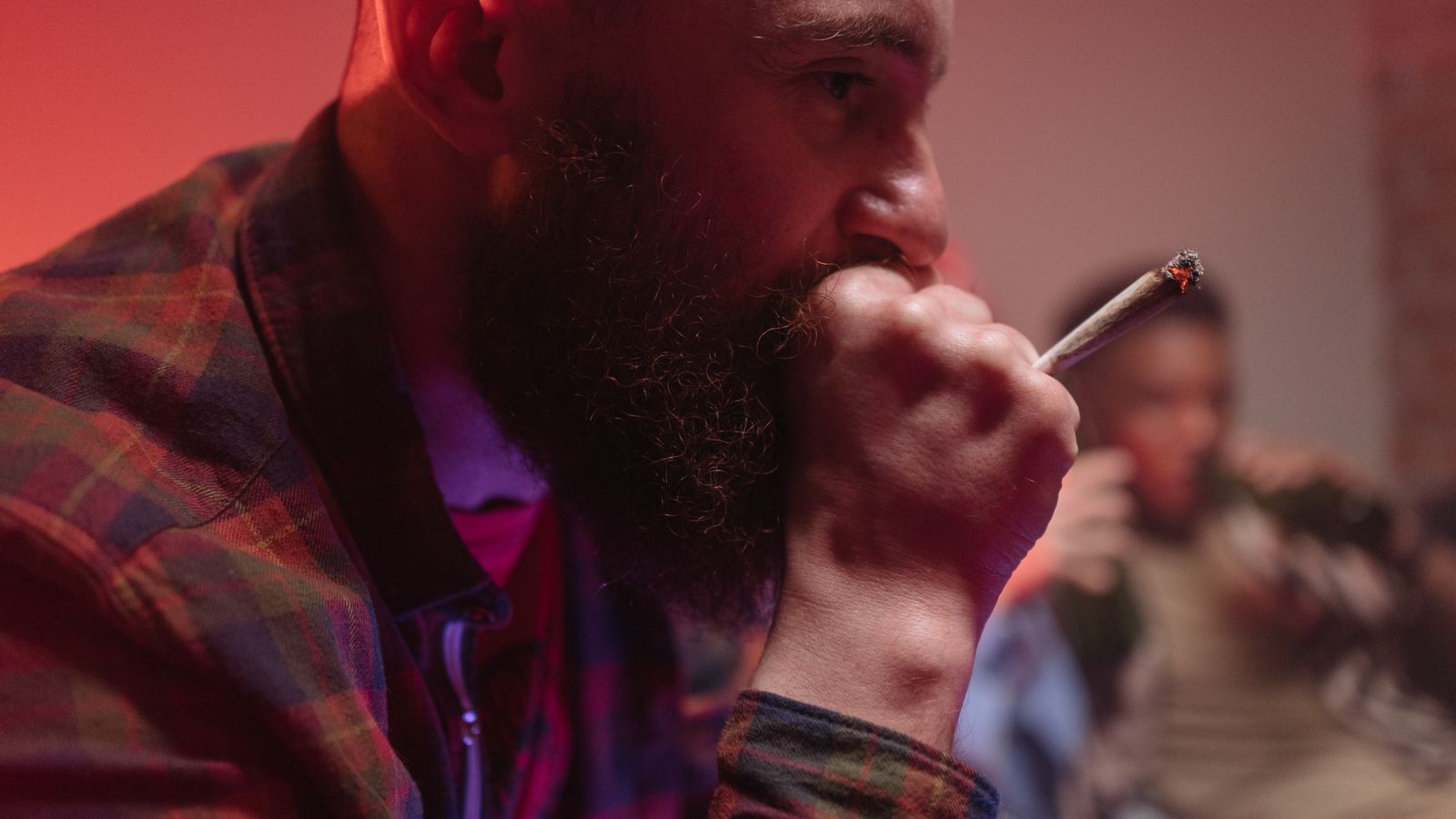
Close-up of a bearded man smoking a cannabis joint indoors with a warm ambiance.
The Crossover Point
Cannabis smoking now claims a six-percentage-point lead over cigarettes, the widest margin Gallup has recorded since it began tracking cannabis use in 2013. The 17% cannabis figure represents a steady climb from 7% in 2013, while cigarette smoking has dropped from a 1954 peak of 45% to its current historic low. The poll surveyed 1,023 U.S. adults from August 1-20, 2026, with a margin of error of ±4 percentage points.
This isn't a fluke. It's the culmination of two parallel trends: the collapse of cigarette culture under decades of public-health pressure, and the mainstreaming of cannabis through state legalization, medical programs, and federal tolerance. Smoking a joint once carried social stigma. Now it competes with vaping and edibles as just another consumption choice in legal states.
Who's Smoking, and Where
Cannabis smoking rates skew younger and cluster in states with legal adult-use markets. Gallup's crosstabs show 24% of adults aged 18-34 reported cannabis use, compared to 15% of those 35-54 and just 9% of adults 55 and older. Cigarette smoking shows a flatter age distribution, with rates hovering between 10-13% across all cohorts.
Geography matters. States with mature recreational programs—California, Colorado, Michigan, Illinois—report cannabis-smoking rates above 20%, while prohibition states in the South and Plains remain in single digits. The poll didn't break out state-level data, but county-level sales figures and dispensary density align tightly with self-reported use.
The Flavor Shift
Legal cannabis has rewritten the sensory vocabulary of smoking. Cigarettes deliver a narrow band of tobacco and menthol. Dispensary flower offers a rotating menu: lemon-pith Durban Poison, forest-floor Kush Mints, tropical Wedding Cake. Cultivar choice has become part of the ritual, a signal of sophistication that cigarettes—now largely commoditized into generic packs—can't match.
The poll captures a moment when smoking cannabis carries less social cost than smoking tobacco, and infinitely more variety.
Breeders and growers have spent two decades refining terpene profiles, THC potency, and bag appeal. The result is a product category that feels artisanal, even when sold at scale. Cigarettes face flavor bans, plain packaging mandates, and a cultural narrative that frames every drag as self-harm.
What the Numbers Don't Capture
The poll measures smoking frequency, not total cannabis consumption—and smoking isn't the dominant method anymore. Edibles, vapes, tinctures, and beverages now account for 40-50% of legal sales in mature markets, according to state revenue data. If Gallup had asked about any cannabis use, the gap over cigarettes would likely widen further.
The survey also doesn't distinguish between daily, weekly, and occasional users. A respondent who smokes a joint on weekends registers the same as someone who smokes daily. Cigarette smokers tend toward daily use—pack-a-day habits are still common. Different behavioral profiles, even if the headline numbers now favor cannabis.
The Public-Health Pivot
Federal agencies haven't reconciled cannabis normalization with their tobacco-control playbook. The CDC and FDA have spent 60 years driving down cigarette use through warning labels, advertising bans, taxation, and public-service campaigns. Cannabis, still federally prohibited, exists in a regulatory vacuum. No federal warning labels. No ad restrictions beyond state law. No coordinated public-health messaging.
That gap won't last. As cannabis use climbs, expect federal health agencies to shift from prohibition rhetoric to harm-reduction frameworks: dosing guidelines, combustion warnings, youth-prevention campaigns modeled on tobacco control. The poll gives them a data point they can't ignore—more Americans are smoking cannabis than the substance federal policy has spent decades trying to eliminate.
The Tobacco Industry's Response
Big Tobacco has been quietly positioning for this moment, acquiring cannabis assets and vape technology as cigarette sales crater. Altria, parent of Marlboro, holds a $1.8 billion stake in Cronos Group. British American Tobacco owns a portfolio of CBD and hemp brands. Philip Morris International has filed patents for cannabis vaporizers and dosing devices.
The strategy is transparent: replace declining cigarette revenue with cannabis products that carry higher margins and face fewer regulatory headwinds. If the Gallup trend holds, tobacco companies will pivot from defending cigarettes to selling pre-rolls, vapes, and infused products under new brand umbrellas. The expertise in supply-chain logistics, retail distribution, and regulatory navigation transfers cleanly.
What Comes Next
The poll marks a symbolic threshold, but the operational question is whether cannabis smoking will plateau or continue climbing. Cigarette use declined linearly for decades. Cannabis use has grown in fits and starts, tied to state legalization timelines and federal signals. If rescheduling or descheduling happens in the next two years, expect another uptick as interstate commerce opens and prices drop.
For the cannabis industry, the Gallup number is a milestone worth citing in investor decks and lobbying briefs. For public-health advocates, it's a prompt to start treating cannabis like the mass-market consumer product it's become. The crossover point is here. The policy frameworks haven't caught up.
For more on shifting consumption patterns and what they mean for operators and regulators, see the CannIntel topic hub on Cannabis Consumption Trends.
For complete background, history, and our ongoing coverage of this story:
Open the CannIntel topic hub →Frequently asked questions
When did cannabis smoking surpass cigarette smoking in the U.S.?
Gallup's August 2026 poll is the first to show cannabis smoking (17%) exceeding cigarette smoking (11%) among U.S. adults. The crossover reflects decades of declining tobacco use and rapid cannabis normalization since 2013, when Gallup first tracked cannabis at 7%.
Does the poll include edibles, vapes, and other cannabis products?
No. The Gallup survey asked specifically about smoking cannabis, not total consumption. Edibles, vapes, tinctures, and beverages now represent 40-50% of legal cannabis sales, meaning overall cannabis use is significantly higher than the 17% smoking figure.
Which demographics are driving cannabis smoking rates?
Adults aged 18-34 report the highest rates (24%), compared to 15% for ages 35-54 and 9% for 55+. Rates are also elevated in states with legal adult-use programs like California, Colorado, and Michigan, while prohibition states remain in single digits.
How does this affect federal cannabis policy?
The poll gives federal health agencies a data point they can't ignore: cannabis use now exceeds the substance they've spent 60 years trying to eliminate. Expect pressure to develop harm-reduction frameworks, dosing guidelines, and youth-prevention campaigns modeled on tobacco control.
Are tobacco companies entering the cannabis market?
Yes. Altria holds a $1.8 billion stake in Cronos Group, British American Tobacco owns CBD brands, and Philip Morris International has filed cannabis vaporizer patents. As cigarette sales decline, Big Tobacco is positioning to replace revenue with higher-margin cannabis products.
Sources
The cannabis newsletter you forward to your team.
Federal policy, market data, grower alerts, and the one story that matters today. Sent every weekday at 7am. Free.
No spam. Unsubscribe with one click. 21+ only.
Related from Culture

West Hollywood Launches 'West Hollyweed Stories' for 30 Years of Medical Cannabis
The city is marking three decades since California voters approved Proposition 215 with a storytelling project, according to a WEHO Times report.

Haverhill Dispensaries Plan Joint Cannabis Rights March
WBZ NewsRadio 1030 reported that licensed Haverhill retailers are organizing together for a march, with date, route and demands not yet public.

Chile's Cannabis Social Clubs Boom in a Legal Gray Area
A Yahoo report published Oct. 15 says Chile's member-run cannabis clubs are multiplying without a dedicated law, putting Law 20.000's personal-use language under pressure.
More from the newsroom
AG Blanche Says DOJ Won't Interfere With State-Legal Cannabis
Attorney General Todd Blanche said the Justice Department isn't seeking to interfere with state-legal marijuana operators, but no written policy or rule change accompanied the reported remarks.

Blanche Says Lucas Charges Aren't Aimed at State Cannabis Laws
The attorney general framed the federal case against Virginia's Senate president pro tem as conduct-based, not a move against state marijuana policy.

DOJ indicts Virginia lawmaker, six others over hemp THC shop
Federal prosecutors charged a Virginia state lawmaker and six others over a hemp THC operation, testing where hemp ends and marijuana begins.