Workplace Drug Tests Show Spike in Cannabis and Cocaine Use
New employer screening data reveals rising positive rates for THC and cocaine as state legalization expands.
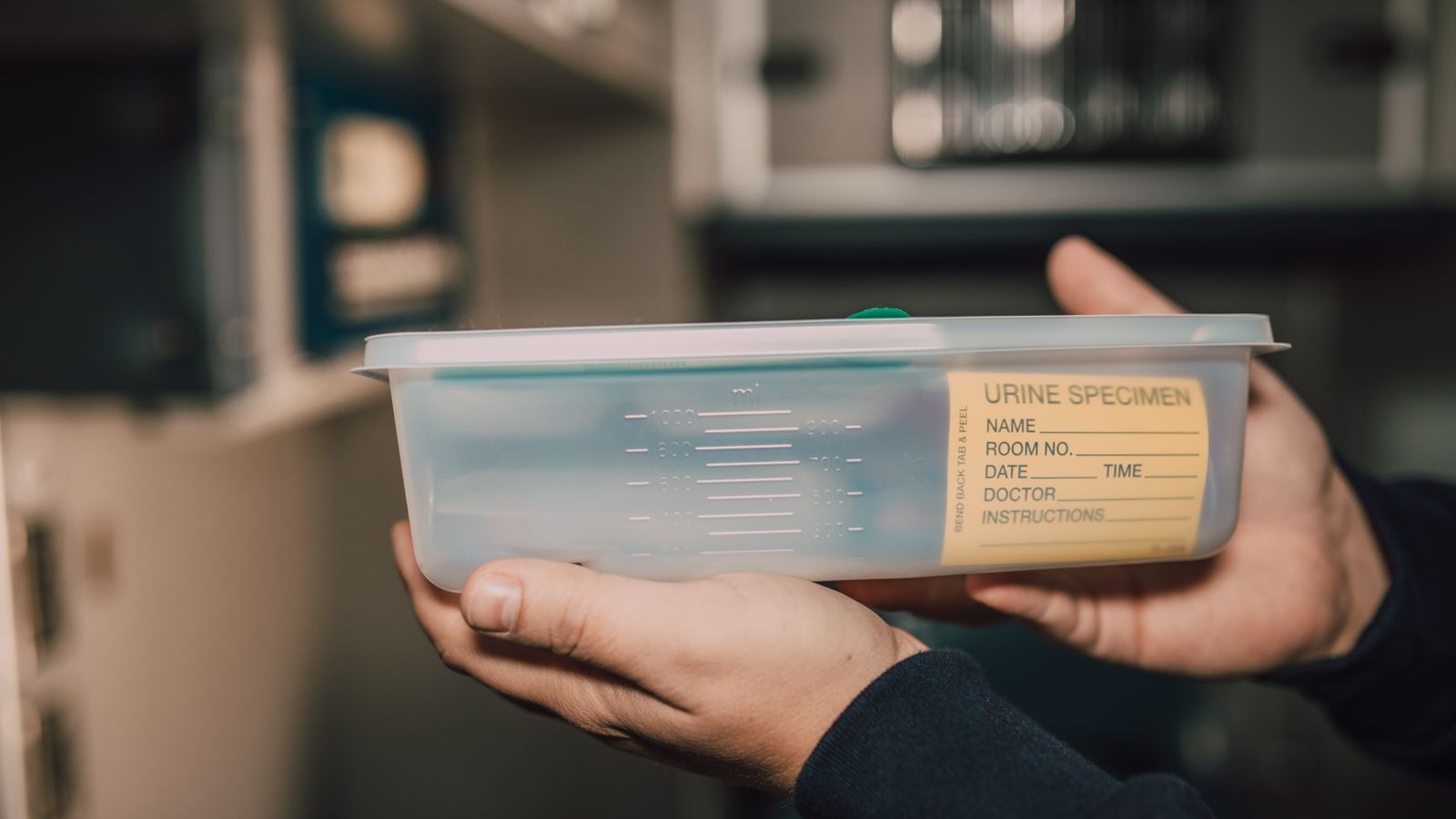
Close-up of hands holding a urine specimen container in a lab environment.
Positive Test Rates Climb Across Multiple Drug Classes
Cannabis and cocaine positivity rates rose in employer drug screening programs during 2026, extending multi-year trends that accelerated after the pandemic. The data, compiled by Ogletree Deakins from its client base of employers conducting pre-employment and random testing, shows cannabis positivity climbing to its highest level in the firm's tracking history. Cocaine positivity also increased, reversing a brief decline observed in 2024-2025.
The firm didn't release specific percentage-point increases or absolute positivity rates in its initial summary. Still, the directional shift aligns with Quest Diagnostics and LabCorp data from earlier in 2026 showing cannabis positivity in the general U.S. workforce hovering near 4.5 percent in urine screens, up from 3.1 percent in 2019.
Ogletree's analysis draws from employers in safety-sensitive industries—transportation, manufacturing, and healthcare—where federal Department of Transportation rules or state-specific mandates still require drug-free workplace programs despite state-level cannabis legalization.
State Legalization and Remote Work Complicate Employer Policies
The rise in cannabis positivity coincides with 28 states now operating adult-use programs and a growing number of jurisdictions restricting pre-employment marijuana testing. New York, New Jersey, California, Nevada, and Washington have all enacted statutes limiting or prohibiting employers from declining to hire applicants based solely on a positive cannabis test, absent safety-sensitive roles or federal contract requirements.
Employers are caught between state-level employee protections and federal contractor obligations that still treat cannabis as a Schedule I substance, creating compliance complexity that varies by geography and job classification.
Remote work adds another wrinkle. Workers living in legalized states but employed by companies headquartered in prohibition states face unclear testing jurisdictions. Some employers have moved to oral-fluid testing, which detects recent use rather than the 30-day detection window of urine screens, in an effort to identify impairment rather than off-duty consumption. The upside: it reduces false positives and legal exposure. The downside: oral-fluid tests cost more and lack the established cutoff thresholds that urine testing has refined over decades.
Cocaine Resurgence Reflects Broader Stimulant Trends
Cocaine's return to growth in workplace testing mirrors public-health data showing stimulant use climbing across multiple demographics. The CDC reported cocaine-involved overdose deaths rising 23 percent year-over-year in provisional 2026 data, driven in part by fentanyl contamination in the cocaine supply chain. Unlike cannabis, no state has moved to restrict employer testing for cocaine. Positive results remain disqualifying across nearly all industries.
The Ogletree data didn't break out methamphetamine or prescription stimulant positivity, though Quest Diagnostics has flagged methamphetamine as the fastest-growing positive result in its general workforce panel since 2022. Employers in logistics and warehousing have reported particular concern about stimulant use among shift workers, where long hours and productivity quotas create demand-side pressure.
Investor and Operator Implications
For cannabis operators, rising workplace positivity is a double-edged signal: it confirms normalization of use but also highlights the compliance burden that remains a tax on the industry. Multi-state operators including Curaleaf, Green Thumb Industries, and Trulieve have all flagged 280E tax treatment and federal illegality as the primary drags on margin. Workplace testing sits downstream of that same Schedule I classification.
The compliance-software sector is the clearest beneficiary. Companies offering employer drug-testing management platforms—Verified First and HireRight among them—are seeing increased demand for state-specific policy modules that automate which tests are permissible in which jurisdictions. That's a recurring-revenue tailwind in a fragmented regulatory environment.
For background on how workplace testing intersects with state legalization frameworks, see the CannIntel topic hub on workplace drug testing. The next major variable: whether federal rescheduling to Schedule III, if finalized, triggers a wave of employer policy revisions or leaves testing protocols unchanged due to DOT and safety-sensitive carve-outs.
Frequently asked questions
Why are workplace cannabis positivity rates increasing?
Rates are rising as more states legalize adult-use cannabis and normalize consumption, while many employers still conduct pre-employment and random testing. Remote work and state laws restricting marijuana-based hiring decisions add complexity, but federal rules for safety-sensitive roles and contractors keep testing widespread.
Can employers still test for cannabis in legalized states?
Yes, but restrictions vary. States including New York, New Jersey, California, and Nevada limit pre-employment marijuana testing for most roles. Employers in safety-sensitive industries, federal contractors, and DOT-regulated positions retain broad testing authority regardless of state law.
What is driving the increase in cocaine workplace positivity?
Cocaine use is climbing across demographics, reflected in CDC overdose data showing a 23 percent year-over-year increase in cocaine-involved deaths. Fentanyl contamination in the cocaine supply and stimulant demand among shift workers in logistics and warehousing are contributing factors.
How does federal cannabis rescheduling affect workplace testing?
If cannabis moves to Schedule III, employer testing policies may not change significantly. DOT rules and safety-sensitive carve-outs would likely remain, and many employers would continue testing absent explicit federal guidance permitting off-duty use.
What is oral-fluid testing and why are employers adopting it?
Oral-fluid tests detect recent cannabis use, typically within hours to a few days, versus the 30-day window of urine tests. Employers adopt them to identify potential impairment rather than off-duty consumption, reducing legal exposure in states with employee protections. However, oral-fluid tests cost more and lack standardized cutoff thresholds.
Sources
The cannabis newsletter you forward to your team.
Federal policy, market data, grower alerts, and the one story that matters today. Sent every weekday at 7am. Free.
No spam. Unsubscribe with one click. 21+ only.
Related from Business

New York Cannabis Faces Enforcement Wave as Legal Market Matures
A week of cultural milestones, regulatory enforcement, and commercial expansion signals the state's adult-use market entering a new operational phase.

TerrAscend Acquires Hunterdon County Dispensary in New Jersey
Multi-state operator expands New Jersey footprint with purchase of dispensary in rural market west of Newark metro.

High Tide Posts Record Q2 2027 Driven by German Medical Cannabis Sales
The Calgary-based retailer reported its strongest quarterly performance to date as European expansion accelerates revenue growth.
More from the newsroom

Texas Cannabis Companies File Competing Lawsuits Over THC Sales Rights
Hemp and medical marijuana operators clash in court over who can legally sell THC products under state law.

Toronto man acquitted in choking attack after cannabis-psychosis defense
Ontario court accepts psychiatric testimony that defendant experienced cannabis-induced psychosis or sleepwalking during assault on child.

Hong Kong Customs Seizes Record HK$125M Marijuana Shipment, Arrests Three
The maritime seizure marks Hong Kong's largest cannabis bust by value, underscoring persistent smuggling despite the city's zero-tolerance stance.