Texas Cannabis Companies File Competing Lawsuits Over THC Sales Rights
Hemp and medical marijuana operators clash in court over who can legally sell THC products under state law.
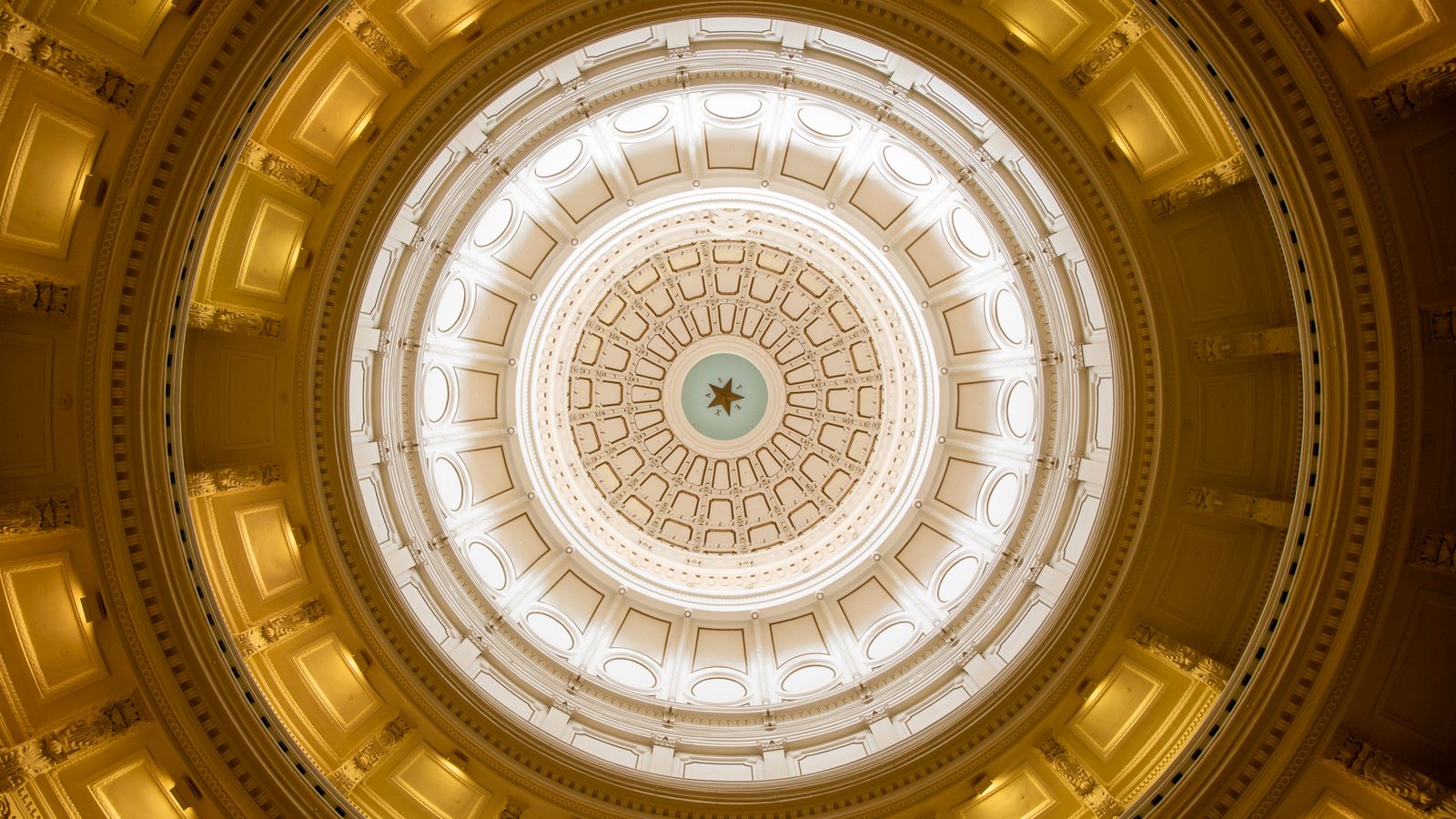
Stunning view of the Texas Capitol dome showcasing intricate architectural design and illumination.
The Legal Battle Lines
Hemp retailers and medical marijuana operators have filed dueling lawsuits in Texas courts, each claiming the other is operating outside state law. The cases represent the first major courtroom clash between the two cannabis industry segments since Texas lawmakers expanded the state's medical program in 2023.
At issue is whether hemp-derived delta-8 THC and similar cannabinoids fall under the state's 2019 hemp law or whether they constitute controlled substances that can only be sold by licensed medical dispensaries. The distinction carries enormous financial stakes. Texas has nearly 30 million residents and no adult-use cannabis program.
What Each Side Claims
Medical marijuana license holders argue that hemp retailers are selling intoxicating THC products without the regulatory oversight required under the Compassionate Use Program. The licensed operators contend that any product intended for intoxication should fall under medical cannabis rules, regardless of its source plant.
Hemp retailers counter that their products are explicitly legal under Texas House Bill 1325, which legalized hemp and hemp-derived products containing less than 0.3% delta-9 THC. They argue the law doesn't restrict other cannabinoids like delta-8 THC, THCA, or HHC.
These competing interpretations have created a regulatory gray zone that's allowed hemp shops to proliferate across Texas while medical dispensaries operate under strict licensing caps and product restrictions.
The cleanest read on this dispute is that Texas lawmakers never anticipated the hemp industry would engineer intoxicating products that technically comply with the 2019 statute.
Market Control at Stake
The outcome will determine whether Texas maintains a tightly controlled medical market or allows a largely unregulated hemp-THC retail sector to continue expanding. Medical marijuana license holders have invested millions in compliance infrastructure, laboratory testing, and security systems required under state law. Hemp retailers face no comparable requirements.
Key differences between the two markets include:
- Medical dispensaries serve only registered patients with qualifying conditions
- Hemp shops sell to any adult without medical documentation
- Medical products are capped at 1% THC; hemp-derived products have no potency limits beyond the delta-9 threshold
- Medical operators pay substantial licensing fees; hemp retailers operate under general business licenses
Industry analysts estimate the Texas hemp-THC market generated over $500 million in sales in 2025, while the medical program served fewer than 50,000 registered patients.
For full background on this story, see the CannIntel topic hub on the Texas THC legal battle.
The lawsuits arrive as the Texas Department of State Health Services has declined to issue formal guidance on hemp-derived intoxicants. That's left enforcement to local district attorneys who've taken inconsistent positions across the state's 254 counties.
For complete background, history, and our ongoing coverage of this story:
Open the CannIntel topic hub →Sources
The cannabis newsletter you forward to your team.
Federal policy, market data, grower alerts, and the one story that matters today. Sent every weekday at 7am. Free.
No spam. Unsubscribe with one click. 21+ only.
Related from Laws

Cannabis Wholesaler Settles Connecticut AG's Consumer Claims
Law360 reported the settlement Friday. The company's name and the terms weren't available, but the case shows Connecticut's attorney general acting as a second cannabis enforcer.
Henrico County Weighs Zoning Rules for Recreational Cannabis Shops
Virginia's Henrico County is drafting local zoning for adult-use cannabis businesses to match recent state law on distribution, processing and retail sale.

AOL Publishes Massachusetts 2026 Ballot Guide as Voting Nears
A voter cheat sheet on Massachusetts' 2026 ballot questions landed 25 days before Election Day. Here is the legal framework that governs any cannabis measure on it.
More from the newsroom

Authorities raid illegal pot shops, Orange County Tribune reports
The Orange County Tribune reported raids on unlicensed cannabis storefronts on Oct. 9, 2026, but the headline is the only confirmed detail so far.

Study Summary Links Long-Term Cannabis Use to Silent Sleep Disruption
A News-Medical report says habitual cannabis use may degrade sleep without symptoms users notice, raising questions about dose, chemotype and measurement.

High Tide Acquires Established Cannabis Store in Chestermere, Alberta
High Tide (NASDAQ: HITI) added an operating Chestermere retail location on Oct. 9, extending its Alberta tuck-in strategy; price and per-share impact are the open questions.