Fifth-Generation Vermont Farm Shuts Down Amid Cannabis Oversupply
A multi-generational Vermont farm exits cannabis cultivation as wholesale prices collapse and regulatory costs mount.

Spectacular view of trees with golden yellow foliage growing in autumn foggy woods in mountainous terrain
Farm Closure Reflects Statewide Cultivation Crisis
The unnamed Vermont farm's exit marks the latest casualty in a wave of small-cultivator closures across the state's cannabis sector. Vermont legalized adult-use sales in October 2022, but the state's wholesale market has deteriorated rapidly as licensed cultivators flooded supply channels while retail buildout lagged. Wholesale flower prices in Vermont dropped from approximately $1,400 per pound in early 2024 to sub-$800 levels by mid-2026, according to industry pricing data tracked by regional distributors.
The farm had transitioned to cannabis cultivation following Vermont's 2020 licensing framework, which permitted small outdoor grows on agricultural land. Fifth-generation ownership suggests the property had operated as a traditional farm for more than a century before pivoting to cannabis. That pivot has now reversed.
Wholesale Price Collapse Drives Exit Decision
Wholesale prices below $800 per pound fall beneath the breakeven threshold for most small outdoor cultivators in Vermont. Industry cost models estimate that compliant outdoor cultivation in the state carries all-in costs of $900 to $1,100 per pound when factoring in labor, testing, packaging, security, and regulatory fees. At current wholesale rates, each pound sold generates a loss.
Oversupply drove the collapse. Vermont issued more than 200 cultivation licenses between 2020 and 2025, but the state's retail network remains limited to fewer than 40 active dispensaries as of August 2026. Demand hasn't kept pace with production capacity, creating a structural imbalance that's crushed margins for growers without vertical integration or out-of-state distribution channels.
The math is brutal: when your cost floor sits at $900 and the market clears at $750, you're paying for the privilege of losing inventory.
Regulatory Burden Compounds Economic Pressure
Vermont's compliance costs disproportionately impact small cultivators operating on thin margins. The state's Cannabis Control Board imposes annual licensing fees, mandatory third-party testing for potency and contaminants, seed-to-sale tracking through Metrc, and security requirements that include video surveillance and alarm systems. For a small outdoor operation producing 500 to 1,000 pounds annually, these fixed costs can exceed $50,000 per year before the first plant goes into the ground.
Multi-state operators and vertically integrated licensees absorb these costs across larger production volumes and retail margins. Small farms can't. The closure reflects a broader consolidation pattern visible across legacy agricultural states that legalized cannabis: initial enthusiasm among small growers followed by rapid market concentration as economies of scale and capital access determine survival.
Vermont Market Structure Favors Vertical Integration
Vermont's regulatory framework doesn't restrict vertical integration, allowing well-capitalized operators to control cultivation, processing, and retail under a single license. This structure creates a competitive moat. Vertically integrated operators capture retail margins that can reach 50% to 70% on finished goods, insulating them from wholesale price volatility. Independent cultivators selling into the wholesale channel have no such buffer.
The state's limited retail footprint makes things worse. With fewer than 40 active dispensaries serving a population of approximately 650,000, retail access remains constrained in rural counties. Most dispensaries prioritize house-grown inventory or long-term supply agreements with established partners, leaving little shelf space for independent farms. The result: a wholesale market with more sellers than buyers, and prices that reflect that reality.
What to Watch: More Closures Likely Through 2027
The Vermont farm's closure won't be an isolated event. Industry observers expect additional small-cultivator exits through 2027 as operators exhaust working capital and face spring planting decisions. Farms that survive will likely pivot back to traditional agriculture, lease land to larger cannabis operators, or exit farming altogether.
For investors, the signal is clear: small-scale cultivation in saturated state markets carries unsustainable risk without vertical integration or contracted offtake agreements. The bull case for Vermont cannabis rests on retail expansion and interstate commerce. Neither appears imminent. Until then, the state's cultivator count will continue to contract. For background on Vermont's cannabis market dynamics and regulatory structure, see the CannIntel topic hub on Vermont cannabis farming.
Sources
The cannabis newsletter you forward to your team.
Federal policy, market data, grower alerts, and the one story that matters today. Sent every weekday at 7am. Free.
No spam. Unsubscribe with one click. 21+ only.
Related from Business

American MSOs Eye Europe as U.S. Market Matures—Regulatory Gap Widens
Major U.S. cannabis operators are signaling European expansion plans, but fractured national frameworks and licensing bottlenecks threaten to stall cross-border capital.

Curaleaf Files to Acquire Aurora Cannabis for $272 Million
The all-stock deal marks the first cross-border MSO-LP merger since U.S. rescheduling proceedings began.

Connecticut Cannabis Tax Revenue Jumps 67% Despite Flat Sales
State collected $67.4 million in cannabis excise taxes through July 2026, up sharply from prior year despite stagnant retail volume.
More from the newsroom

Hawaii Officials Defend Hemp Crackdown in Court Filing
State argues unregulated hemp products pose public health risk in motion to dismiss industry challenge.
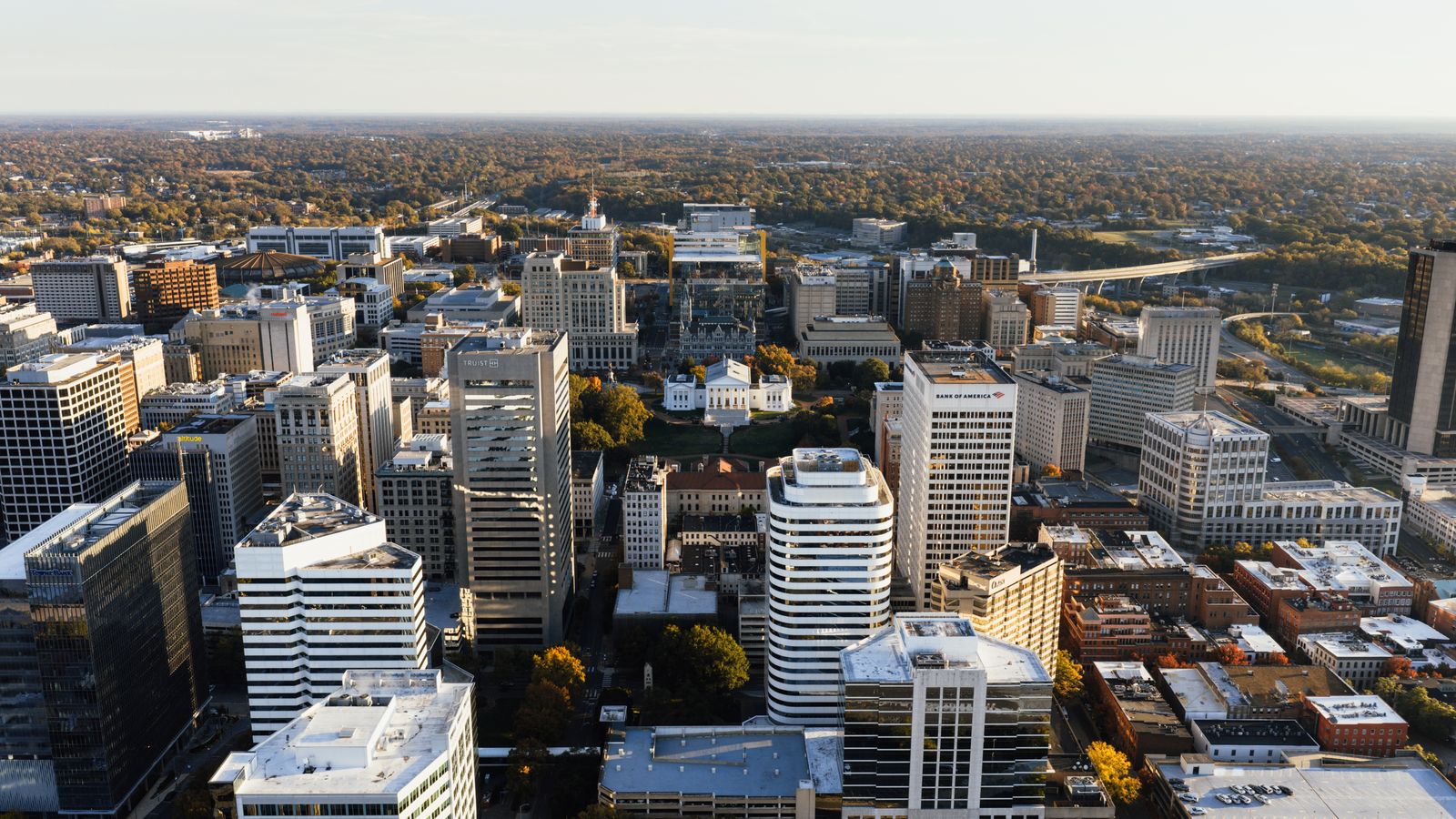
Virginia Hemp Restrictions Take Effect After Judge Declines to Block Law
A federal judge declined to issue a preliminary injunction against Virginia's new hemp regulations, allowing restrictions on intoxicating hemp products to take effect August 16, 2026.

Liberal Democrats Call for Cannabis Referendum in Australia
Berwick-area advocates push for public vote on adult-use legalization as federal reform stalls.