Square Exits Hemp and CBD Payment Processing, Gives Retailers 70 Days
Block's Square unit is closing hemp and CBD merchant accounts by November 5, forcing retailers to find new point-of-sale and payment partners during a federal regulatory transition.
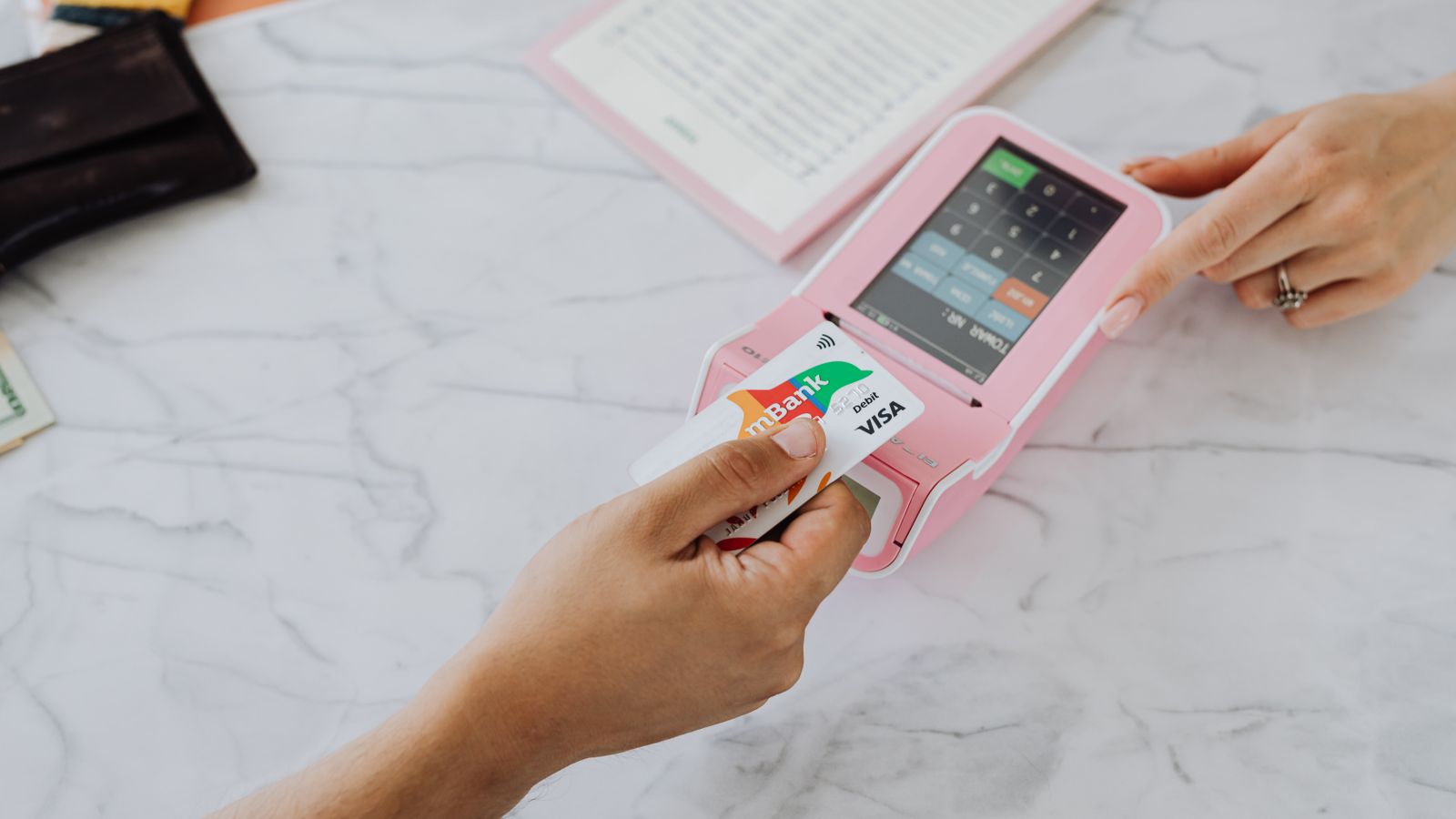
Hands making a contactless payment using a credit card and a pink terminal on a marble table.
Square's November 5 Deadline Forces Merchant Migration
Square is shutting down hemp and CBD merchant accounts effective November 5, 2026, giving retailers approximately 70 days to migrate payment and point-of-sale systems. The move affects an undisclosed number of hemp-derived cannabinoid retailers who've relied on Square's terminal hardware and payment gateway since the platform opened to CBD merchants in 2019.
Block Inc., Square's parent company, hasn't issued a public statement explaining the exit. Closure notices began arriving in late August, according to merchant reports circulating in hemp industry forums.
Why Payment Processors Exit Cannabis-Adjacent Markets
Payment platforms serving hemp and CBD face persistent compliance risk from federal banking regulators and card network rules, even though hemp is federally legal under the 2018 Farm Bill. Visa and Mastercard maintain strict merchant category code restrictions on cannabinoid sales. Issuing banks can terminate processor relationships if they deem the risk profile unacceptable.
Square's departure mirrors earlier exits by PayPal, Shopify Payments, and Stripe from hemp merchant services—each cited evolving regulatory guidance or internal risk assessments. The pattern leaves hemp retailers cycling through processors every 18-24 months on average, according to Hemp Industry Daily's 2025 payment infrastructure survey.
Cova Software Positions Itself as the Stability Play
Cova Software, a cannabis-focused point-of-sale platform, is publicly reaffirming its commitment to regulated hemp and CBD retailers in the wake of Square's exit. The Vancouver-based company serves over 2,000 dispensaries across North America. It doesn't process payments directly but integrates with cannabis-compliant payment partners including Aeropay, Dutchie Pay, and IndicaOnline.
Cova's pitch: purpose-built compliance architecture. The platform tracks inventory by batch, integrates with state traceability systems like Metrc and BioTrack, and generates the audit trails required by cannabis regulators. Square, by contrast, is a horizontal payments platform that added hemp as a vertical without building cannabis-specific compliance tooling.
The Migration Clock and What Retailers Must Replace
Retailers using Square for both payment processing and point-of-sale face a dual migration: new terminal hardware and new inventory management software. Square's ecosystem bundles card readers, receipt printers, cash drawers, and backend analytics into a single subscription. Switching to a cannabis-specific platform like Cova, Dutchie, or Treez requires hardware replacement and staff retraining.
The 70-day runway is tight. Payment gateway approvals for hemp merchants typically take 2-4 weeks. State-mandated POS integrations—required in California, Massachusetts, and Illinois—add another 1-2 weeks for API certification. Retailers operating in multiple states must repeat the integration process for each jurisdiction's traceability system.
Federal Limbo: USDA Hemp Rules and FDA Enforcement Gaps
Square's exit comes as USDA finalizes its 2026 domestic hemp production program and FDA continues to defer enforcement on CBD in food and dietary supplements. The regulatory uncertainty creates a no-man's-land for payment processors. Hemp is legal. But interstate commerce in ingestible CBD remains technically prohibited under the Federal Food, Drug, and Cosmetic Act.
Card networks haven't issued updated guidance since 2022, when Visa clarified that hemp-derived Delta-8 THC falls outside its acceptable use policy. That silence leaves processors to self-police, and many choose the conservative path: exit entirely rather than parse product categories.
For context on how payment infrastructure shapes the broader cannabis market, see the CannIntel topic hub on cannabis payment processing.
What Comes Next for Displaced Merchants
The immediate market impact is a vendor land-grab: Cova, Dutchie, Treez, and Flowhub are all courting displaced Square merchants with migration incentives. Cova is waiving setup fees for retailers who migrate before October 15. Dutchie is offering 90 days of free payment processing through its in-house gateway. Flowhub is bundling free hardware kits with annual contracts.
The longer-term question is whether any horizontal payment platform will re-enter the hemp space. Shopify experimented with CBD merchant services in 2020, then exited in 2021. Stripe has never opened the door. The pattern suggests hemp retailers will remain dependent on cannabis-specialist vendors until federal banking reform passes or FDA issues clear CBD enforcement discretion.
The clock is running. Retailers have until November 5.
For complete background, history, and our ongoing coverage of this story:
Open the CannIntel topic hub →Sources
The cannabis newsletter you forward to your team.
Federal policy, market data, grower alerts, and the one story that matters today. Sent every weekday at 7am. Free.
No spam. Unsubscribe with one click. 21+ only.
Related from Business

Vireo Growth acquires Palatka cannabis facility for $21M
The multistate operator paid $21 million for a Palatka site, a hard-asset bet on Florida's medical market while Canada and Germany show the cost of overbuilding.

Vireo Makes Latest $21M Florida Purchase, Deepening MSO Foothold
MJBizDaily reported the multistate operator's newest Florida deal, a $21 million purchase that extends a pattern of incremental buying in a license-capped medical market.
Nasdaq Offers Safe Harbor Financial 180-Day Compliance Extension
SHF Holdings, the Denver fintech behind Safe Harbor Financial, received written Nasdaq notice of a 180-day extension to a compliance deadline.
More from the newsroom
AG Blanche Says DOJ Won't Interfere With State-Legal Cannabis
Attorney General Todd Blanche said the Justice Department isn't seeking to interfere with state-legal marijuana operators, but no written policy or rule change accompanied the reported remarks.

Blanche Says Lucas Charges Aren't Aimed at State Cannabis Laws
The attorney general framed the federal case against Virginia's Senate president pro tem as conduct-based, not a move against state marijuana policy.

DOJ indicts Virginia lawmaker, six others over hemp THC shop
Federal prosecutors charged a Virginia state lawmaker and six others over a hemp THC operation, testing where hemp ends and marijuana begins.