South Africa Targets R36bn Cannabis Sector, Seeks to Formalize Rural Growers
Government initiative aims to bring small-scale cultivators into the legal market and unlock billions in rural economic activity.
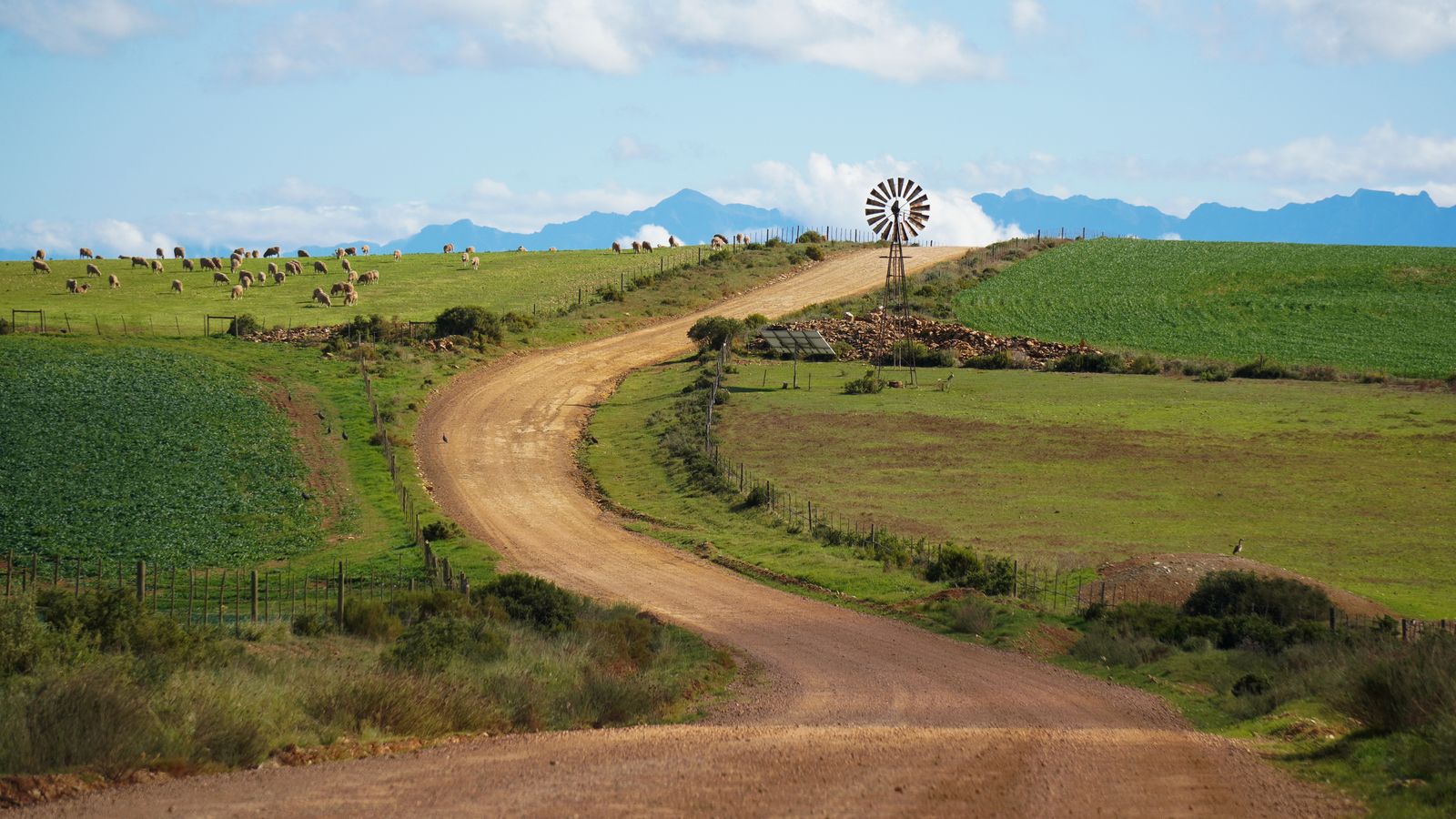
Beautiful rural scene featuring winding dirt road, windmill, and grazing livestock in South Africa.
R36 Billion Sector Remains Largely Informal
South Africa's rural cannabis economy is valued at R36 billion, yet most growers remain unregistered and excluded from formal markets. The government's formalization push comes eight years after the landmark Prince v. President of the Law Society of the Cape of Good Hope ruling decriminalized private cultivation and consumption. Despite that legal shift, regulatory frameworks for commercial licensing have lagged. Traditional cultivators—many in the Eastern Cape and KwaZulu-Natal provinces—still operate in a gray zone.
Business Day pegs the R36 billion figure as estimated annual production value across thousands of small plots. Without licensing pathways, growers can't access banking, export markets, or quality-certification programs. That's revenue the state wants to capture and tax.
Licensing Framework Targets Small-Scale Producers
The proposed formalization model prioritizes micro-licenses and cooperative structures designed for rural growers with limited capital. Details remain sparse. But the initiative is expected to mirror programs in Lesotho and Zimbabwe, where tiered licensing allows smallholders to enter legal supply chains without the R5 million+ compliance costs that large-scale commercial permits demand.
The framework aims to avoid replicating the capital-barrier mistakes seen in markets like California, where small farmers were priced out by compliance costs within three years of legalization.
Key design questions remain unresolved. Will licenses require seed-to-sale tracking integration, and if so, who pays for the software? Can growers sell directly to processors, or must they route through state-licensed distributors? What tax rate applies—standard VAT, or a lower agricultural rate?
Those answers will determine whether formalization succeeds or replicates the failures of over-regulated rollouts elsewhere. For context on South Africa's evolving regulatory landscape, see the CannIntel topic hub on South Africa cannabis formalization.
Economic Stakes and Export Potential
Formalizing rural growers could unlock export revenue and create a compliance infrastructure that positions South Africa as a low-cost supplier to European medical markets. The country already exports limited volumes of pharmaceutical-grade cannabis under existing permits, but scaling that requires standardized cultivation practices, lab testing, and traceability. All of which formalization would mandate.
The R36 billion domestic valuation doesn't yet account for export upside. Germany, the UK, and France are all expanding medical-cannabis import quotas, and South African labor costs are a fraction of those in Canada or Israel. Export buyers demand GMP certification and full chain-of-custody documentation, though. Small growers can't meet those standards alone. Cooperative models—where farmers pool output and share compliance costs—are the likely path forward.
The political variable here? Whether the state prioritizes rural economic development over tax maximization. High excise rates or onerous testing mandates will simply push growers back underground.
For complete background, history, and our ongoing coverage of this story:
Open the CannIntel topic hub →Frequently asked questions
What is the value of South Africa's rural cannabis sector?
The sector is valued at R36 billion (approximately $2 billion USD), representing estimated annual production across thousands of small-scale rural cultivators, primarily in the Eastern Cape and KwaZulu-Natal provinces.
Why are most South African cannabis growers still informal?
Despite 2018's decriminalization ruling, commercial licensing frameworks have been slow to develop. High compliance costs for standard licenses—often exceeding R5 million—exclude small farmers, leaving them in a legal gray zone without access to banking or export markets.
How will the formalization program help small growers?
The initiative is expected to introduce micro-licenses and cooperative models that lower capital barriers, allow legal sales, and enable access to export markets. Success depends on keeping compliance costs manageable and avoiding over-regulation.
What export opportunities exist for South African cannabis?
European medical markets in Germany, the UK, and France are expanding import quotas. South Africa's low labor costs and existing pharmaceutical export infrastructure position it as a competitive supplier, provided growers meet GMP certification and traceability standards.
What are the biggest risks to the formalization plan?
High excise taxes, expensive seed-to-sale tracking mandates, or onerous testing requirements could price out small growers and push them back underground. The program must balance revenue generation with genuine economic inclusion.
Sources
The cannabis newsletter you forward to your team.
Federal policy, market data, grower alerts, and the one story that matters today. Sent every weekday at 7am. Free.
No spam. Unsubscribe with one click. 21+ only.
Related from Business

Organigram enters fight for Aurora as Curaleaf bid clock runs
British American Tobacco's stake in Organigram could put the tobacco giant at the center of the Aurora contest before Curaleaf's offer expires Dec. 4.

Tilray Medical Wins Approval for In-House EU-GMP Cannabis Testing
Tilray Medical can now run EU-GMP quality testing in-house, a move that could shift lab costs and batch-release timing, though key details remain undisclosed.

Canopy Growth Secures EU-GMP Certification at Smiths Falls
Canopy Growth's Smiths Falls site is now certified for softgel manufacturing and primary packaging of softgels, oral liquids and dried flower, extending its EU-GMP supply chain.
More from the newsroom

Village of Hempstead Weighs Allowing Recreational Cannabis Shops
The Nassau County village is considering allowing adult-use dispensaries, a step that would bring it into New York's licensed market under the 2021 MRTA.
Nevada County Approves Dispensary Selection Process for Two Towns
Supervisors approved a process for choosing cannabis dispensary operators in North San Juan and Soda Springs, but the county notice leaves key details unstated.

DEA Accepts New Report in Rescheduling Hearing; Foes Seek Discovery
DEA does not object to a new report entering the marijuana rescheduling record, while opponents ask for added testimony and document discovery.