New York Approves 25 Additional Adult-Use Cannabis Licenses
OCM's latest batch brings total licensed operators past 200 as the state accelerates retail expansion.
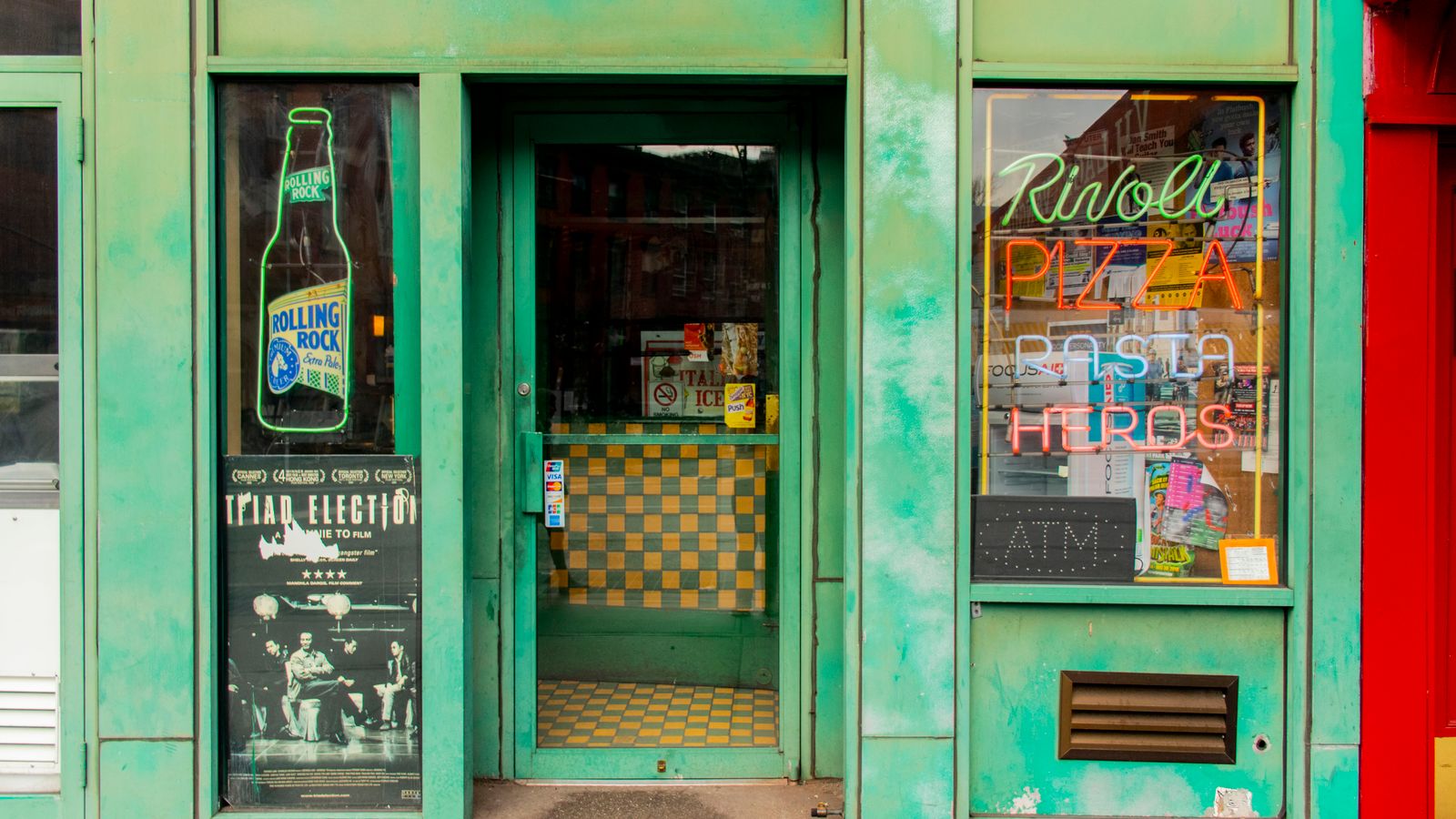
Bright facade of a New York pizza restaurant with neon signs and vintage accents.
Licensing Velocity Picks Up After Summer Slowdown
The 25 new licenses represent a 14% increase in New York's total adult-use retail footprint in a single day. OCM had issued just 12 licenses across June and July combined, according to the agency's public dashboard. The August 9 batch brings New York's cumulative total to 203 conditional adult-use retail dispensary (CAURD) and standard adult-use licenses.
Legal sales launched in December 2022. Eight CAURD stores opened first, reserved for justice-involved applicants. Licensing stalled through 2023 and early 2024 amid litigation over the CAURD program's constitutionality and a backlog of incomplete applications.
Geographic Distribution Skews Upstate
Sixteen of the 25 licenses went to applicants in regions outside the New York City metro area. The Finger Lakes region received six approvals, the highest concentration in this round. Western New York and the Capital District each received four licenses. The five downstate licenses include three in New York City boroughs and two in Westchester County.
OCM doesn't disclose applicant names or precise addresses at the conditional-license stage. Operators must complete inspections and final compliance steps before the agency publishes store locations.
Market-Share Implications for MSOs
New York's accelerating license issuance dilutes the first-mover advantage held by Curaleaf (CSE: CURA), Acreage Holdings, and other early CAURD partners. Curaleaf operates four dispensaries in New York and supplies wholesale to roughly 40% of the state's licensed stores, according to the company's Q2 2026 earnings call. Each new license increases competitive pressure on per-store revenue and wholesale pricing.
Vertical operators can't open more than three retail locations. That rule has kept MSO market share below 10% by store count, a sharp contrast with Illinois and Pennsylvania, where multi-state operators control more than half of all dispensaries.
Revenue Ramp Still Lagging Projections
New York collected $48 million in adult-use cannabis tax revenue through the first half of 2026, roughly 60% of the state's original forecast. The shortfall reflects slower-than-expected store openings and persistent competition from the unlicensed market, which OCM estimates still accounts for 70% of total cannabis sales statewide.
Governor Kathy Hochul's 2026-2027 budget assumes $150 million in annual cannabis tax receipts. Hitting that target would require a near-doubling of current monthly collections or a significant expansion in the number of operational stores.
Inspection Bottleneck Remains Key Constraint
OCM's inspection and final-approval process averages 90 to 120 days from conditional-license issuance to store opening. The agency employs 14 full-time inspectors responsible for adult-use retail, cultivation, and manufacturing facilities across the state. Staffing hasn't increased since early 2025 despite the growing pipeline of conditional licenses.
Operators report inspection delays of up to six months in New York City, where inspectors must coordinate with the Department of Buildings and the Fire Department. Upstate? Shorter timelines. But even rural facilities average three months from conditional approval to ribbon-cutting.
Social-Equity Program Faces Ongoing Scrutiny
The CAURD program, which reserved the first 150 licenses for justice-involved applicants, remains under federal court review following a 2023 injunction. A Michigan-based veteran challenged the program's residency and equity requirements as unconstitutional. The Second Circuit lifted the injunction in May 2024, allowing OCM to resume processing CAURD applications, but the underlying case is still pending.
OCM has issued 87 CAURD licenses to date. Standard adult-use applicants—a category open to any qualified operator regardless of justice involvement—received the remaining licenses in the August 9 batch.
What Comes Next
OCM's next licensing meeting is scheduled for September 12, 2026. The agency has signaled it'll continue monthly approval rounds through year-end as it works through a backlog of more than 400 pending applications. Industry observers expect New York to surpass 250 licensed dispensaries by December, though the gap between licensed and operational stores will likely widen unless the state adds inspection capacity.
For full background on New York's adult-use rollout, see the CannIntel topic hub on New York Cannabis Rollout.
For complete background, history, and our ongoing coverage of this story:
Open the CannIntel topic hub →Frequently asked questions
How many cannabis dispensaries are licensed in New York?
As of August 9, 2026, New York has issued 203 adult-use cannabis retail licenses. Fewer than half are currently operational due to inspection and buildout timelines averaging 90 to 120 days.
What is New York's CAURD program?
The Conditional Adult-Use Retail Dispensary (CAURD) program reserved the first 150 adult-use licenses for justice-involved applicants. OCM has issued 87 CAURD licenses to date; the program faced a 2023 federal injunction that was lifted in May 2024.
How much cannabis tax revenue has New York collected in 2026?
New York collected $48 million in adult-use cannabis tax revenue through the first half of 2026, approximately 60% of the state's original forecast. The shortfall reflects slower store openings and competition from the unlicensed market.
When will New York issue more cannabis licenses?
OCM's next licensing meeting is scheduled for September 12, 2026. The agency plans monthly approval rounds through year-end to address a backlog of more than 400 pending applications.
How many dispensaries can one company operate in New York?
New York caps vertical operators at three retail locations statewide. This rule limits multi-state operators to less than 10% market share by store count, in contrast to states like Illinois where MSOs control more than half of all dispensaries.
Sources
The cannabis newsletter you forward to your team.
Federal policy, market data, grower alerts, and the one story that matters today. Sent every weekday at 7am. Free.
No spam. Unsubscribe with one click. 21+ only.
Related from Business

Michigan Retailer Closes Five Dispensaries Citing New Tax Burden
A Michigan cannabis operator is shuttering five locations as the state's revised tax structure squeezes multi-location retailers.
Michigan Dispensary Chain Closes Five Stores, Blames 24% Tax Rate
An unnamed multi-location operator shuttered five Michigan cannabis retail locations this week, citing the state's combined 24% tax burden as the primary driver.
Minnesota Cannabis Operators Face Licensing Delays, Inventory Shortages
State regulators struggle to process applications as businesses report cash-flow strain and supply gaps.
More from the newsroom
Federal Judge Denies Request to Block Texas Hemp Ban
A U.S. district court rejected industry arguments for a temporary restraining order, leaving the state's consumable hemp prohibition in effect.

Massachusetts Cannabis Study Finds Consumer Concerns on Potency, Tax Spending
New research shows Bay State cannabis consumers prioritize product potency accuracy and transparency in how the state spends marijuana tax revenue.
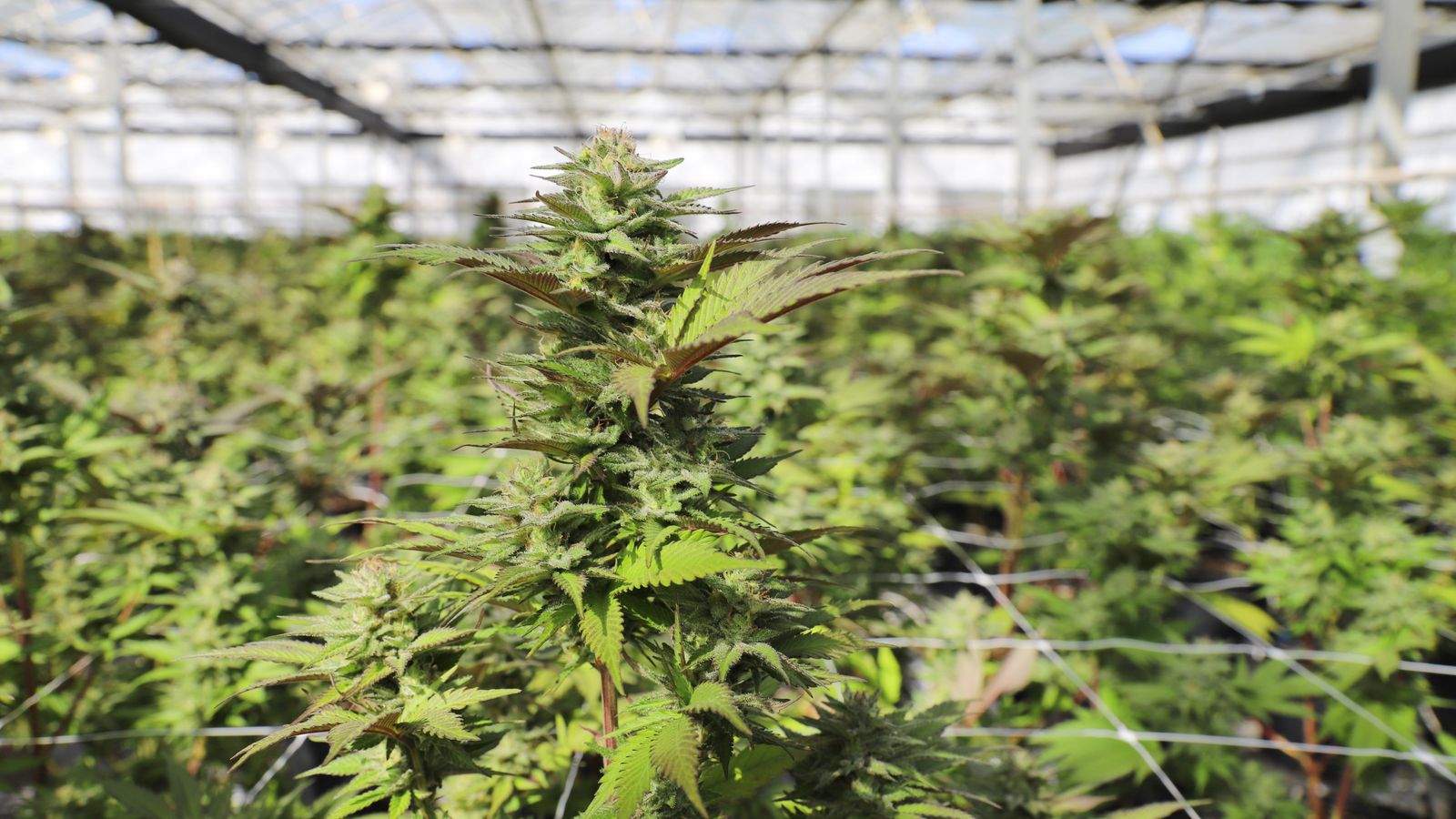
Georgia regulators tour Macon cultivation site as patient enrollment climbs
State cannabis commission inspects production facility amid rising demand for medical marijuana access.