Little Green Pharma Cannatrek Integration Advances, Report Says
Kalkine Media put Little Green Pharma back in focus on Oct. 5 as the Cannatrek integration takes shape. The execution risk now outweighs the deal headline.
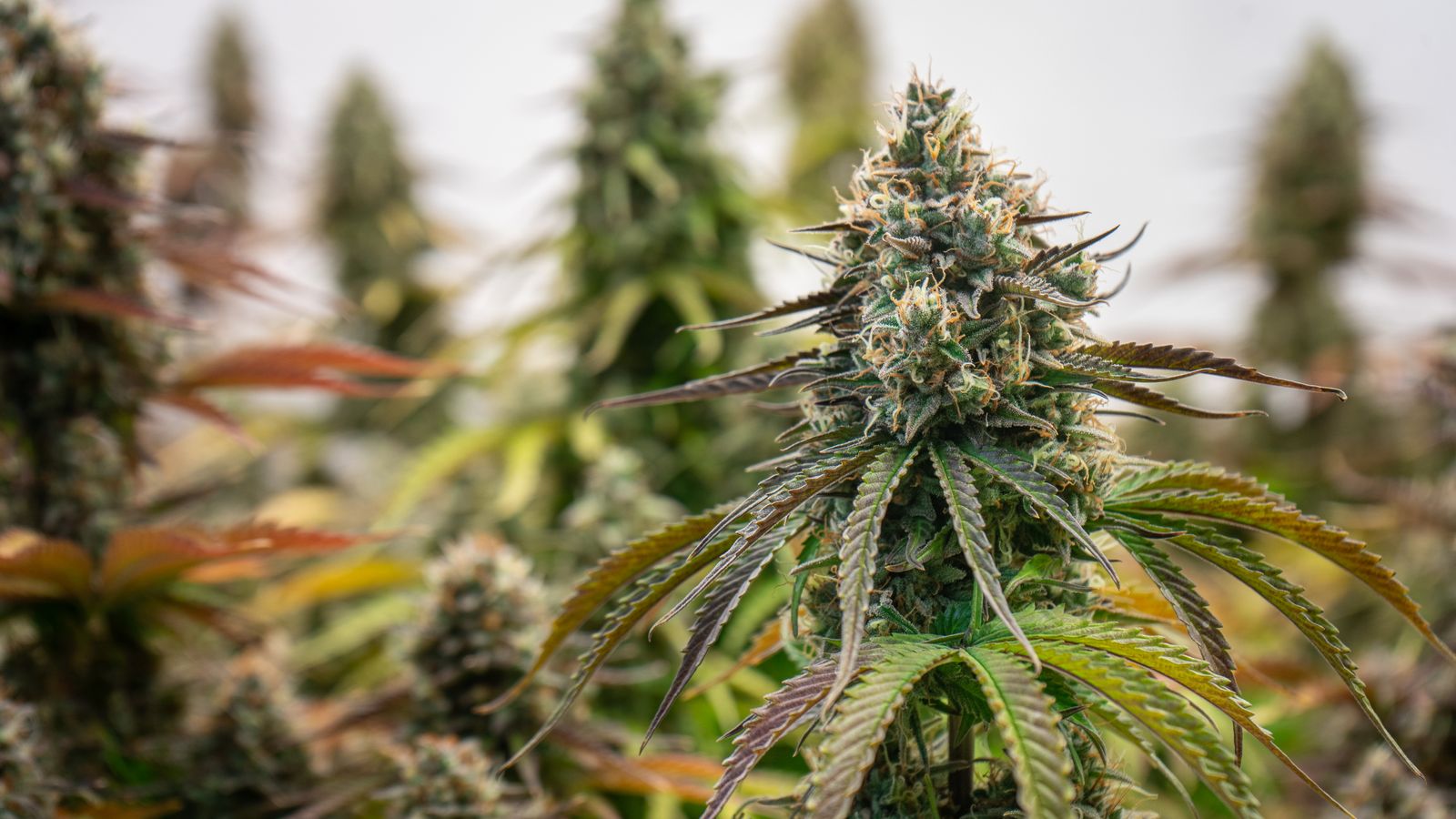
Detailed view of a cannabis plant in a greenhouse, highlighting its lush buds.
What the Kalkine report establishes, and what it doesn't
Kalkine Media's Oct. 5, 2026 piece frames the Little Green Pharma and Cannatrek integration as the reason the ASX-listed producer is back on watchlists, but the summary available to CannIntel carries no deal terms.
We reviewed the headline and summary only. So we aren't reporting a purchase price, synergy target, headcount change or revenue contribution. Those figures belong in Little Green Pharma's own ASX disclosures, and we won't print numbers we can't tie to a filing.
What the headline does confirm is the sequencing. Integration is no longer a plan. Kalkine Media describes it as taking shape. That shifts the question from whether the deal was sensible to whether two operators can be run as one.
Not a small shift.
Why integration, not the deal, is the harder test
Medicinal cannabis consolidation has a poor record when the combined entity treats the closing date as the finish line.
Canada is the cautionary tale. After the 2019 to 2023 merger wave among licensed producers regulated by Health Canada, several large operators spent years working through impairments, facility closures and inventory write-downs. Scale on paper didn't become margin. The lesson wasn't that mergers fail; it was that overlapping cultivation capacity and duplicated overhead have to be actively removed before a combined balance sheet looks better than its parts.
Australia's structure raises its own questions. Operators answer to the TGA on product standards and prescribing pathways, including the Special Access Scheme and Authorised Prescriber routes, and to the Office of Drug Control on cultivation and manufacture licences. Folding two licence holders and their quality systems together isn't a back-office exercise. A misstep on documentation or batch release can freeze product that is already sitting in the supply chain.
Then there's the export lens, which is where a country-comparative read matters. Germany reclassified medical cannabis out of its Narcotics Act on April 1, 2024, and BfArM remains the gatekeeper for import and supply oversight in a market that has leaned on foreign product. For an Australian producer with export ambitions, a larger combined cultivation and manufacturing base only pays off if it can clear European GMP and documentation requirements consistently. Domestic scale alone won't carry that.
CannIntel analysis: the acquisition made Little Green Pharma bigger. Integration decides whether bigger means more profitable, and the market will price the second part, not the first.
That math is hard to argue with. Cannabis equities rarely get rewarded twice for the same deal.
What investors and operators should watch next
The signals that matter are in regulatory filings and licence status, not in sentiment pieces about a stock being back in focus.
Coverage like Kalkine's tends to move with share-price attention. Operators and investors should anchor instead on a handful of verifiable markers:
- Any quantified cost-out or synergy figure in Little Green Pharma's ASX announcements, with a timeline attached.
- Confirmation that the relevant TGA and Office of Drug Control licences and permits transfer or consolidate without a supply gap.
- Evidence of patient-channel overlap: whether the two prescriber and pharmacy networks add reach or simply duplicate it.
- Export volumes into regulated European markets such as Germany, where BfArM documentation standards set the bar.
Each of these can be checked. Each can also disappoint.
There's a competitive angle too. Australian medicinal cannabis has become a crowded, price-sensitive category, and a combined company with lower unit costs can compete harder on price without bleeding margin. A combined company that merely adds headcount can't. The gap between those two outcomes is what the integration phase decides, usually within the first few reporting periods, and often before management has finished describing the strategy.
For full background on this story, see the CannIntel topic hub on the Little Green Pharma and Cannatrek integration, where we will log each verified filing as it lands.
The next signal: Little Green Pharma's next ASX quarterly update, where any hard integration figures should first appear. Until then, treat "taking shape" as a status line, not a result.
Sources
The cannabis newsletter you forward to your team.
Federal policy, market data, grower alerts, and the one story that matters today. Sent every weekday at 7am. Free.
No spam. Unsubscribe with one click. 21+ only.
Related from Business

Vireo Growth acquires Palatka cannabis facility for $21M
The multistate operator paid $21 million for a Palatka site, a hard-asset bet on Florida's medical market while Canada and Germany show the cost of overbuilding.

Vireo Makes Latest $21M Florida Purchase, Deepening MSO Foothold
MJBizDaily reported the multistate operator's newest Florida deal, a $21 million purchase that extends a pattern of incremental buying in a license-capped medical market.

Nasdaq Offers Safe Harbor Financial 180-Day Compliance Extension
SHF Holdings, the Denver fintech behind Safe Harbor Financial, received written Nasdaq notice of a 180-day extension to a compliance deadline.
More from the newsroom
AG Blanche Says DOJ Won't Interfere With State-Legal Cannabis
Attorney General Todd Blanche said the Justice Department isn't seeking to interfere with state-legal marijuana operators, but no written policy or rule change accompanied the reported remarks.

Blanche Says Lucas Charges Aren't Aimed at State Cannabis Laws
The attorney general framed the federal case against Virginia's Senate president pro tem as conduct-based, not a move against state marijuana policy.

DOJ indicts Virginia lawmaker, six others over hemp THC shop
Federal prosecutors charged a Virginia state lawmaker and six others over a hemp THC operation, testing where hemp ends and marijuana begins.