Illinois Cannabis Revenue Falls as Demand Rises, Report Says
Capitol City Now reports a split in the Illinois market: sales revenue is declining even as consumer demand climbs, putting pricing and margins in focus.
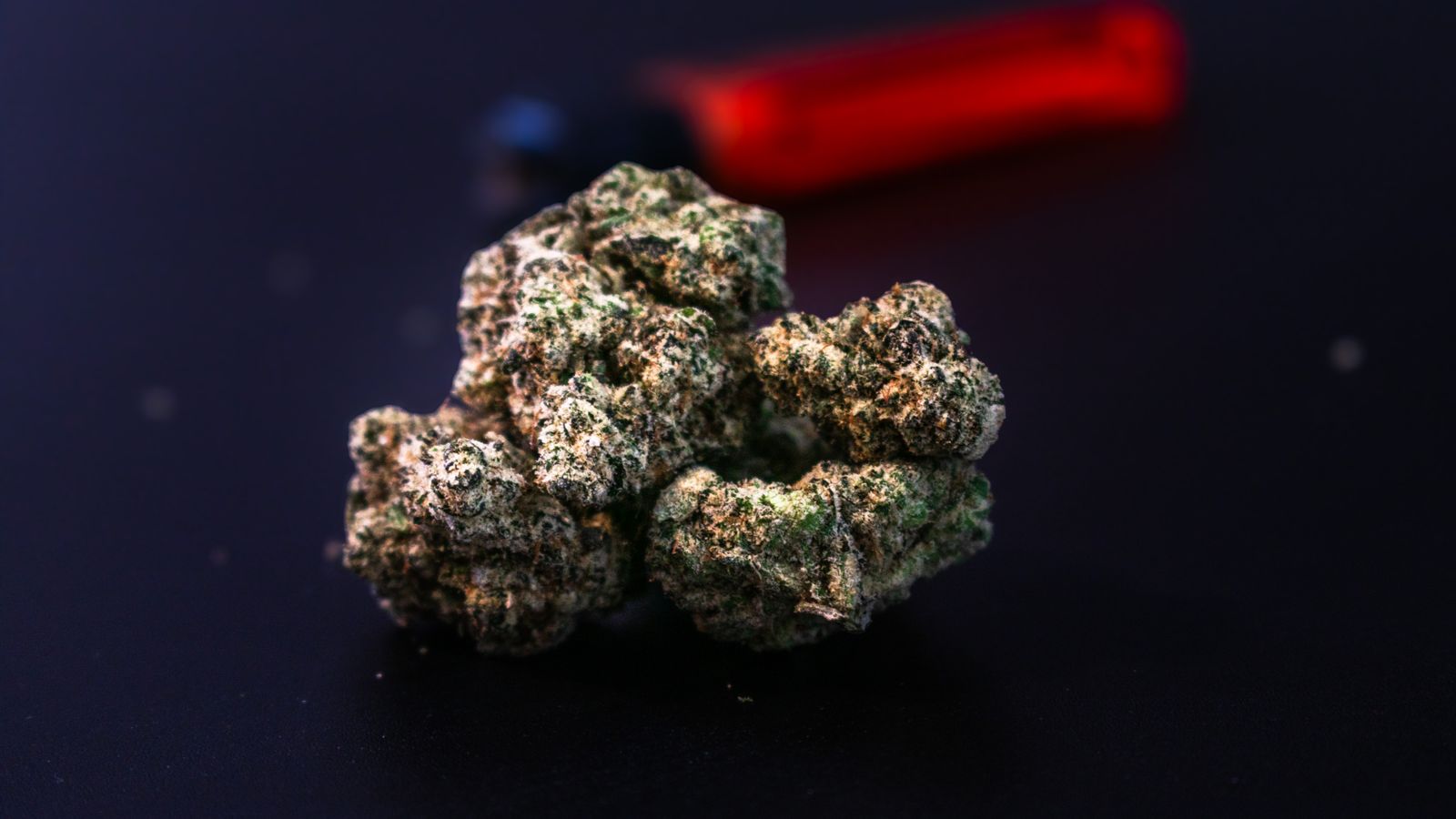
Detailed close-up of a cannabis bud with a red lighter in the background on a dark surface.
What Capitol City Now reported
Capitol City Now reported on Oct. 12, 2026 that Illinois cannabis revenue is down while demand is rising.
That's the finding in the headline. The summary reviewed by CannIntel doesn't include dollar figures, the reporting period, or the officials cited. We won't guess at them.
Here's what can be said. Two numbers that normally move together are moving apart, and with no dollar figures, reporting period or named officials in the summary, that divergence is the whole story for now.
Why revenue and demand can diverge
When revenue falls as demand climbs, price per unit is the first variable to check.
Spanish-language operators have a blunt shorthand for it: vender más, ganar menos. Sell more, earn less.
These are hypotheses, not reported findings:
- Lower average prices per gram as licensed supply grows
- A shift toward cheaper products or value tiers
- Different measures of "revenue" and "demand," such as tax receipts versus transactions
- Timing effects tied to the reporting period
Which one applies isn't stated in the material we reviewed.
What it means for operators
Thinner price per unit forces licensed operators to win on volume and cost discipline, because they carry a tax burden most businesses don't.
Plant-touching cannabis companies can't deduct ordinary expenses under federal 280E, so every dollar of lost revenue hits cash flow harder than it would at a typical retailer. A multi-state operator (MSO) with Illinois stores feels that first in margin, not in foot traffic.
That math is unforgiving.
The import angle: no outside supply valve
Illinois can't relieve price pressure with imports, because federal law bars cannabis from crossing U.S. borders and state lines.
Colombia licenses cultivation for export, and Latin American producers watch U.S. pricing closely. Yet none of that supply can legally reach Illinois dispensaries. Any price pressure in the state is home-built, driven by in-state licensees and in-state shoppers.
Illinois has also been a legal adult-use market since January 1, 2020. Years of license growth and product competition are a plausible backdrop, though the report as summarized doesn't tie the decline to either.
What to watch next
The data behind the headline will show whether this is price compression or something else.
For full background, see the CannIntel topic hub on the Illinois Cannabis Market. Three numbers would settle the question:
- Average price per unit across flower, vapes, and edibles
- Transaction counts versus total sales dollars
- Month-over-month state sales data against the prior year
The next signal is the full Capitol City Now figures, and whether state regulators' monthly sales data confirms the split.
Sources
The cannabis newsletter you forward to your team.
Federal policy, market data, grower alerts, and the one story that matters today. Sent every weekday at 7am. Free.
No spam. Unsubscribe with one click. 21+ only.
Related from Business
Tilray Beverage Growth vs. Cannabis Weakness: The Tax Read
Kalkine Media asks whether Tilray's beverage business can offset cannabis softness; a tax and segment-level reading shows what the answer depends on.

Illinois Cannabis Use Rises While State Tax Revenue Dips
The Chicago Sun-Times reported Oct. 12 that Illinois consumption is climbing as cannabis tax collections slip, a split with consequences for state budgets and operators.
Illinois Report Sets $5M Monthly Cannabis Sales Record for July
DFPR and CROO's 2026 Annual Cannabis Report shows a July sales record and 9% year-over-year growth in August, following a doubling of purchase limits.
More from the newsroom

Idaho Sets Nov. 3 Vote on Legislature's Sole Power to Legalize Marijuana
A ballot question would decide whether only lawmakers, not voters, can legalize marijuana in Idaho, a state with no adult-use or medical market.

Wholesaler Settles for $2M Over Illegal THC Product Sales
A wholesaler agreed to a $2 million settlement over illegal THC products, but the public record is thin on who, where and what was sold.
High Times Profiles Brute's Roots' Slow Pheno Bet in South Jersey
High Times Magazine profiled Brute's Roots on Oct. 12, framing the South Jersey operation's strategy around patience and phenotype selection.