Hemp insurers face coverage gaps ahead of Dec. 11 deadline
Insurance Business reported coverage gaps are emerging for hemp operators as the December 11 federal deadline approaches, leaving policy language and tax treatment unsettled.

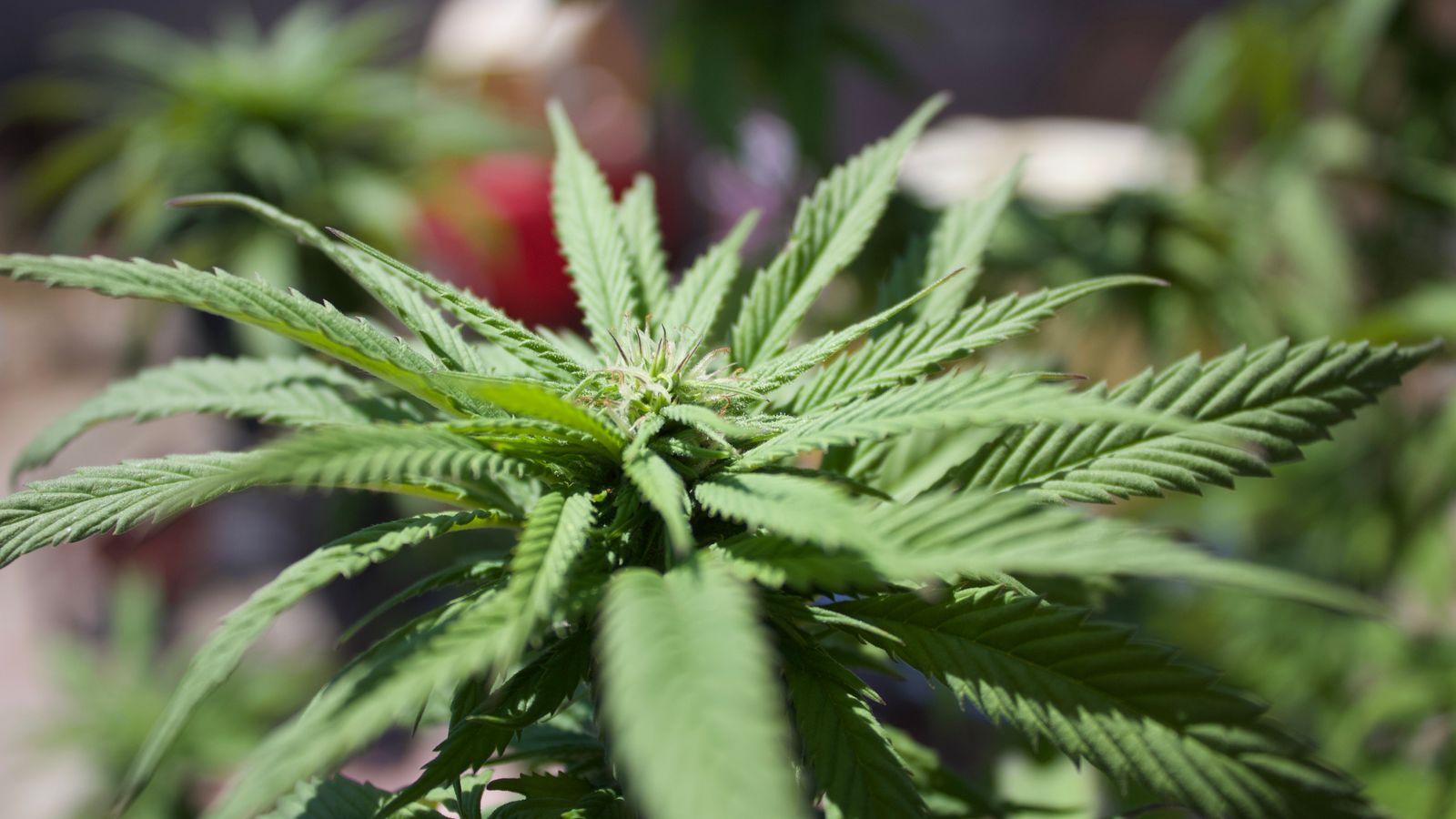
Vibrant green hemp plants grow tall under the clear blue sky, showcasing nature's beauty.
Coverage gaps are the immediate operational exposure
Hemp operators are heading into the December 11 deadline with insurance terms that may not match the legal status of their products.
Insurance Business flagged the gaps in a November 13 report, according to the trade publication's headline. The full text of that report wasn't available to CannIntel at publication, so the specific carriers, policy lines and exclusions it describes aren't detailed here.
The headline does establish the timing. The exposure is tied to a hard date. Policies written or renewed now will be tested against whatever the federal landscape looks like once it passes.
Why a legal-status change reaches the policy form
Commercial policies generally key coverage to lawful operations, so a change in federal status can alter what a carrier owes on a claim.
On a strict reading, most commercial general liability, product liability and property forms contain conditions or exclusions that turn on legality, licensure or compliance with applicable law. A hemp-derived product that is lawful on the day a policy is bound and unlawful on the day a loss occurs creates a dispute no one wants to litigate.
Carriers also reprice or pull capacity when regulatory risk spikes. Nonrenewal notices tend to arrive on a statutory clock, so decisions made this quarter will shape availability well into 2027.
Policy language, not the headline deadline, will decide who is actually covered when a claim lands after December 11.
The December 11 deadline and the federal hemp loophole
The deadline is the focal point of CannIntel's ongoing coverage of the federal hemp loophole.
For full background on the legal mechanics, see the CannIntel topic hub on the federal hemp loophole and the December 2026 deadline. That hub tracks the statutory definition of hemp, the intoxicating-product carve-outs at issue, and the compliance timeline.
Insurance sits downstream of that fight. Underwriters price what regulators permit. They can't price what Congress and the agencies haven't resolved.
The tax overlay operators shouldn't ignore
Insurance and tax exposure converge because a product's legal classification governs both coverage and deductibility.
If operators in this space are ultimately treated as trafficking in a Schedule I substance, IRC §280E would bar ordinary business deductions, including premiums that would otherwise be routine expenses. On a strict reading, §280E disallows deductions and credits for any trade or business consisting of trafficking in controlled substances prohibited by federal law. Whether hemp-derived products fall inside that language depends on how the controlled-substance definitions resolve.
Operators shouldn't assume the answer. Counsel and tax advisers should model both outcomes before renewals bind, because a premium paid under one classification can become a disallowed cost under another.
What operators should do before binding or renewing
The practical move is to read the exclusions, ask the broker pointed questions, and document the answers in writing.
Operators should confirm how each policy defines covered products, whether legality-based exclusions apply, and what happens to an in-force policy if federal status changes mid-term. Ask, too, whether the carrier intends to renew after December 11, and on what terms.
Retailers, processors and cultivators carry different exposures. A processor with product-liability risk is in a different position than a retailer with inventory on the shelf. A single blanket assumption won't hold across them.
Who is most exposed
Small and mid-size hemp businesses with thin balance sheets are least able to absorb an uninsured loss.
Multistate operators and large consumer-packaged-goods brands can often negotiate bespoke terms or self-insure part of the risk. Smaller firms typically can't. That asymmetry means a coverage gap can become a consolidation event, pushing weaker operators out or into the arms of better-capitalized buyers.
The math is brutal.
Lenders and landlords add a second pressure point. Many loan and lease agreements require proof of continuous coverage, so a lapse can trigger a default independent of any claim.
The next signal to watch: whether major carriers issue nonrenewal or reservation-of-rights notices to hemp insureds in the weeks before December 11, and whether Congress or federal agencies move first.
For complete background, history, and our ongoing coverage of this story:
Open the CannIntel topic hub →Frequently asked questions
What is the December 11 hemp deadline?
It is the federal date driving uncertainty over the legal status of certain hemp-derived products. CannIntel tracks the statutory details and compliance timeline on its federal hemp loophole topic hub.
Why would a legal change affect hemp insurance?
Commercial policies often condition coverage on lawful operations. If a product's federal status changes, a carrier may dispute or deny a claim, or decline to renew, depending on the exclusions and conditions written into the policy.
Could IRC §280E apply to hemp businesses?
On a strict reading, §280E bars deductions for businesses trafficking in federally controlled substances. Whether hemp-derived products fall within that reach depends on how the controlled-substance definitions resolve. Operators should model both outcomes with tax counsel.
What should hemp operators ask their brokers now?
Ask how covered products are defined, whether legality-based exclusions apply, what happens to in-force policies if federal status changes, and whether the carrier plans to renew after December 11. Get the answers in writing.
Sources
The cannabis newsletter you forward to your team.
Federal policy, market data, grower alerts, and the one story that matters today. Sent every weekday at 7am. Free.
No spam. Unsubscribe with one click. 21+ only.
Related from Business

Tilray Hits Record Low as Globe and Mail Asks: Buy or Trap?
The Globe and Mail framed Tilray's record-low share price as a buy-or-trap question, and the answer depends on what its operating model actually produces.

USDA Updates Hemp Crop Insurance for 2027 as THC Risk Looms
The USDA revised hemp crop insurance for the 2027 crop year, and growers are now weighing how the program treats THC compliance losses.

ConBud Yankee Stadium Opens in the Bronx Under New York's CAURD Program
A dispensary near Yankee Stadium puts New York's justice-involved licensing model back under scrutiny, in a borough that carried a disproportionate share of the state's old marijuana arrests.
More from the newsroom

Cottage Food Rules Collide With Hemp THC Edibles Boom
A West Central Tribune report on hemp, CBD and THC in cottage foods spotlights a regulatory gap home bakers and state agencies are still trying to close.

FOX8 Maps What Legal Weed Could Look Like in North Carolina
A local TV outlook on adult-use legalization in North Carolina leaves the hard questions, especially hemp and THCA, unanswered.
The Times Reports Superstrength Cannabis Farms Dot UK Towns
A Times headline says illicit high-potency grows are likely in most British towns, and the economics behind that claim show how an untaxed, unregulated supply chain keeps scaling.