Hemp Beverage Operators Build Contingency Plans Ahead of Federal Ban
Brands review cash flow, contracts, and supply chains as November deadline forces pivots to alcohol, functional drinks, or scale-back.
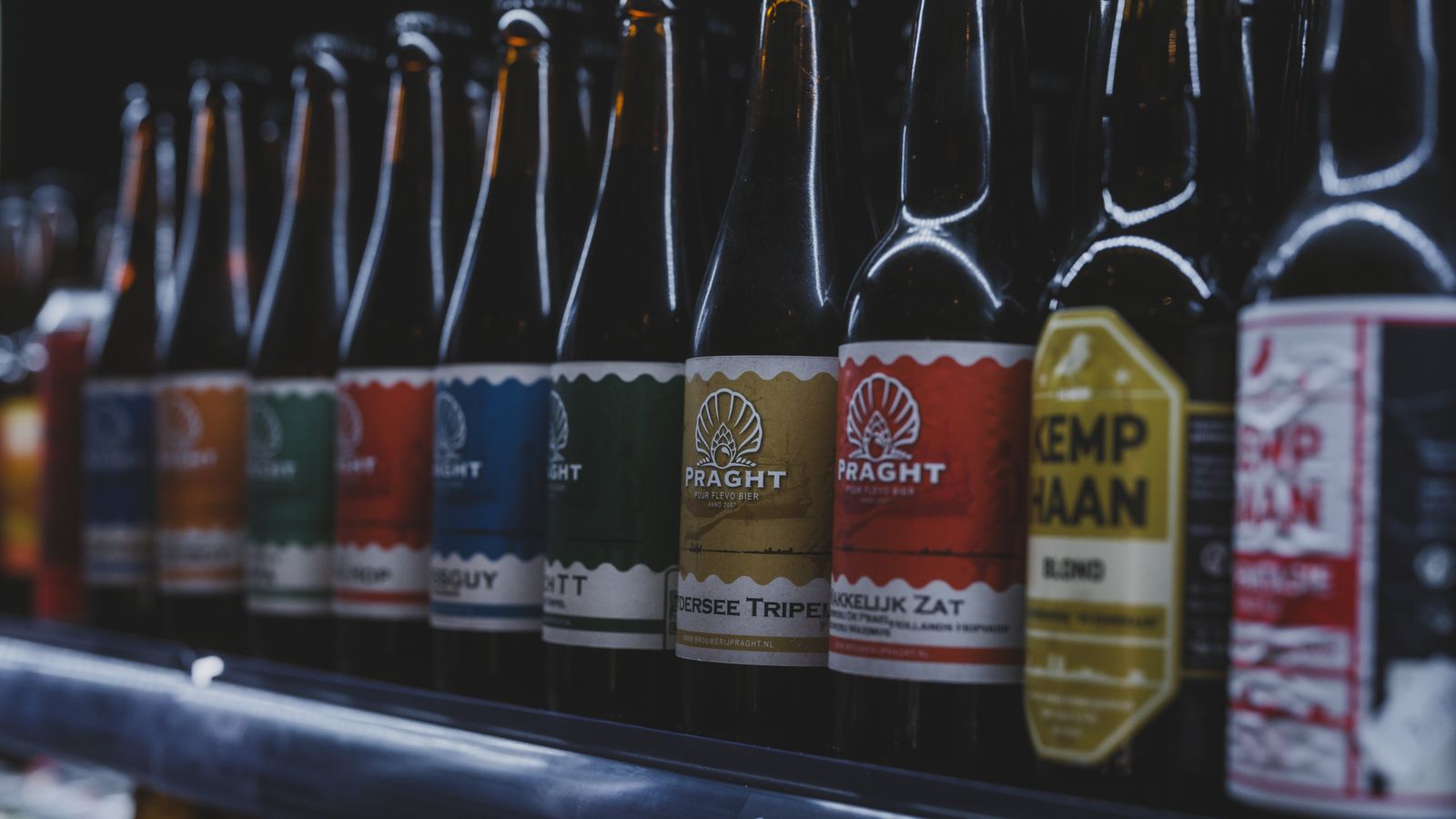
A selection of colorful craft beer bottles displayed on a shelf in a store in Almere, Netherlands.
Operators Weigh Three Exit Paths as Ban Deadline Nears
Hemp beverage brands face a November 2026 federal ban on intoxicating hemp-derived cannabinoids, forcing operators to choose between pivots to alcohol, functional drinks, or temporary shutdowns. At the Hemp Beverage Expo, panelists outlined three primary contingency strategies: reformulating products as non-intoxicating functional beverages, entering alcohol distribution channels where state licenses permit, or scaling back operations until regulatory clarity emerges. The ban targets delta-8 THC, delta-9 THC derived from hemp, THCA, and other psychoactive cannabinoids synthesized or extracted from hemp plants.
The timeline's tight. Most operators have four months to execute supply-chain overhauls, renegotiate retailer contracts, and retool manufacturing lines. Brands with existing alcohol licenses in states like California, Colorado, and Oregon hold a structural advantage, panelists said, since they can pivot to THC-infused beverages under state cannabis laws without federal hemp dependency.
For operators without state cannabis licenses, the functional-beverage lane offers the cleanest federal path: products containing CBD, adaptogens, nootropics, or other non-intoxicating ingredients. But margins compress. A delta-9 THC seltzer retailing at $8-12 per can drops to $4-6 as a CBD functional drink, cutting gross margins by 30-40% in most markets.
Cash Flow and Contract Audits Top the Checklist
Panelists urged operators to immediately audit cash reserves, supplier contracts, retailer agreements, tax liabilities, and insurance policies to identify financial exposure before the ban takes effect. Key pressure points include:
- Inventory write-offs: Brands holding more than 60 days of hemp-derived THC inventory face potential total loss if products can't be sold or reformulated by November.
- Retailer contract clauses: Many distribution agreements include force-majeure or regulatory-change provisions that allow retailers to return unsold inventory or terminate contracts without penalty.
- Tax exposure: Operators who claimed federal tax deductions under the assumption that hemp beverages were legal may face IRS adjustments or audits if the ban is retroactively applied to 2025-2026 filings.
- Insurance gaps: Standard product-liability policies often exclude coverage for federally banned substances, leaving brands exposed to consumer claims filed after the ban date.
One panelist, a CFO at a Colorado-based hemp seltzer brand, described a scenario where a retailer in Texas returned $180,000 in inventory two weeks before the ban, citing a contract clause triggered by federal regulatory changes. The brand had no recourse.
Customer data is another asset under review. Brands with email lists, loyalty programs, or direct-to-consumer platforms are evaluating how to pivot those audiences to compliant product lines without violating CAN-SPAM or state consumer-protection laws.
State-by-State Licensing Creates Uneven Playing Field
Operators with state cannabis licenses can transition hemp-beverage formulations to state-regulated THC products, while unlicensed brands face market exit or non-intoxicating reformulations. In California, Oregon, and Colorado, hemp beverage brands that also hold Type 6 (manufacturer) or Type 11 (distributor) cannabis licenses can reformulate products using state-legal cannabis-derived THC and continue selling through licensed dispensaries and delivery services. Michigan and Illinois offer similar pathways, though licensing backlogs in both states may delay pivots past the November deadline.
Brands operating exclusively in hemp-friendly states without adult-use cannabis programs face harder choices. Texas, which allowed hemp-derived delta-9 THC beverages under the 2018 Farm Bill's 0.3% dry-weight threshold, has no legal cannabis market to pivot into. Tennessee and North Carolina are in similar positions. Operators in those markets have functional-beverage reformulation as the only compliant path.
For full background on the federal hemp ban and state-by-state implications, see the CannIntel topic hub on the Federal Hemp Ban 2026.
The uneven regulatory landscape has sparked consolidation talks. Two panelists said West Coast operators with cannabis licenses are in acquisition discussions with Southeastern hemp brands seeking state-market entry before the ban. Deal structures hinge on whether the acquiring entity can transfer or sponsor cannabis licenses in the target state — a process that in California takes 90-120 days and in Illinois can exceed six months.
We'll be watching whether licensing backlogs in Michigan and Illinois clear before November, and whether the IRS issues guidance on retroactive tax treatment of hemp beverage sales.
For complete background, history, and our ongoing coverage of this story:
Open the CannIntel topic hub →Frequently asked questions
What cannabinoids are banned under the November 2026 federal hemp rule?
The ban targets intoxicating hemp-derived cannabinoids including delta-8 THC, delta-9 THC synthesized or extracted from hemp, THCA, and other psychoactive compounds derived from hemp plants under the 2018 Farm Bill's 0.3% dry-weight threshold.
Can hemp beverage brands pivot to state-legal cannabis markets?
Yes, if they hold state cannabis licenses. Brands with Type 6 or Type 11 licenses in California, Oregon, Colorado, Michigan, or Illinois can reformulate products using cannabis-derived THC and sell through licensed dispensaries. Unlicensed brands must reformulate as non-intoxicating functional beverages or exit.
What financial risks do hemp beverage operators face before the ban?
Key risks include inventory write-offs for unsold THC products, retailer contract terminations under force-majeure clauses, IRS audits of federal tax deductions claimed on hemp sales, and insurance-policy exclusions for federally banned substances.
Which states offer the easiest pivot path for hemp beverage brands?
California, Oregon, and Colorado allow the fastest transitions for brands with existing cannabis licenses, as licensing timelines are 90-120 days and both adult-use and medical markets are established. Michigan and Illinois have similar frameworks but face longer licensing backlogs.
Sources
The cannabis newsletter you forward to your team.
Federal policy, market data, grower alerts, and the one story that matters today. Sent every weekday at 7am. Free.
No spam. Unsubscribe with one click. 21+ only.
Related from Business
FINO Cannabis Opens First Florida Dispensary in Market Expansion Push
The multistate operator launches its inaugural Florida retail location as competition intensifies in the state's medical cannabis market.

The Cannabis Business Advisors Launches DEA Compliance Platform
New software suite targets operators preparing for Schedule III registration requirements.

New Report Finds Consumer Knowledge Gap Constraining Concentrates Growth
Higher Function and Lit survey reveals 62% of U.S. consumers lack confidence purchasing concentrates ahead of 7/10 holiday.
More from the newsroom

DEA Rescheduling Stalls as Cannabis Lawyers Face Regulatory Limbo
Federal rescheduling remains frozen in administrative review, leaving cannabis attorneys without clear compliance roadmaps.

Marijuana Odor Loses Probable-Cause Status in Growing Number of States
Courts and legislatures are stripping police of the authority to search vehicles based solely on cannabis smell.

Medical Cannabis Operators Face June 26 Deadline for DEA Registration
Businesses that file by Thursday preserve expedited review as federal oversight of medical cannabis supply chains begins.