Grown Rogue Closes Initial Transactions for New York Entry
Oregon MSO forms joint venture with PharmaCann to acquire New York license and assets in multi-stage deal.

Impressive cityscape of New York City featuring the iconic One World Trade Center amidst modern skyscrapers.
Joint Venture Structure Splits Equity Pending Full Acquisition
Grown Rogue now holds 51% of a newly formed joint venture with PharmaCann, with the remaining 49% retained by the seller until final closing. The JV structure lets Grown Rogue begin integrating operations immediately while PharmaCann maintains a minority stake through the regulatory approval process. It's a common bridge mechanism in cannabis M&A where license transfers can stretch 9-18 months.
The deal gives Grown Rogue access to PharmaCann's New York Conditional Adult-Use Retail Dispensary (CAURD) license and existing cultivation and processing infrastructure. New York's OCM has historically required 90-180 days to approve ownership changes. Timelines have compressed in 2026, though, as the agency clears a backlog of pending applications.
New York Entry Adds Third State to Grown Rogue Footprint
The acquisition expands Grown Rogue's footprint from Oregon and Michigan into New York, the third-largest legal cannabis market in the U.S. by projected 2027 revenue. New York is expected to generate $2.1 billion in adult-use sales in 2027, according to BDSA forecasts, with the downstate metro area representing roughly 60% of that volume.
The bull case: Grown Rogue acquires a vertically integrated platform in a high-growth market at what's likely a distressed valuation, given PharmaCann's well-documented liquidity pressures. The bear case: New York's oversupply and price compression—flower wholesale dropped 40% year-over-year in Q2 2026—could erode margins faster than Grown Rogue can scale distribution.
Grown Rogue has historically competed on price in Oregon, where it operates as a low-cost cultivator with gross margins in the mid-30% range. That model may translate well to New York's increasingly competitive environment, where licensed operators face pressure from both legacy operators and new CAURD entrants flooding the market with inventory. For full background on this story, see the CannIntel topic hub on New York Cannabis Market.
Transaction Terms and Financing Remain Undisclosed
Neither Grown Rogue nor PharmaCann disclosed the purchase price, earn-out structure, or financing terms for the deal. The press release confirmed only that the transaction involves a license transfer and asset purchase, with no details on assumed liabilities, working capital adjustments, or debt assumptions. PharmaCann has been under financial strain since 2024, when it restructured senior debt and sold assets in Illinois and Maryland to stay current on loan covenants.
Grown Rogue reported $8.3 million in cash and $22.1 million in total debt as of its most recent quarterly filing in June 2026. The company hasn't announced a capital raise tied to the New York acquisition, suggesting either seller financing, an earn-out tied to future performance, or a modest upfront cash component. Investors will be watching for an 8-K filing or amended disclosure that breaks out the transaction economics.
Next signal: OCM approval timelines and any updated guidance from Grown Rogue on New York revenue contribution in its Q3 earnings call, expected in November.
For complete background, history, and our ongoing coverage of this story:
Open the CannIntel topic hub →Frequently asked questions
What did Grown Rogue acquire in New York?
Grown Rogue closed the first phase of acquiring PharmaCann of New York's CAURD license and vertically integrated assets through a 51% joint venture, with full acquisition pending OCM approval.
How large is New York's cannabis market?
New York is the third-largest legal cannabis market in the U.S., with projected 2027 adult-use sales of $2.1 billion according to BDSA. The downstate metro area represents approximately 60% of total volume.
What are the financial terms of the deal?
Neither company disclosed the purchase price, earn-out structure, or financing terms. Grown Rogue reported $8.3 million in cash and $22.1 million in debt as of June 2026, with no announced capital raise tied to the transaction.
How long does OCM approval typically take?
New York's Office of Cannabis Management historically required 90-180 days to approve ownership changes, though approval timelines have compressed in 2026 as the agency clears a backlog of pending applications.
What are the risks for Grown Rogue in New York?
New York wholesale flower prices dropped 40% year-over-year in Q2 2026 due to oversupply. Grown Rogue will need to scale distribution quickly to offset margin compression in an increasingly competitive market.
Sources
The cannabis newsletter you forward to your team.
Federal policy, market data, grower alerts, and the one story that matters today. Sent every weekday at 7am. Free.
No spam. Unsubscribe with one click. 21+ only.
Related from Business

Cannabis Companies Gain R&D Tax Credit Access Under Rescheduling
Federal rescheduling opens IRC §41 research credit eligibility for cannabis operators previously barred by §280E.

Cannabis Firms Unlock R&D Tax Credits Under Schedule III Move
Federal rescheduling opens access to research and development credits previously barred by 280E.

Canada Overtakes California as World's Largest Cannabis Market
The national legal framework pushed Canada past California in total sales, marking a shift in global market leadership.
More from the newsroom
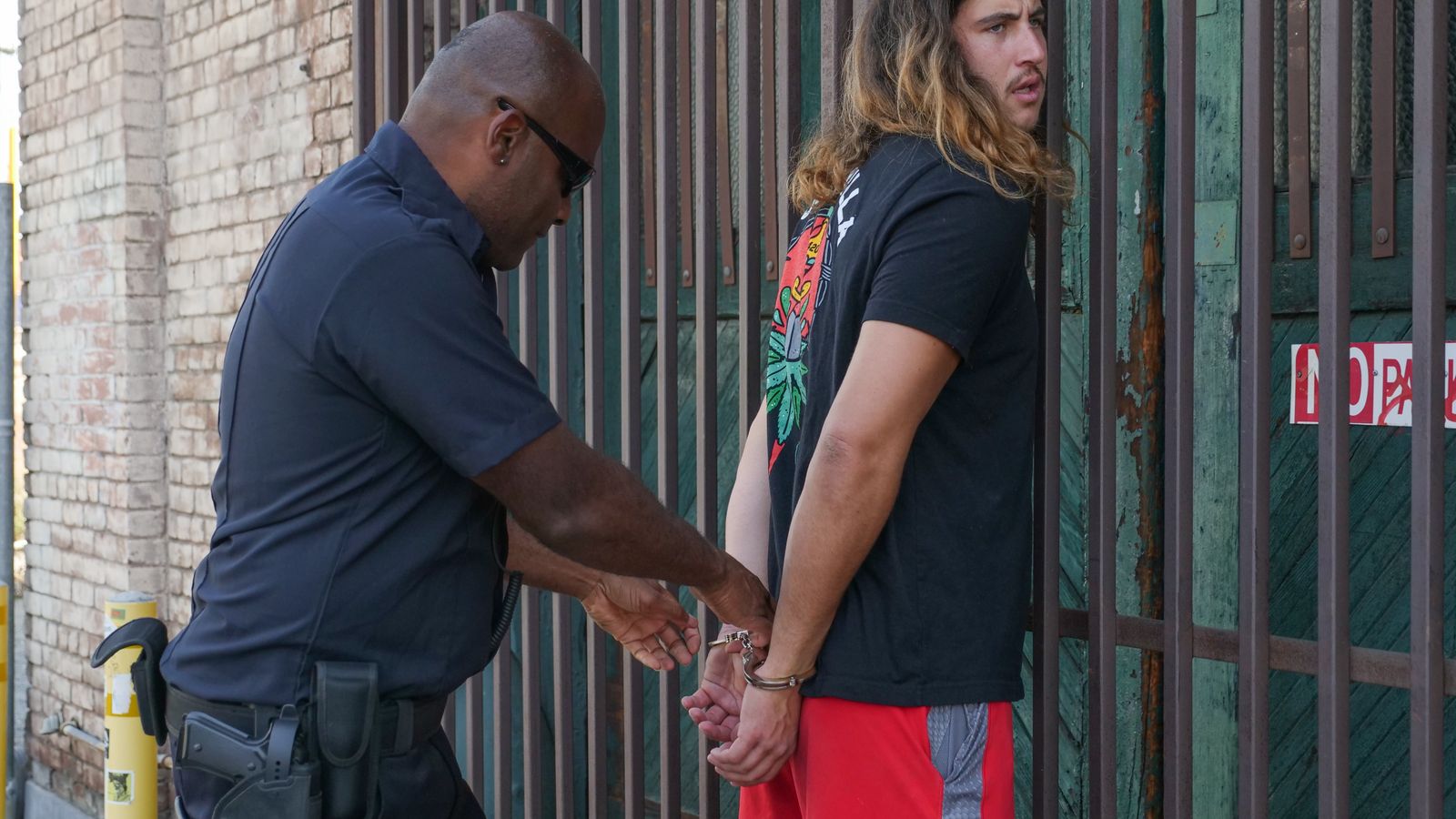
US Records Over 200,000 Marijuana Possession Arrests in 2025
Federal data shows possession arrests remain above 200,000 despite state-level legalization gains across the country.

Texas Hemp and Cannabis Law Overview Series Launches Amid Legal Flux
Multi-part analysis examines legal, scientific, and political landscape as state grapples with hemp-derived THC products.

Federal Report Urgs States to Plan Now for Psychedelics FDA Approval
A new federal analysis warns states to prepare regulatory frameworks before psilocybin and MDMA reach market.