Greenlight Dispensary Workers in Joplin Vote to Unionize With UFCW
Employees at the Missouri cannabis retailer approved union representation with UFCW Local 2 in a recent election.
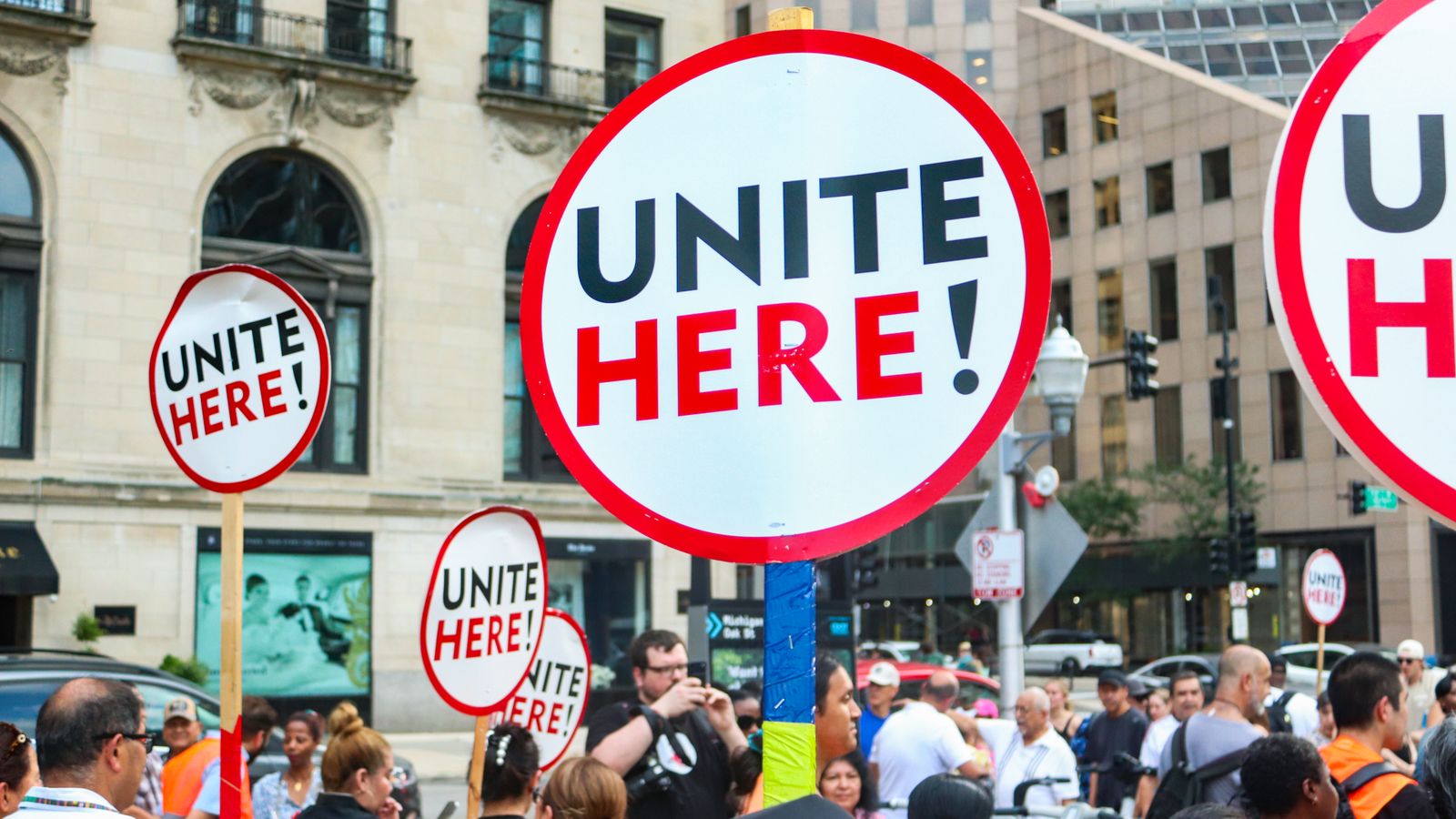
Active labor union demonstration in downtown Chicago advocating for workers' rights and unity.
Vote Outcome and Bargaining Unit
The Joplin location joins a growing number of Missouri cannabis dispensaries with union representation. The election covered employees at the Greenlight Dispensary retail location in Joplin, though the exact vote tally and number of workers in the bargaining unit weren't disclosed in the initial announcement.
UFCW Local 2 represents workers across Missouri and Kansas. Since the state launched adult-use sales in February 2023, the union has pursued an aggressive organizing strategy in Missouri's cannabis sector.
UFCW's Missouri Cannabis Footprint
UFCW locals have organized workers at multiple Missouri dispensaries over the past three years. The union represents cannabis workers at locations operated by several multi-state operators and regional chains across the state. That includes retail, cultivation, and manufacturing facilities.
Missouri's cannabis workforce has expanded rapidly since the adult-use market opened. The state issued 192 dispensary licenses under its original medical program, with many converting to dual-license operations after Amendment 3 passed in November 2022.
Labor Organizing Momentum in Cannabis Retail
Cannabis retail has emerged as one of the most active sectors for union organizing in the broader industry. Dispensary workers typically cite scheduling stability, workplace safety protocols, and wage standardization as primary organizing motivations.
Retail cannabis workers face unique occupational hazards—cash handling, armed robbery risk, and exposure to concentrated THC products—that drive interest in collective bargaining for safety protections.
UFCW remains the dominant union in U.S. cannabis, representing an estimated 10,000+ workers nationwide across cultivation, processing, and retail operations. Competitors include the Teamsters, which has organized drivers and warehouse workers at several MSOs, and independent unions in states like California and Massachusetts.
What Comes Next for Greenlight Joplin
The company and union will now enter contract negotiations to establish wages, benefits, and workplace rules. First contracts in cannabis retail typically take 6-18 months to finalize, according to UFCW organizers. Key bargaining issues usually include:
- Hourly wage scales and annual increases
- Health insurance contributions and eligibility timelines
- Paid time off and sick leave accrual
- Seniority-based scheduling and shift-bidding protocols
- Grievance procedures and just-cause termination standards
Greenlight operates dispensaries in Missouri, Arkansas, and Montana. The company hasn't publicly commented on the unionization vote or its bargaining posture.
Broader Implications for Missouri's Cannabis Workforce
Missouri's cannabis labor market remains highly competitive, with operators facing turnover rates above 40% in some metro areas. Union campaigns often gain traction when workers perceive wage compression or inconsistent management practices.
The state's adult-use market generated over $1.2 billion in sales in its first 18 months. That created demand for an estimated 8,000-10,000 direct cannabis jobs. For context on organizing trends across the U.S. cannabis sector, see the CannIntel topic hub on cannabis labor unions.
Watch for contract ratification timelines and whether UFCW Local 2 files additional petitions at other Greenlight locations in Missouri or neighboring states.
For complete background, history, and our ongoing coverage of this story:
Open the CannIntel topic hub →Frequently asked questions
Which union did Greenlight Joplin workers vote to join?
Employees voted to unionize with United Food and Commercial Workers (UFCW) Local 2, which represents workers across Missouri and Kansas in retail, food service, and cannabis sectors.
What happens after a successful union vote at a cannabis dispensary?
The employer and union enter contract negotiations to establish wages, benefits, scheduling rules, and workplace policies. First contracts in cannabis retail typically take 6-18 months to finalize, with workers gaining collective bargaining rights during that period.
How many cannabis workers does UFCW represent nationwide?
UFCW represents an estimated 10,000+ cannabis workers across the United States, making it the largest union in the industry. Members work in cultivation, processing, retail, and ancillary roles across multiple states.
Why are cannabis dispensary workers organizing unions?
Dispensary workers typically cite scheduling stability, wage standardization, workplace safety (especially cash-handling and robbery risk), and consistent management practices as primary motivations for unionization.
Sources
The cannabis newsletter you forward to your team.
Federal policy, market data, grower alerts, and the one story that matters today. Sent every weekday at 7am. Free.
No spam. Unsubscribe with one click. 21+ only.
Related from Business
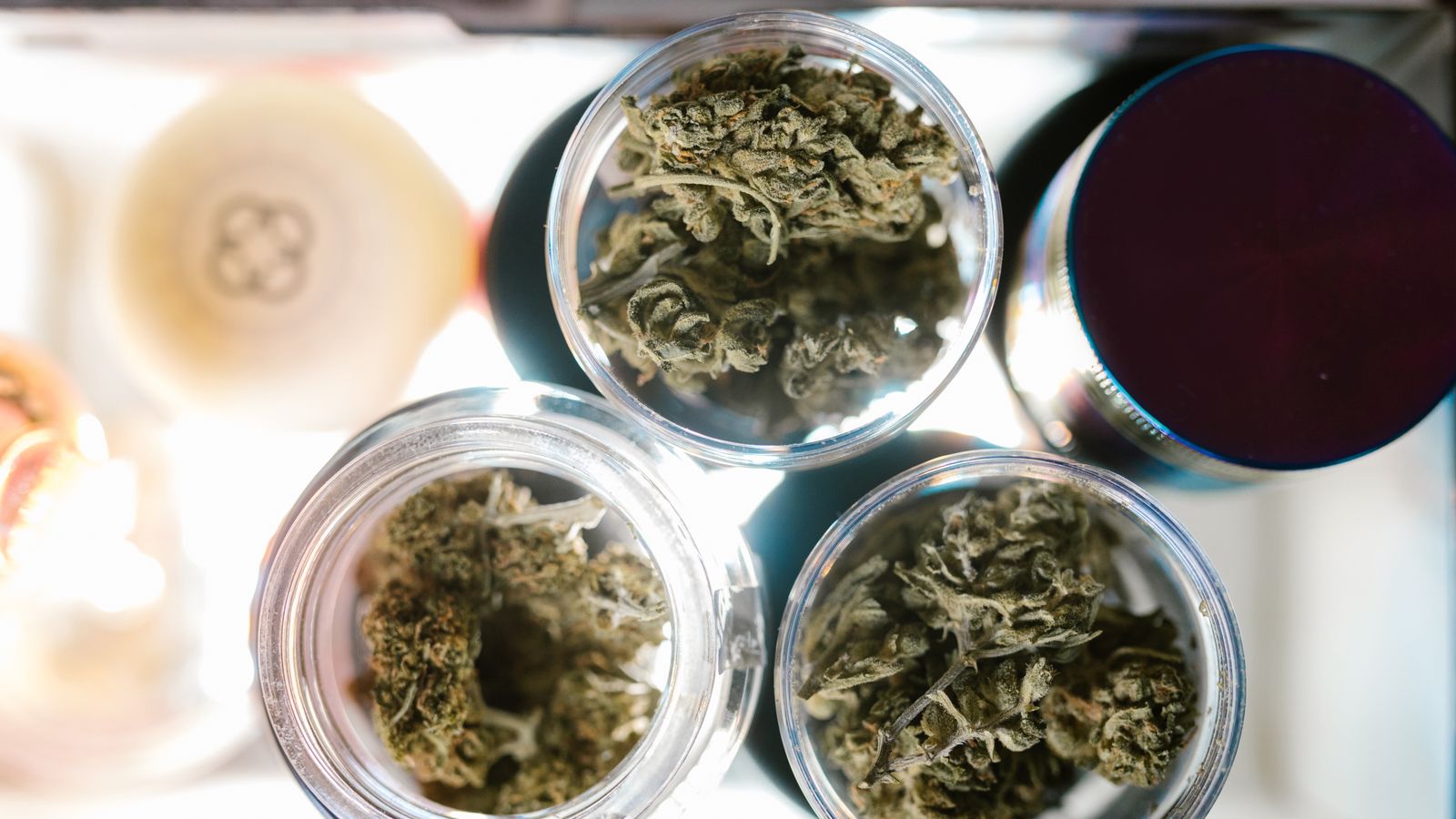
Illinois Report Sets $5M Monthly Cannabis Sales Record for July
DFPR and CROO's 2026 Annual Cannabis Report shows a July sales record and 9% year-over-year growth in August, following a doubling of purchase limits.
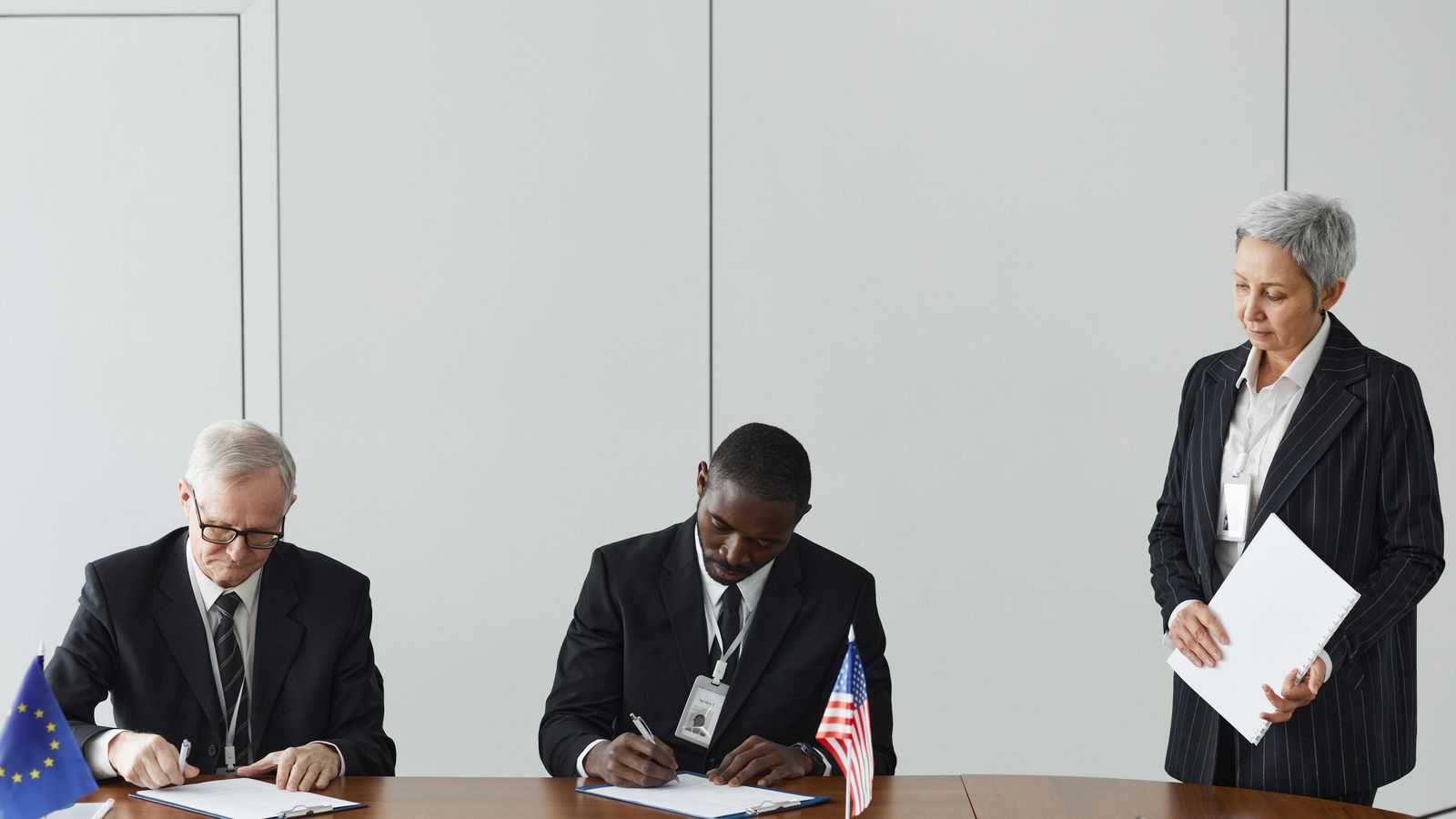
Still River Wellness Workers Ratify 4-Year UFCW Contract
Torrington dispensary employees locked in a four-year deal with UFCW Local 371, giving Connecticut operators a rare long-dated labor cost marker.
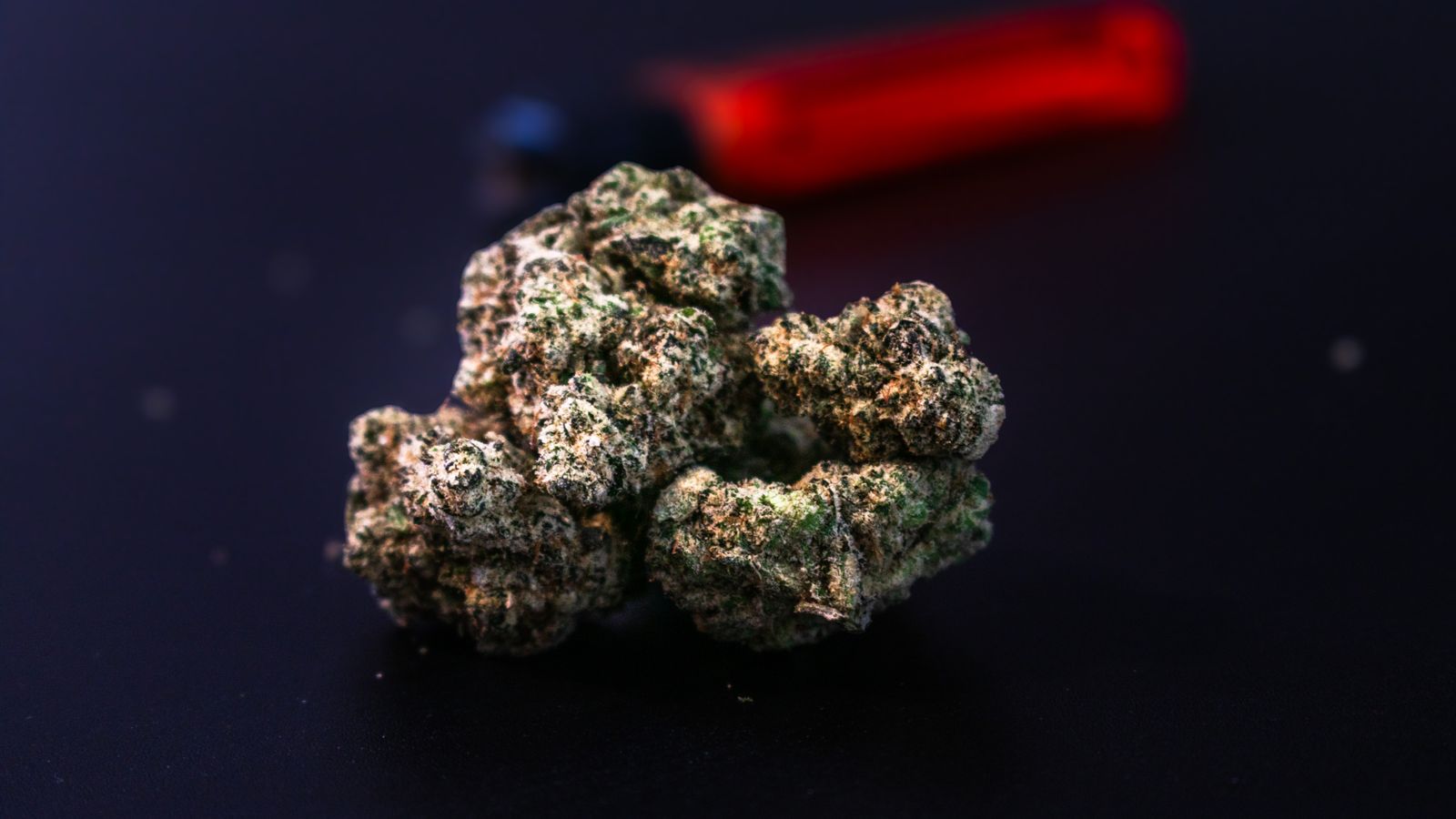
Illinois Cannabis Revenue Falls as Demand Rises, Report Says
Capitol City Now reports a split in the Illinois market: sales revenue is declining even as consumer demand climbs, putting pricing and margins in focus.
More from the newsroom

Study Finds No Cognitive Gap in Epilepsy Patients Using Marijuana
A report published Oct. 12 found no significant cognitive differences between epilepsy patients with and without recent marijuana use, but the full methodology isn't yet verified.
Wisconsin Democrat Sets Marijuana Legalization as Funding Plan
A Democratic candidate for Wisconsin governor said the state should legalize marijuana to pay for education and healthcare expansion, but legislative math still blocks the path.
Op-Ed: Marijuana Rescheduling Delayed, Not Derailed, Says Marijuana Moment
A Marijuana Moment op-ed argues the Schedule III effort has slowed but survives, a framing with direct 280E and compliance stakes for operators.