Glass House Brands Reports Higher Biomass Output, Lower Costs
A Cannabis Equipment News report says the California greenhouse operator is producing more biomass at a lower cost of production, a combination that matters well beyond California.
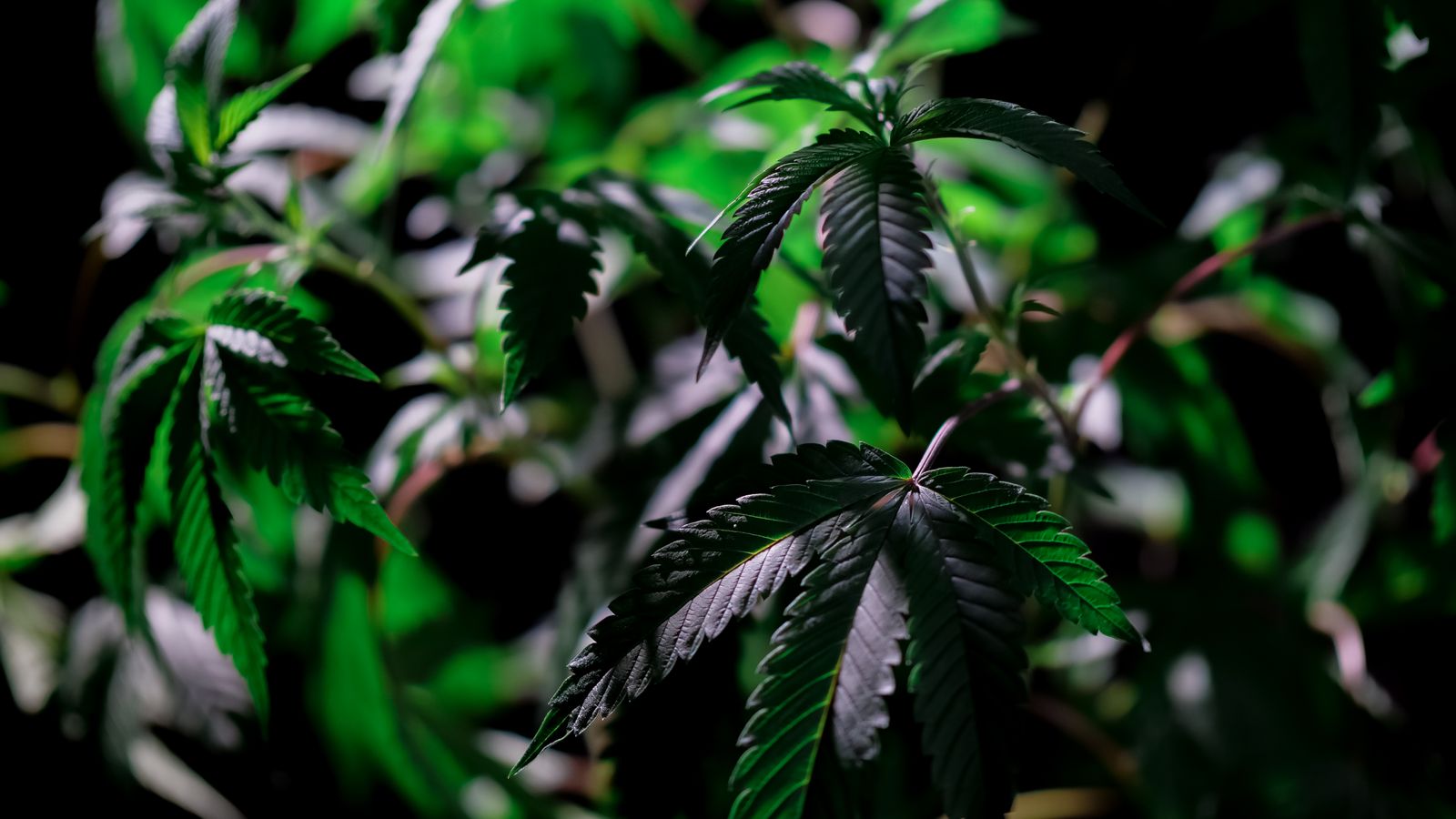
Close-up of vibrant cannabis leaves in a greenhouse setting, highlighting lush growth.
What the report says, and what it leaves out
Cannabis Equipment News reported on October 19, 2026, that Glass House Brands saw biomass production rise while its cost of production fell. That's the whole verified claim. The report's headline is the only detail CannIntel could confirm at publication.
Missing: the pounds produced, the per-pound cost, the period covered and any comparison to a prior quarter. We won't guess. Until Glass House Brands publishes those figures in a filing or earnings release, treat the direction of travel as confirmed and the magnitude as unknown.
The signal sits in our earnings category, which suggests the data traces to company results, but that's an inference rather than a confirmed fact, and the primary filing is the document to check.
Why a falling cost of production matters more than volume
In a price-compressed market, unit cost decides who survives, and rising output paired with falling cost is the profile of an operator gaining share. Volume alone is easy to buy. Volume at lower cost is hard to copy.
Biomass is the input for extraction: distillate, vape cartridges, edibles and other derivative products. Greenhouse operators generally argue that natural light and scale give them a structural cost edge over fully indoor grows. If Glass House's numbers hold up, that argument gets a data point.
The story isn't that Glass House grew more. It's that each additional pound apparently got cheaper to grow, and that's the number competitors can't wave away.
Cheaper inputs also soften the squeeze from 280E, the federal tax provision that bars cannabis companies from deducting ordinary business expenses. Operators can't change the tax code. They can change what a pound costs them. That math is hard to argue with.
For smaller California licensees, the implications run the other way. A larger competitor with a lower cost base can sell biomass and finished goods at prices that leave thinner-margin growers underwater. Consolidation pressure rises.
The Latin American angle: cost curves cross borders
Federal law doesn't allow commercial marijuana imports into the United States, so U.S. cost gains shape Latin American strategy indirectly, through pricing and capital rather than shipments. Still, they matter.
Colombia built its cannabis export sector around cheap land, abundant sunlight and low labor costs. Its licensed producers sell mostly to Europe, Israel, Australia and other markets where medical programs permit imports. Those buyers can now compare Colombian flor seca and extract against increasingly low-cost supply from North America. A California operator that drives its cost down raises the bar for everyone pitching bulk material abroad.
Brazil sits at a different point on the map. Its regulator, ANVISA, has long restricted commercial domestic cultivation, which leaves the country reliant on imported produtos de cannabis for patients. Brazilian importers choose among suppliers on price, consistency and documentation. A lower North American cost base isn't a direct threat to that trade, but it adds a competitor to the comparison sheet.
There's a capital story too. Investors who once funded Latin American biomasa projects on the premise of a permanent cost advantage will ask harder questions if California greenhouses close the gap. Cost advantage isn't a thesis by itself. Quality, compliance and export logistics have to carry the rest.
One caution. The GMP certifications, phytosanitary rules and pharmacopeia standards that export markets require are costly, and the biomass that wins in California's adult-use market isn't automatically fit for those buyers. Cheap isn't the same as exportable.
For full background on the company, see the CannIntel topic hub on Glass House Brands.
The next signal is the primary filing. Watch for the company's reported cost per pound, the period it covers and whether management ties the drop to greenhouse yields or to lower wholesale input costs. Those two explanations point to very different conclusions for competitors, in California and in Bogotá.
Sources
The cannabis newsletter you forward to your team.
Federal policy, market data, grower alerts, and the one story that matters today. Sent every weekday at 7am. Free.
No spam. Unsubscribe with one click. 21+ only.
Related from Business

Vireo Growth acquires Palatka cannabis facility for $21M
The multistate operator paid $21 million for a Palatka site, a hard-asset bet on Florida's medical market while Canada and Germany show the cost of overbuilding.

Vireo Makes Latest $21M Florida Purchase, Deepening MSO Foothold
MJBizDaily reported the multistate operator's newest Florida deal, a $21 million purchase that extends a pattern of incremental buying in a license-capped medical market.

Nasdaq Offers Safe Harbor Financial 180-Day Compliance Extension
SHF Holdings, the Denver fintech behind Safe Harbor Financial, received written Nasdaq notice of a 180-day extension to a compliance deadline.
More from the newsroom

AG Blanche Says DOJ Won't Interfere With State-Legal Cannabis
Attorney General Todd Blanche said the Justice Department isn't seeking to interfere with state-legal marijuana operators, but no written policy or rule change accompanied the reported remarks.

Blanche Says Lucas Charges Aren't Aimed at State Cannabis Laws
The attorney general framed the federal case against Virginia's Senate president pro tem as conduct-based, not a move against state marijuana policy.

DOJ indicts Virginia lawmaker, six others over hemp THC shop
Federal prosecutors charged a Virginia state lawmaker and six others over a hemp THC operation, testing where hemp ends and marijuana begins.