Cannabis Dispensary Loses Court Bid to Block NLRB Jurisdiction
Federal court ruling delays constitutional challenge to National Labor Relations Board authority over cannabis employers.
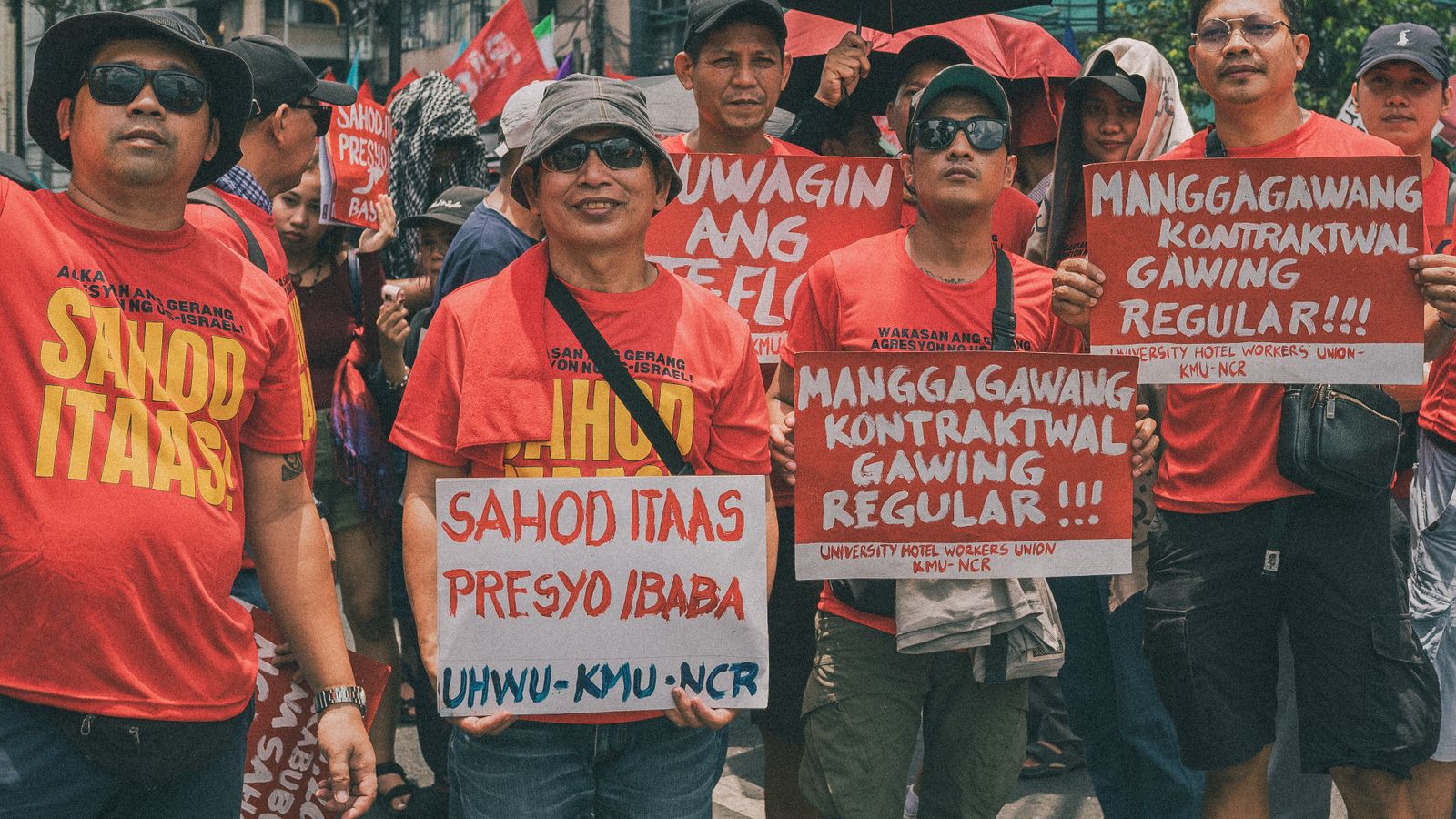
A group of adults protesting for regularization and higher wages in Manila.
Court Refuses to Halt NLRB Administrative Process
The federal court ruled the dispensary must complete NLRB proceedings before filing a constitutional challenge. The decision follows a pattern of federal courts requiring employers to exhaust administrative remedies even when raising facial constitutional questions about agency authority. The dispensary argued the NLRB lacks jurisdiction over cannabis businesses because marijuana remains a Schedule I controlled substance under federal law.
The court's refusal to intervene means the dispensary will face a full administrative hearing before an NLRB administrative law judge. Only after a final agency order can the employer appeal to federal circuit court and raise its constitutional arguments.
Constitutional Challenge Centers on Federal Cannabis Prohibition
The dispensary's core argument is that the NLRB can't regulate labor relations at businesses engaged in federally illegal activity. Cannabis remains prohibited under the Controlled Substances Act despite state-level legalization in 38 states. The employer contends this creates a jurisdictional bar to NLRB authority.
That argument faces an uphill battle. Federal courts have consistently held that the NLRB's jurisdiction extends to all employers affecting interstate commerce, regardless of whether the underlying business activity violates federal criminal law. The National Labor Relations Act contains no carve-out for Schedule I substances.
Since 2019, the agency has asserted jurisdiction over cannabis employers, reversing a prior policy of declining jurisdiction. That shift opened the door to union organizing campaigns across the cannabis industry.
Timing Matters for Broader Industry Challenges
The procedural delay could push final resolution of the jurisdictional question into 2027 or beyond. The dispensary must now proceed through:
- Administrative hearing before an ALJ
- Appeal to the full NLRB board
- Petition for review in federal circuit court
- Potential Supreme Court review if circuit courts split
That timeline matters. Congress is actively debating cannabis rescheduling. If marijuana moves to Schedule III or is descheduled entirely, the constitutional argument collapses. The employer is essentially racing against legislative reform.
NLRB Jurisdiction Fuels Union Organizing Wave
More than 200 cannabis workplaces have faced union elections since the NLRB asserted jurisdiction in 2019. The United Food and Commercial Workers union has organized dispensaries and cultivation facilities in California, Illinois, Michigan, and Massachusetts. Teamsters locals have targeted delivery drivers and warehouse workers.
The jurisdictional question affects labor costs at every unionized cannabis employer. If the NLRB's authority is ultimately struck down, existing collective bargaining agreements could face legal challenges.
Multi-state operators have largely accepted NLRB jurisdiction as settled law. Smaller operators and single-location dispensaries have been more willing to contest the agency's reach. This case represents one of the first attempts to challenge jurisdiction through federal court rather than administrative appeals.
What Operators Should Watch Next
The administrative hearing will proceed on the underlying unfair labor practice charge. The specifics of that charge weren't disclosed in the court filing, but typical NLRB complaints against cannabis employers involve allegations of unlawful termination of union supporters or refusal to bargain in good faith.
Employers facing union campaigns can't rely on a future jurisdictional win to avoid compliance with the National Labor Relations Act today. The NLRB continues to process charges, conduct elections, and issue bargaining orders across the cannabis sector.
For full background on this story, see the CannIntel topic hub on cannabis labor and NLRB jurisdiction. The next major signal will be the ALJ's decision on the underlying unfair labor practice charge, expected within 90-120 days of the hearing date.
Frequently asked questions
Can cannabis employers refuse to participate in NLRB proceedings?
No. Employers must comply with NLRB orders and participate in administrative hearings even while challenging the agency's constitutional authority. Refusal to participate can result in default findings and additional unfair labor practice charges.
What happens if the NLRB's jurisdiction is ultimately overturned?
Existing collective bargaining agreements and NLRB orders could face legal challenges. However, any ruling would likely apply prospectively only, preserving agreements already in effect. The practical impact depends on the scope of the court's decision.
Does this ruling affect cannabis employers in all states?
Yes. The NLRB's jurisdiction extends nationwide to all employers affecting interstate commerce. State legalization status does not determine NLRB authority. Employers in adult-use and medical-only states face identical federal labor law obligations.
How does rescheduling affect the jurisdictional argument?
If cannabis moves to Schedule III or is descheduled, the employer's argument that NLRB cannot regulate federally illegal activity collapses. The pending DEA rescheduling process creates a timing race for this legal challenge.
Sources
The cannabis newsletter you forward to your team.
Federal policy, market data, grower alerts, and the one story that matters today. Sent every weekday at 7am. Free.
No spam. Unsubscribe with one click. 21+ only.
Related from Business

ASX Cannabis Companies Face Export Revenue Test Amid Growth Claims
Australian cannabis firms on the ASX are banking on international sales to justify valuations, but export execution remains unproven.

ASX:LGP Expands Cultivation Capacity in Australia Medical Cannabis Push
Little Green Pharma scales production infrastructure as domestic patient demand accelerates through mid-2026.

Illinois cannabis unit sales jump 14% in Q2 as prices slide
Volume growth nearly doubled year-over-year pace, but sliding wholesale prices signal margin compression for cultivators.
More from the newsroom

Bipartisan Senators File Bill to Shield Cannabis Insurers from Federal Penalties
New legislation would prevent federal regulators from penalizing financial institutions that underwrite cannabis business policies.

Senate Bill Blocks Federal Penalties for Cannabis Insurance Providers
Bipartisan CLAIM Act would create safe harbor for insurers serving state-legal marijuana businesses.

Senate Bill Blocks Federal Penalties for Cannabis Insurance Providers
Bipartisan measure bars regulators from punishing insurers that cover state-legal marijuana operators.