AI Data Centers Target Distressed Cannabis Cultivation Real Estate
Tech developers see gold in cannabis grow sites' high-capacity power, HVAC, and security infrastructure as industry downturn deepens.

Close-up of server racks in a data center highlighting modern technology infrastructure.
The Infrastructure Match Nobody Saw Coming
Cannabis grow facilities share nearly identical infrastructure requirements with AI data centers: 480-volt three-phase power, redundant cooling systems, and physical security — all pre-installed and permitted. What cost cultivators $200-$400 per square foot to build now sells for $50-$80 in distressed markets. That creates arbitrage for tech buyers who'd otherwise spend 18-24 months on permitting and utility upgrades.
The math is brutal for cannabis. Wholesale flower prices in mature markets like California and Michigan have dropped 60-70% since 2022, while electricity costs haven't budged. A 50,000-square-foot grow that penciled at $12/gram wholesale is underwater at $4/gram. AI model training, meanwhile, demands exponentially more compute — and the power to run it.
Data center REITs and private equity funds are quietly touring Tier 2 and Tier 3 markets where cannabis real estate has cratered. One Denver-based broker told MJBizDaily he's fielded inquiries on four former cultivation sites in the past 90 days. All from non-cannabis buyers. That's new.
Why Cannabis Real Estate Works for AI
The average indoor cannabis facility pulls 1-2 megawatts of power with utility infrastructure already in place — exactly the capacity needed for a small-to-midsize AI server cluster. Most grows also feature:
- Redundant HVAC systems rated for 24/7 operation and precise temperature control
- Fire suppression and physical security (cameras, access control, reinforced walls)
- Zoning for industrial use in areas with available grid capacity
- Loading docks and logistics infrastructure
For data center developers, buying a turnkey shell beats ground-up construction by 12-18 months and cuts capex by 30-40%. The limiting factor isn't the building — it's whether the local utility can deliver another megawatt without a substation upgrade. In many cases, the cannabis operator already negotiated that capacity years ago.
Here's the irony: cannabis companies spent the 2018-2021 boom building facilities optimized for compute-intensive operations. They just didn't know they were building for a different kind of compute.
What This Means for Distressed Cultivators
Operators sitting on underwater real estate now have a non-cannabis exit that wasn't on the table 18 months ago. The buyers? REITs, private equity, and hyperscalers looking to diversify data center footprints beyond traditional hubs like Northern Virginia and Phoenix. For a cultivator burning $100K/month on a facility producing negative margins, selling to a data center developer at 60 cents on the dollar beats bankruptcy.
This isn't a wholesale market shift — yet. AI data center demand is concentrated in specific geographies: proximity to fiber, cheap power, tax incentives. A shuttered grow in rural Humboldt County won't attract bids. But a 100,000-square-foot facility near a Tier 2 city with available utility capacity? Different conversation.
Watch for sale-leaseback deals where cultivators sell the real estate to a tech buyer and lease back a fraction of the space for downsized operations. That structure lets the operator harvest cash without shuttering entirely. For full background on this trend, see the CannIntel topic hub on cannabis real estate repurposing.
We're tracking three indicators: (1) whether any public MSO announces a sale to a data center REIT in the next two quarters, (2) whether Michigan or Oklahoma — both oversupplied and distressed — see a cluster of conversions, and (3) whether this arbitrage opportunity tightens the bid-ask spread on distressed cannabis real estate broadly. If it does, that's a liquidity event the industry desperately needs.
For complete background, history, and our ongoing coverage of this story:
Open the CannIntel topic hub →Frequently asked questions
Why are AI data centers interested in cannabis cultivation facilities?
Cannabis grow sites offer pre-installed high-capacity electrical systems (1-2 megawatts), industrial HVAC rated for 24/7 operation, physical security infrastructure, and industrial zoning — the exact requirements for AI server farms. Buying a turnkey shell cuts development time by 12-18 months and capex by 30-40% versus ground-up construction.
Which cannabis markets are most attractive to data center buyers?
Tier 2 and Tier 3 markets near cities with available utility grid capacity, fiber connectivity, and tax incentives. Distressed markets like Michigan, Colorado, and Oklahoma — where wholesale prices have collapsed 60-70% — offer the steepest discounts on real estate. Rural or grid-constrained locations are less attractive.
What does this mean for distressed cannabis cultivators?
Operators sitting on underwater real estate now have a non-cannabis exit option that wasn't available 18 months ago. Selling to a data center developer at 60 cents on the dollar beats bankruptcy for facilities burning six figures monthly on negative margins. Some may pursue sale-leaseback deals to harvest cash while retaining downsized operations.
How much does a distressed cannabis grow facility sell for?
Facilities that cost $200-$400 per square foot to build are selling for $50-$80 per square foot in distressed markets. The discount reflects oversupply, price compression, and the urgent need for cultivators to offload fixed costs. Data center buyers see arbitrage: they acquire turnkey infrastructure at a fraction of replacement cost.
Sources
The cannabis newsletter you forward to your team.
Federal policy, market data, grower alerts, and the one story that matters today. Sent every weekday at 7am. Free.
No spam. Unsubscribe with one click. 21+ only.
Related from Business

Vireo Growth acquires Palatka cannabis facility for $21M
The multistate operator paid $21 million for a Palatka site, a hard-asset bet on Florida's medical market while Canada and Germany show the cost of overbuilding.

Vireo Makes Latest $21M Florida Purchase, Deepening MSO Foothold
MJBizDaily reported the multistate operator's newest Florida deal, a $21 million purchase that extends a pattern of incremental buying in a license-capped medical market.
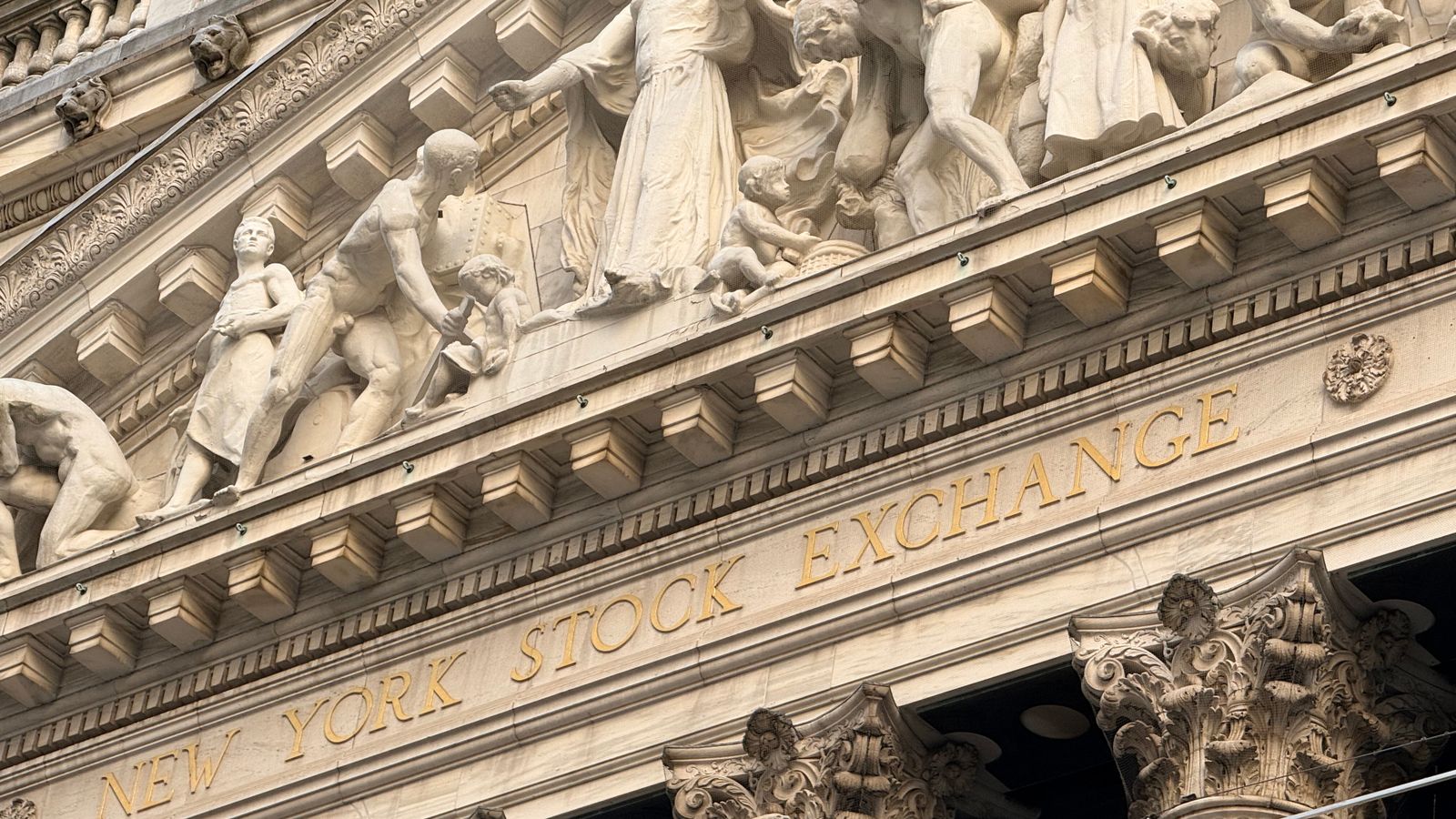
Nasdaq Offers Safe Harbor Financial 180-Day Compliance Extension
SHF Holdings, the Denver fintech behind Safe Harbor Financial, received written Nasdaq notice of a 180-day extension to a compliance deadline.
More from the newsroom
AG Blanche Says DOJ Won't Interfere With State-Legal Cannabis
Attorney General Todd Blanche said the Justice Department isn't seeking to interfere with state-legal marijuana operators, but no written policy or rule change accompanied the reported remarks.

Blanche Says Lucas Charges Aren't Aimed at State Cannabis Laws
The attorney general framed the federal case against Virginia's Senate president pro tem as conduct-based, not a move against state marijuana policy.

DOJ indicts Virginia lawmaker, six others over hemp THC shop
Federal prosecutors charged a Virginia state lawmaker and six others over a hemp THC operation, testing where hemp ends and marijuana begins.