AI Automation Set to Eliminate Most Medical Cannabis Dispensary Jobs
Industry analysts warn artificial intelligence will replace up to 70% of dispensary headcount within 18 months.

Detailed view of cannabis buds stored in a black container with the lid removed.
Automation Wave Targets Front-Line Dispensary Roles
AI platforms now handle patient intake, product recommendations, and compliance documentation with minimal human oversight. Medical cannabis operators are deploying machine-learning systems that replace budtenders, inventory clerks, and compliance staff. The technology analyzes patient medical histories, recommends strain profiles based on symptom data, and auto-generates state-mandated paperwork in real time.
Dispensary chains piloting these systems report labor-cost reductions of 40% to 55% within the first six months. The math is brutal. Front-line workers face the sharpest cuts.
Seed-to-Sale Integration Drives Job Cuts
AI modules now integrate directly with Metrc, BioTrack, and LEAF Data Systems, eliminating manual data-entry positions. Operators using AI-powered seed-to-sale connectors no longer need dedicated compliance staff to reconcile inventory discrepancies or file regulatory reports. Software flags anomalies, auto-corrects manifest errors, and submits compliance filings without human review.
One California MSO cut its compliance team from 12 full-time employees to two part-time auditors after deploying an AI integration layer in Q2 2026. The system handles 98% of routine tasks on its own.
Patient-Consultation Bots Replace Budtenders
Conversational AI kiosks now conduct patient consultations in 14 states, matching or exceeding human budtender accuracy on product selection. These systems ingest patient medical records (where HIPAA-compliant APIs exist), cross-reference symptom profiles with cannabinoid research databases, and recommend specific cultivars, tinctures, or topicals. Early trials show 92% patient-satisfaction scores, comparable to human consultations.
Dispensaries report faster transaction times and higher average ticket sizes when AI handles the initial consultation, and the kiosks upsell accessories and suggest complementary products with algorithmic precision that no human can match.
What Survives: High-Touch Roles and Regulatory Oversight
Pharmacist-level clinical staff, master growers, and senior compliance officers remain insulated from automation—for now. Roles requiring state licensure, advanced horticultural expertise, or executive-level regulatory strategy aren't yet replicable by AI. Dispensaries will still employ a skeleton crew of licensed professionals to satisfy state requirements and handle edge-case patient interactions.
Entry-level budtender and inventory-clerk positions? They face near-total obsolescence. For background on how AI is reshaping cannabis operations, see the CannIntel topic hub on AI in the cannabis industry.
Timeline and Operator Adoption Rates
Industry analysts project 50% of U.S. medical dispensaries will deploy AI consultation or inventory systems by Q1 2028. Adoption is fastest among MSOs with 10+ locations, where labor savings justify the upfront software licensing costs (typically $15,000 to $40,000 per location annually). Single-location operators lag due to capital constraints but face competitive pressure as AI-equipped rivals undercut pricing.
The next 18 months will determine whether displaced workers can transition into cultivation, extraction, or regulatory-affairs roles—or exit the industry entirely. Nobody can model the political variable: will state regulators mandate minimum staffing levels to protect jobs? Labor advocates in California and Illinois are already pushing for exactly that.
Frequently asked questions
Which dispensary jobs are most at risk from AI automation?
Entry-level budtenders, inventory clerks, and compliance data-entry staff face the highest risk. AI systems now handle patient consultations, seed-to-sale reconciliation, and regulatory filings autonomously. Roles requiring state licensure or advanced horticultural expertise remain safer.
How much do AI dispensary systems cost to deploy?
Annual software licensing for AI consultation and inventory platforms ranges from $15,000 to $40,000 per dispensary location. MSOs with 10+ stores see faster ROI due to economies of scale; single-location operators face higher per-unit costs.
When will most dispensaries adopt AI automation?
Industry analysts project 50% of U.S. medical dispensaries will deploy AI systems by Q1 2028. Adoption is fastest among multi-state operators seeking labor-cost reductions of 40% or more.
Can AI systems integrate with state seed-to-sale platforms like Metrc?
Yes. AI modules now integrate directly with Metrc, BioTrack, and LEAF Data Systems, auto-correcting manifest errors and submitting compliance filings without human review. This eliminates most manual data-entry positions.
What dispensary roles will survive AI automation?
Licensed pharmacists, master growers, and senior compliance officers remain insulated due to state licensing requirements and advanced expertise. High-touch clinical roles and executive-level regulatory strategy are not yet replicable by AI.
Sources
The cannabis newsletter you forward to your team.
Federal policy, market data, grower alerts, and the one story that matters today. Sent every weekday at 7am. Free.
No spam. Unsubscribe with one click. 21+ only.
Related from Business

Vireo Growth acquires Palatka cannabis facility for $21M
The multistate operator paid $21 million for a Palatka site, a hard-asset bet on Florida's medical market while Canada and Germany show the cost of overbuilding.

Vireo Makes Latest $21M Florida Purchase, Deepening MSO Foothold
MJBizDaily reported the multistate operator's newest Florida deal, a $21 million purchase that extends a pattern of incremental buying in a license-capped medical market.
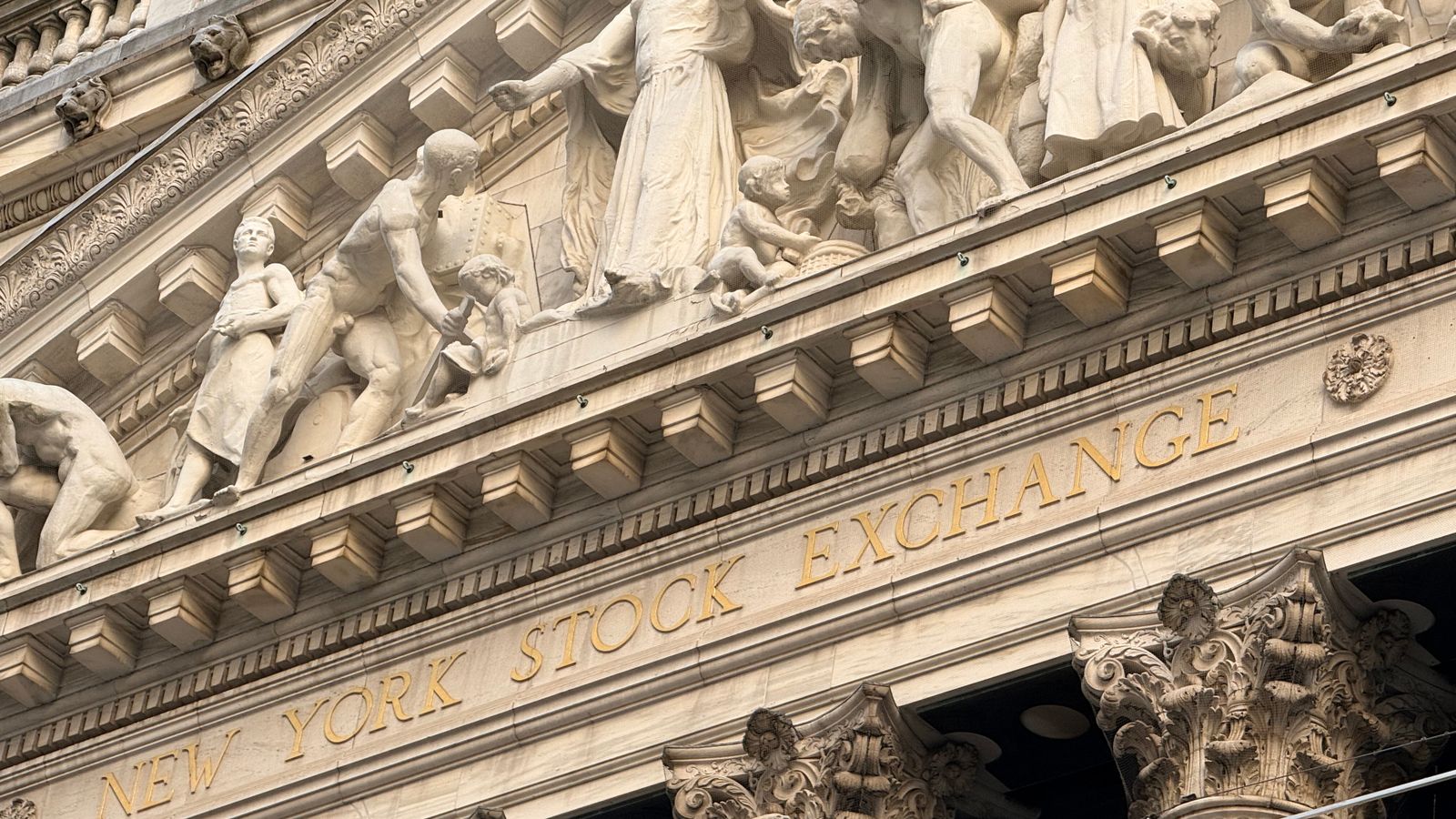
Nasdaq Offers Safe Harbor Financial 180-Day Compliance Extension
SHF Holdings, the Denver fintech behind Safe Harbor Financial, received written Nasdaq notice of a 180-day extension to a compliance deadline.
More from the newsroom
AG Blanche Says DOJ Won't Interfere With State-Legal Cannabis
Attorney General Todd Blanche said the Justice Department isn't seeking to interfere with state-legal marijuana operators, but no written policy or rule change accompanied the reported remarks.

Blanche Says Lucas Charges Aren't Aimed at State Cannabis Laws
The attorney general framed the federal case against Virginia's Senate president pro tem as conduct-based, not a move against state marijuana policy.

DOJ indicts Virginia lawmaker, six others over hemp THC shop
Federal prosecutors charged a Virginia state lawmaker and six others over a hemp THC operation, testing where hemp ends and marijuana begins.