Netherlands Cannabis Legalization: Tolerance Policy, Coffeeshops, and the Pilot
The Netherlands is often called cannabis-legal, but the Opium Act still prohibits cannabis. Since the 1970s, a tolerance policy (gedoogbeleid) has allowed licensed coffeeshops to sell small amounts to adults, while growing and wholesale supply stayed illegal. This hub explains how that contradiction developed and how the Controlled Cannabis Supply Chain Experiment (Wietexperiment) aims to resolve it by licensing growers to supply participating coffeeshops in selected municipalities. It also tracks evaluation findings, including the preliminary report from Trimbos Institute, BreuerIntraval, and RAND Europe that points to a more diversified product market, plus the rules for residents and tourists.
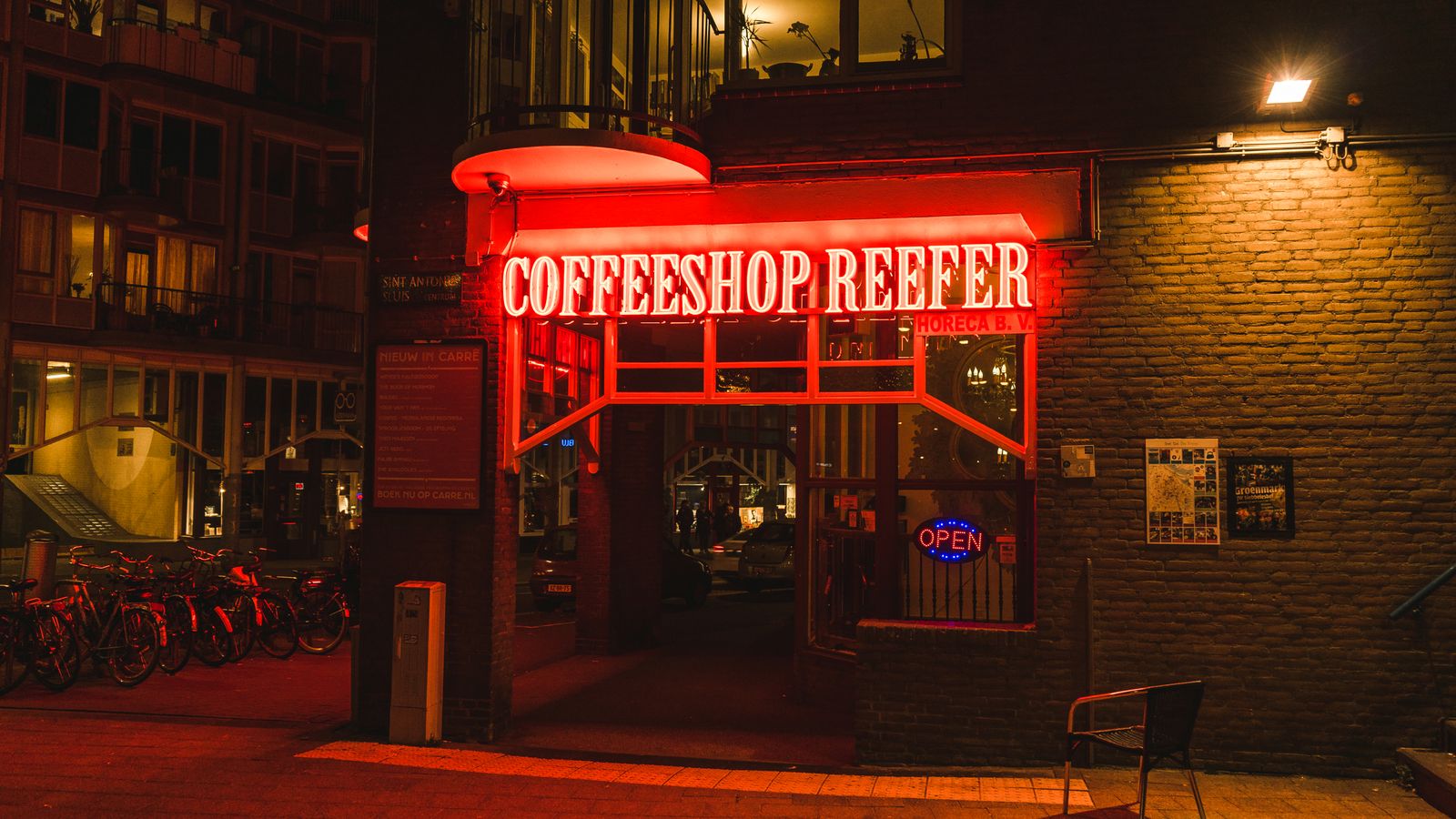
Executive summary
The Netherlands tolerates retail cannabis sales without having legalized them, and a government-run pilot is now testing a fully regulated supply chain. A preliminary evaluation published in September 2026 found that the pilot has so far produced a more diversified product market.
Cannabis remains prohibited under the Dutch Opium Act (Opiumwet). Since the 1970s, however, prosecutors and municipalities have followed a tolerance policy (gedoogbeleid). Licensed-in-practice coffeeshops may sell up to 5 grams per adult per transaction and hold up to 500 grams of stock. The "back door" problem is that the shops' supply is still illegal, which has fueled organized crime for decades.
The Experiment on the Closed Coffeeshop Chain (Wet experiment gesloten coffeeshopketen) was designed to close that gap. Licensed growers supply participating coffeeshops in ten municipalities, and researchers track health, crime and market effects. According to Ganjapreneur's report, the preliminary findings come from the Trimbos Institute, BreuerIntraval and RAND Europe. They were produced for the Dutch Research and Data Centre (WODC) and the Ministries of Justice and Security and of Health, Welfare and Sport.
This hub explains the legal architecture, the history, the players, the experiment's design and what the findings mean for operators, investors and patients. It also gives a calendar of decision points. The report's headline finding is the only result confirmed in the source material used here. Operators should read the full evaluation before drawing conclusions from the headline.
Why this matters
The Dutch experiment is the only government-run test of a closed, licensed supply chain feeding an existing tolerated retail network, and its results will shape European policy.
Most legalization models, from Canada to Colorado, built licensed markets from scratch. The Netherlands is solving a different problem: how to move a mature, tolerated market of several hundred shops onto a legal supply base. That is closer to the question facing jurisdictions that already have large unlicensed markets.
Stakeholders
- Consumers and patients: adults who buy at coffeeshops, and medical patients served by pharmacies through the Office of Medicinal Cannabis (Bureau voor Medicinale Cannabis, BMC).
- Coffeeshop owners: they pay taxes and follow strict rules, yet until the pilot they could not lawfully buy their product.
- Licensed growers: a small group selected for the experiment, including a subsidiary of Canada's Village Farms International.
- Municipal governments: mayors hold the enforcement powers and have been the loudest advocates for regulating supply.
- Law enforcement and prosecutors: they face what Dutch officials call "subversive crime" (ondermijning), organized crime that infiltrates the legitimate economy.
- International regulators: countries from Germany to Switzerland are watching the evaluation data.
Scale
The Netherlands has had several hundred coffeeshops in recent years, spread across roughly a hundred municipalities. The pilot covers ten municipalities, and Amsterdam, the best-known coffeeshop city, is not among them. That makes the pilot a partial test. It tells policymakers a great deal about supply-chain control and much less about how a regulated market would perform in the largest tourist destination.
Background and history
Dutch cannabis policy evolved over a century from prohibition to pragmatic tolerance, and the pilot is the first formal attempt to resolve the contradiction at the policy's core.
1919–1928: The Opium Act is born
The Netherlands adopted its first Opium
Frequently asked questions
Is cannabis legal in the Netherlands?
Not formally. Cannabis is still a controlled substance under the Dutch Opium Act. However, prosecutors follow a tolerance policy (gedoogbeleid) under which possession of small personal amounts and sales through licensed coffeeshops are not prosecuted. Production and wholesale supply remain illegal outside the government's pilot program.
What is the Dutch tolerance policy (gedoogbeleid)?
It is a prosecution guideline, formalized in the 1970s, that separates cannabis from drugs seen as higher risk. Authorities do not enforce the law against personal possession of up to 5 grams or against coffeeshops that follow strict conditions. Those conditions include no advertising, no hard drugs, no sales to minors, and no nuisance.
What is the 'back door problem' in Dutch cannabis policy?
Coffeeshops may sell cannabis to customers (the 'front door'), but the law gave them no legal way to buy it (the 'back door'). Supply came from illegal growers and wholesalers, which tied the tolerated retail market to organized crime. Closing this gap is the main reason the government created its supply-chain experiment.
What is the Dutch Controlled Cannabis Supply Chain Experiment?
Also called the Wietexperiment or Experiment Gesloten Coffeeshopketen, it is a government-run pilot. Licensed growers supply regulated cannabis to coffeeshops in participating municipalities, and the program is evaluated for effects on public health, crime, and public order. Regulated sales began in December 2023, and the experiment is scheduled to run for several years.
Which Dutch cities take part in the cannabis pilot?
Ten municipalities were chosen: Almere, Arnhem, Breda, Groningen, Heerlen, Hellevoetsluis, Maastricht, Nijmegen, Tilburg, and Zaanstad. Amsterdam and Rotterdam are not participants. Coffeeshops in those ten municipalities transition to selling only cannabis from licensed experiment growers.
What did the preliminary evaluation of the Dutch pilot find?
A preliminary report by Trimbos Institute, BreuerIntraval, and RAND Europe, commissioned by the Dutch Research and Data Centre and the Ministries of Justice and Security and of Health, Welfare and Sport, found the pilot has so far produced a more diversified product market. These are interim findings, and the full evaluation is still ongoing.
Can tourists buy cannabis in Dutch coffeeshops?
In most of the country, yes, with adults 18 and over able to buy up to 5 grams per day. Some municipalities, mainly in the south, restrict sales to Dutch residents under the 'resident criterion'. Local rules differ, and the pilot cities set their own conditions. Public smoking may also be restricted, so check local rules.
How much cannabis can you possess or buy in the Netherlands?
Coffeeshops may sell up to 5 grams per person per day, and personal possession up to that amount is generally not prosecuted. Coffeeshops may keep a limited stock on site, historically up to 500 grams. Growing is tolerated only at very small scale, typically up to five plants for personal use, depending on local policy.
Will the Netherlands fully legalize cannabis?
No full legalization has been enacted. The pilot is meant to generate evidence on a regulated supply chain. Any move beyond tolerance would require changes to national law and consideration of international drug treaty obligations, so the outcome depends on evaluation results and future Dutch government decisions.
How does the Dutch model differ from US legalization?
US state programs license cultivation, processing, and retail under legal frameworks, with tracked, taxed supply chains. The Dutch model has long tolerated retail while keeping supply illegal. Its pilot is the first step toward licensed cultivation, but it is limited to selected municipalities and operates as a time-limited experiment.
The cannabis newsletter you forward to your team.
Federal policy, market data, grower alerts, and the one story that matters today. Sent every weekday at 7am. Free.
No spam. Unsubscribe with one click. 21+ only.