Netherlands Cannabis Experiment: Regulated Supply Chain Trial Results
The Netherlands launched a controlled cannabis experiment in 2021 to test regulated supply chains for coffeeshops in ten municipalities. This pilot program allows licensed growers to supply cannabis legally, replacing the longstanding toleration policy's gray market sourcing. Early results indicate lower consumer prices, increased product variety, and no measurable increase in usage rates. The experiment represents a significant shift in Dutch drug policy, moving from decriminalized retail with illegal supply toward full regulatory oversight of the entire cannabis value chain.
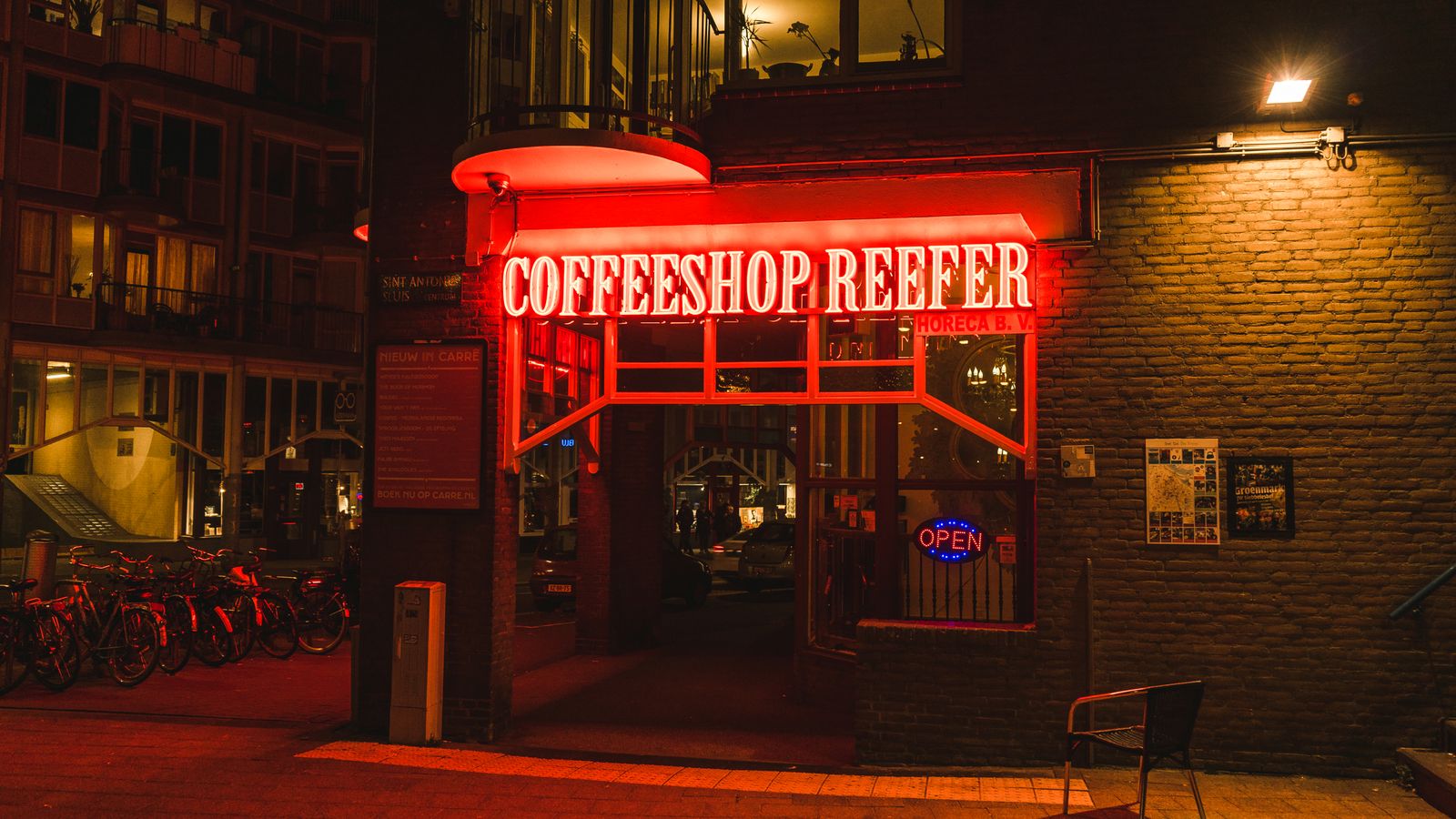
Executive Summary
The Netherlands' regulated cannabis experiment, launched in 2021 across ten municipalities, has successfully reduced retail prices and expanded product variety without increasing consumption rates, according to a comprehensive government evaluation released in September 2026. The pilot program, formally known as the Experiment Gesloten Coffeeshopketen (Closed Coffeeshop Chain Experiment), represents the first legal supply chain connecting licensed growers to the country's famous coffeeshops. For decades, the Netherlands operated under a "backdoor policy" where coffeeshops could legally sell small amounts of cannabis to consumers, but obtaining inventory remained technically illegal—a paradox that enriched organized crime and left product quality unregulated. The experiment aimed to close this backdoor by creating a fully regulated supply chain from cultivation through retail. Early results demonstrate that legal cultivation can undercut illicit market pricing while delivering consistent, lab-tested products. The findings carry significant implications for European drug policy and provide empirical data for countries considering regulated cannabis markets.Why This Matters
The Netherlands experiment offers the first controlled evidence from Europe that regulated cannabis markets can achieve public health goals without triggering increased use—data that could reshape drug policy across the European Union. Unlike North American legalization models that emerged from voter initiatives and state-level experimentation, the Dutch pilot represents a methodical, government-designed trial with built-in evaluation metrics and control groups. The experiment directly affects approximately 80 participating coffeeshops across ten municipalities, serving an estimated 1.2 million residents. These municipalities include Breda, Nijmegen, Tilburg, Heerlen, Maastricht, Groningen, Arnhem, Almere, Zaanstad, and Hellevoetsluis. Roughly 570 coffeeshops operate nationwide, meaning the pilot encompasses about 14% of the country's legal retail outlets. For the European cannabis industry, the experiment provides a regulatory blueprint. The ten licensed growers participating in the trial have invested an estimated €50 million in cultivation facilities, security systems, and compliance infrastructure. Product testing requirements have created demand for accredited laboratories capable of analyzing cannabinoid profiles, pesticide residues, and microbial contamination. If the model expands nationally, analysts project a legal cannabis market worth €400-600 million annually at wholesale level. Public health stakeholders monitor the experiment closely because it tests whether regulation can reduce cannabis potency—a growing concern as THC concentrations in illicit products have climbed above 20% in many samples. The pilot mandates THC limits and requires clear labeling, potentially modeling harm reduction strategies for other jurisdictions. International drug policy observers view the experiment as a potential template for countries bound by United Nations drug control treaties. The Netherlands structured the pilot to comply with the 1961 Single Convention on Narcotic Drugs by limiting it to a closed experiment with scientific evaluation—an approach other treaty signatories might replicate.Background and History
The Netherlands has tolerated small-scale cannabis sales since the 1970s, but the legal framework always contained a fundamental contradiction: coffeeshops could sell cannabis, but no one could legally supply them.The Gedoogbeleid Era (1976-2021)
In 1976, the Netherlands implemented its gedoogbeleid (tolerance policy) following amendments to the Opium Act. The policy distinguished between "hard drugs" (heroin, cocaine) and "soft drugs" (cannabis), prioritizing enforcement against substances with unacceptable health risks. Under guidelines issued by the Public Prosecution Service, authorities would not prosecute coffeeshops that adhered to strict criteria: no advertising, no sales to minors, no sales of hard drugs, no public nuisance, and sales limited to 5 grams per transaction with maximum inventory of 500 grams on premises. This policy created the famous "backdoor problem." Coffeeshops operated legally at the retail level, but their suppliers remained criminals. Organized crime groups controlled cultivation and wholesale distribution, generating an estimated €2 billion annually in untaxed revenue. Quality control was nonexistent—consumers had no reliable information about THC content, the presence of pesticides, or potential contaminants like mold or heavy metals.Growing Pressure for Reform (2000-2017)
By the early 2000s, multiple factors increased pressure to address the backdoor problem. Cross-border "drug tourism" from Belgium, Germany, and France overwhelmed coffeeshops in border towns, creating traffic congestion and neighborhood complaints. Some municipalities implemented the "weed pass" (wietpas) system in 2012, restricting coffeeshop access to Dutch residents, though Amsterdam and other major cities refused to participate. Cannabis potency increased dramatically during this period. Studies by the Trimbos Institute, the Netherlands' national institute for mental health and addiction, documented average THC concentrations rising from 9% in 2000 to 16% by 2015. Public health officials expressed concern about links between high-potency cannabis and psychosis risk, particularly among adolescent users. Meanwhile, neighboring countries criticized the Netherlands for exporting drug problems. France and Germany complained that Dutch-grown cannabis flowed across borders, and the European Union pressured the Netherlands to tighten controls. The Dutch government faced a policy dilemma: maintain the status quo and accept continued organized crime involvement, or reform the system to create legal supply chains.The Experiment Takes Shape (2017-2019)
In 2017, the Dutch government announced plans for a closed-chain experiment. The coalition agreement between the People's Party for Freedom and Democracy (VVD), Christian Democratic Appeal (CDA), Democrats 66 (D66), and ChristenUnie committed to testing regulated cannabis supply in select municipalities. Minister of Health, Welfare and Sport Hugo de Jonge and Minister of Justice and Security Ferdinand Grapperhaus led policy development. The government invited municipalities to volunteer for the pilot. Seventy-five municipalities expressed initial interest, from which officials selected ten based on geographic diversity, existing coffeeshop density, and administrative capacity. The selection balanced large cities (Groningen, Nijmegen) with medium-sized towns (Hellevoetsluis) and municipalities with significant drug tourism (Maastricht). Parliament passed enabling legislation in 2019 through amendments to the Opium Act. The law created temporary exemptions allowing licensed cultivation, processing, and distribution exclusively for the experiment. The legislation specified a four-year pilot period with mandatory evaluation and required participating coffeeshops to source 100% of inventory from licensed growers.Licensing and Launch (2020-2021)
In 2020, the government issued a tender for cultivation licenses. Applicants faced stringent requirements: secure facilities with 24-hour surveillance, track-and-trace systems for every plant, background checks for all personnel, and financial transparency to prevent organized crime infiltration. The application process required detailed cultivation plans, security protocols, and quality assurance procedures. Officials awarded ten licenses in late 2020 to a mix of horticultural companies and purpose-built cannabis ventures. Licensed growers included established greenhouse operators from the Netherlands' world-leading horticultural sector, bringing expertise in climate control, integrated pest management, and large-scale cultivation. The government prohibited vertical integration—growers could not own coffeeshops, and retailers could not cultivate—to prevent monopolization. The experiment officially launched on December 1, 2021, though logistical challenges delayed full implementation. Growers needed months to establish cultivation operations, achieve first harvests, and build inventory. Product testing protocols required validation. By mid-2022, participating coffeeshops began transitioning their inventory to experiment-sourced products, a process completed by early 2023.Evaluation Framework
The government contracted the Trimbos Institute and the Research and Documentation Centre (WODC) of the Ministry of Justice and Security to conduct independent evaluation. Researchers established baseline measurements before the experiment began, tracking metrics in participating municipalities and control municipalities that continued under the traditional gedoogbeleid system. Key evaluation questions included: Would legal supply reduce prices or increase them? Would product variety expand or contract? Would consumption rates change? Would the legal market successfully compete with illicit suppliers? Would public health outcomes improve? The September 2026 report represents the first comprehensive analysis covering the experiment's initial four years.Key Players
Ministry of Health, Welfare and Sport
The Ministry of Health, Welfare and Sport holds primary responsibility for cannabis policy in the Netherlands, reflecting the government's public health framing of drug issues. Minister Kuipers (in office since 2022) oversees the experiment's continuation and will make recommendations to Parliament about national expansion. The ministry's Office of Medicinal Cannabis, established in 2000 to regulate medical cannabis, provided regulatory expertise for the pilot program. The ministry sets THC limits, approves product testing protocols, and monitors public health data.Ministry of Justice and Security
The Ministry of Justice and Security manages enforcement aspects and coordinates with the Public Prosecution Service and National Police. The ministry's Research and Documentation Centre conducts criminological research, tracking whether the experiment reduces organized crime involvement and cross-border trafficking. Minister Yeşilgöz-Zegerius has emphasized that the experiment must demonstrate clear public safety benefits to justify expansion.Licensed Growers
Ten licensed cultivation companies supply the experiment, though their identities remain partially confidential for security reasons. Publicly known participants include The Green House, a consortium of horticultural companies, and several purpose-built cannabis ventures. These growers operate under strict security requirements, with facilities resembling pharmaceutical manufacturing plants more than traditional cannabis grows. They must test every batch for potency, pesticides, heavy metals, and microbial contamination before distribution. Growers face significant business challenges. They cannot export products or sell to the broader market, limiting revenue potential. They must compete on price with established illicit suppliers while absorbing compliance costs. Several growers have reported financial losses during the pilot's early years, raising questions about long-term viability without market expansion.Participating Coffeeshops
Eighty coffeeshops across the ten municipalities participate in the experiment. These retailers transitioned from illicit supply chains to legal sourcing, a shift requiring new inventory management systems, staff training on product information, and customer education. Participating coffeeshops report directly to municipal authorities and face regular compliance inspections. Coffeeshop operators initially expressed concern that legal products might cost more than illicit alternatives, potentially driving customers to non-participating shops or street dealers. The September 2026 report's finding of lower prices has alleviated these concerns, though some operators note that profit margins have compressed.Trimbos Institute
The Trimbos Institute, the Netherlands' leading addiction research organization, serves as the primary scientific evaluator. Researchers conduct surveys of coffeeshop customers, analyze sales data, test product samples, and track public health indicators including treatment admissions and emergency department visits. The institute's reputation for rigorous, politically independent research lends credibility to evaluation findings.Dutch Association for Legal Cannabis and its Regulation (VOC)
The VOC, an industry association representing coffeeshop owners and cannabis policy advocates, has pushed for full legalization beyond the limited experiment. The organization argues that the pilot's success demonstrates the viability of comprehensive reform. VOC representatives have criticized the experiment's limited scope and called for allowing licensed growers to serve the entire Dutch market.European Monitoring Centre for Drugs and Drug Addiction
The EMCDDA, the European Union's drug monitoring agency based in Lisbon, tracks the Netherlands experiment as part of its mandate to inform EU drug policy. The agency's annual reports include data from the pilot, and EMCDDA researchers have visited participating municipalities. The experiment provides the EU with its first controlled data on regulated cannabis markets, potentially influencing policy debates in Germany, Luxembourg, and other member states considering reform.Legal and Regulatory Framework
The experiment operates under temporary amendments to the Opium Act (Opiumwet), the Netherlands' primary drug control statute dating to 1928 and substantially revised in 1976.Opium Act Amendments
The 2019 amendments created Article 3a, which establishes legal exemptions for experiment participants. The provision allows licensed growers to cultivate cannabis despite the general prohibition in Article 3, which criminalizes production of List II drugs (cannabis, hashish). Similarly, Article 3a exempts licensed distributors and participating coffeeshops from prosecution for possession and sale. These exemptions apply exclusively within the ten designated municipalities and only for products originating from licensed growers. Cannabis from illicit sources remains illegal, and participating coffeeshops face criminal liability if they mix experiment products with black market inventory. The amendments specify a sunset date of December 1, 2025, though Parliament extended the experiment through December 2027 to allow for comprehensive evaluation.Cultivation Regulations
Licensed growers must comply with detailed regulations covering every aspect of production. Facilities require approval from the Cannabis Regulatory Authority, a specialized unit within the Ministry of Health. Security standards mandate perimeter fencing, access controls, video surveillance with 90-day retention, and alarm systems monitored 24/7. Track-and-trace requirements apply from seed to sale. Growers must tag individual plants, record all inputs (nutrients, pesticides, water), document harvest weights, and track finished products through unique batch identifiers. This data flows to a central registry accessible to regulators and law enforcement. Product standards limit THC content to 15% for flower and 30% for concentrates, significantly lower than many products available in North American markets. The regulations prohibit synthetic cannabinoids, require testing for a specified list of pesticides, and set maximum limits for heavy metals (lead, cadmium, arsenic, mercury) and microbial contaminants (E. coli, Salmonella, Aspergillus).Distribution and Retail Rules
A licensed distributor acts as intermediary between growers and coffeeshops, operating a central warehouse with inventory management systems. This distributor model prevents direct relationships between growers and retailers, reducing opportunities for side deals or black market diversion. Coffeeshops in the experiment must source 100% of inventory from the legal supply chain. They cannot purchase from traditional suppliers or accept products from customers. Retail rules remain largely unchanged from the traditional gedoogbeleid: no sales to persons under 18, maximum 5 grams per transaction, no advertising visible from outside, no alcohol sales on premises. New requirements include displaying product information (strain name, THC percentage, CBD percentage, origin) and providing customers with written information about health risks. Coffeeshops must maintain sales records and report monthly data to municipal authorities.Compliance with International Treaties
The Netherlands structured the experiment to comply with its obligations under the 1961 Single Convention on Narcotic Drugs and the 1971 Convention on Psychotropic Substances. Both treaties require parties to limit cannabis to medical and scientific purposes, creating tension with recreational legalization. The Dutch government invoked Article 2, paragraph 5 of the 1961 Convention, which allows parties to permit temporary cultivation for research purposes. By framing the pilot as a scientific experiment with rigorous evaluation, the Netherlands argues it remains within treaty bounds. The government notified the International Narcotics Control Board (INCB) of the experiment, and while the INCB expressed concern, it did not formally challenge the program. This treaty-compliant approach differs from Canada's and Uruguay's full legalization models, which effectively defied international drug control conventions. The Dutch model may provide a pathway for other European countries seeking reform without withdrawing from treaties.State-by-State Breakdown: Participating Municipalities
The experiment encompasses ten municipalities with distinct characteristics, allowing evaluation across diverse settings.Breda
Breda, a city of 184,000 in North Brabant province, hosts 14 participating coffeeshops. The city has long struggled with organized crime involvement in cannabis supply, making it a priority for the experiment. Breda's proximity to Belgium creates significant cross-border traffic, and local officials hoped regulated supply would reduce drug tourism-related problems. Early data shows a 22% reduction in retail prices and expanded product variety from an average of 8 strains per shop to 15 strains.Nijmegen
Nijmegen, the Netherlands' oldest city with 177,000 residents, includes 11 coffeeshops in the experiment. The city's large student population (Radboud University has 24,000 students) creates steady demand. Nijmegen officials emphasized public health goals, particularly reducing high-potency product availability. Post-experiment surveys show average THC content of purchased products declined from 18% to 14%, suggesting consumers respond to clear labeling and product information.Tilburg
Tilburg, a city of 219,000 in North Brabant, participates with 13 coffeeshops. The city has significant experience with drug policy innovation, having implemented strict coffeeshop regulations in the 2000s. Tilburg's participation allows evaluation in a municipality with already-strong local enforcement. Preliminary findings indicate the legal supply chain reduced organized crime presence, with police reporting fewer violent incidents related to cannabis trade.Maastricht
Maastricht, a border city of 122,000 in Limburg province, faces intense drug tourism from Belgium, Germany, and France. The city's 13 participating coffeeshops serve an estimated 1.5 million visitors annually. Maastricht implemented the weed pass in 2012, restricting sales to Dutch residents, but enforcement proved difficult. The experiment includes provisions allowing limited sales to foreign visitors at designated shops, testing whether regulated supply can manage cross-border demand. Early results show a 30% reduction in street dealing near the Belgian border.Groningen
Groningen, a northern city of 233,000 with a major university, includes 16 coffeeshops in the experiment. The city's younger demographic (25% of residents are students) makes it valuable for studying consumption patterns among young adults. Groningen officials emphasized harm reduction, requiring participating coffeeshops to provide educational materials about cannabis risks and offer lower-potency alternatives. Surveys indicate 40% of customers report choosing lower-THC products after receiving information.Arnhem
Arnhem, capital of Gelderland province with 161,000 residents, participates with 9 coffeeshops. The city's location near the German border creates cross-border dynamics similar to Maastricht, though on a smaller scale. Arnhem's participation allows comparison between border and interior municipalities. Data shows legal supply reduced average prices by 18%, with particularly significant reductions for premium products.Almere
Almere, a planned city of 214,000 in Flevoland province, represents the experiment's newest urban environment. With only 5 coffeeshops, Almere has the smallest retail sector among participants. The city's inclusion allows evaluation in a lower-density market. Almere officials report high compliance rates and strong community support for the experiment, with 68% of residents approving in 2025 surveys.Zaanstad
Zaanstad, a municipality of 156,000 north of Amsterdam, includes 7 coffeeshops. Its proximity to Amsterdam creates competitive dynamics, as consumers can easily travel to non-experiment shops in the capital. This competitive pressure provides valuable data on whether legal products can retain customers when illicit alternatives remain accessible nearby. Results show 85% customer retention, suggesting price and quality advantages outweigh convenience of closer illicit options.Heerlen
Heerlen, a city of 87,000 in Limburg province, participates with 6 coffeeshops. The city's smaller size and economic challenges (former coal mining region with high unemployment) test whether the model works in less affluent areas. Heerlen data shows strong price sensitivity—the 25% price reduction from legal supply significantly increased market share versus illicit dealers.Hellevoetsluis
Hellevoetsluis, a town of 40,000 in South Holland, is the experiment's smallest participant with just 2 coffeeshops. Its inclusion provides data on small-market viability. The town's coastal location and tourist economy create seasonal demand fluctuations. Early challenges included supply chain logistics—small order volumes made distribution less efficient—but these have been resolved through coordination with nearby municipalities.Market and Business Implications
The experiment's finding of lower prices and expanded variety demonstrates that legal cannabis markets can compete effectively with illicit supply while generating tax revenue and creating legitimate employment.Pricing Dynamics
The September 2026 evaluation report documents an average retail price decline of 20% across participating municipalities. Before the experiment, average coffeeshop prices ranged from €10-12 per gram for standard flower and €15-18 per gram for premium strains. By mid-2026, prices had fallen to €8-10 per gram for standard products and €12-15 per gram for premium offerings. This price reduction reflects multiple factors. Licensed growers achieved economies of scale using professional horticultural techniques, reducing production costs below those of illicit operations. Legal operators avoid risk premiums that inflate black market prices—they don't pay for security against law enforcement or rival criminals. The elimination of multiple intermediaries in the supply chain (traditional black market distribution involves 3-4 layers between grower and retailer) further reduced costs. Lower prices benefit consumers directly while undermining illicit competition. Street dealers and non-participating coffeeshops struggle to match legal market pricing, reducing their market share. Police in participating municipalities report significant declines in street-level cannabis dealing, with officers redeploying to other priorities.Product Variety and Quality
Participating coffeeshops now offer an average of 18 distinct products, up from 10 before the experiment. This expansion includes not just more flower strains but also standardized pre-rolls, cannabis-infused edibles (cookies, brownies), and CBD-dominant products for consumers seeking therapeutic effects without intoxication. Product variety reflects licensed growers' ability to cultivate diverse genetics and invest in product development. Unlike illicit growers who focus on high-THC strains with rapid turnover, legal operators can cultivate specialty products including landrace strains, CBD-rich varieties, and specific terpene profiles. Several growers have partnered with Dutch horticultural research institutions to develop proprietary genetics optimized for flavor, aroma, and balanced cannabinoid ratios. Quality improvements are equally significant. All products undergo laboratory testing for potency, contaminants, and purity. Customers receive accurate information about THC and CBD content, allowing informed choices. Testing has revealed that pre-experiment black market products frequently contained pesticide residues, with 30% of samples exceeding safety limits. Legal products must pass stringent testing, virtually eliminating contamination risk. Packaging and labeling requirements provide transparency. Products include strain name, cannabinoid percentages, harvest date, and health warnings. Some growers include terpene profiles, listing dominant aromatic compounds like myrcene, limonene, and caryophyllene. This information allows consumers to select products based on desired effects and flavor preferences.Business Model Viability
The experiment tests whether legal cannabis businesses can operate profitably under strict regulation. Licensed growers face significant costs: facility construction (€3-8 million per operation), security systems, testing fees (€200-400 per batch), and compliance staff. They cannot achieve the scale of North American operators due to the experiment's limited geographic scope. Several growers reported losses during 2022-2023 as they built inventory and established operations. By 2024-2025, most achieved profitability, though margins remain thin at 10-15%. Growers emphasize that national expansion is necessary for long-term viability—the ten-municipality market is too small to justify continued investment without growth prospects. Coffeeshops report mixed financial results. Lower wholesale costs (legal products cost shops €4-6 per gram versus €6-8 for black market supply) improve margins, but increased compliance requirements add administrative costs. Shops must maintain detailed records, train staff on product information, and invest in point-of-sale systems for regulatory reporting. Overall, participating coffeeshops report stable or slightly improved profitability. The experiment creates legitimate employment. The ten licensed growers employ approximately 400 people in cultivation, processing, quality control, and administration. Participating coffeeshops employ roughly 800 staff. Ancillary businesses including testing laboratories, security companies, and compliance consultants have emerged, creating additional jobs.Tax Revenue Potential
The experiment includes a 21% value-added tax (VAT) on retail sales, generating an estimated €15 million annually across the ten municipalities. This revenue flows to the national government under current law, though municipalities have requested a share to offset local costs. If expanded nationally, analysts project annual tax revenue of €120-180 million from VAT alone. Additional revenue could come from licensing fees, cultivation taxes, or excise duties. The Dutch government has not yet proposed a comprehensive tax structure for a national market, but the experiment demonstrates significant revenue potential. Tax revenue must be weighed against costs. The experiment requires regulatory infrastructure, enforcement, and public health monitoring. The Ministry of Health estimates annual administrative costs of €8 million for the pilot. National expansion would require proportionally larger investment, though per-unit costs would decline with scale.Implications for European Markets
The Netherlands experiment provides empirical data for other European countries considering cannabis reform. Germany's coalition government has proposed legalalization, and Luxembourg is developing a regulated market. Both countries have studied the Dutch model, and German officials visited participating municipalities in 2024. The experiment demonstrates that regulated markets can achieve policy goals without catastrophic outcomes—consumption did not spike, youth access did not increase, and public order was maintained. These findings counter prohibitionist arguments that legalization inevitably leads to social harm. However, the Dutch model's applicability elsewhere is debated. The Netherlands had 50 years of de facto decriminalization before the experiment, creating an established retail infrastructure and social acceptance. Countries without this foundation might face different challenges. The experiment's limited scope—ten municipalities rather than national implementation—also limits generalizability.What Experts Say
Public health researchers, law enforcement officials, and policy analysts have offered varied assessments of the experiment's results, generally agreeing that the pilot demonstrates regulatory feasibility while debating implications for broader drug policy. Dr. Margriet van Laar, senior researcher at the Trimbos Institute and lead author of the September 2026 evaluation report, emphasized that the experiment achieved its primary objectives. According to the report, "The closed coffeeshop chain has successfully created a regulated supply system that reduces criminal involvement while maintaining public health safeguards." Van Laar noted that consumption rates remained stable across all age groups, contradicting fears that legal supply would increase use. Professor Tom Decorte, a criminologist at Ghent University in Belgium who studies drug markets, described the findings as "significant evidence that regulation can normalize cannabis markets without adverse public health consequences." Decorte's research on cross-border drug flows found that the experiment reduced Belgian citizens' travel to Dutch coffeeshops by 15%, suggesting that legal supply improved product availability and reduced the need for drug tourism. The Dutch Police Union issued a statement supporting the experiment's continuation, noting that officers in participating municipalities reported fewer cannabis-related incidents and could redirect resources to other crimes. The union's statement said, "The experiment has reduced the burden on law enforcement while improving public safety outcomes." However, some officials expressed reservations. The Christian Democratic Appeal, a center-right party in the governing coalition, cautioned against interpreting the results as endorsement of full legalization. Party spokesperson Madeleine van Toorenburg said the experiment's success depends on continued strict regulation and should not lead to commercialization resembling alcohol or tobacco markets. Dr. Wim van den Brink, professor of psychiatry and addiction at the University of Amsterdam, welcomed the finding that average THC content decreased under regulation. According to van den Brink, "High-potency cannabis products pose genuine mental health risks, particularly for young people and those with vulnerability to psychosis. The experiment shows that regulation can steer markets toward lower-risk products through information and product standards." International observers also weighed in. The European Monitoring Centre for Drugs and Drug Addiction noted in its 2026 annual report that the Netherlands experiment "provides valuable evidence for evidence-based drug policy" and recommended that other EU member states monitor the pilot's long-term outcomes. The International Narcotics Control Board, the UN body that monitors drug treaty compliance, reiterated its position that cannabis regulation for non-medical purposes violates international law. The INCB's 2026 annual report stated that while the Netherlands framed the program as a scientific experiment, "the scale and duration suggest a de facto legalization system that undermines the international drug control framework." Cannabis industry representatives in North America viewed the experiment as validation of regulated market models. Aaron Smith, co-founder of the National Cannabis Industry Association in the United States, said the Dutch results demonstrate that "responsible regulation can achieve public health and safety goals while creating economic opportunities." Smith noted that the Netherlands' emphasis on product testing and potency limits offers lessons for U.S. states that have struggled with high-THC product proliferation.What's Next
The Dutch government faces a decision point in late 2027 when the experiment's current authorization expires—Parliament must choose whether to extend the pilot, expand it nationally, or return to the previous gedoogbeleid system.Immediate Timeline
The Ministry of Health, Welfare and Sport will submit a comprehensive policy proposal to Parliament in the first quarter of 2027. This proposal will incorporate the September 2026 evaluation findings along with additional data collected through the end of the pilot period. Minister Kuipers has indicated the government will recommend continuation in some form, though the specific approach remains under discussion. Parliament will debate the proposal in spring 2027, with a vote expected by June. The debate will likely focus on three options: extending the experiment in current municipalities for another 3-5 years, expanding to additional municipalities (potentially 20-30 more), or implementing a national regulated market. Coalition dynamics will be crucial—the government needs majority support, and the Christian Democratic Appeal's reservations could complicate consensus.Expansion Scenarios
If Parliament approves expansion, implementation would begin in 2028. A phased approach appears most likely, adding 10-15 municipalities annually over 3-4 years. This gradual expansion would allow continued evaluation while scaling up regulatory capacity and licensed grower operations. Amsterdam's participation is politically significant. The capital's 166 coffeeshops represent nearly 30% of the national total, and the city has resisted joining the experiment, citing concerns about tourism impacts and implementation costs. However, Amsterdam officials have indicated willingness to join an expanded program if the national government provides financial support for transition costs. National expansion would require substantial regulatory infrastructure. The current Cannabis Regulatory Authority staff of 25 would need to grow to 100-150 to oversee licensing, compliance, and enforcement nationwide. Additional licensed growers would be needed—analysts estimate 30-40 cultivation operations to supply all 570 Dutch coffeeshops. The licensing process for new growers would likely begin in 2027 to ensure adequate supply for expansion.Policy Questions
Several unresolved policy questions will shape the experiment's future. THC limits remain contentious—the current 15% cap for flower is lower than many consumers prefer, and some advocates argue that limits should increase or be eliminated for adult consumers. Public health officials counter that higher limits would undermine harm reduction goals. Taxation structure requires clarification. The current VAT-only approach generates modest revenue, and economists have proposed additional excise taxes based on THC content (similar to alcohol taxation by proof). Such a system would create incentives for lower-potency products while generating more revenue. However, excessive taxation could sustain black markets, as occurred in California and other U.S. states. Home cultivation remains prohibited under Dutch law, even in experiment municipalities. Some advocates argue that allowing personal cultivation (typically 3-6 plants) would further reduce black market demand and respect individual autonomy. Opponents worry that home grows could be diverted to illicit markets and complicate enforcement. Export potential is a long-term consideration. If the Netherlands develops a fully legal market, Dutch companies might seek to export to other European countries that legalize. However, this would require changes to EU law and international treaties. Some industry observers predict a future European cannabis market with cross-border trade, similar to wine or beer, but this remains speculative.International Influence
The experiment's success strengthens the case for reform in other countries. Germany's legalization plan, currently stalled in the Bundesrat, could gain momentum if proponents cite Dutch evidence. Luxembourg's government has referenced the Netherlands model in developing its own regulatory framework. Switzerland is conducting similar pilot programs in several cities, and the Dutch experience provides comparative data. The experiment may also influence UN drug policy debates. The Commission on Narcotic Drugs, the UN body that oversees drug treaties, faces growing pressure to accommodate national cannabis reforms. The Netherlands' treaty-compliant experimental approach offers a middle path between prohibition and full legalization, potentially influencing international consensus.Risks and Challenges
The experiment faces potential setbacks. A change in government could alter political support—if coalition negotiations after the next election produce a more conservative government, expansion could be delayed or cancelled. Public opinion remains divided, with polls showing 55-60% support for continuation but significant opposition from religious and conservative communities. Organized crime adaptation poses ongoing challenges. Criminal groups have not disappeared—they've shifted to other markets or attempted to infiltrate legal supply chains. Several licensed growers have reported attempted bribery and intimidation. Continued vigilance and strong enforcement are necessary to prevent criminal infiltration. International pressure could increase. If the INCB or other countries escalate criticism, the Dutch government might face diplomatic costs for maintaining the program. However, growing international acceptance of cannabis reform reduces this risk compared to a decade ago.Further Reading
- Trimbos Institute: "Evaluation of the Closed Coffeeshop Chain Experiment: Final Report 2026" — https://www.trimbos.nl/
- Ministry of Health, Welfare and Sport: Official experiment documentation and regulatory framework — https://www.government.nl/topics/drugs/
- Opium
Frequently asked questions
What is the Netherlands Cannabis Experiment?
The Netherlands Cannabis Experiment is a controlled pilot program authorized by Dutch Parliament in 2019 and launched in 2021. It tests regulated cannabis cultivation and distribution in ten municipalities including Tilburg, Breda, and Nijmegen. Licensed growers supply participating coffeeshops under government oversight, replacing the previous toleration policy where retail sales were permitted but production remained criminalized. The experiment aims to evaluate whether regulated supply chains reduce organized crime involvement while maintaining public health standards.
Why did the Netherlands start this cannabis experiment?
The experiment addresses the longstanding contradiction in Dutch cannabis policy known as the 'backdoor problem.' While coffeeshops could legally sell small amounts of cannabis since 1976, they had to source products illegally from criminal networks. This created opportunities for organized crime and quality control issues. The Dutch government initiated the experiment to test whether regulated cultivation could eliminate criminal supply chains, improve product safety through testing standards, and provide tax revenue while maintaining the harm reduction approach.
Which Dutch cities are participating in the cannabis experiment?
Ten municipalities participate in the experiment: Tilburg, Breda, Nijmegen, Heerlen, Maastricht, Groningen, Arnhem, Almere, Zaanstad, and Hellevoetsluis. These cities were selected to represent diverse geographic regions and demographic profiles across the Netherlands. Participating coffeeshops in these municipalities must source exclusively from licensed growers during the trial period. Other Dutch cities continue operating under the traditional toleration policy with unregulated supply chains.
What are the early results of the Netherlands cannabis experiment?
Initial evaluations indicate the experiment has achieved several objectives without negative public health impacts. Consumer prices decreased due to elimination of criminal markup and distribution efficiencies. Product variety expanded as licensed growers introduced diverse strains with verified cannabinoid profiles. Critically, consumption rates among participants remained stable with no measurable increase in usage frequency or new user initiation. Product quality improved through mandatory testing for contaminants and potency verification. These findings support the regulated supply model's viability.
How does the experiment affect cannabis prices in the Netherlands?
The regulated supply chain has reduced consumer prices at participating coffeeshops compared to establishments still sourcing through illegal channels. Licensed cultivation eliminates criminal intermediaries who previously added substantial markups. Economies of scale from professional growing operations and reduced risk premiums contribute to lower costs. However, regulatory compliance costs including testing, security, and licensing fees partially offset these savings. Overall price reductions vary by product type and municipality but represent measurable consumer savings.
What happens after the Netherlands cannabis experiment ends?
The experiment is scheduled to run until at least 2025 with comprehensive evaluation periods. Dutch Parliament will review findings including public health metrics, crime statistics, economic impacts, and operational feasibility before deciding on permanent policy changes. Possible outcomes include nationwide expansion of regulated supply, continuation of the toleration policy, modifications to the experimental framework, or hybrid approaches. The government has indicated decisions will be evidence-based, prioritizing public health and crime reduction over ideological positions.
How are cannabis growers licensed in the Netherlands experiment?
The Dutch government selected a limited number of commercial growers through a competitive application process emphasizing security protocols, quality control capabilities, and regulatory compliance experience. Licensed cultivators must meet strict requirements including facility security standards, product testing procedures, tracking systems for inventory control, and background checks for personnel. Growers operate under continuous government oversight with regular inspections. Production quotas and strain approvals are regulated to match anticipated demand in participating municipalities.
Does the Netherlands experiment allow cannabis exports?
No, the experiment strictly prohibits cannabis exports. All licensed production must remain within the Netherlands and supply only designated coffeeshops in participating municipalities. This restriction addresses international treaty obligations under UN drug conventions and prevents conflict with neighboring countries. The closed-loop system includes tracking from cultivation through retail sale to ensure no diversion to illegal markets. Export prohibition remains a fundamental constraint distinguishing this experiment from commercial cannabis industries in jurisdictions like Canada or certain US states.
What is the difference between Dutch coffeeshops and the cannabis experiment?
Traditional Dutch coffeeshops operate under the toleration policy established in 1976, where retail sales of small cannabis amounts are permitted but not formally legal, and supply chains remain criminalized. Coffeeshops in the experiment receive cannabis exclusively from government-licensed growers through regulated channels. Experimental coffeeshops benefit from verified product quality, legal supply protection, and standardized testing, while traditional coffeeshops continue sourcing through illegal networks. Both types maintain the same retail restrictions including age limits and quantity caps.
How does the Netherlands experiment compare to legalization in other countries?
The Netherlands experiment differs from full legalization models in Canada, Uruguay, and US states by maintaining limited scope and experimental status rather than permanent commercial frameworks. Unlike these jurisdictions, the Dutch trial prohibits exports, restricts participation to select municipalities, and operates as government-controlled research rather than open market competition. However, it shares regulatory elements including licensed cultivation, product testing, and supply chain tracking. The experiment's cautious, evidence-gathering approach reflects Dutch harm reduction philosophy rather than commercial cannabis industry development.
What cannabis products are available in the Netherlands experiment?
Licensed growers supply various cannabis flower strains with documented cannabinoid profiles including THC and CBD percentages. Product offerings include different potency levels to accommodate consumer preferences from recreational to therapeutic use. All products undergo mandatory laboratory testing for contaminants including pesticides, heavy metals, and microbial contamination. Edibles and concentrated extracts face additional restrictions compared to flower products. The regulated supply has expanded strain diversity beyond what illegal supply chains previously offered, with consistent quality and verified composition.
Can tourists buy cannabis in Netherlands experiment cities?
Yes, participating coffeeshops in experiment municipalities serve both residents and tourists under the same regulations governing traditional coffeeshops. Customers must be 18 years or older and purchases are limited to 5 grams per transaction. Some border municipalities previously implemented resident-only policies to reduce drug tourism, but most experiment cities maintain open access. The regulated supply does not change retail customer eligibility rules. However, tourists cannot transport cannabis across international borders, and consumption is restricted to designated areas.
The cannabis newsletter you forward to your team.
Federal policy, market data, grower alerts, and the one story that matters today. Sent every weekday at 7am. Free.
No spam. Unsubscribe with one click. 21+ only.