Louisiana Medical Marijuana: Program Guide, Qualifying Conditions & Laws
Louisiana operates a medical marijuana program established in 2015 and expanded significantly in 2019. The state allows qualified patients with debilitating conditions to access cannabis through licensed pharmacies after obtaining physician recommendations. Louisiana's program permits various cannabis forms including oils, tinctures, topicals, inhalers, and flower, but prohibits smoking. The state licenses two university-based growers and over a dozen dispensaries statewide. Recent legislative efforts focus on expanding patient access, including allowing terminally ill patients to use medical marijuana in hospital settings and broadening qualifying conditions.
Executive Summary
Louisiana's medical marijuana program, established in 2015 and operationalized in 2019, has evolved from one of the nation's most restrictive frameworks into a moderately accessible system serving over 50,000 registered patients as of 2026. The state permits cannabis recommendations for any debilitating condition as determined by a physician, dispensed through nine licensed pharmacies statewide. Recent legislative action in May 2026 advanced Senate Bill 142, which would allow terminally ill patients to use medical marijuana within hospital settings—a significant expansion addressing end-of-life care gaps. Louisiana's program operates under a unique university-based cultivation model, with Louisiana State University and Southern University holding exclusive growing licenses. The market generated approximately $180 million in sales during 2025, with flower products dominating consumer preferences since their introduction in 2022. Despite federal Schedule I classification creating ongoing banking and research obstacles, Louisiana continues incremental policy refinement while adult-use legalization remains politically distant.Why Louisiana Medical Marijuana Matters
Louisiana's 4.6 million residents include an estimated 300,000 individuals who could qualify for medical cannabis under current criteria, yet only 17% of that population has enrolled as of early 2026. The program directly impacts patients managing chronic pain, PTSD, cancer, epilepsy, and dozens of other qualifying conditions. For the state's 68 hospitals and numerous hospice facilities, the pending legislation on terminal patient access represents a critical care option previously unavailable due to federal funding concerns and institutional policies. Economically, Louisiana's medical marijuana industry supports approximately 1,200 direct jobs across cultivation, processing, testing, and retail operations. The state collected $14.3 million in cannabis-related tax revenue during fiscal year 2025, funds directed toward infrastructure and education budgets. Nine licensed pharmacy operators—including Willow Pharmacy in Madisonville, Capitol Wellness Solutions in Baton Rouge, and Good Day Farm in multiple locations—compete in a controlled market structure that prevents the multi-state operator consolidation seen in other jurisdictions. The program's evolution serves as a case study in conservative-state cannabis policy. Louisiana implemented medical marijuana without voter referendum, relying instead on legislative action and regulatory rulemaking—a pathway that produced cautious expansion over rapid liberalization. Patient advocates note that approximately 12,000 veterans in Louisiana use medical cannabis for service-related conditions, representing 24% of the patient base. The terminal patient hospital access bill addresses a population of roughly 18,000 Louisianans annually who enter end-of-life care, many of whom have found conventional pain management inadequate.Background and History: From 1978 Authorization to 2026 Expansion
Louisiana's medical marijuana journey spans nearly five decades, beginning with symbolic 1978 legislation that authorized research but created no functional program.1978-2014: Decades of Dormancy
Louisiana enacted its first medical marijuana law in 1978 through House Bill 1539, which permitted therapeutic cannabis research at Louisiana State University. The legislation responded to national momentum following New Mexico's 1978 Controlled Substances Therapeutic Research Act. However, Louisiana's statute remained entirely theoretical—no cultivation occurred, no patients received medicine, and no research materialized. The law existed on paper while federal prohibition under the Controlled Substances Act of 1970 and lack of state funding prevented implementation. For 36 years, Louisiana maintained this dormant authorization while other states—California in 1996, Colorado in 2000—created functional medical marijuana programs. Louisiana's political culture, deeply conservative and influenced by law enforcement lobbying, showed no appetite for operationalizing cannabis access despite mounting evidence of therapeutic value.2015: The Alison Neustrom Act
Momentum shifted in 2015 when the Louisiana Legislature passed Senate Bill 143, sponsored by Sen. Fred Mills (R). The legislation, known as the Alison Neustrom Act after a young epilepsy patient, authorized production and dispensing of "therapeutic marijuana" for specific qualifying conditions. Gov. Bobby Jindal signed the bill on June 29, 2015, making Louisiana the 25th state with legal medical marijuana. The 2015 framework established several unique features. It granted exclusive cultivation licenses to Louisiana State University's Agricultural Center and Southern University's Agricultural Research and Extension Center—the only state to vest production authority in public universities. The law created a "pharmacy" model requiring dispensaries to hold pharmacy licenses, limiting outlets to 10 statewide. Initial qualifying conditions included cancer, positive HIV status, cachexia, seizure disorders, epilepsy, spasticity, Crohn's disease, muscular dystrophy, and multiple sclerosis. Critically, the 2015 law prohibited smokable flower, limiting products to oils, pills, topicals, inhalers, and transdermal patches. This restriction reflected legislative compromise necessary for passage in a conservative state.2016-2018: Regulatory Development and Delays
Following statutory authorization, the Louisiana Department of Agriculture and Forestry began rulemaking for cultivation oversight, while the Louisiana Board of Pharmacy developed dispensing regulations. The process encountered repeated delays. LSU's Agricultural Center and Southern University both sought private partners to handle actual cultivation, as neither institution possessed cannabis expertise or infrastructure. In August 2017, LSU selected GB Sciences Louisiana as its cultivation partner. Southern University partnered with Ilera Holistic Healthcare in early 2018. The Louisiana Board of Pharmacy licensed nine dispensaries between 2017 and 2018, selecting operators through a competitive application process that evaluated financial stability, security plans, and geographic distribution. Regulatory delays pushed the program's operational launch repeatedly. Cultivation facilities required construction, security system installation, and Louisiana State Police approval. The Louisiana Department of Health, responsible for patient registration, developed its online portal throughout 2017 and 2018.2019: First Sales and Initial Patient Access
Louisiana's medical marijuana program became operational on August 6, 2019, when the first products reached pharmacy shelves—four years after statutory authorization. Willow Pharmacy in Madisonville made the state's first legal sale. Initial product selection included tinctures, topical creams, and gelatin-based chewables, all derived from cannabis oil. Prices ranged from $60 to $200 per product, with no insurance coverage due to federal prohibition. The program enrolled slowly. By December 2019, approximately 1,800 patients had registered. Physicians required special registration with the Louisiana Board of Medical Examiners to recommend cannabis, and many remained hesitant due to federal concerns and lack of clinical training. Only 253 doctors had registered by year-end 2019. Product availability remained limited. GB Sciences Louisiana's cultivation facility in Baton Rouge produced modest yields during initial harvests, and supply shortages occurred periodically. Patients complained about high prices, limited product variety, and the absence of flower—the form many preferred based on experience in other states or the illicit market.2020-2021: Legislative Expansion and COVID Impact
The Louisiana Legislature expanded the program significantly in 2020 and 2021. Senate Bill 271 in 2020, sponsored by Sen. Fred Mills, eliminated the specific list of qualifying conditions, replacing it with a broad standard: any "debilitating medical condition" as determined by a physician. This change, effective August 1, 2020, removed a major access barrier and aligned Louisiana with states like Oklahoma that use physician discretion models. The 2020 session also passed Senate Bill 391, which added PTSD as an explicit qualifying condition before the broader expansion took effect. This legislation particularly benefited veterans, who comprise a significant portion of Louisiana's patient population. In 2021, the Legislature approved House Bill 391, legalizing smokable flower for medical use. Rep. Larry Bagley (R) sponsored the bill, which passed with bipartisan support and was signed by Gov. John Bel Edwards on June 11, 2021. Flower products became available in January 2022, immediately becoming the market's best-selling category. By mid-2022, flower represented 65% of total sales by volume. The COVID-19 pandemic affected the program in contradictory ways. Telehealth expansion under federal emergency declarations allowed physicians to conduct cannabis consultations remotely, increasing patient access. However, economic disruption reduced discretionary healthcare spending, and some patients struggled to afford medicine without insurance coverage.2022-2023: Market Maturation and Product Diversification
Following flower legalization, Louisiana's medical marijuana market matured rapidly. Patient enrollment grew from approximately 8,000 in early 2021 to 35,000 by December 2022 and 47,000 by December 2023. Monthly sales increased from $3 million in early 2022 to $12-15 million by late 2023. Product variety expanded significantly. Dispensaries began offering pre-rolls, vape cartridges, concentrates, edibles in multiple formats, and topicals with varying cannabinoid ratios. Cultivators introduced strain diversity, with popular varieties including Wedding Cake, Northern Lights, Gelato, and OG Kush. Patients gained access to products with specific terpene profiles—myrcene-dominant strains for sedation, limonene-rich options for mood elevation. The Louisiana Board of Pharmacy approved additional dispensary locations, bringing the total to nine pharmacies operating 14 locations statewide by 2023. Geographic access improved, though rural areas remained underserved. Patients in northern Louisiana often traveled 60-90 miles to reach the nearest pharmacy. Pricing stabilized as competition increased and cultivation efficiency improved. Average flower prices declined from $18-20 per gram in early 2022 to $12-15 per gram by late 2023. However, Louisiana's prices remained above national medical marijuana averages due to the limited-license structure and lack of economies of scale.2024-2025: Regulatory Refinement and Political Stability
The 2024 and 2025 legislative sessions focused on technical refinements rather than major expansion. House Bill 135 in 2024 clarified physician liability protections, addressing concerns that had kept some doctors from participating. The bill explicitly stated that recommending medical marijuana according to program rules does not constitute unprofessional conduct or grounds for disciplinary action by the Louisiana State Board of Medical Examiners. Senate Bill 87 in 2025 addressed product testing requirements, mandating enhanced screening for pesticides, heavy metals, and microbial contaminants. The legislation responded to patient safety concerns and aligned Louisiana with testing standards in mature markets like California and Colorado. The Louisiana Department of Agriculture and Forestry implemented the new testing protocols in September 2025. Patient enrollment reached 50,000 by March 2025, representing approximately 1.1% of Louisiana's population—below the 2-3% penetration rates in established medical programs like Arizona and Michigan. Advocates attributed the gap to physician hesitancy, lack of public awareness, stigma, and cost barriers. The political environment remained stable. Adult-use legalization proposals introduced in 2024 and 2025 failed to advance beyond committee, reflecting Louisiana's conservative legislative composition. However, medical marijuana enjoyed bipartisan support, with expansion bills typically passing by wide margins.2026: Terminal Patient Hospital Access
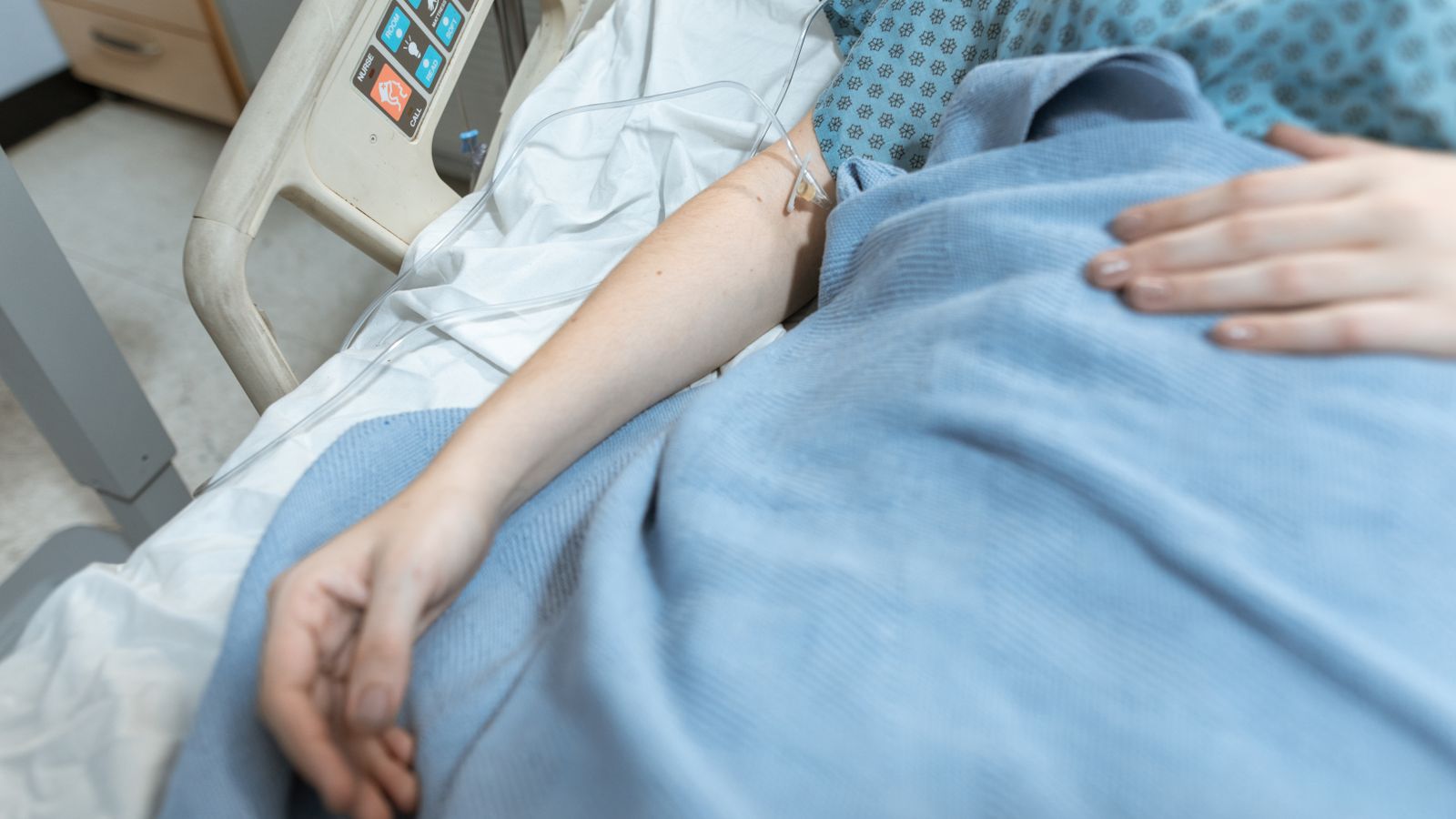
On May 14, 2026, the Louisiana House Health and Welfare Committee unanimously approved Senate Bill 142, which would permit terminally ill patients to use medical marijuana in hospital settings. Sen. Katrina Jackson-Andrews (D) sponsored the legislation, which the Senate passed in April 2026 by a 32-6 vote. The bill addresses a significant care gap. Under existing policy, hospitals generally prohibited medical marijuana on their premises due to federal funding concerns—Medicare and Medicaid reimbursements could theoretically be jeopardized by facilitating Schedule I drug use. Terminally ill patients faced a choice between inadequate pain management or leaving hospital care to access cannabis. Senate Bill 142 requires hospitals to develop written policies allowing patients with terminal and irreversible conditions to use medical marijuana products. The legislation includes liability protections for healthcare facilities and staff, specifying that compliance with the law does not constitute aiding and abetting federal drug violations. Hospitals must permit use but are not required to store, handle, or administer cannabis—family members or caregivers would manage the medicine. The bill advanced to the full House for final passage, with enactment expected by June 2026. If signed by Gov. Jeff Landry, the law would take effect August 1, 2026, making Louisiana one of approximately 15 states explicitly permitting medical marijuana in healthcare facilities.Key Players in Louisiana's Medical Marijuana Landscape
Louisiana State University Agricultural Center
LSU's Agricultural Center holds one of two cultivation licenses and partners with GB Sciences Louisiana for actual production. The facility in Baton Rouge operates approximately 30,000 square feet of canopy space across multiple grow rooms. LSU researchers have conducted limited studies on cultivation techniques, cannabinoid optimization, and agricultural pest management, though federal restrictions limit research scope. The university receives royalty payments based on sales volume, generating approximately $2.8 million in revenue during 2025.Southern University Agricultural Research and Extension Center
Southern University's Agricultural Center holds the second cultivation license, partnering with Ilera Holistic Healthcare (later acquired by AYR Wellness). The facility in Baker, Louisiana, operates approximately 25,000 square feet of cultivation space. Southern's program has emphasized social equity dimensions, prioritizing hiring from communities disproportionately affected by cannabis prohibition. The university generated approximately $2.1 million in cultivation-related revenue during 2025.Louisiana Board of Pharmacy
The Board of Pharmacy regulates all nine licensed dispensaries, establishes product standards, and oversees pharmacy operations. The board requires dispensaries to maintain traditional pharmacy licenses, employ licensed pharmacists, and follow pharmaceutical-grade inventory tracking. Executive Director Malcolm Broussard has emphasized patient safety and product quality as regulatory priorities. The board conducts quarterly inspections and can suspend licenses for compliance violations.Louisiana Department of Health
The Department of Health operates the patient registry, processes applications, and issues medical marijuana identification cards. As of March 2026, the department reported 51,200 active registered patients. The agency also provides physician education through its Office of Public Health, offering continuing medical education credits for cannabis therapeutics courses. The department does not set qualifying conditions—physicians exercise independent judgment under the "debilitating medical condition" standard.Louisiana Department of Agriculture and Forestry
LDAF oversees cultivation operations, inspects growing facilities, and enforces agricultural regulations. Commissioner Mike Strain has supported the medical program while opposing adult-use legalization. LDAF implemented enhanced testing requirements in 2025, contracting with three independent laboratories—Steep Hill Louisiana, SC Laboratories, and Green Leaf Lab—to conduct compliance testing for cannabinoids, terpenes, pesticides, heavy metals, and microbial contaminants.Licensed Dispensaries
Nine pharmacy operators serve Louisiana patients across 14 locations. Major operators include Willow Pharmacy (Madisonville and Shreveport), Capitol Wellness Solutions (Baton Rouge), Good Day Farm (Monroe, Alexandria, and Bossier City), Hope Pharmacy (Covington), and H&W Drug Store (multiple locations). These pharmacies employ licensed pharmacists who counsel patients on dosing, product selection, and potential drug interactions. Dispensaries cannot advertise beyond basic directional signage, limiting patient awareness.Patient Advocacy Organizations
Louisiana Progress, a nonprofit advocacy group, has championed medical marijuana expansion since 2014. The organization mobilizes patient testimony for legislative hearings and provides public education. Veterans organizations, including the Louisiana American Legion, have supported medical cannabis access for PTSD and chronic pain. The Louisiana Cannabis Association represents industry operators, advocating for regulatory improvements and market expansion.Opposition and Skeptics
The Louisiana Sheriff's Association historically opposed medical marijuana expansion, citing concerns about impaired driving and diversion to the illicit market. However, opposition has softened as the program demonstrated operational stability. Some healthcare organizations, including the Louisiana Hospital Association, initially resisted the terminal patient hospital access bill due to federal funding concerns, though the organization ultimately took a neutral position after liability protections were added.Legal and Regulatory Framework
Louisiana's medical marijuana program operates under Louisiana Revised Statutes Title 40, Section 1046 and subsequent amendments, creating a vertically integrated system with university-based cultivation, pharmacy-only dispensing, and physician-discretion qualifying standards.Statutory Foundation
The core statute, La. R.S. 40:1046, authorizes the production and distribution of "therapeutic marijuana" for medical purposes. The law defines therapeutic marijuana as marijuana recommended by a physician for a patient diagnosed with a debilitating medical condition. Critically, Louisiana law does not use the term "prescription"—physicians provide "recommendations" because prescribing a Schedule I controlled substance would violate federal law under 21 U.S.C. § 812. La. R.S. 40:1046 establishes the exclusive cultivation license structure, limiting production to LSU and Southern University or their contractors. The statute caps dispensaries at 10 licenses statewide, though only nine have been issued. The law requires dispensaries to hold pharmacy licenses under La. R.S. 37:1164 and employ licensed pharmacists. Qualifying conditions are defined broadly under the 2020 amendment: any debilitating medical condition as determined by a physician licensed in Louisiana. The statute does not enumerate specific conditions, giving physicians maximum discretion. However, the law requires a bona fide physician-patient relationship—doctors cannot recommend cannabis without examining the patient and reviewing medical history.Regulatory Structure
Three agencies share regulatory authority. The Louisiana Department of Agriculture and Forestry regulates cultivation under Louisiana Administrative Code Title 7, Part XXV. These rules establish security requirements, pesticide restrictions, testing protocols, and inspection procedures. LDAF rules prohibit outdoor cultivation, require video surveillance retention for 90 days, and mandate batch testing before products can be released to dispensaries. The Louisiana Board of Pharmacy regulates dispensaries under La. Admin. Code Title 46, Part LIII. Pharmacy rules require criminal background checks for all employees, pharmaceutical-grade inventory tracking systems, and child-resistant packaging. Dispensaries must maintain patient consultation areas where pharmacists discuss product selection, dosing, and potential interactions with other medications. The rules prohibit dispensaries from advertising beyond basic signage visible from the street. The Louisiana Department of Health administers the patient registry under La. Admin. Code Title 48, Part I, Chapter 131. Patients must submit physician recommendations, proof of Louisiana residency, and a $100 application fee (reduced to $25 for veterans and Medicaid recipients). Registry cards are valid for one year and must be renewed with updated physician recommendations.Federal Conflicts and Banking Challenges
Louisiana's program operates in direct conflict with federal law. The Controlled Substances Act, 21 U.S.C. § 812, classifies marijuana as a Schedule I drug, defined as having no accepted medical use and high abuse potential. Federal law prohibits manufacturing, distributing, and possessing Schedule I substances, with penalties including imprisonment under 21 U.S.C. § 841. However, the Rohrabacher-Farr Amendment (now the Joyce-Leahy Amendment), enacted annually since 2014 as part of federal appropriations bills, prohibits the Department of Justice from using funds to prevent states from implementing medical marijuana laws. This provision, codified most recently in the Consolidated Appropriations Act of 2026, provides de facto federal tolerance for state-legal medical programs. Banking remains problematic. Federal financial institutions risk prosecution under 18 U.S.C. § 1956 (money laundering) and 18 U.S.C. § 1957 (monetary transactions in property derived from specified unlawful activity) for servicing cannabis businesses. Most Louisiana dispensaries operate on a cash basis or use credit unions willing to accept the risk. The SAFE Banking Act, which would protect financial institutions serving state-legal cannabis businesses, has passed the U.S. House multiple times but has not been enacted as of May 2026.Possession Limits and Patient Protections
Louisiana law does not specify possession limits in statute—the Louisiana Board of Pharmacy establishes limits through regulation. Current rules allow patients to possess a 30-day supply as determined by their recommending physician, with no specific weight limit. In practice, pharmacies typically dispense up to 2.5 ounces of flower or equivalent amounts of other products per 30-day period. Patients with valid registry cards receive limited legal protections. La. R.S. 40:1046 provides an affirmative defense against state prosecution for marijuana possession, but only if the patient possesses amounts consistent with their recommendation and obtained the medicine from a licensed dispensary. The law does not protect home cultivation, which remains illegal. Patients can be terminated from employment for cannabis use, as Louisiana has no employment protections for medical marijuana patients. Driving under the influence of marijuana remains illegal under La. R.S. 14:98. Louisiana law establishes no specific THC blood concentration threshold—impairment is determined through officer observation and field sobriety tests. Medical marijuana patients receive no exemption from DUI laws.Pending Legislation: Senate Bill 142
Senate Bill 142, advancing through the Legislature in May 2026, would amend La. R.S. 40:1046 to explicitly permit terminally ill patients to use medical marijuana in hospitals and healthcare facilities. The bill defines terminal condition as an irreversible condition caused by injury, disease, or illness that will result in death within one year, as determined by a physician. The legislation requires hospitals to develop written policies allowing such use, but does not mandate that facilities store, handle, or administer cannabis—those responsibilities remain with patients, family members, or designated caregivers. The bill includes liability protections, specifying that compliance does not constitute aiding and abetting federal drug violations or grounds for federal funding sanctions. If enacted, the law would position Louisiana among states including California, Colorado, and Illinois that explicitly address medical marijuana in healthcare settings. The legislation responds to end-of-life care advocates who argue that terminally ill patients should not be forced to choose between hospital care and cannabis-based symptom management.Market and Business Landscape
Louisiana's medical marijuana market generated approximately $180 million in sales during 2025, with flower products comprising 68% of revenue and patient enrollment growing 12% year-over-year to exceed 51,000 registered users by March 2026.Market Size and Growth Trajectory
The market has grown steadily since operational launch in 2019. First-year sales totaled approximately $8 million across five months of operation. Annual sales reached $35 million in 2020, $72 million in 2021, $128 million in 2022, $165 million in 2023, and $178 million in 2024. The 2025 total of $180 million represented 1.1% growth, suggesting market maturation as patient enrollment growth slowed. Average patient spending approximates $3,500 annually, or roughly $290 per month. This figure places Louisiana in the middle range nationally—below high-consumption states like Arizona ($4,200 per patient annually) but above limited programs like New York ($2,800 per patient annually). Spending patterns reflect product pricing, consumption preferences, and the severity of qualifying conditions.Product Categories and Consumer Preferences
Flower dominates the market since its January 2022 introduction. Dispensaries report that flower accounts for 68% of sales by revenue, with pre-rolls adding another 8%. Vape cartridges represent 12% of sales, edibles 7%, tinctures 3%, and topicals 2%. This distribution mirrors national trends—flower remains the preferred consumption method due to rapid onset, dosing control, and cost-effectiveness. Popular strains include Wedding Cake (a hybrid cross of Cherry Pie and Girl Scout Cookies), Northern Lights (an indica known for relaxation effects), Gelato (a balanced hybrid), OG Kush (a classic strain with earthy terpenes), and Sour Diesel (a sativa-dominant strain). Cultivators have introduced Louisiana-specific genetics, including Bayou Bliss and Cajun Kush, though these represent marketing efforts rather than distinct genetic lineages. Terpene profiles influence consumer selection. Myrcene-dominant strains, associated with sedative effects, appeal to patients managing insomnia and anxiety. Limonene-rich varieties, linked to mood elevation, attract patients with depression. Pinene, associated with alertness, appears in strains marketed for daytime use. However, scientific evidence for terpene-specific effects remains limited, and the "entourage effect" theory—that cannabinoids and terpenes work synergistically—lacks robust clinical validation.Pricing and Economic Accessibility
Louisiana's limited-license structure maintains prices above national averages. As of May 2026, flower retails for $12-16 per gram ($336-448 per ounce), compared to national medical marijuana averages of $8-12 per gram. Vape cartridges cost $45-65 per 0.5-gram unit. Edibles range from $20-35 per package (typically 100-200mg total THC). No insurance covers medical marijuana due to federal prohibition. Medicare and Medicaid explicitly exclude Schedule I substances, and private insurers follow suit. Patients pay entirely out-of-pocket, creating significant access barriers. A patient consuming one ounce of flower monthly faces $400-500 in medicine costs plus the $100 annual registry fee and physician consultation fees ($150-250 annually). Some dispensaries offer patient assistance programs, providing 10-20% discounts for veterans, seniors, and Medicaid recipients. However, these programs rely on voluntary operator participation and do not address fundamental affordability challenges.Competitive Dynamics and Operator Strategies
The nine-pharmacy limit creates an oligopolistic market structure. Operators compete primarily on product selection, customer service, and location convenience rather than price. Unlike multi-state operator (MSO)-dominated markets such as Illinois or Massachusetts, Louisiana's program has prevented large cannabis corporations from entering the state. Good Day Farm, operating three locations, represents the largest footprint. The company emphasizes product education, employing pharmacists trained in cannabis therapeutics. Willow Pharmacy, the state's first dispensary, has built brand recognition and customer loyalty. Capitol Wellness Solutions focuses on Baton Rouge's population center, capturing market share through convenient access. Vertical integration is limited. Cultivators (GB Sciences Louisiana and Ilera/AYR Wellness) supply all nine dispensaries on a wholesale basis, with the Louisiana Board of Pharmacy overseeing pricing to prevent anti-competitive behavior. Wholesale flower prices range from $1,800-2,400 per pound, depending on quality and cannabinoid content. This structure differs from states like Florida, where vertically integrated operators control cultivation, processing, and retail.Tax Revenue and Economic Impact
Louisiana imposes a 7% wholesale tax on medical marijuana under La. R.S. 47:1681, collected from cultivators when products transfer to dispensaries. This tax generated $14.3 million in fiscal year 2025. Revenue flows to the state general fund, with no dedicated allocation to drug treatment, education, or healthcare programs. Local sales taxes apply to retail transactions, adding 4-6% depending on parish. Total tax burden (wholesale tax plus sales tax) approximates 11-13%, lower than adult-use states like Washington (37% effective tax rate) but higher than medical-only states with no specific cannabis taxes. The industry supports approximately 1,200 direct jobs—300 in cultivation, 150 in testing and processing, 650 in retail, and 100 in ancillary services (security, legal, accounting). Average wages in cultivation approximate $38,000 annually, while retail positions average $32,000. Pharmacist positions command $85,000-110,000, reflecting professional licensing requirements.Capital Investment and Expansion Constraints
Louisiana's limited-license structure caps investment opportunities. The nine dispensary licenses have not changed hands since initial issuance, and no secondary market exists for license transfers. This stability benefits existing operators but prevents new entrants and limits capital formation. Cultivators have invested approximately $45 million combined in facility construction, equipment, and genetics development since 2017. Dispensaries have invested roughly $18 million across 14 locations. These figures pale compared to mature markets—Michigan's cannabis industry has attracted over $1.5 billion in investment since 2019. Federal prohibition prevents traditional bank financing. Operators rely on private equity, family offices, and high-net-worth individuals willing to accept regulatory risk. Interest rates on cannabis business loans, when available, range from 12-18%, compared to 6-8% for conventional small business loans. Section 280E of the Internal Revenue Code, 26 U.S.C. § 280E, prohibits businesses trafficking in Schedule I or II substances from deducting ordinary business expenses for federal tax purposes. Louisiana operators can deduct only cost of goods sold, resulting in effective federal tax rates of 60-75% of gross profit. This tax treatment significantly reduces profitability and limits reinvestment capacity.What Experts and Stakeholders Say
Physicians, patient advocates, industry operators, and policymakers express cautious optimism about Louisiana's medical marijuana program while identifying persistent barriers to access and market development. Dr. Victor Chou, a New Orleans-based physician who has recommended cannabis to over 800 patients since 2019, stated in a March 2026 interview with the Times-Picayune that the program has provided meaningful relief for patients with chronic pain and PTSD, but that physician education remains inadequate. According to Dr. Chou, most medical schools provide no cannabis therapeutics training, leaving doctors unprepared to counsel patients on dosing, product selection, and potential drug interactions. Rosie Cusimano, a patient advocate and founder of the Louisiana Medical Marijuana Patients Coalition, told the Advocate in April 2026 that cost remains the primary barrier to access. According to Cusimano, many qualified patients cannot afford $300-400 monthly medicine costs on top of registry fees and physician consultations, particularly in a state where median household income approximates $52,000. Cusimano advocates for patient assistance programs funded through tax revenue and insurance coverage pathways. John Davis, CEO of Willow Pharmacy, said in a January 2026 industry conference presentation that Louisiana's pharmacy model ensures product quality and patient safety but limits market growth. According to Davis, the 10-license cap prevents geographic expansion into underserved rural areas, forcing patients in northern and western Louisiana to travel excessive distances. Davis supports increasing the license cap to 15-20 dispensaries to improve access. Sen. Katrina Jackson-Andrews, sponsor of Senate Bill 142 on terminal patient hospital access, stated during May 2026 committee testimony that denying dying patients access to medicine that provides comfort is inhumane. According to Jackson-Andrews, the bill addresses a specific population with acute needs while including safeguards that protect hospitals from federal funding risks. Kyle Romero, executive director of the Louisiana Cannabis Association, told NOLA.com in February 2026 that the industry has operated responsibly and demonstrated that regulated cannabis markets can function without public safety crises. According to Romero, Louisiana should consider adult-use legalization to capture tax revenue currently flowing to the illicit market and neighboring states. However, Romero acknowledged that legislative appetite for adult-use remains minimal given the state's conservative political composition. Dr. Eboni Baugh, a researcher at LSU's Agricultural Center, published findings in the Journal of Cannabis Research in March 2026 indicating that Louisiana-grown cannabis contains cannabinoid and terpene profiles comparable to products from mature markets like Colorado and Oregon. According to the study, Louisiana cultivators have achieved THC concentrations averaging 22-26% in flower products, with some strains exceeding 30%. The research suggests that the university-based cultivation model produces quality outcomes despite initial concerns about academic institutions lacking commercial cannabis expertise. Sheriff Randy Smith of Bossier Parish, speaking at a Louisiana Sheriff's Association meeting in April 2026, said that medical marijuana has not produced the public safety concerns initially feared. According to Smith, DUI arrests involving cannabis have not increased significantly, and diversion to the illicit market appears minimal due to the registry system and pharmacy controls. Smith stated that law enforcement focus has appropriately shifted to illegal cultivation and distribution operations rather than medical patients.What's Next: Policy Trajectory and Market Outlook
Louisiana's medical marijuana program faces several decision points in 2026 and 2027 that will determine whether the market expands, stagnates, or contracts in response to federal rescheduling and regional competitive pressures.Senate Bill 142 Implementation Timeline
The terminal patient hospital access bill requires final House passage, expected by late May 2026. If approved, the bill proceeds to Gov. Jeff Landry, who has not publicly stated a position. Assuming signature by mid-June 2026, the law would take effect August 1, 2026. Hospitals would then have 90 days to develop written policies, meaning practical implementation would begin November 2026. The Louisiana Hospital Association will likely issue model policies to assist member facilities. Key implementation questions include: Will hospitals require patients to use non-smokable products to avoid secondhand exposure? Will facilities designate specific areas for consumption? How will hospitals document cannabis use in medical records without jeopardizing federal funding? These operational details will emerge through late 2026 and early 2027.Federal Rescheduling Impact
The U.S. Drug Enforcement Administration published a Notice of Proposed Rulemaking in May 2024 proposing to reschedule marijuana from Schedule I to Schedule III under the Controlled Substances Act. The proposal followed a Department of Health and Human Services recommendation based on FDA review. As of May 2026, the rescheduling process remains pending, with public comment periods, administrative law judge hearings, and final rule publication still ahead. If marijuana moves to Schedule III, several consequences follow for Louisiana. Section 280E would no longer apply, allowing operators to deduct ordinary business expenses and significantly improving profitability. However, Schedule III substances require FDA approval for medical use, potentially creating new regulatory complexity. BankingUpdate — May 20, 2026: Legislature Approves Hospital Access for Terminally Ill Patients
The Louisiana House of Representatives approved Senate Bill by Sen. Katrina Jackson-Andrews (D) in a 54-44 vote on May 19, 2026, following Senate passage by a 33-2 margin in April 2026. The legislation now awaits Governor Jeff Landry's signature. If enacted, the bill will permit patients with terminal and irreversible conditions to use medical marijuana while hospitalized, a practice currently prohibited under Louisiana hospital policy and federal guidelines for facilities receiving Medicare or Medicaid funding.
Under existing Louisiana law, medical marijuana is legal for qualifying conditions, but hospitals have uniformly banned on-site use due to federal Schedule I classification and concerns over Joint Commission accreditation. The Jackson-Andrews bill creates a narrow exception: hospitals may adopt policies allowing terminally ill patients to consume physician-recommended cannabis products in designated areas, provided the facility documents informed consent and the patient's attending physician approves. The bill does not mandate participation; each hospital system retains discretion to opt in.
Supporters, including the Louisiana Medical Marijuana Association, said the measure addresses end-of-life dignity for patients managing pain, nausea, or appetite loss. Opponents, primarily Republican lawmakers, cited federal-state conflict and potential loss of federal healthcare funding as reasons for their no votes. The Louisiana Hospital Association has not taken a formal position but noted that hospitals will require legal indemnification and updated compliance protocols before implementing any new policy.
If signed, Louisiana will join a small group of states—including New York, Illinois, and Minnesota—that explicitly authorize medical cannabis use in hospital settings under limited circumstances. The bill includes no appropriation and takes effect upon the governor's signature, though operational rollout will depend on individual hospital boards adopting internal policies and training staff on documentation requirements.
Frequently asked questions
What conditions qualify for medical marijuana in Louisiana?
Louisiana law allows physicians to recommend medical marijuana for any debilitating condition they deem appropriate. The state does not maintain a specific list of qualifying conditions, giving doctors broad discretion. Commonly treated conditions include cancer, seizure disorders, PTSD, Crohn's disease, muscular dystrophy, Parkinson's disease, chronic pain, and glaucoma. This physician-discretion model, implemented in 2019, replaced the previous limited list of qualifying conditions.
How do patients obtain medical marijuana in Louisiana?
Patients must first obtain a recommendation from a Louisiana-licensed physician registered with the state medical marijuana program. There is no state registry card; the recommendation serves as authorization. Patients then purchase products from one of Louisiana's licensed medical marijuana pharmacies. The state does not allow home cultivation. Patients must be Louisiana residents and provide proof of residency when purchasing from dispensaries.
What forms of medical marijuana are legal in Louisiana?
Louisiana permits medical marijuana in various forms including oils, tinctures, topical applications, transdermal patches, inhalers, suppositories, and metered-dose inhalers. Raw or crude marijuana flower became available in 2019, but smoking remains prohibited. Patients can use vaporizers, edibles, and other non-combustible consumption methods. The state regulates THC content and packaging requirements for all products sold through licensed pharmacies.
Who grows medical marijuana in Louisiana?
Louisiana uniquely licenses only two universities to cultivate medical marijuana: Louisiana State University Agricultural Center and Southern University Agricultural Center. These institutions contract with private companies to operate cultivation facilities. This university-based model distinguishes Louisiana from most other medical marijuana states. The cultivators supply all licensed pharmacies statewide with tested, regulated products meeting state quality standards.
How many medical marijuana dispensaries operate in Louisiana?
Louisiana has licensed over a dozen medical marijuana pharmacies distributed across regions to ensure statewide access. The Louisiana Board of Pharmacy oversees pharmacy licensing and operations. Each region has designated pharmacy licenses to serve local patient populations. Pharmacies must employ licensed pharmacists trained in medical marijuana dispensing and maintain strict inventory tracking and security protocols required by state regulations.
Can terminally ill patients use medical marijuana in Louisiana hospitals?
Louisiana legislators are advancing bills to allow terminally ill patients to use medical marijuana in hospital settings. Senate Bill by Sen. Katrina Jackson-Andrews passed committee in May 2026, requiring hospitals to create written guidelines for patients with terminal and irreversible conditions. Current law does not explicitly permit medical marijuana use in hospitals, creating barriers for end-of-life patients. The legislation aims to ensure continuity of care for terminally ill patients.
Does Louisiana allow medical marijuana for PTSD?
Yes, Louisiana physicians can recommend medical marijuana for PTSD under the state's physician-discretion model. Since 2019, doctors have authority to recommend cannabis for any debilitating condition they determine appropriate, including post-traumatic stress disorder. Veterans and others with PTSD represent a significant portion of Louisiana's medical marijuana patient population. The state does not require specific documentation beyond the physician's professional judgment.
What are Louisiana's medical marijuana possession limits?
Louisiana does not specify strict possession limits in statute, instead allowing physicians to determine appropriate amounts based on patient needs. Pharmacies dispense 30-day supplies as recommended by physicians. Patients should only possess amounts consistent with their current physician recommendations. The state tracks all transactions through a seed-to-sale system. Possession of marijuana without a valid physician recommendation remains illegal under Louisiana law.
Is recreational marijuana legal in Louisiana?
No, recreational marijuana remains illegal in Louisiana. The state operates only a medical marijuana program. Possession of marijuana without a physician recommendation is a criminal offense, though Louisiana decriminalized small amounts in some jurisdictions. First-time possession of 14 grams or less carries reduced penalties in certain areas. Legislative efforts to legalize recreational cannabis have not advanced significantly, with the state maintaining a medical-only approach.
How much does medical marijuana cost in Louisiana?
Medical marijuana prices in Louisiana vary by product type, potency, and pharmacy. Patients typically pay between $40-$100 for tinctures and oils, with higher-potency products costing more. The state does not regulate pricing, allowing market competition among pharmacies. Louisiana does not tax medical marijuana beyond standard sales tax. Insurance does not cover medical marijuana costs, as cannabis remains federally illegal. Patient assistance programs exist at some dispensaries.
Can Louisiana medical marijuana patients possess firearms?
Federal law prohibits marijuana users, including medical marijuana patients, from purchasing or possessing firearms. ATF Form 4473 requires purchasers to attest they are not unlawful users of controlled substances. Despite state-legal medical marijuana status, cannabis remains federally illegal. Louisiana does not provide specific protections for medical marijuana patients regarding firearms. Patients must navigate the conflict between state medical marijuana laws and federal firearms restrictions.
What employment protections exist for Louisiana medical marijuana patients?
Louisiana's medical marijuana law does not require employers to accommodate employee marijuana use or prohibit workplace drug testing. Employers can maintain drug-free workplace policies and take adverse action against employees who test positive for marijuana, even with valid medical recommendations. The law explicitly states it does not require employers to permit or accommodate medical marijuana use. Patients should understand their employer's policies before using medical marijuana.
The cannabis newsletter you forward to your team.
Federal policy, market data, grower alerts, and the one story that matters today. Sent every weekday at 7am. Free.
No spam. Unsubscribe with one click. 21+ only.